Originally published on lavkesh.com
Global supply chains are a mess. You've got suppliers, manufacturers, distributors, retailers all moving goods around the world through a maze of paper trails, phone calls, and spreadsheets. Nobody really sees what's happening. Nobody trusts the other guy completely. And the fake products? They flow right through alongside the real ones.
Information asymmetry is the killer. You don't know where your goods actually are. You get told something happened, you take somebody's word for it. Counterfeiting thrives in that gap. Manual processes, paper documentation, different systems at different companies, delays everywhere. Speed matters in supply chains, and you're not moving fast when you're waiting for someone to fax you a document.
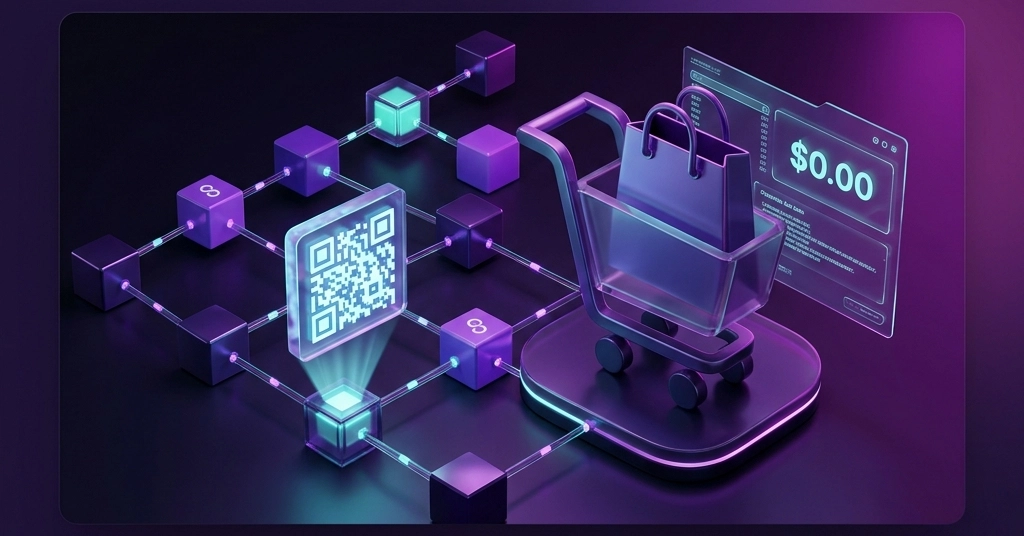
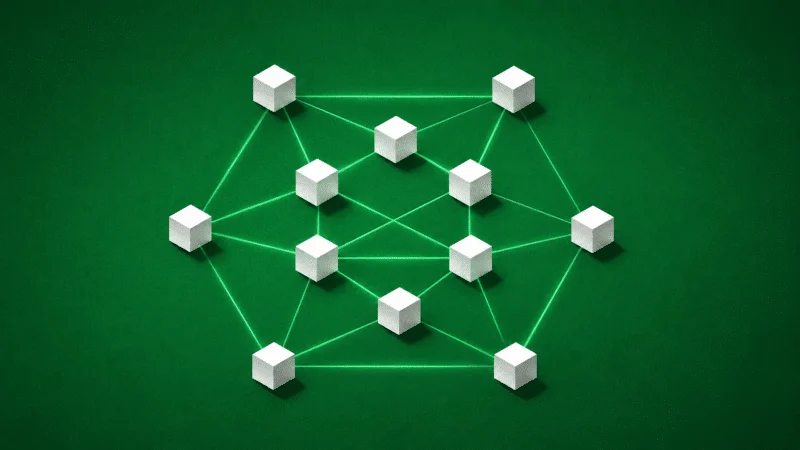
Blockchain gives you a single, immutable ledger that everyone can read. Every step of the product's journey gets recorded. You can't rewrite history because the whole network would reject it. Each product gets a unique digital identity that travels with it, so you can actually trace where it came from and where it's been.
In my first deployment of a permissioned ledger with Hyperledger Fabric across twelve logistics partners, we saw block commit times of about 1.2 seconds on a four‑node orderer cluster, but the network choked when we pushed beyond five thousand transactions per second during peak season. We ended up sharding the chain by region and moving low‑risk events onto a side‑channel. The hardware bill grew roughly thirty percent because each node needed SSDs capable of a gigabyte per second write throughput.