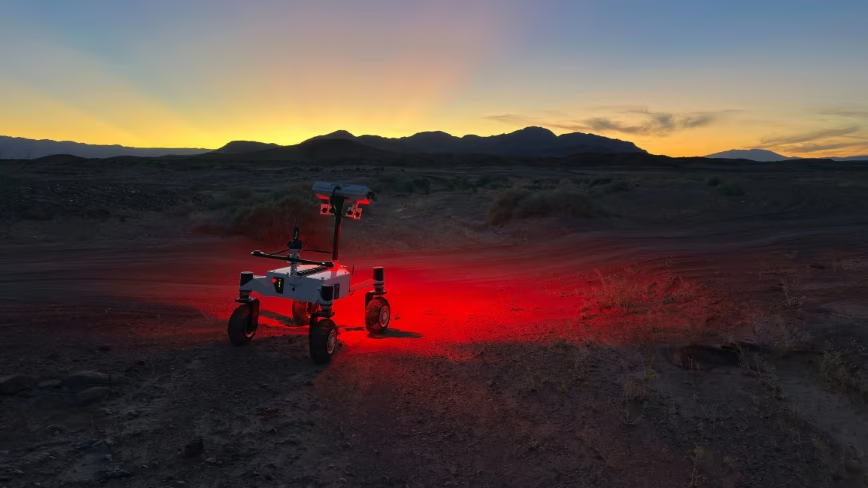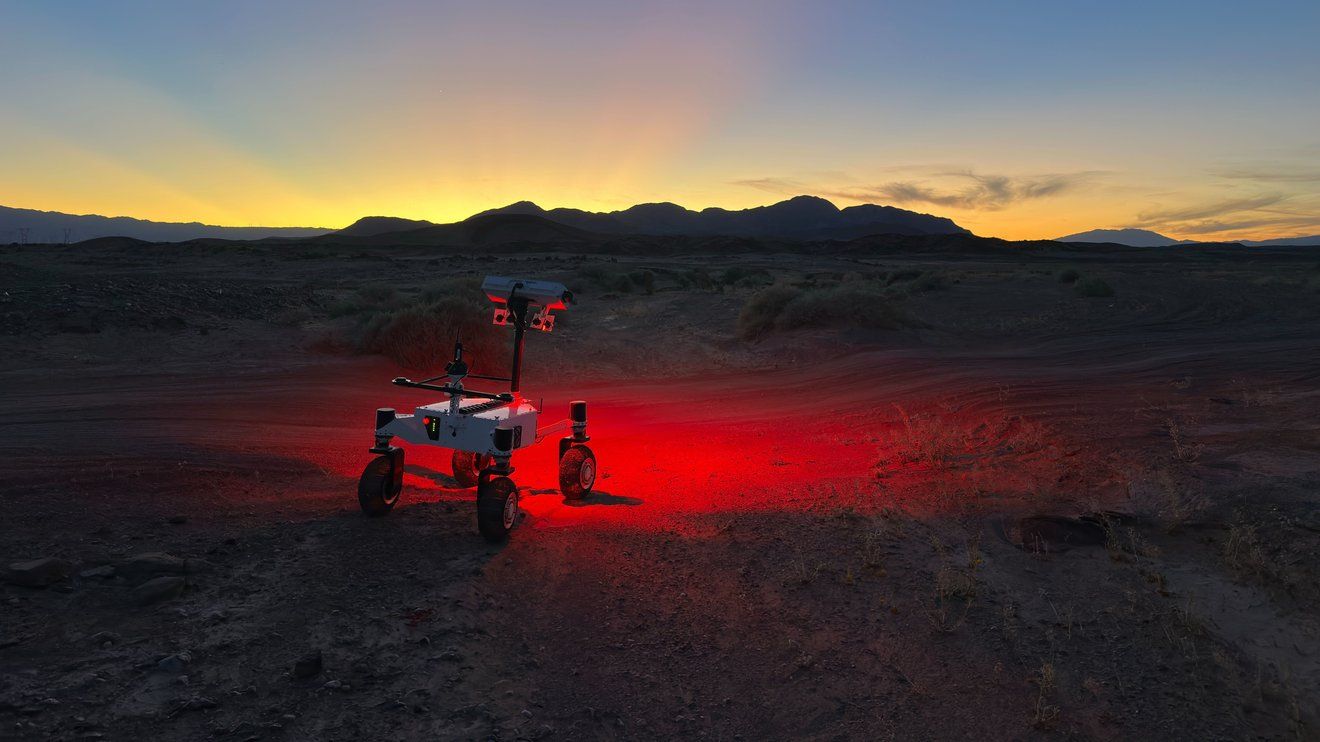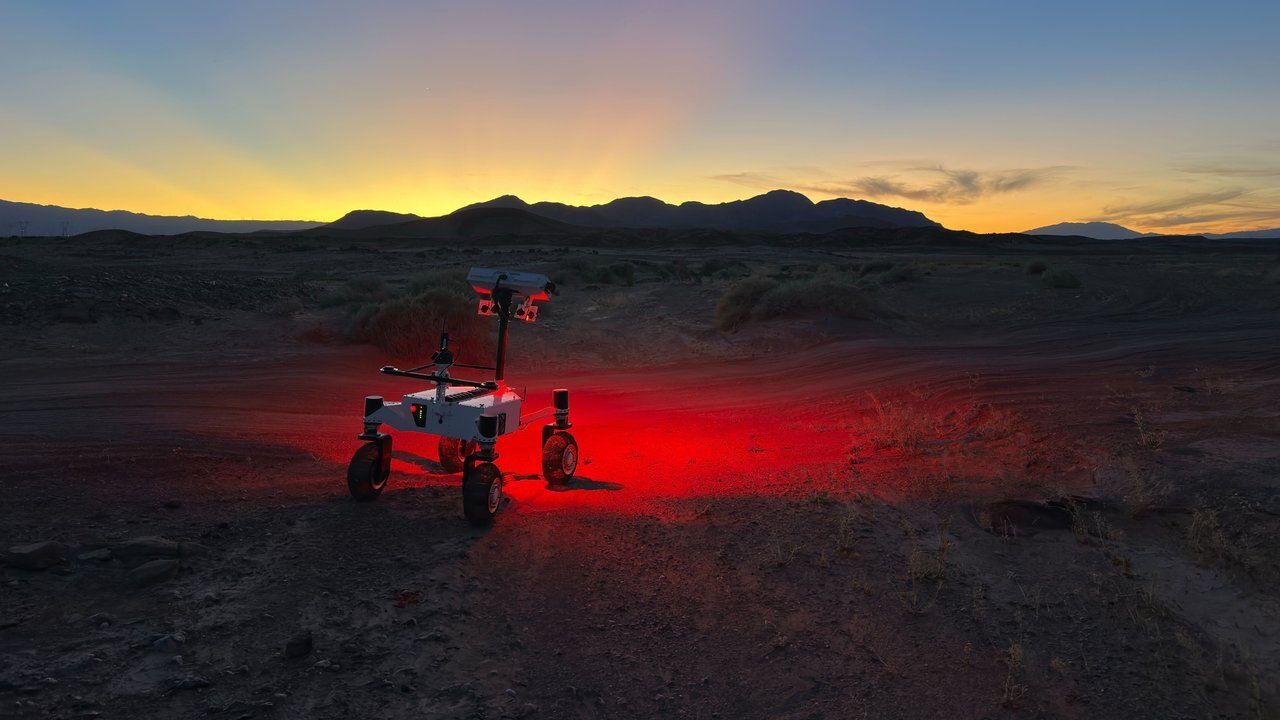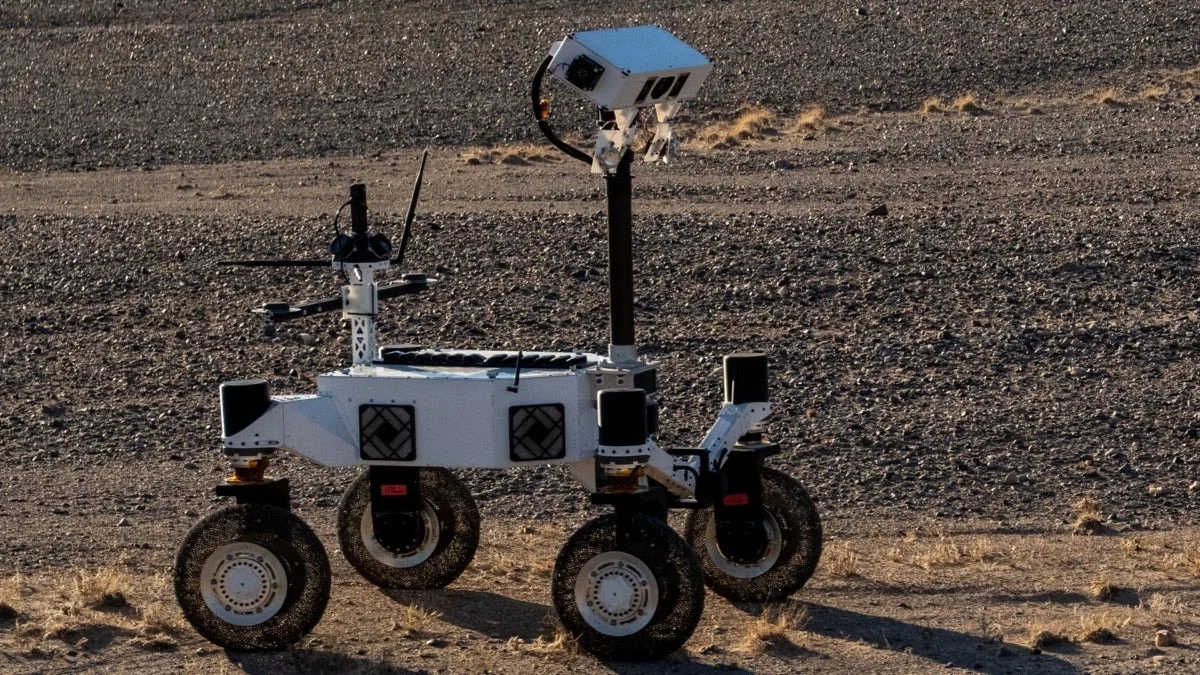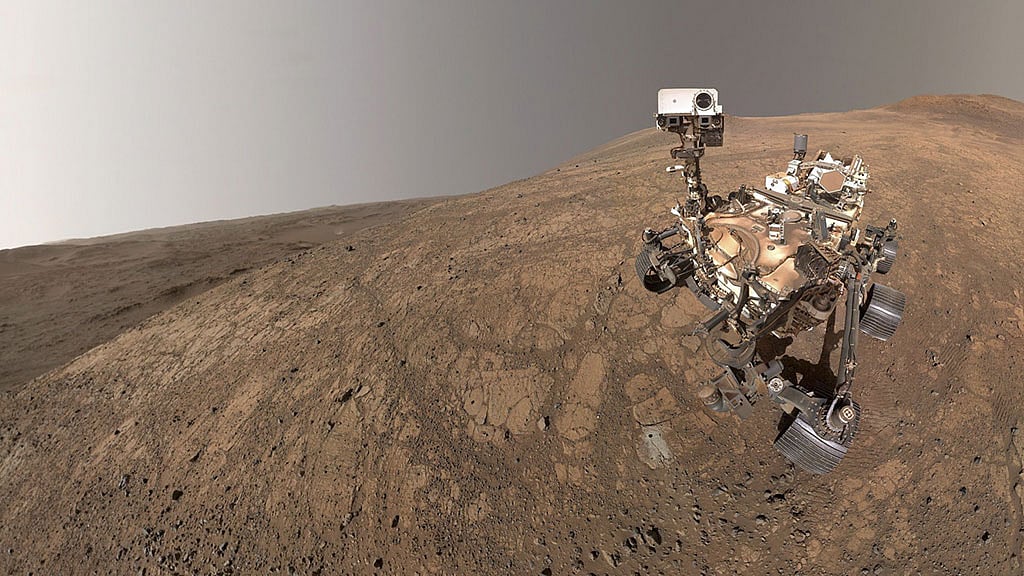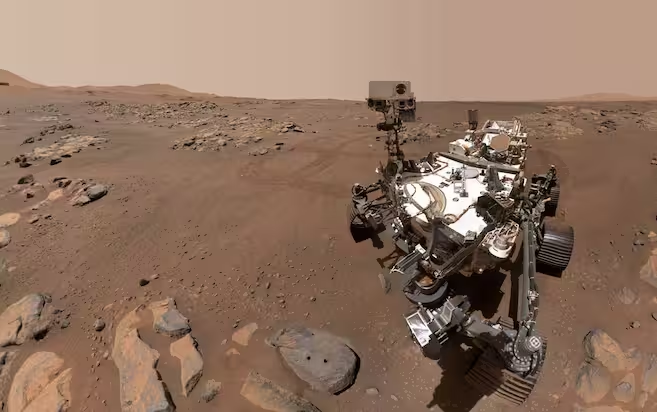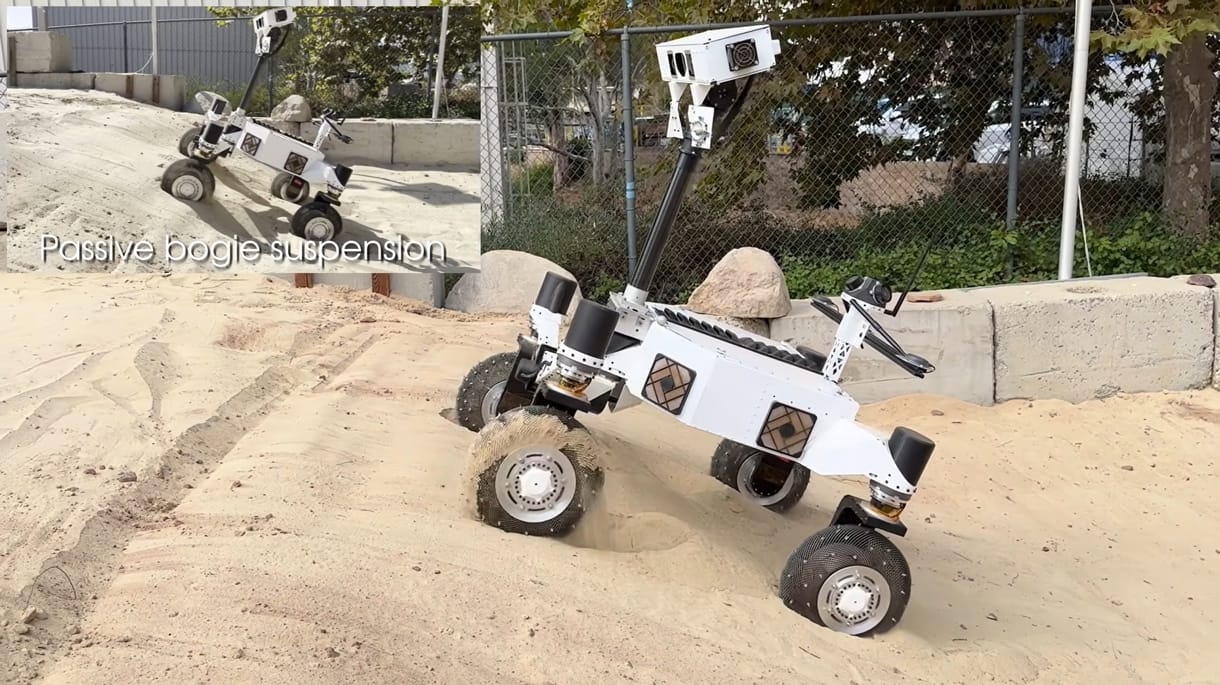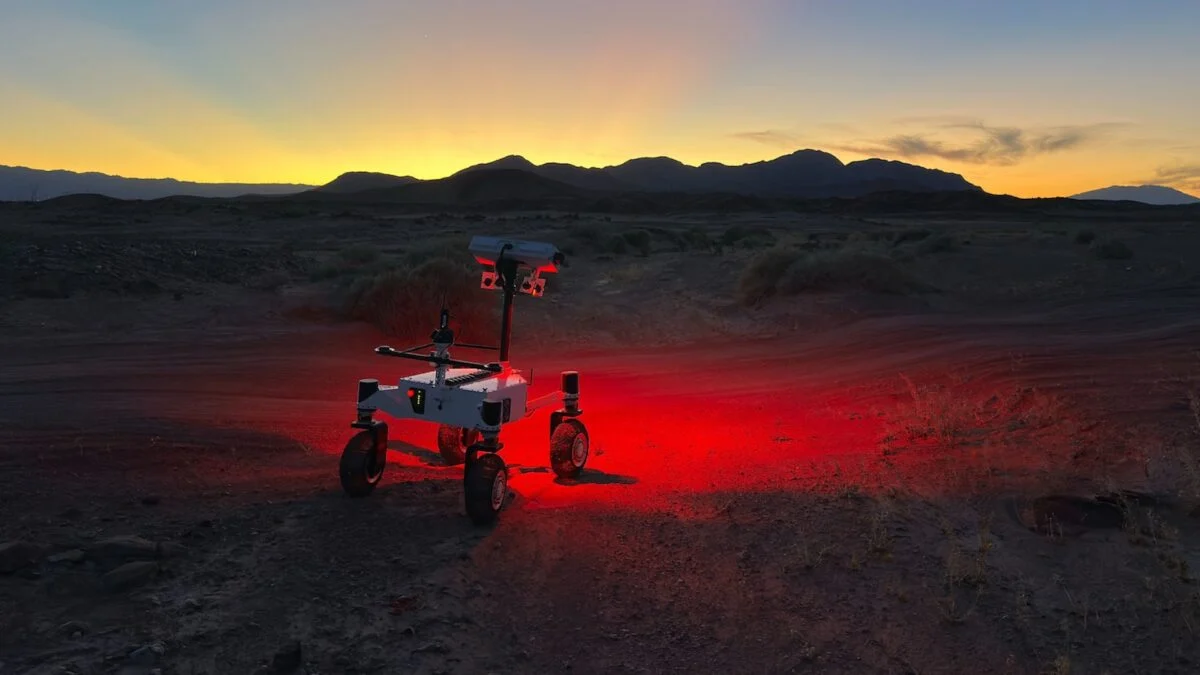
During a recent field test in the Colorado desert, a four-wheeled rover traveled across 16 miles (25 kilometers) in a little over a day and a half, lifting its mesh wheels to drive over obstacles in the rough terrain using enhanced decision-making capabilities. ERNEST, short for Exploration Rover for Navigating Extreme Sloped Terrain, is a small prototype rover built to be more capable of traversing across rugged terrain for future missions that require higher speeds and greater milage. Engineers from NASA’s Jet Propulsion Laboratory recently put the rover to the test, trailing behind it as it traveled across the Southern California desert for 37 hours. A worthy successor Since 1997, NASA has sent a total of five rovers to Mars, each with enhanced capabilities to explore the otherworldly terrain and gather data on its potentially habitable past. The Curiosity and Perseverance rovers, which landed in 2012 and 2021, are still roaming Mars to this day.
For future missions to the Moon and Mars, NASA needs its robotic explorers to be more capable of wheeling past obstacles on rugged terrains. That’s where ERNEST comes in. The next-generation rover is equipped with more advanced mobility and autonomy that could be used to venture to previously inaccessible regions on upcoming missions.