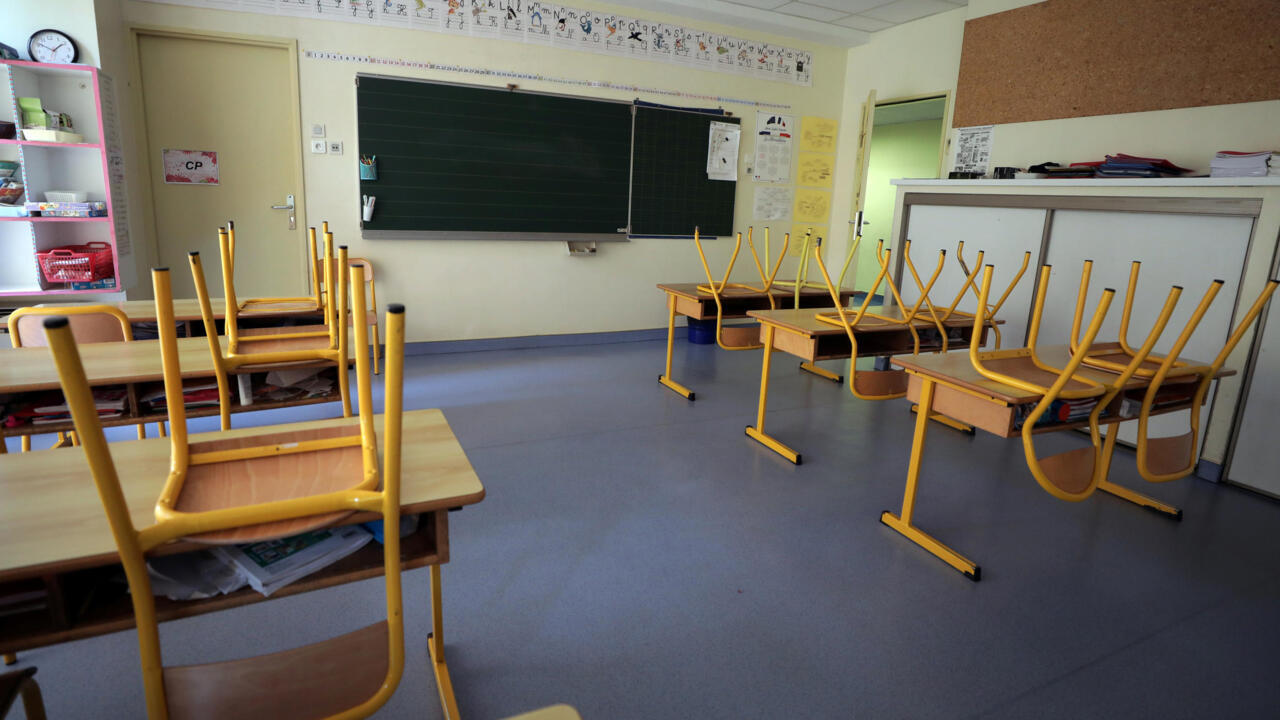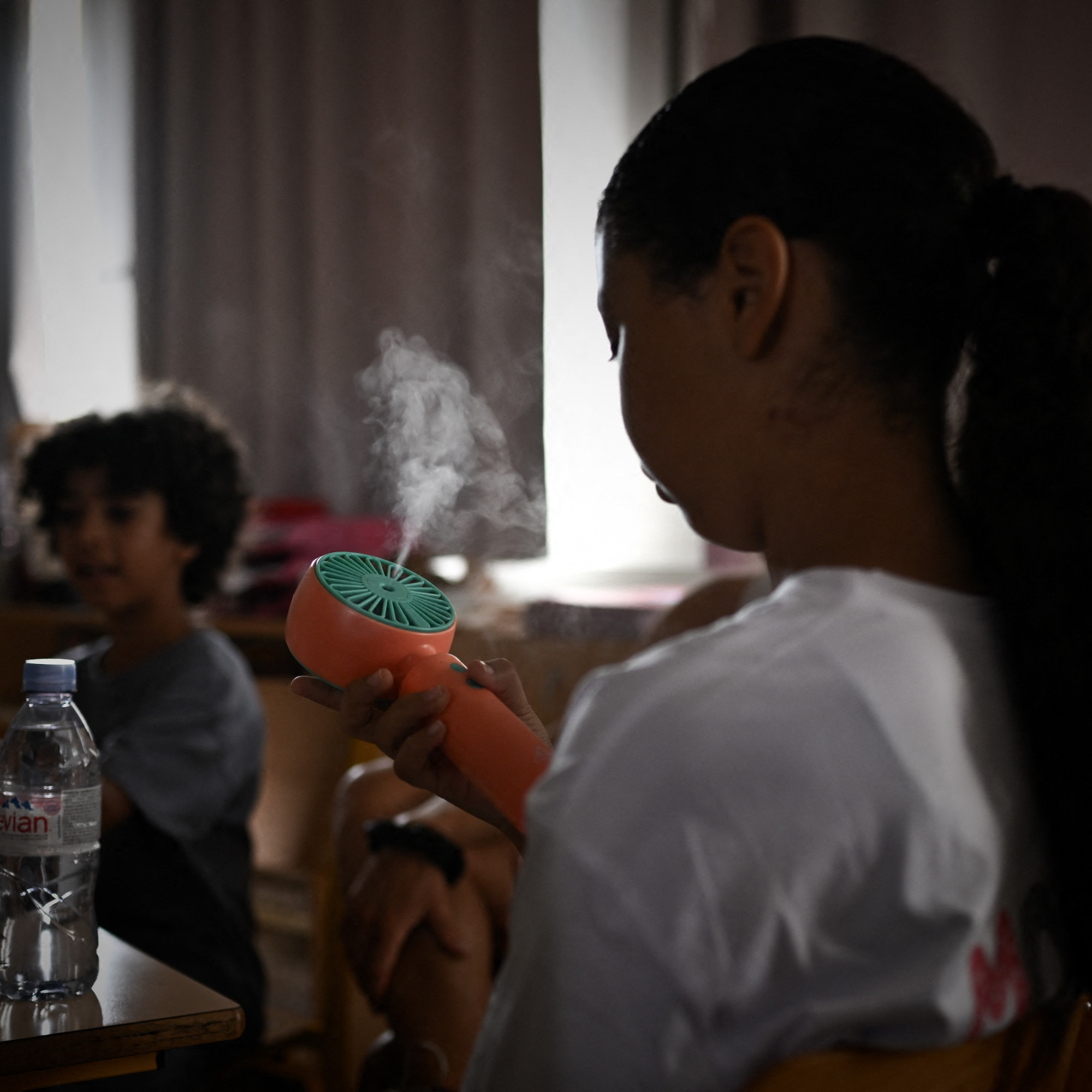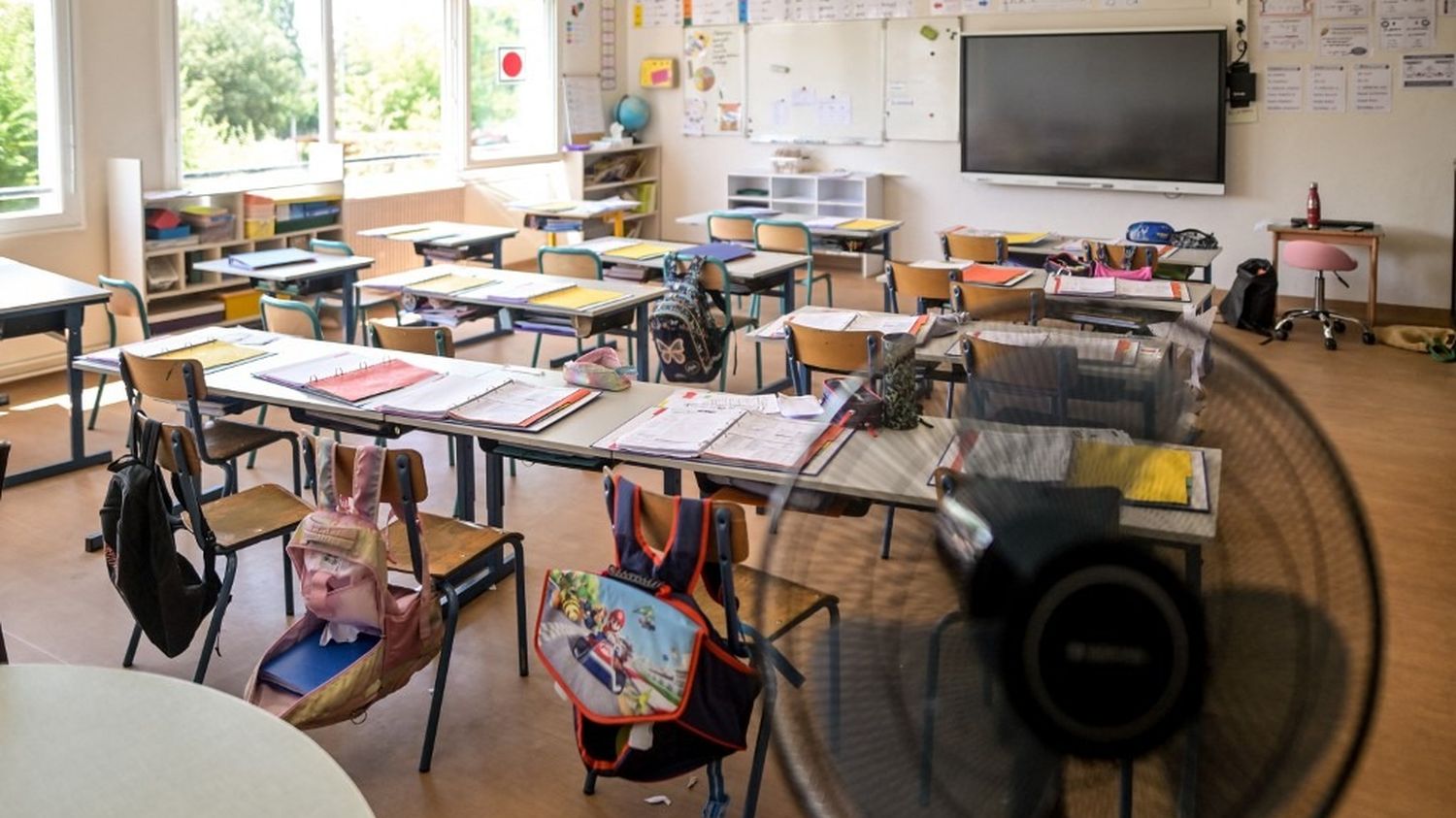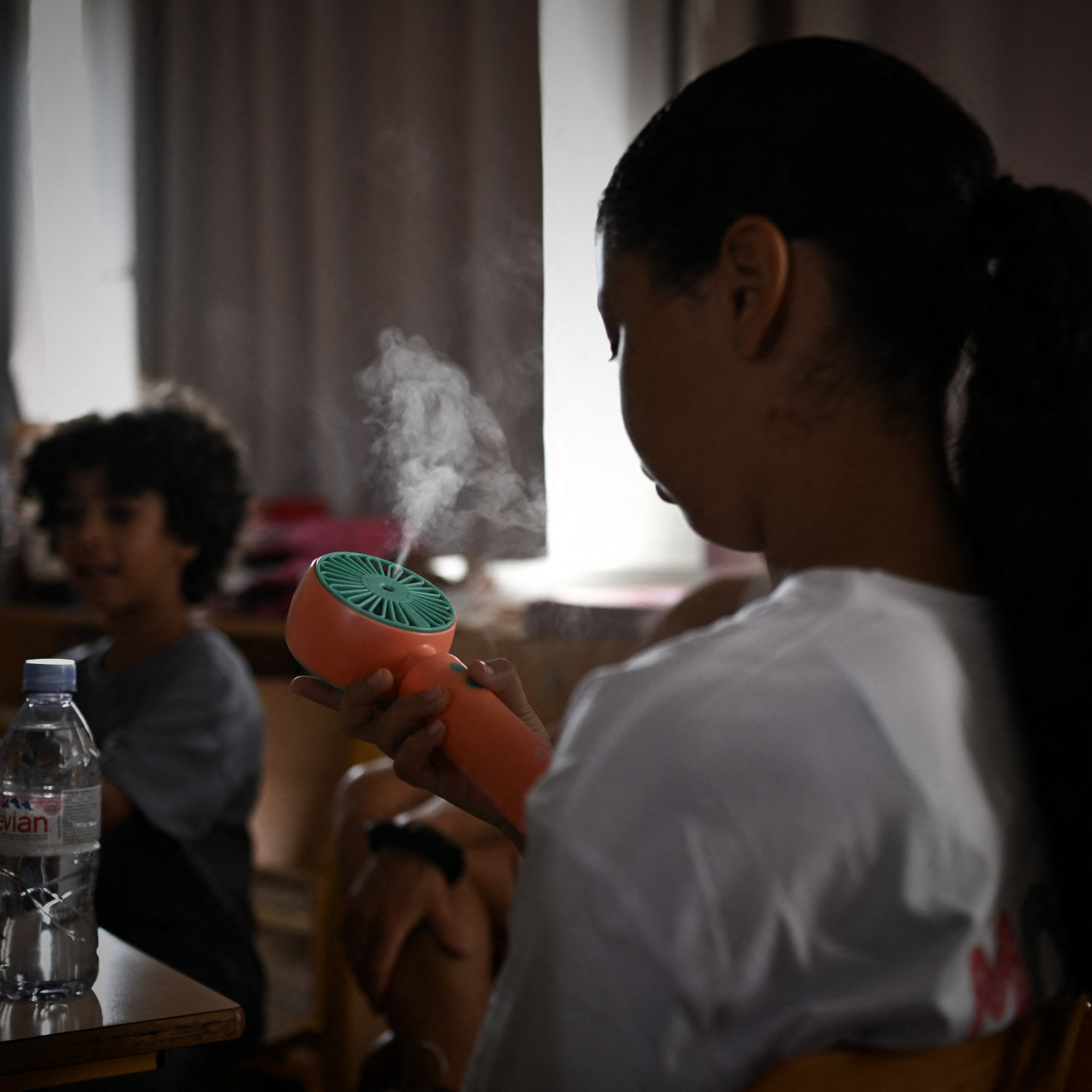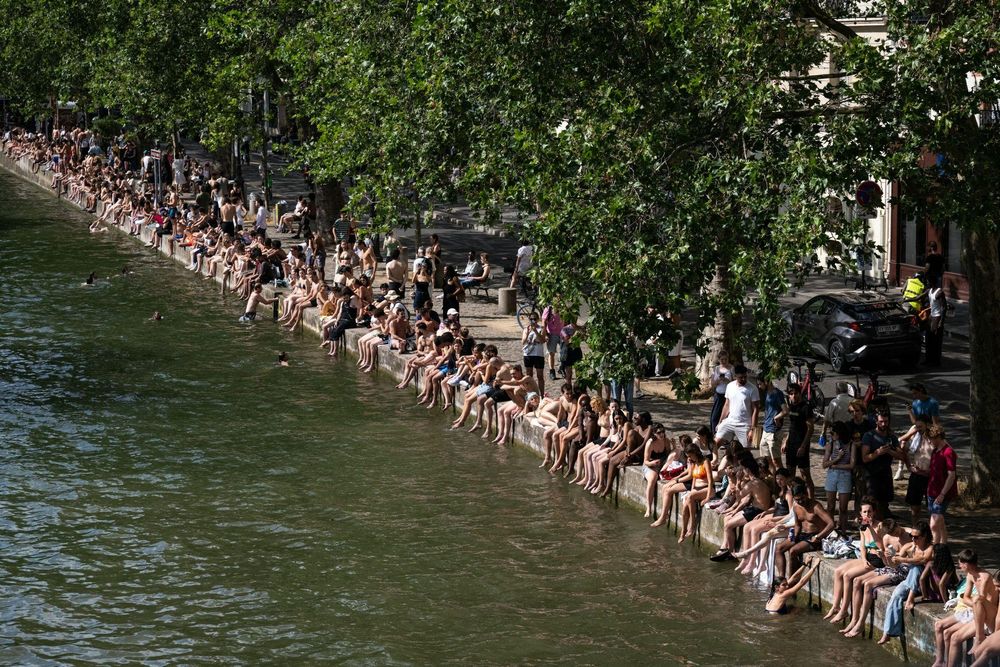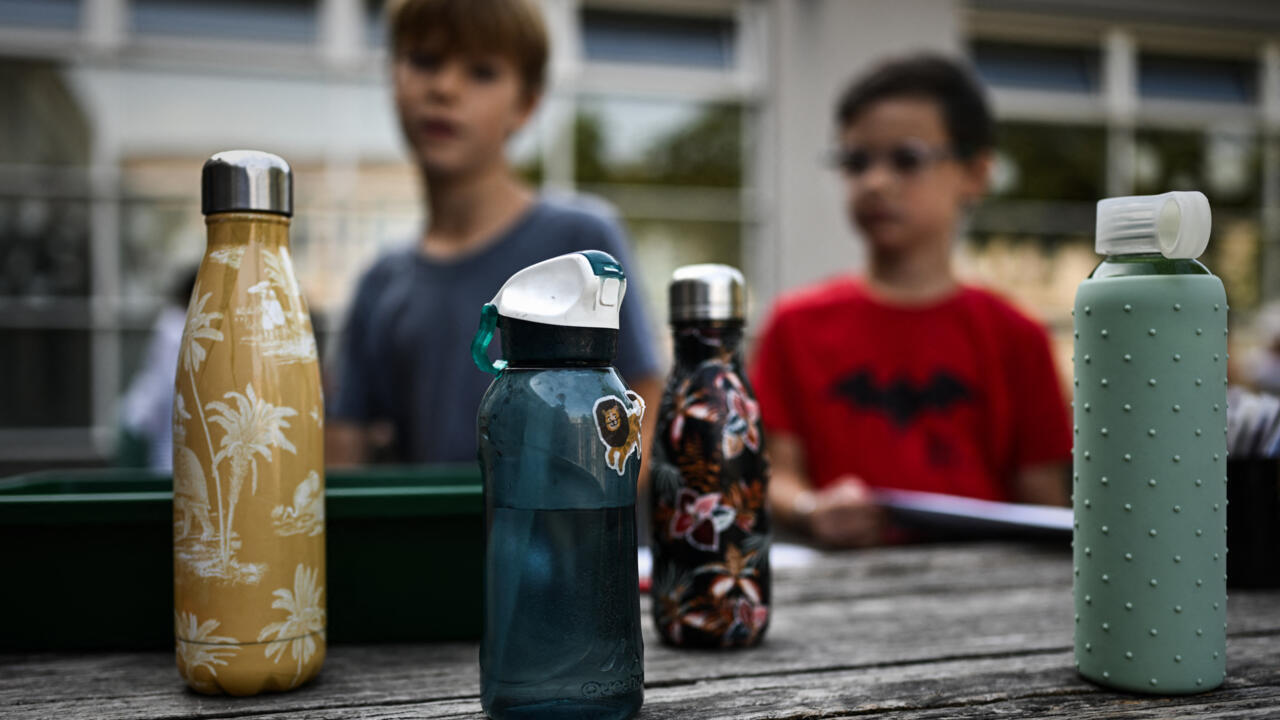
With high-level orange weather alert warnings in place across most of the country and the mercury set to hit 40C next week, many schools in France have announced changes to their regular hours to protect students from the heat. Among the measures taken are ending classes early and localised changes to end-of-year exam schedules, leaving students with yet another summer term disrupted by hot weather. So intense was the heat last year that nearly 2,000 schools made the decision to close their doors before the official start of the summer holidays. In 2019, multiple national brevet diploma exams sat by 14- and 15-year-olds were pushed back. As climate dysregulation makes heatwaves both more common and more intense in France, the argument for a permanent change to the academic calendar seems to be gaining steam, supported by examples in other southern European countries – such as Spain and Italy – which have already begun to adapt to Europe's increasingly hot weather. On the front lines of climate change Traditionally, schools in France have been spared the challenge of operating in extremely hot weather, as such temperatures have tended to hit during the July and August summer holidays. Meanwhile, in southern European countries such as Greece, Spain and Italy, students were more likely to experience “the highest number of hot days”, according to a 2026 report from the European Climate and Health Observatory. It found that around 16,000 schools – five percent of all schools in Europe – mostly located in the south were already experiencing days with maximum temperatures above 30C during the school year. Climate dysregulation is now changing this dynamic, making hotter temperatures more likely to occur earlier in the year and all over the continent. Since the 1980s, Europe has warmed twice as fast compared to the global average, with elevated temperatures during May and October, according to Europe’s Copernicus Institute. Read moreWhy is Europe heating up faster than the rest of the world? If the current trajectory continues, by 2050 the number of schools in Europe impacted by heatwaves with temperatures of over 30C will rise to around 31,500, or 9 percent, and then climb to 25 percent of all schools by 2100 – with France set to be on the front lines of the change.
New timetables, longer holidays: How can French schools adapt to heatwaves?
The start of a new heatwave in France has prompted multiple schools to announce changes to their opening hours from Thursday onwards. As climate change makes high temperatures an annual – and increasingly…
1,330 words~6 min read