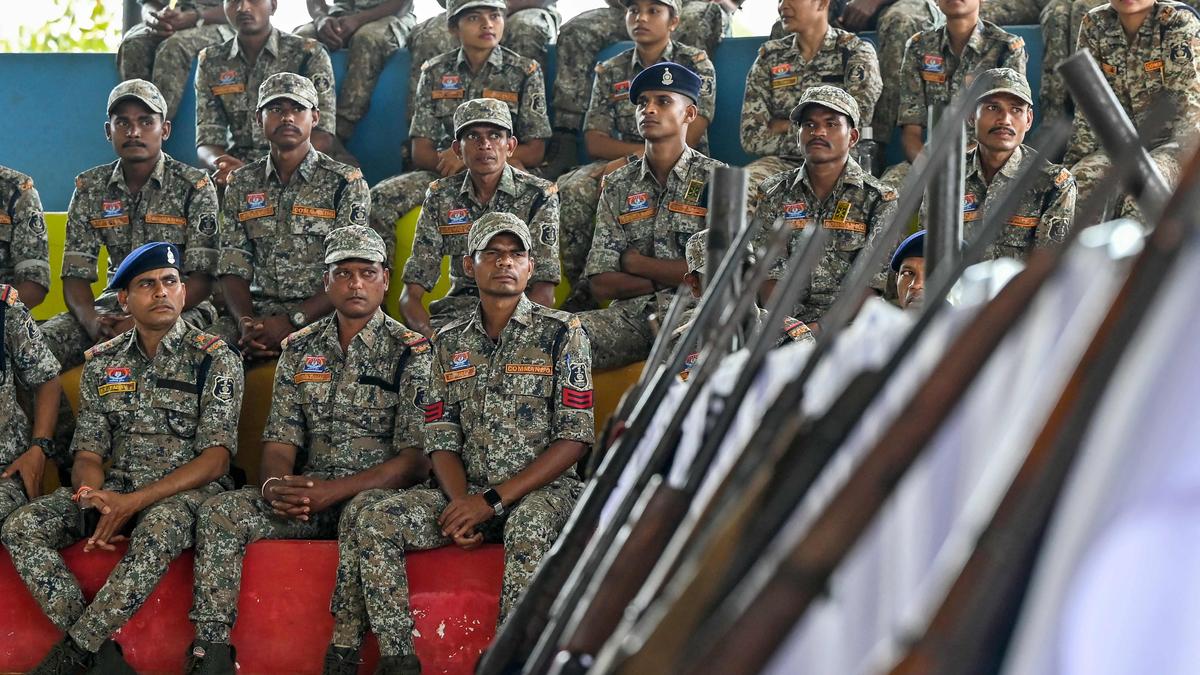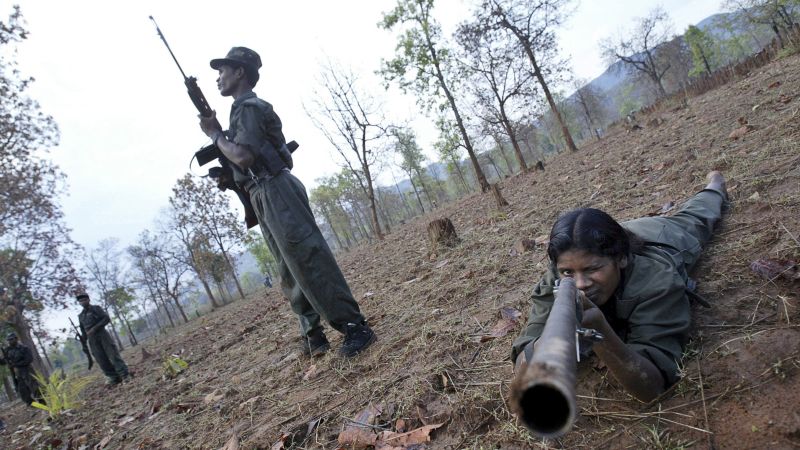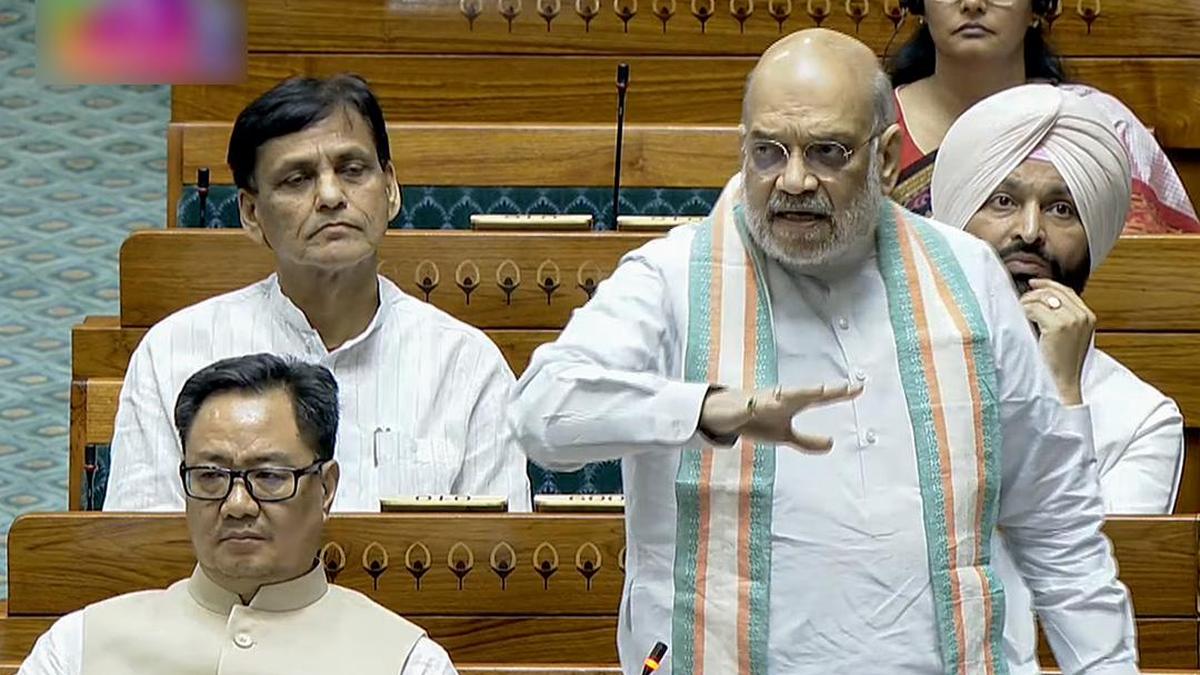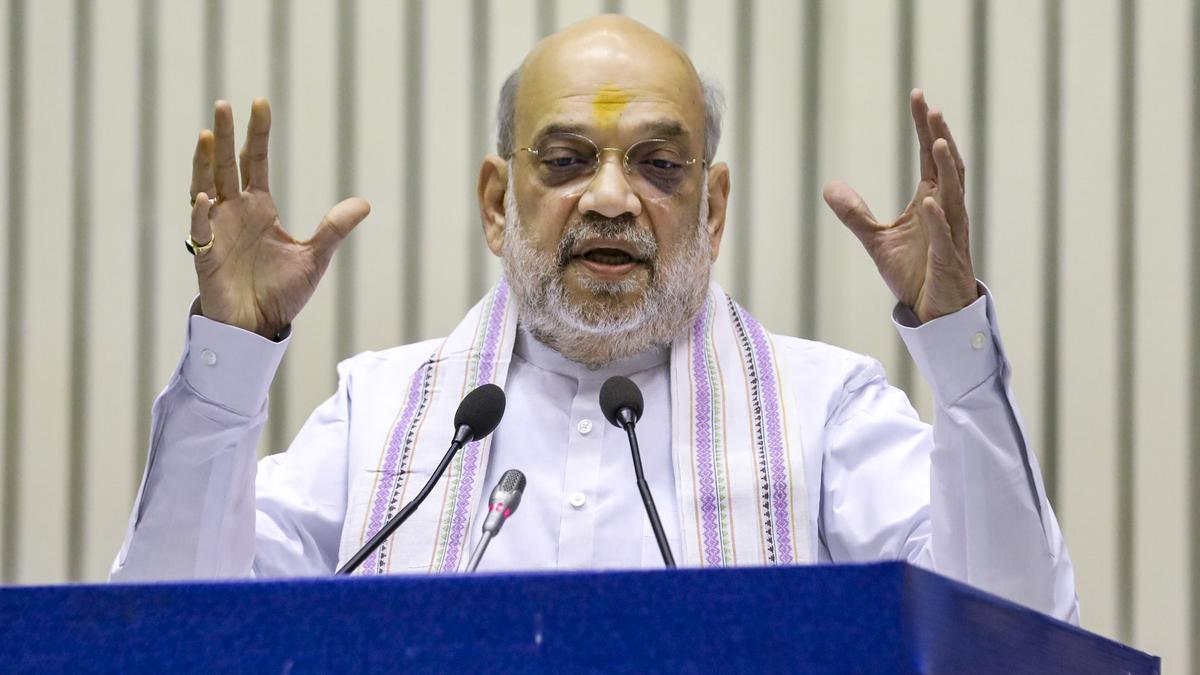
On May 21, 2025, Indian security forces killed Nambala Keshava Rao, known as Basavaraju. He was the general secretary of the banned Communist Party of India (Maoist) in the forests of Chhattisgarh. By November, his top military commander Madvi Hidma had also been eliminated. Union Home Minister Amit Shah on March 30, 2026 said in Parliament that India had achieved a nearly Naxal-free India. Long a political ambition, this is now a genuine operational reality.
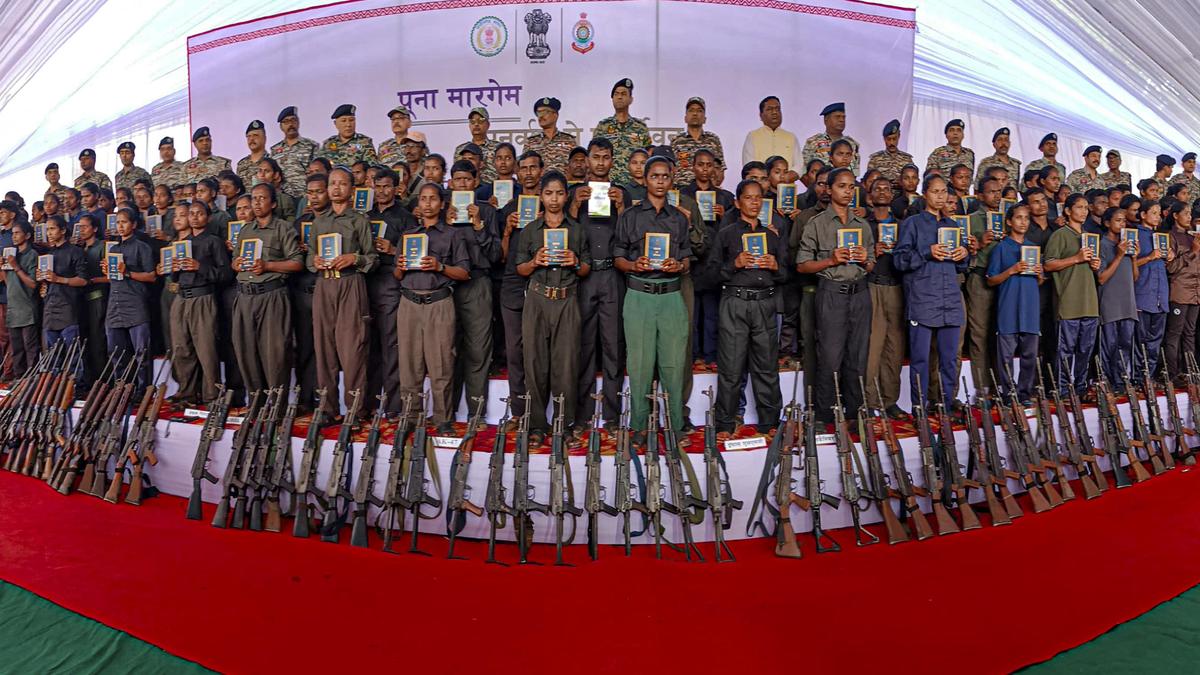
The numbers are striking. At its peak in 2011, the Maoist insurgency had touched 223 districts across 20 states. By April 2026, only two districts remained in the most affected category. According to Home Ministry figures, 706 Maoists were killed in encounters, 2,218 were arrested, and 4,839 surrendered between 2024 and 2026. This is a real achievement. It deserves to be recognized as such. Prime Minister Narendra Modi, in sharing Shah’s address on social media, added, “We will keep focusing on furthering good governance and ensuring peace and prosperity for all.”
Nonetheless, there is one question that India needs to address. Has it ended an insurgency or resolved the conditions that made one possible?
That discussion involves asking what actually produced this outcome. Why did the state succeed now and not earlier? Reading across the recent ORF Special Report “Left-Wing Extremism, its Rise and Fall, and India’s Future Imperatives,” there are four competing explanations that emerge.