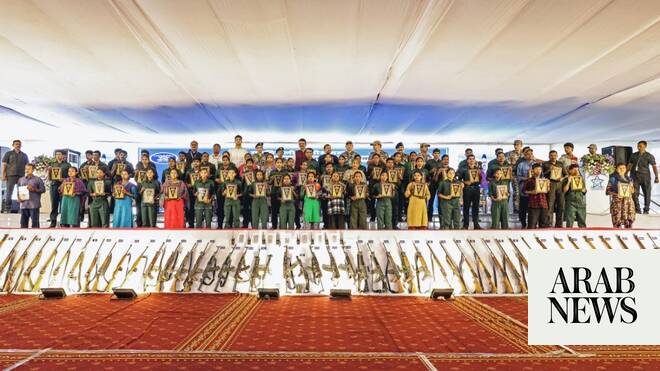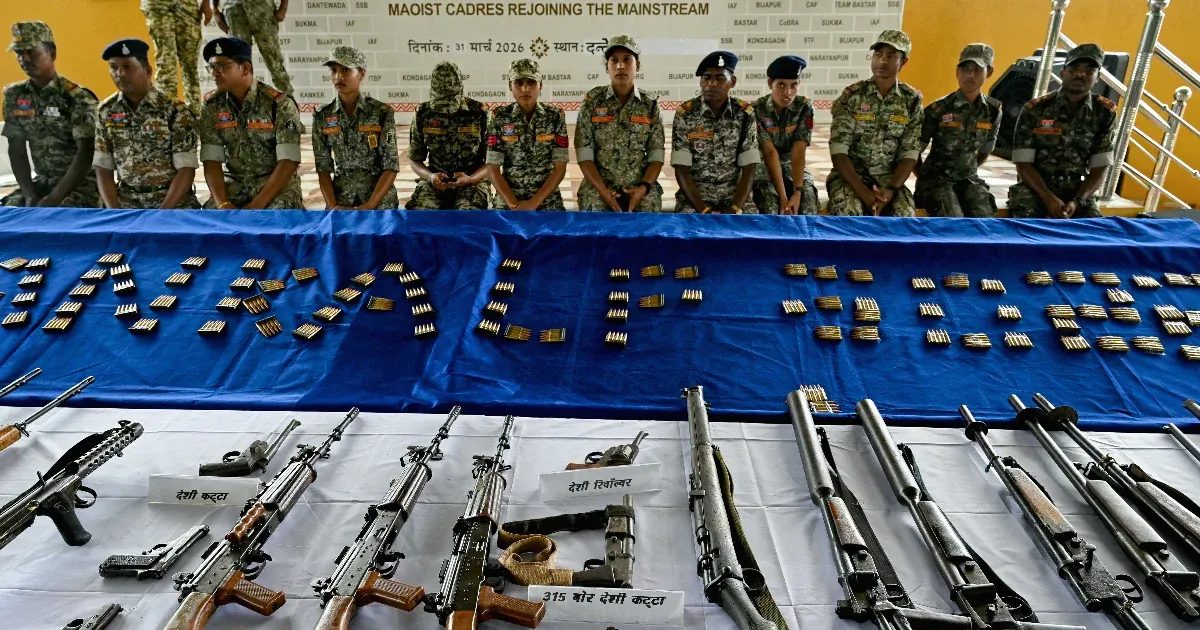
Outgunned, outnumbered and on borrowed time, Papa Rao emerged from the jungle of central India wearing a faded checkered shirt, dusty trousers and scuffed sports shoes. He had a rifle slung over his shoulder and a $26,000 bounty on his head.
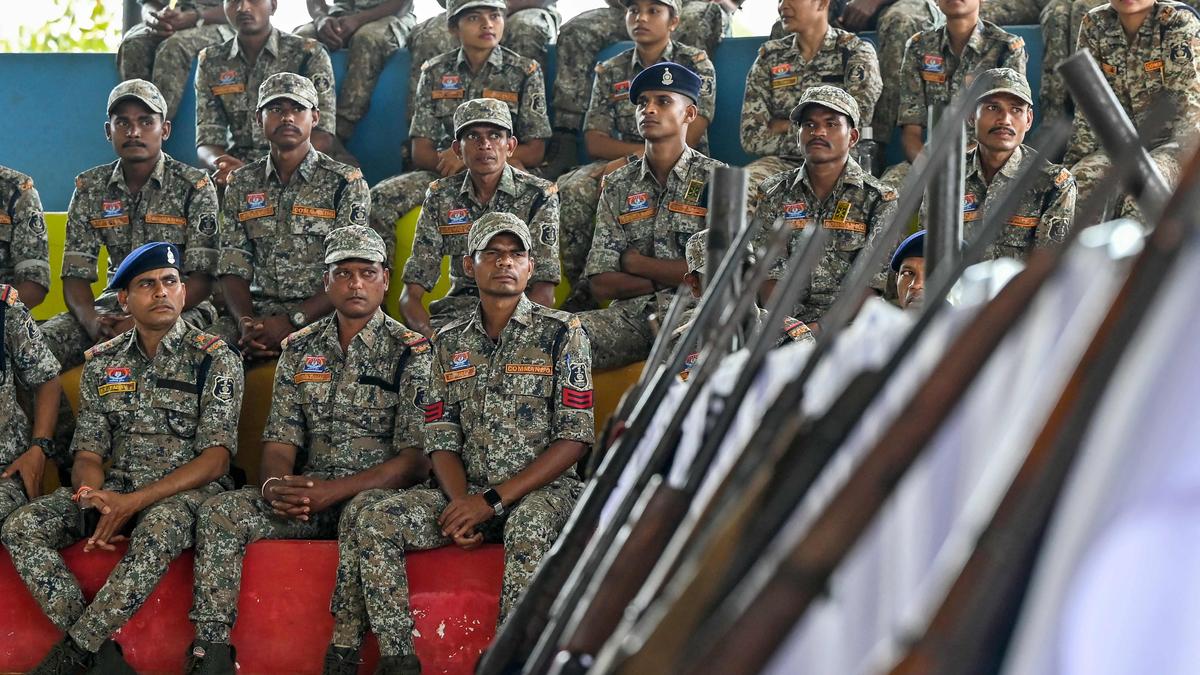
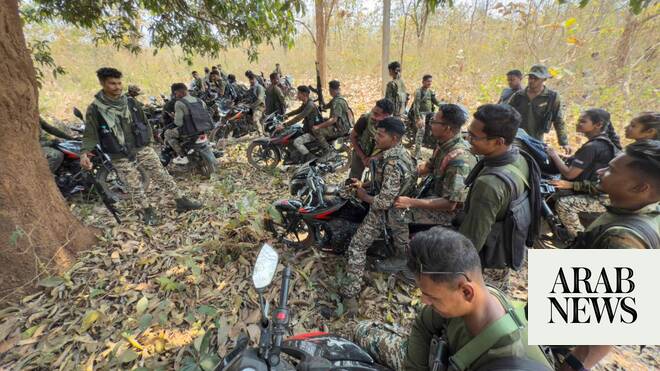
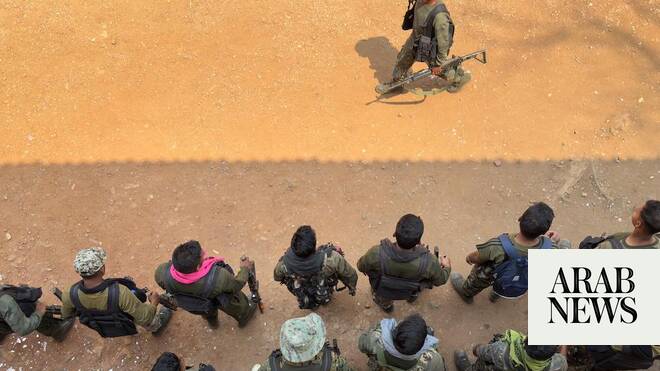
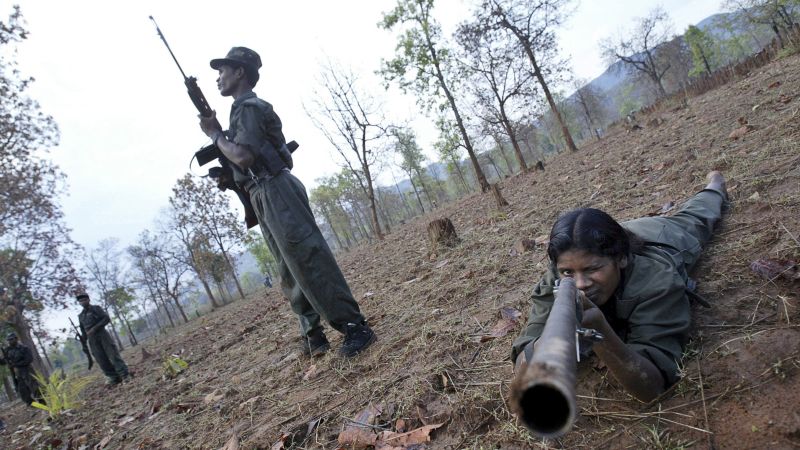
Behind him, in single file, trailed a troop of men and women carrying decades-old L1A1 and Lee-Enfield rifles. In sandals, and carrying Puma-branded sports backpacks, this group were some of the world’s last Maoist rebels, heirs to a global revolutionary movement that fought capitalism for control of the 20th century. They were on their way to surrender.
Fired by the teachings of China’s Mao Zedong, they had spent decades battling to overthrow the Indian state, and install in its stead a classless utopia. The rebellion they helped wage killed thousands. At its height nearly 20 years ago, India’s leader described the Maoists as the country’s biggest internal security threat, a blight on its status as the world’s largest democracy and its aspirations of becoming a global power.
Now the revolution is in its death throes.
Video Ad Feedback