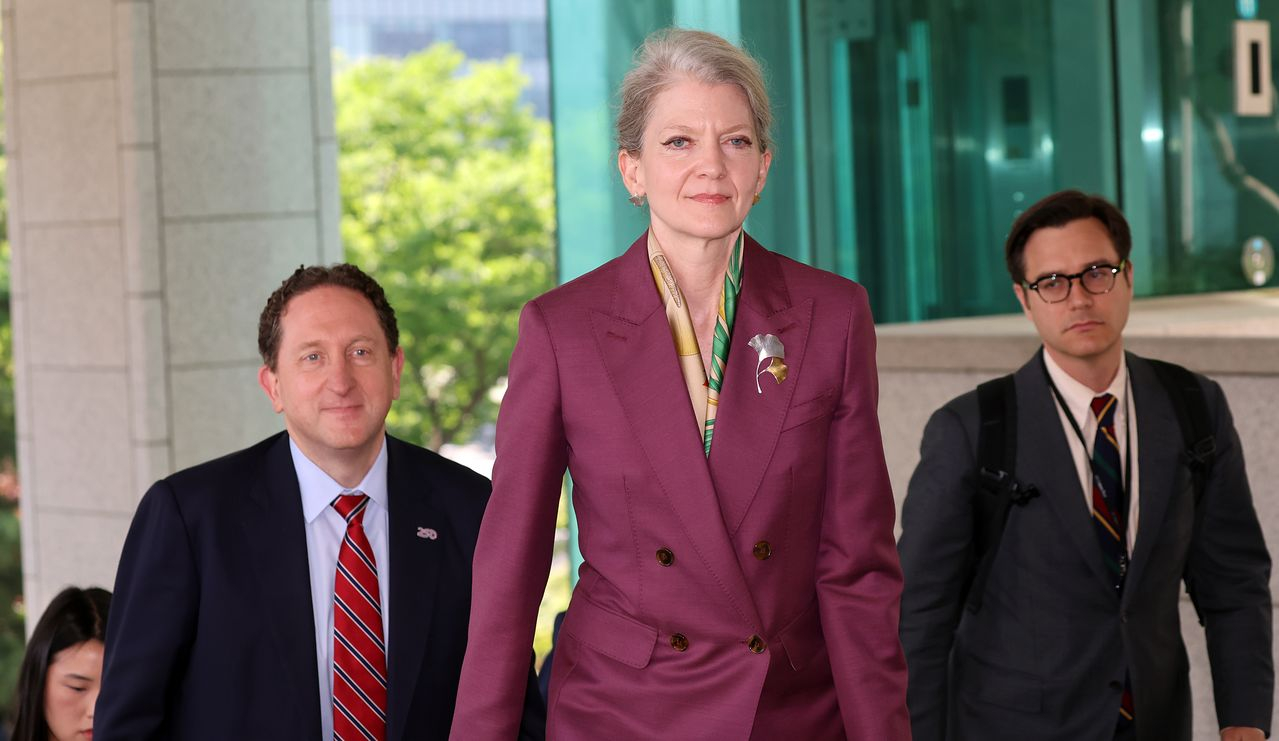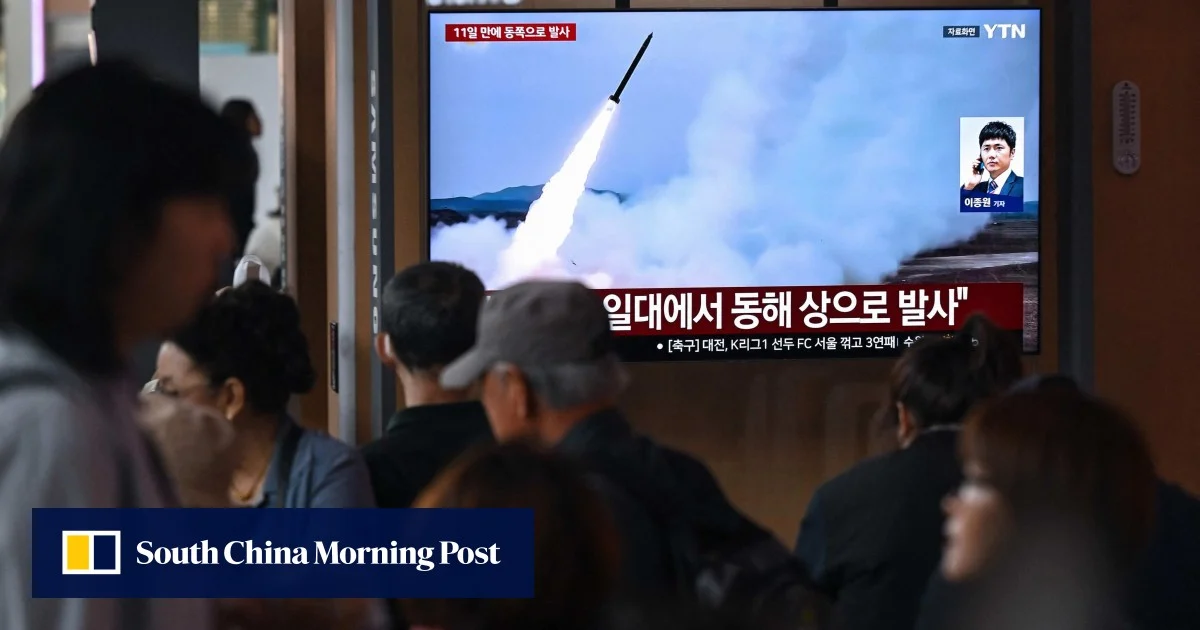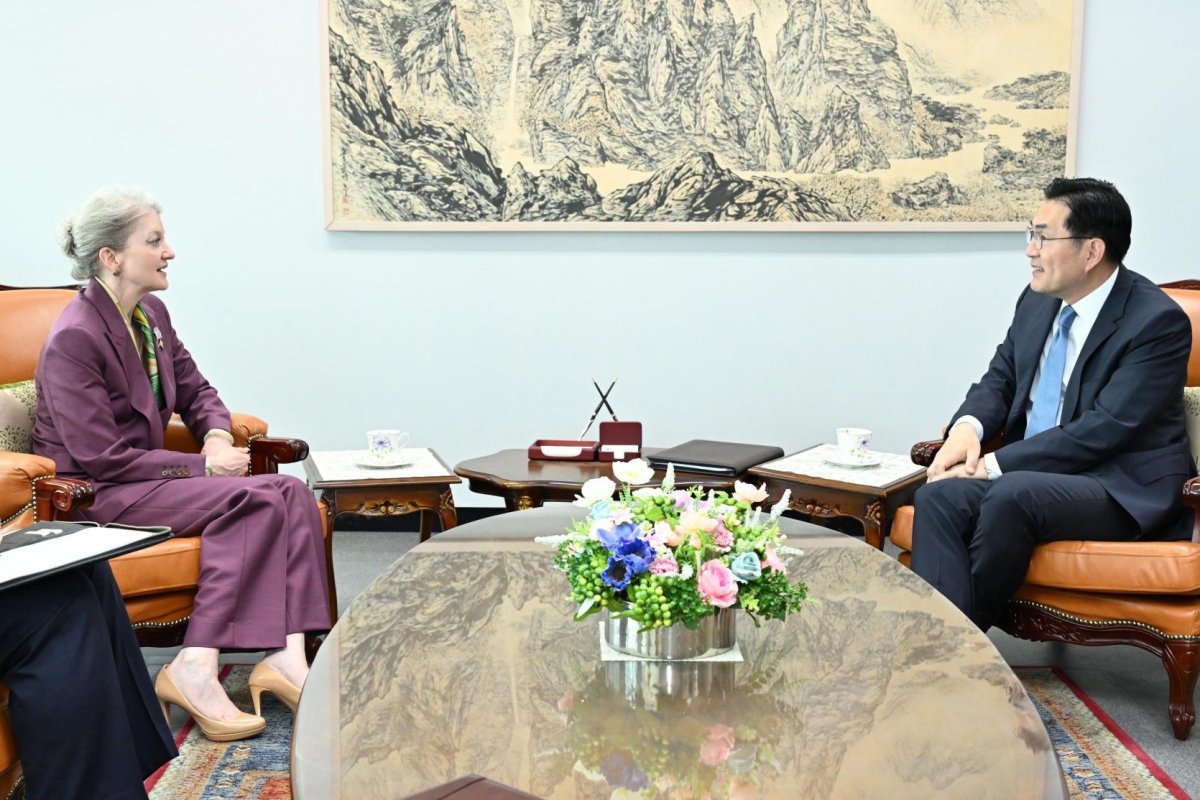
In the first week of June, two seemingly unrelated events took place in Seoul. On June 3, U.S. and South Korean officials met to discuss the implementation of South Korea’s civilian reprocessing and enrichment program. The same evening, Seoul’s conservative mayor Oh Se-hoon was re-elected. Coincidental though they may be, the events should serve as a reminder that South Korea’s nuclear and political futures are tightly intertwined.
South Korea’s Nuclear Future
In September 2025, the United States broke with a long-term policy practice and expressed support for South Korea’s ambitions to acquire uranium enrichment and reprocessing, intended to secure Seoul’s supply of nuclear fuel, and improve its management of spent fuel.
The announcement came as a big surprise. Ever since the United States uncovered South Korea’s secret nuclear weapons program in the 1970s, it had blocked Seoul from acquiring these technologies because they can also be used in nuclear weapons production. In April 2025, only a few months before the surprising announcement, the U.S. Department of Energy had designated South Korea a “sensitive country,” a designation usually reserved for nuclear proliferators like Syria, Iran, and North Korea. Ostensibly, the designation was the result of a South Korean national’s involvement in industrial espionage against U.S. companies. But members of the progressive Democratic Party (DP), in political opposition at the time, were quick to attribute it to the past few years of mostly conservative politicians calling for Seoul to acquire nuclear weapons.