Published Jun 19, 2026, 11:01 AM EDT
The case, which will be heard next SCOTUS term, stems from an Army veteran's experiences.
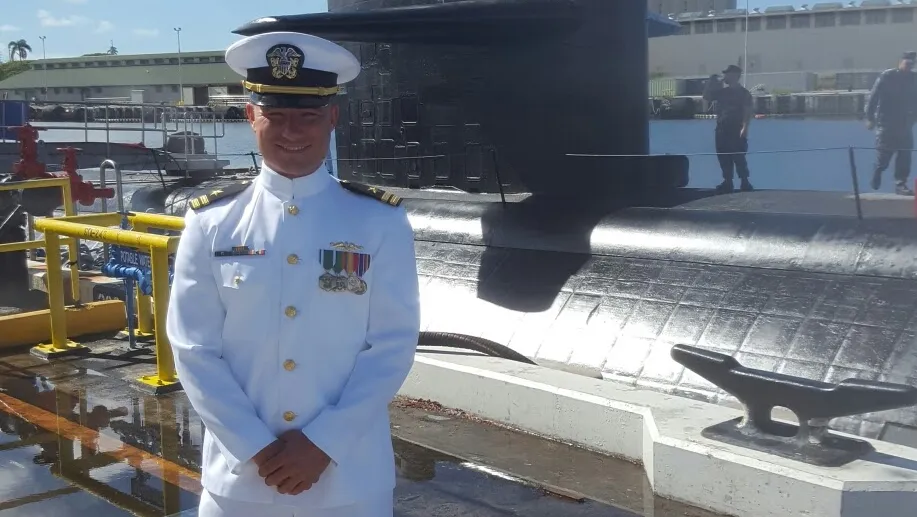
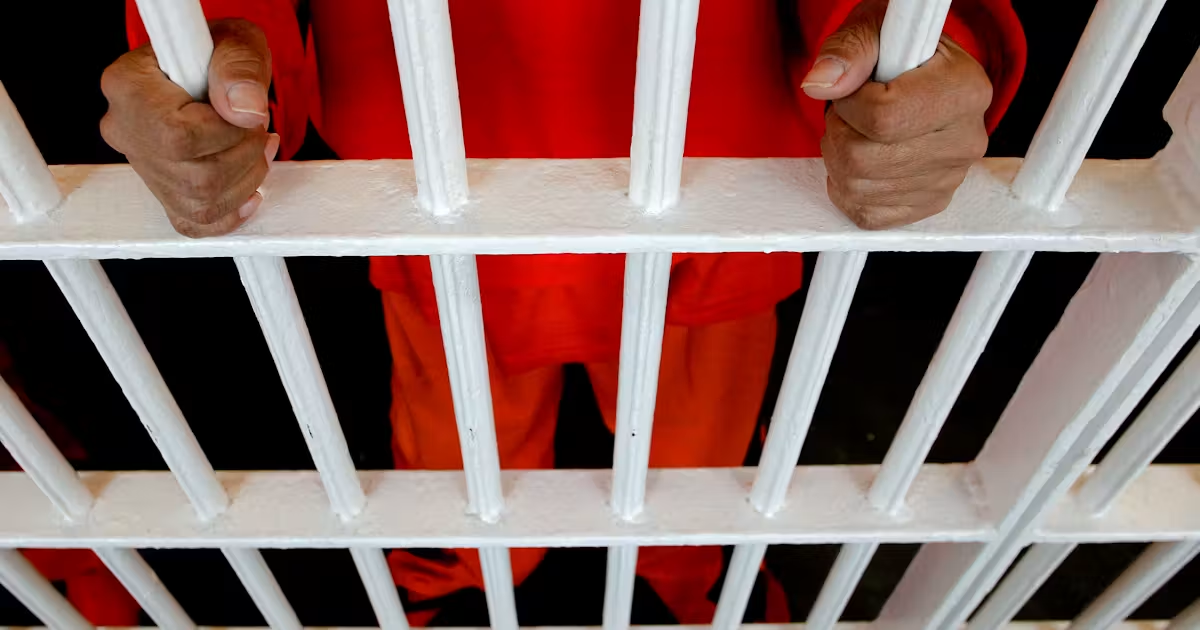
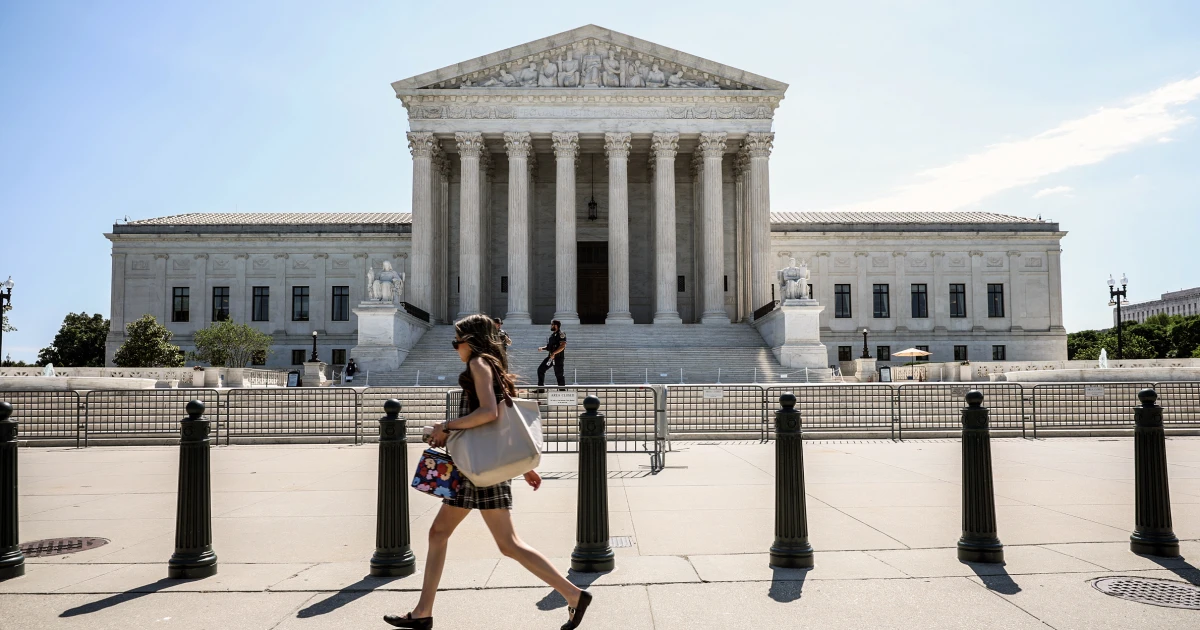
A case slated to be deliberated next term by the U.S. Supreme Court will shed new light and legalities on whether military veterans can bypass the Department of Veterans Affairs (VA) when filing legal challenges for benefits. At the center of the case, Johnson v. United States Congress, is Floyd Johnson, a U.S. Army veteran who served honorably from 1983 to 1985 before a deadly training exercise in Germany left him with lasting trauma in the form of post-traumatic stress disorder (PTSD). Decades later, after the VA determined that his service-connected PTSD warranted an 80% disability rating, federal law reduced his benefits to the equivalent of a 10% rating for the sole reason that he was incarcerated. On June 12, the Pacific Legal Foundation (PLF) filed a 36-page amicus brief for the case on the grounds of whether federal district courts retain jurisdiction over constitutional challenges to veterans benefits statutes. PLF legal counsel and Johnson believe that justification lacks in not providing a veteran—especially one with severe PTSD—with a high disability ranking simply because the veteran is in prison. "With any sort of case, depending on how narrow or how broadly the Court writes the opinion, it can have far-reaching consequences for other claims," PLF attorney Spencer Davenport told Military.com. "Why PLF became involved in the case is because we've been involved in cases involving access to courts and the constitutional limits on agencies across the country, and so we viewed this case as presenting an important question about when people may seek judicial overview of constitutional claims and whether Congress has clearly displaced the typical judicial review scheme," he added. A VA spokesperson told Military.com that the department does not comment on pending litigation.