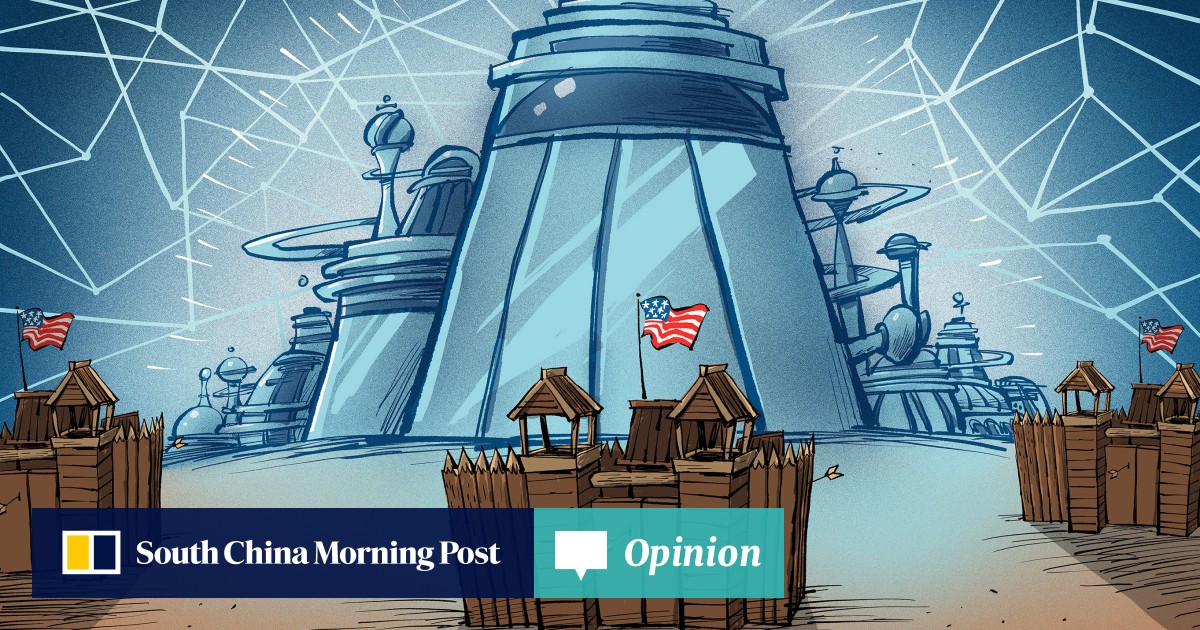
When the Pentagon designated Tencent as a Chinese military company in early 2025, the response in Silicon Valley was a collective shrug. Tencent’s stakes in American gaming firms had been public for years. The Justice Department forced Tencent to give up two board seats at Epic Games and its director appointment rights. The conversation focused on Fortnite, but that was the wrong conversation. The same designation that produced headlines about a video game company says nothing about where Tencent’s money actually sits in the U.S. economy. It sits quietly as an undisclosed limited partner in American venture capital funds whose portfolio companies hold sensitive contracts with the Department of War, NASA, and other federal agencies. So does state-linked capital from other adversaries. The Pentagon is buying from these companies today, and none of it appears in any public filing.For the past decade, American venture capital has been the back door through which foreign capital, including state-linked capital from countries that compete strategically with the United States, has entered the most sensitive parts of America’s deep-tech economy. The mechanism is mundane and legal. Limited-partner disclosure in U.S. private funds is voluntary. Blocker LLCs and Alternative Investment Vehicles were originally designed to shield foreign pension funds from U.S. tax filings. They now serve a second purpose. They keep the identities of foreign LPs invisible to the U.S. companies receiving the capital, the taxpayers whose grants seeded the research, and the regulators charged with protecting national security.
Made in America, funded by China: The capital backdoor into US national security
China's quiet capture of America's venture capital ecosystem is happening before our eyes. The capital is here, and the structures that hide it are legal.
TL;DRAI
Chinese state entities sit as undisclosed limited partners in U.S. venture funds backing Pentagon contractors, exploiting voluntary disclosure rules. Managers must audit VC-backed federal vendors for hidden foreign leverage and demand transparency or de-risk critical infrastructure.
794 words~4 min read