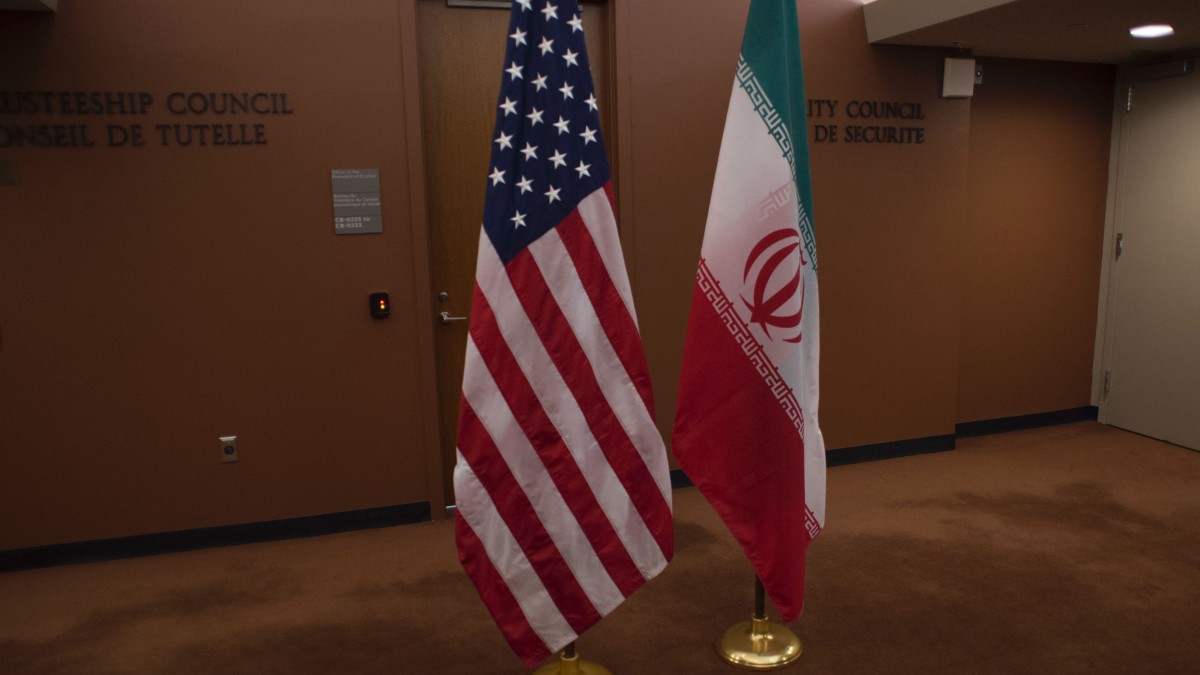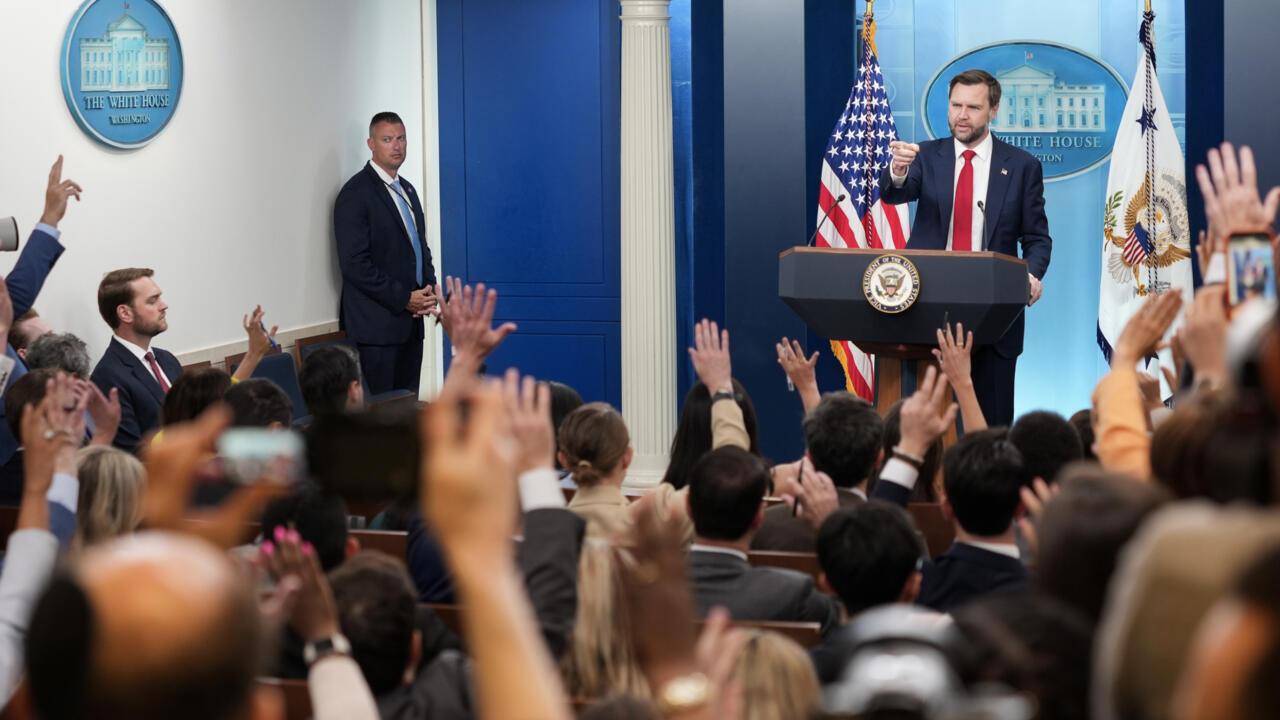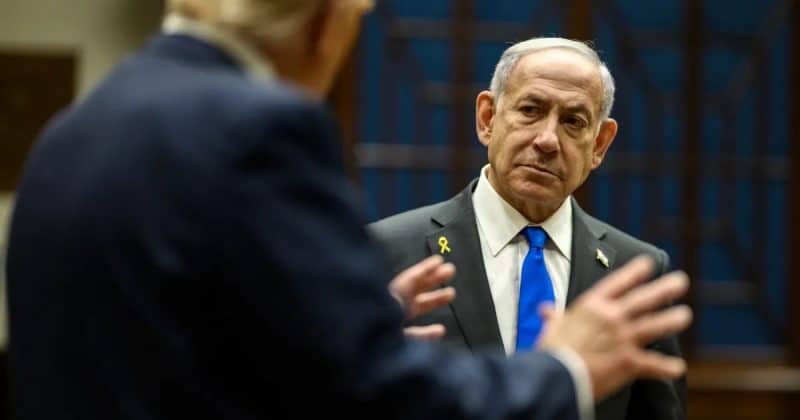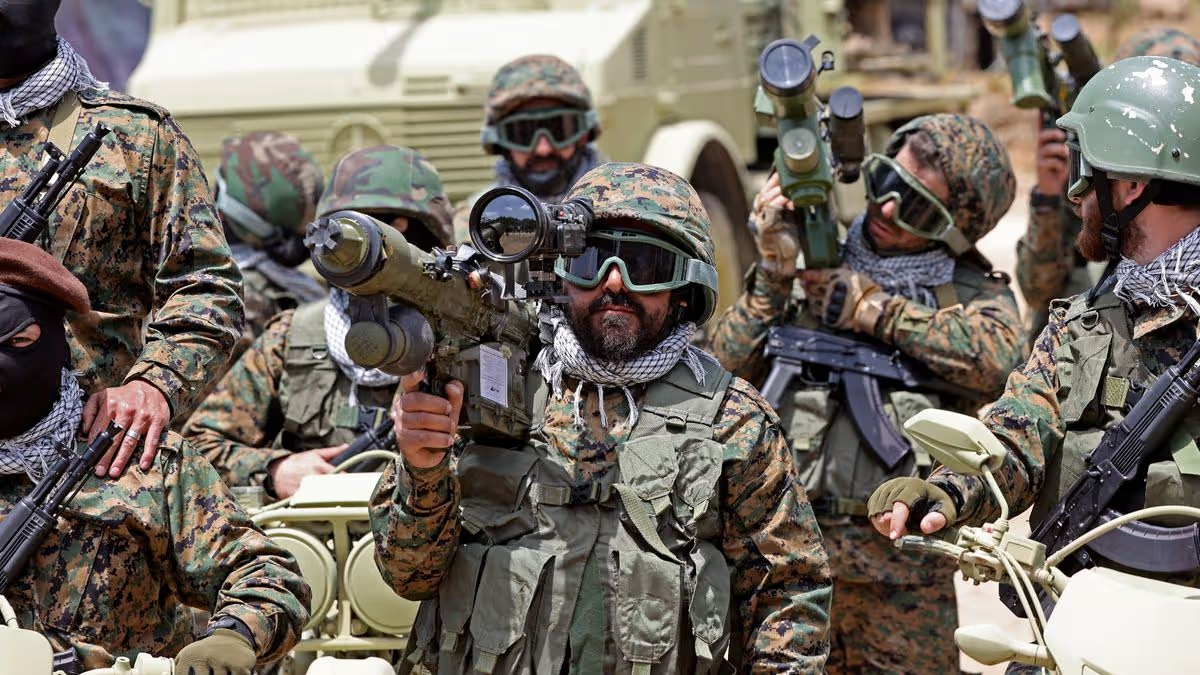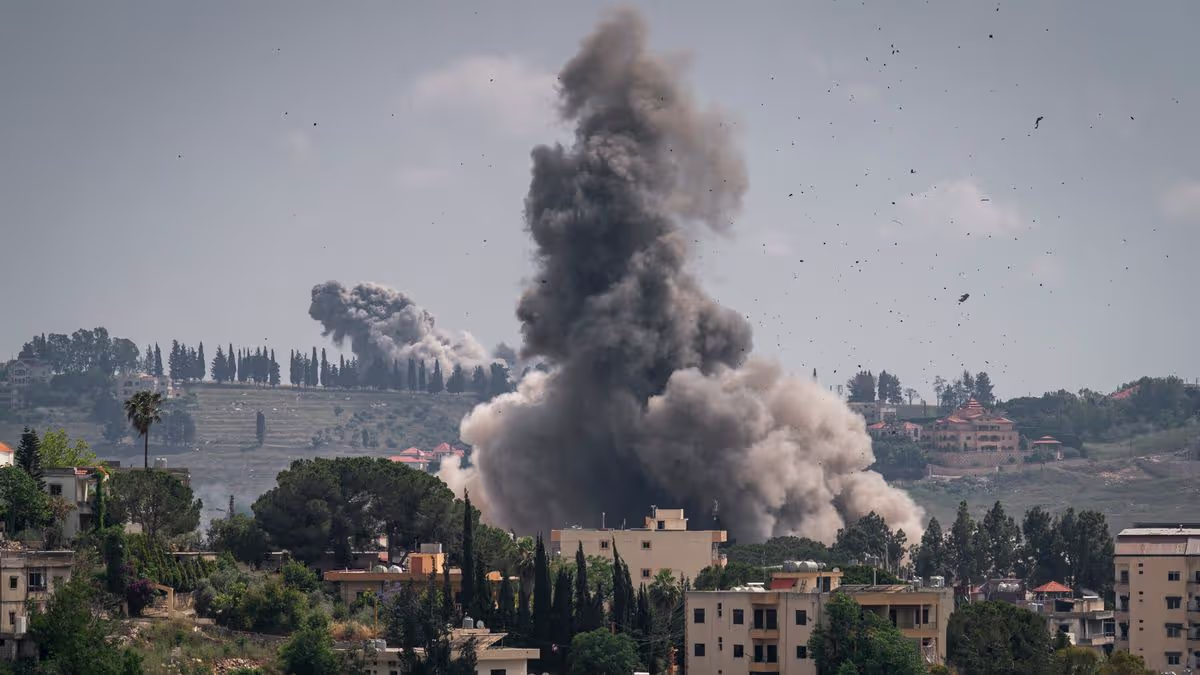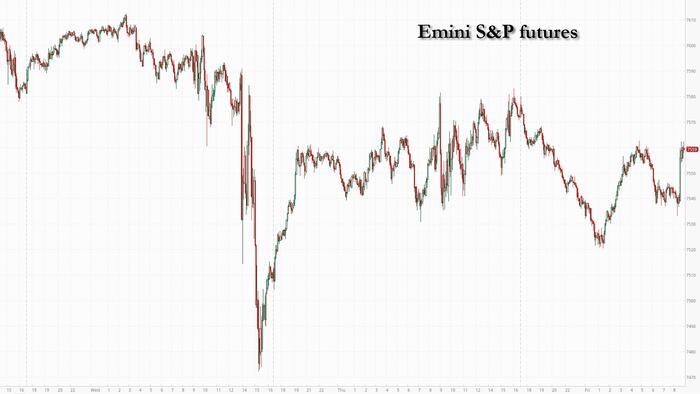
Update: the Yo-Yo insanity that is the on again, off again Iran war. Moments after we reported that futures and global risk assets had sold off overnight on a delay to today's start of peace talks in Switzerland due to Iran's protest of ongoing violence in Lebanon, moments ago Reuters reported that Israel and Hezbollah have agreed to a ceasefire set to begin at 4 p.m. local time on Friday, citing a senior US official “Hezbollah and Israel have agreed to a ceasefire,” the official said on background, adding that negotiators for the U.S. and Qataris worked out the deal with help from Iran. “We understand that after the exchange of fire earlier today, Israel and Hezbollah are now in a ceasefire.”The report was confirmed by an Israeli official speaking to the Jerusalem Post: "We have entered a ceasefire. We will continue to act against threats and will remain in the Strip. If Hezbollah harms our soldiers or civilians, we will respond forcefully".In kneejerk reaction, S&P futures which were down 0.4% erased half their losses...... while oil dropped from session highs.And now we wait the inevitable next reversal of this neverending newsflow yoyo.* * * Earlier: With US markets closed for the Juneteenth holiday, global stocks are ending a strong week on a cautious note as the recent relief over an interim peace deal between the US and Iran gave way to a focus on the challenges of securing a lasting agreement. As of 8:30am, S&P 500 futures slid 0.4% after the benchmark posted its best week since the end of May (despite the drop, the S&P is still up on the week, and up 11 of the past 12). Europe’s Stoxx 600 was little changed, while Asian stocks retreated 0.4% from an all-time high. Markets in China, Hong Kong and Taiwan were shut as well.Brent crude rebounded from the lowest price since the start of the war, and fluctuated near $80 a barrel as traffic through the Strait of Hormuz appeared to thin on Friday, just a day after a pledge by the US and Iran to lift a dual blockage prompted a burst in oil flows.Precious metals, which had already dropped ahead of the overnight escalation, extended losses with gold dropping to the mid-$4100s.Talks on a permanent deal between Washington and Tehran that were meant to be held in Switzerland on Friday have been delayed, after Israel and Iran-backed Hezbollah militants clashed overnight in Lebanon, a development the Financial Times reported was behind the postponement. Iran has made a truce in Lebanon a condition of its preliminary deal with the US. At the same time, the White House announced late on Thursday that Vance would not be traveling to the talks and said the logistics had not been "simple or predictable".The latest snafu comes a day after the US dropped its naval blockade of Iran after the two countries signed a deal aimed at ending the conflict.“Of course, with Trump there can always be some derailment along the way, but we believe that we’re set into a new phase of de-escalation,” said Alexandre Drabowicz at Indosuez Wealth Management. “There are 60 planned days of negotiations,” he said, advising investors not to rush to conclusions about a permanent deal.Meanwhile in the UK, gilts led a rise in European bond yields after Greater Manchester Mayor Andy Burnham won a seat in Parliament, handing him a pathway to challenge Prime Minister Keir Starmer for his job. Investors are debating whether a Burnham premiership might shift to a looser fiscal policy (spoiler alert: yes).In rates, the pound outperformed most major currencies, while the dollar held at its highest level since March. Bitcoin fell for a fourth consecutive day. Despite today's hiccup, global markets are wrapped in a debt-funded AI euphoria: stocks are closing a pivotal week marked by the US-Iran interim deal, Fed Chair Kevin Warsh’s first policy meeting and the early days of SpaceX as a public company. Stocks have shown unprecedented resilience, buoyed by the frenzy around artificial intelligence and the billions of debt dollars funding it on the assumption that cheaper Chinese alternatives will not be able to dethrone expensive, token-sucking US incumbents.Strategists surveyed by Bloomberg have raised their S&P 500 year-end targets from a month ago as Iran war disruptions eased and the earnings outlook improved. The average target climbed to 7,716 from 7,612 in May. That’s almost 3% higher than the last close and implies a near 13% gain for the year. Earnings estimates also increased for this year and next.“Markets seem to be entering a rare couple of weeks with no major catalysts ahead,” said Roberto Scholtes, head of strategy at Singular Bank. “Hopefully, this is a chance to take a breather after a hectic year, and possibly also a period of sector rotation.”
Futures Rebound, Oil Slides, After Israel And Hezbollah Agree To Ceasefire
"We have entered a ceasefire. We will continue to act against threats and will remain in the Strip. If Hezbollah harms our soldiers or civilians, we will respond forcefully".
798 words~4 min read