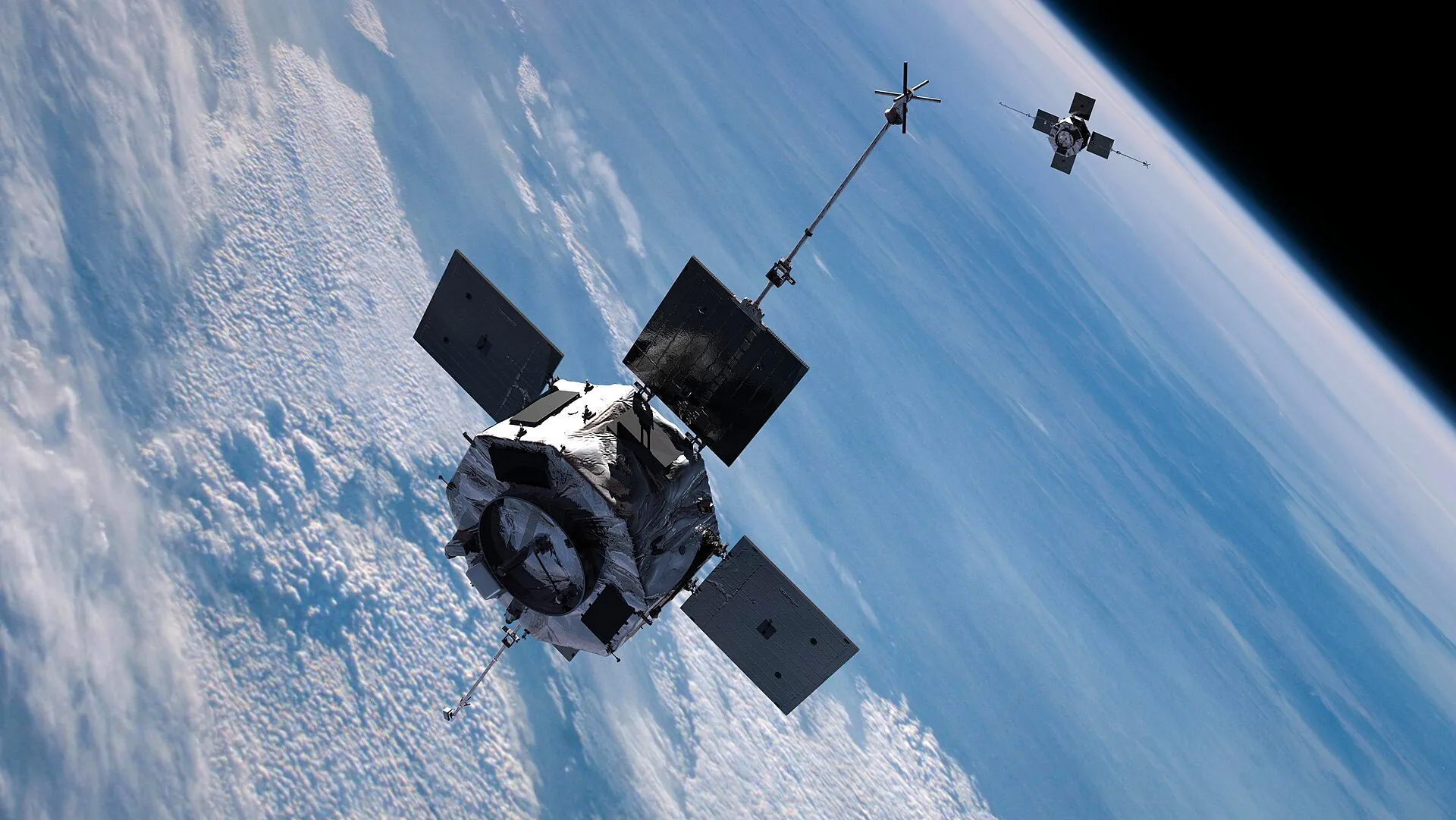
To some, space is the final frontier. But the reality is that once you leave Earth’s atmosphere, you’re not entering a single, uniform void. There are several frontiers up there — distinct orbital zones — and each throws a very different set of problems at us. What works perfectly in one orbit might fail completely in another.
As the space industry accelerates toward a fast-growing multi-orbit economy in 2026, we’re bringing our low Earth orbit (LEO) habits with us. LEO hardware is fantastic for what it does. It’s characterized by high-volume manufacturing and cost-effective components, including limited radiation shielding.
But dragging LEO technology into medium Earth orbit (MEO), a harsher zone sitting between 2,000 and 36,000 kilometers above us, is creating a massive MEO durability crisis. MEO demands another level of environmental protection and adaptation that standard commercial-off-the-shelf electronics and other components simply aren’t capable of.
While the vulnerability of these electronics is well-documented, it’s really just the blinking “check engine” light of a much deeper, systemic issue. Beneath the avionics and shiny solar arrays lies a massive, under-discussed materials science crisis. We are essentially trying to build a more permanent orbital infrastructure using materials designed for short-term use. If we don’t radically rethink our approach to material durability — specifically regarding the structural composites that form the backbone of modern orbital vehicles — our grand cislunar architecture will physically degrade before it can mature.