Volkswagen Taigun
| Photo Credit:
Anubhav Sharma
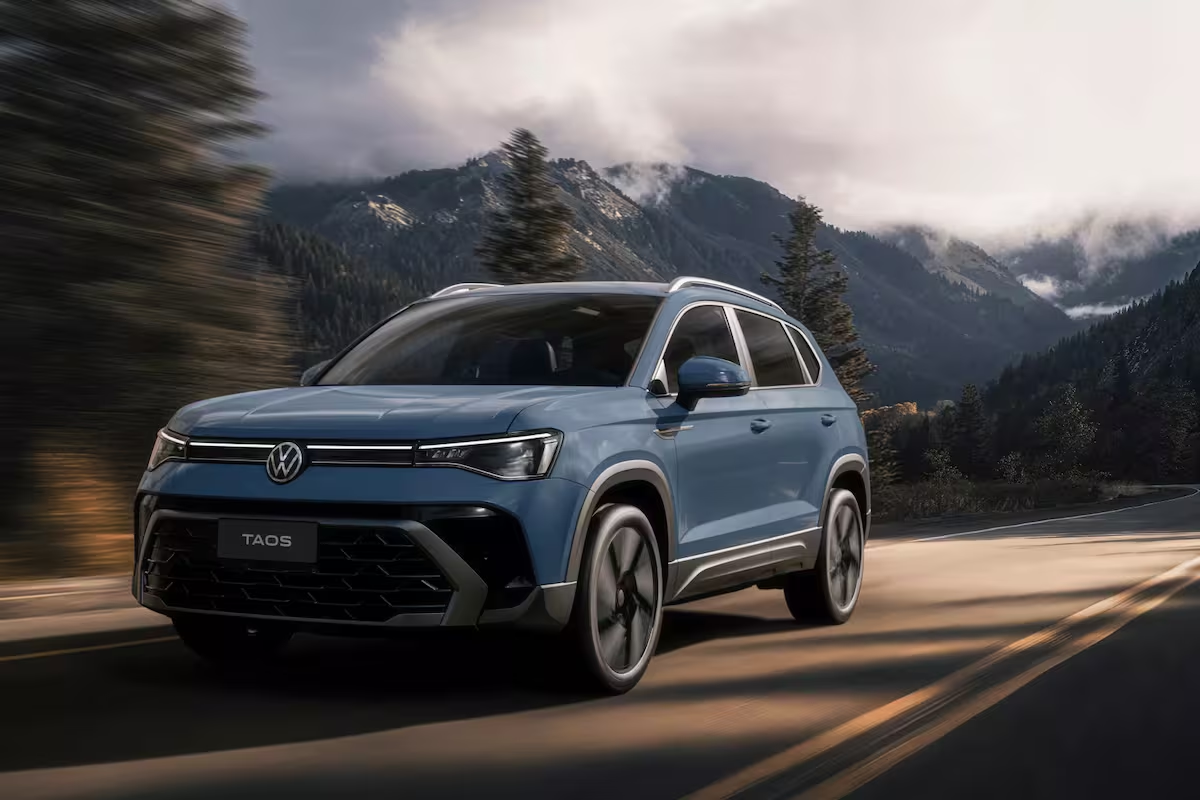
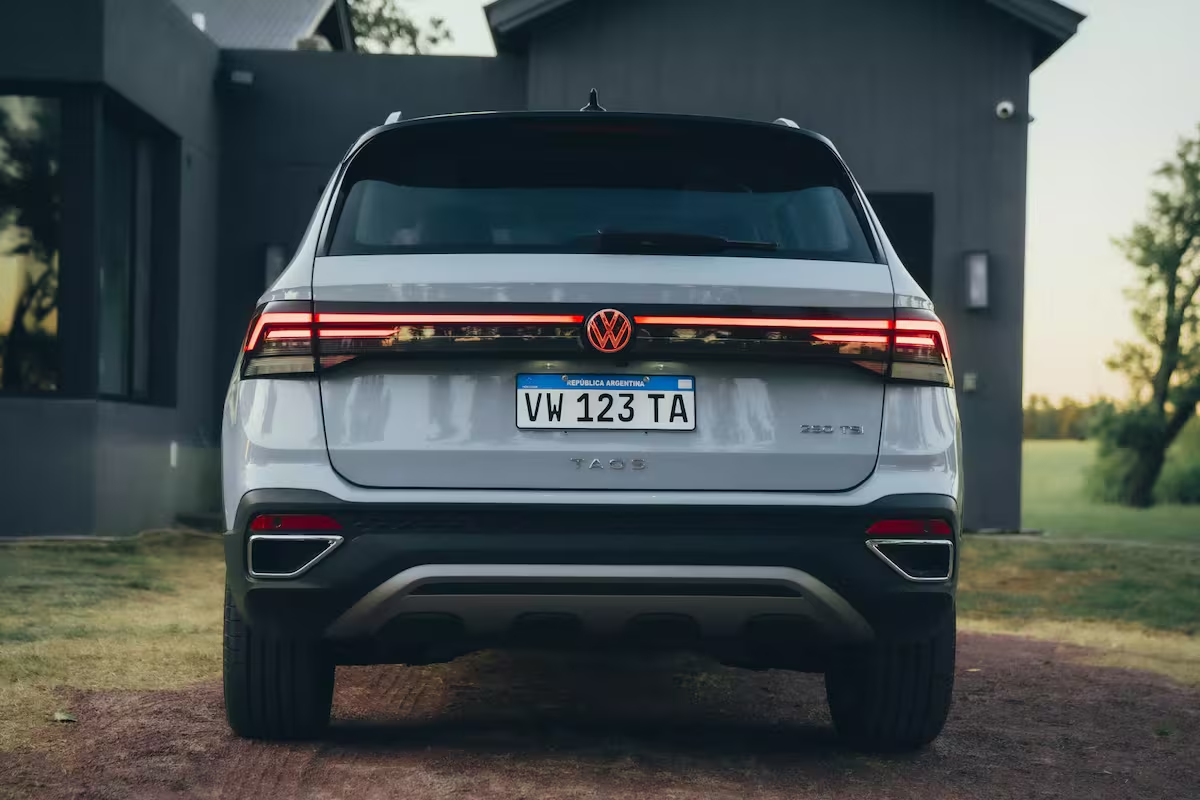
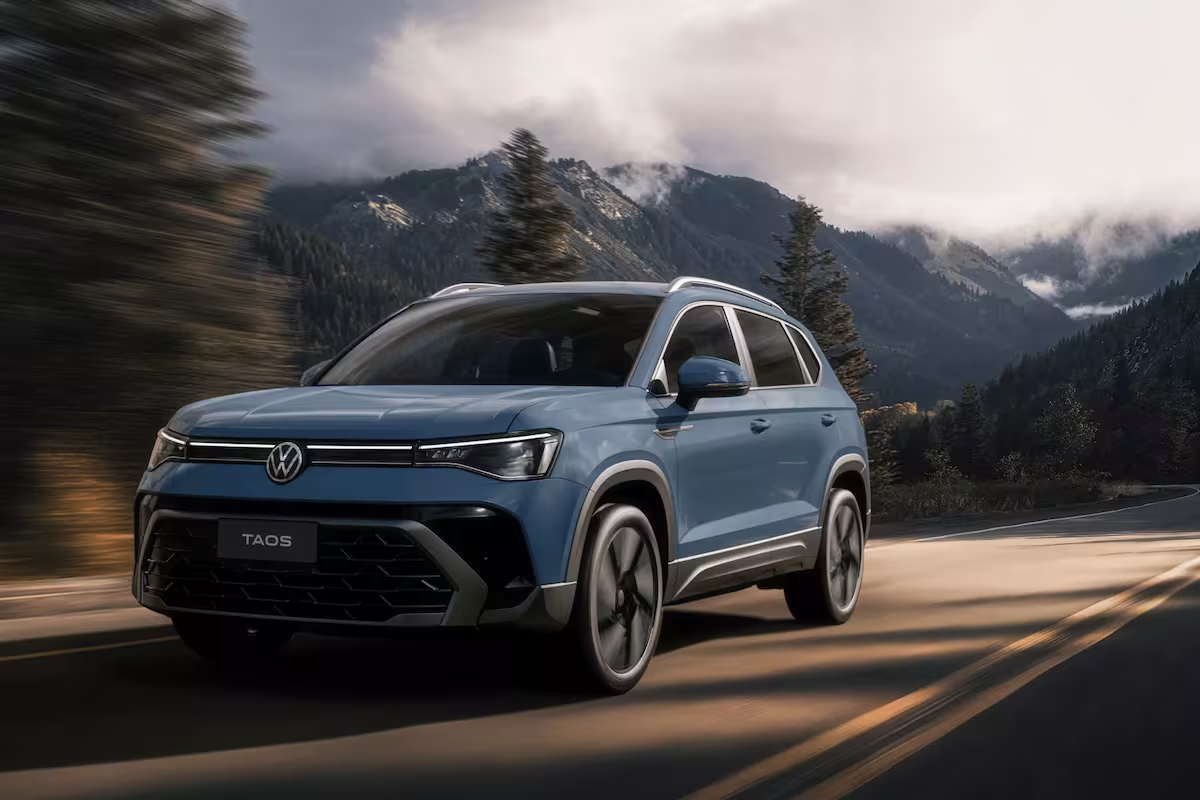
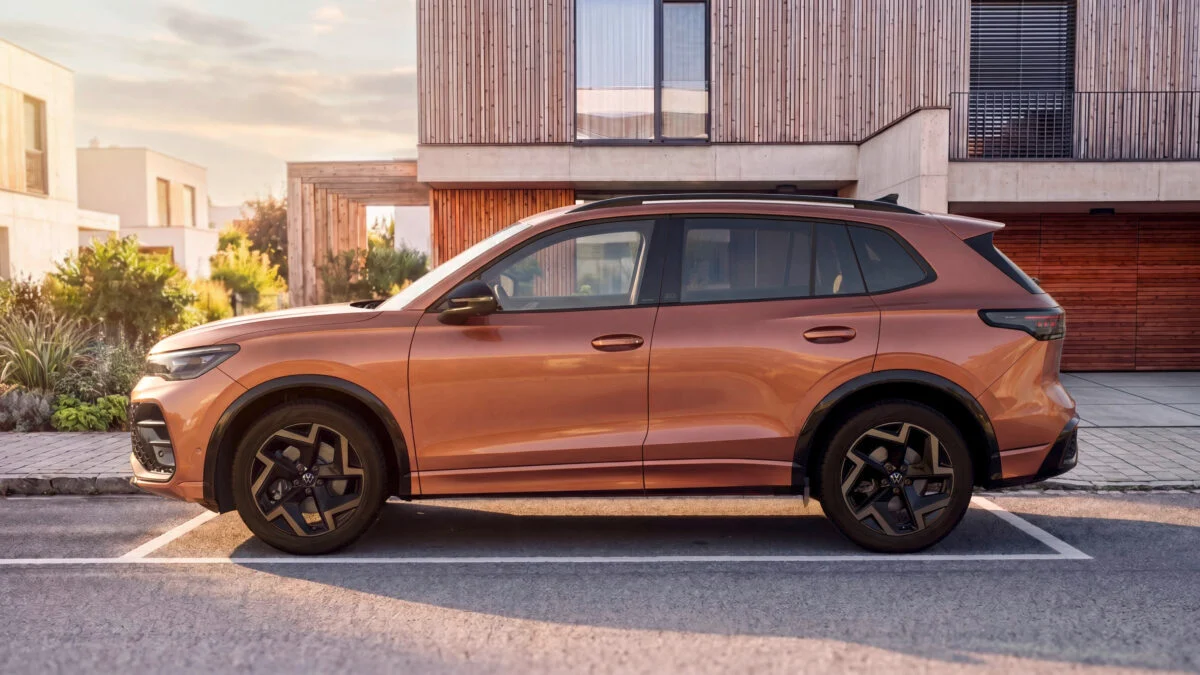
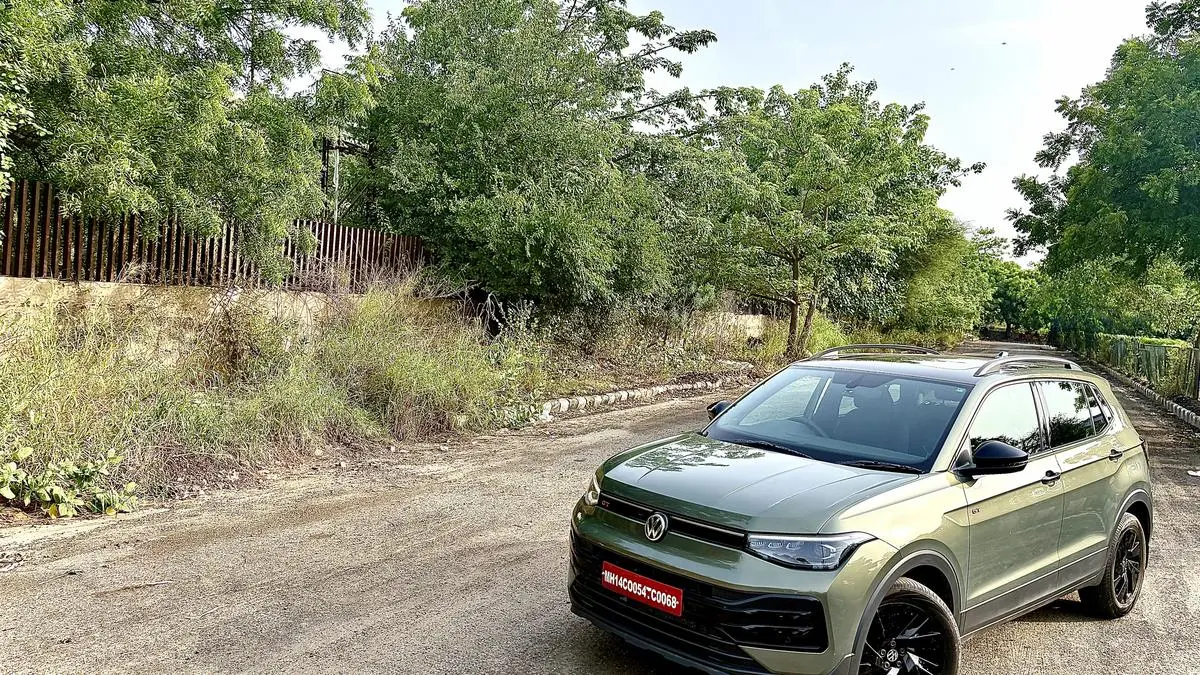
The segment the Taigun competes in has changed considerably in five years. Almost every manufacturer has a car here and those who don’t are working one getting one in. Every car in this segment also has a feature list that reads like a manifesto and the Hyundai Creta sets the pace that everyone else chases. Volkswagen has always offered the Taigun as a different kind of answer — not louder, not more loaded, but more rewarding to drive. The facelift, which arrived nearly five years after the original, doesn’t change that philosophy. It does address some feedback which was becoming impossible to ignore.Familiar logicUp front, the Taigun borrows its design language from the larger Tayron — a full-width LED light bar connecting into reshaped headlamps, an illuminated VW badge at the centre and a sharper bumper with gloss black detailing. At the rear, sequential indicators on the LED light bar and a welcome-goodbye animation add the kind of detail that social-media-friendly owners will appreciate. Two new colours, including an Avocado Pearl that photographs better than it sounds, round off the exterior updates. The overall silhouette hasn’t changed and road presence isn’t what the Taigun leads with. Just like the original.Inside, the cabin layout is largely familiar, but the additions are noticeable. A 10.25-inch digital driver’s display and a 10.1-inch touchscreen, both powered by Google’s built-in ecosystem, make the interface feel genuinely current — responsive, easy to use and well-integrated. It’s a proper step forward. Ventilated front seats and a panoramic sunroof arrive on higher variants, filling in gaps that rivals had been shouting about for some time. Old-school touches survive, though; the headlamp switches and door controls carry over probably from the first generation of Volkswagen’s Indian product line. Tactile and precise, genuinely better than the haptic air conditioning panel, which collects fingerprints and demands more attention than it should while you are driving. Then there’s the A-pillar speaker grille, which reads ‘sound’. Not a brand name, just the word. I am sure Harman Kardon has its reasons. Rear-seat space is comfortable for two adults. Legroom isn’t the car’s strength, and the Taigun has never tried to disguise that.two charactersThe 1.0-litre TSI, now paired with a new 8-speed torque converter replacing the older 6-speed unit, is the value option for sure. But it is not the one you should drive first if you were trying to choose between both the engine options. The steering is light, the front end lacks weight, and the sense of connection that makes the car interesting in the first place is harder to find. At 113 bhp and 18.1 kg-m, it feels like a snappy raring-to-go kind of machine at low speeds, which can be fun for some. To me, it just didn’t feel like a Volkswagen.The 1.5-litre TSI with the 7-speed DSG is a familiar, and different, story. At 148 bhp and 25.5 kg-m, the car has a composure that the 1.0-litre can’t match — the front end settles, the steering weighs up meaningfully and there is a confidence that is quite rare in this segment of cars; comfortable and manageable in the city, stable and steady on the highway. The suspension is on the firm side at low speeds, particularly over broken Gurgaon roads, but it does build composure as pace increases. It is not a car for buyers who want softness, but for those who know the difference between soft and sorted.Your CallThe Taigun facelift is a more complete car than its predecessor, but the gap it closes is narrower than what the competition has opened up in the meantime. Priced from ₹11 lakh to ₹19.3 lakh (ex-showroom), the new Taigun isn’t trying to win every argument. It is for a specific kind of buyer — someone upgrading from a hatchback or moving within the VW-Skoda family, who doesn’t want what everyone else is driving and values how a car drives over how many things it can do at once. For that buyer, the upgrade is something which ticks a lot of boxes. For everyone else, the segment has plenty of alternatives.@TheMotorGramPublished on June 19, 2026