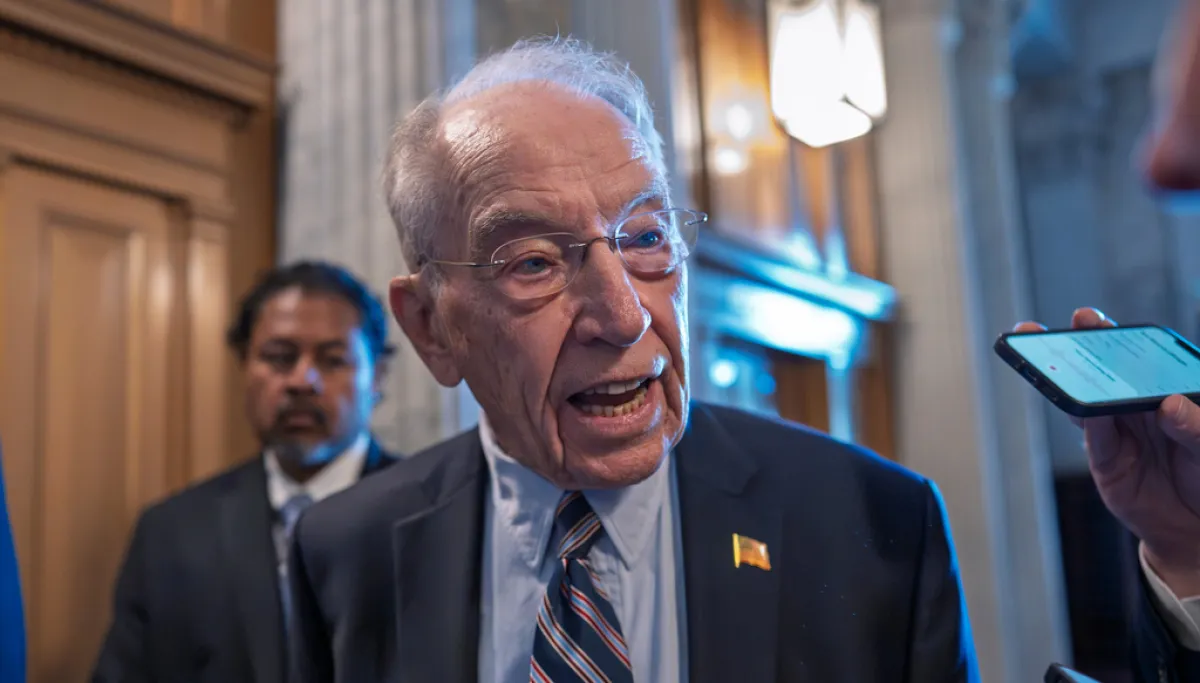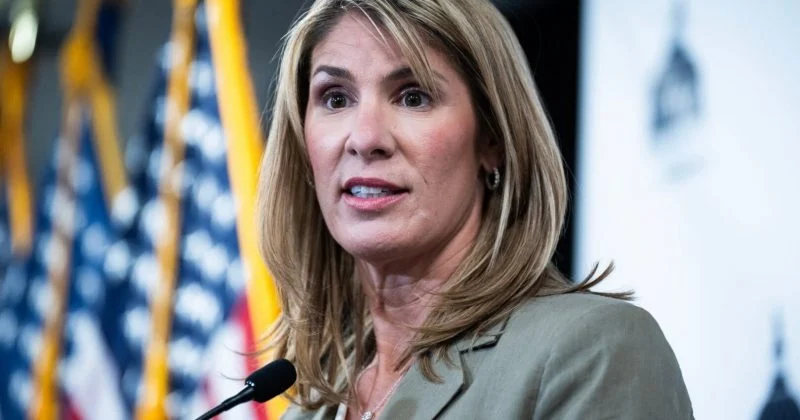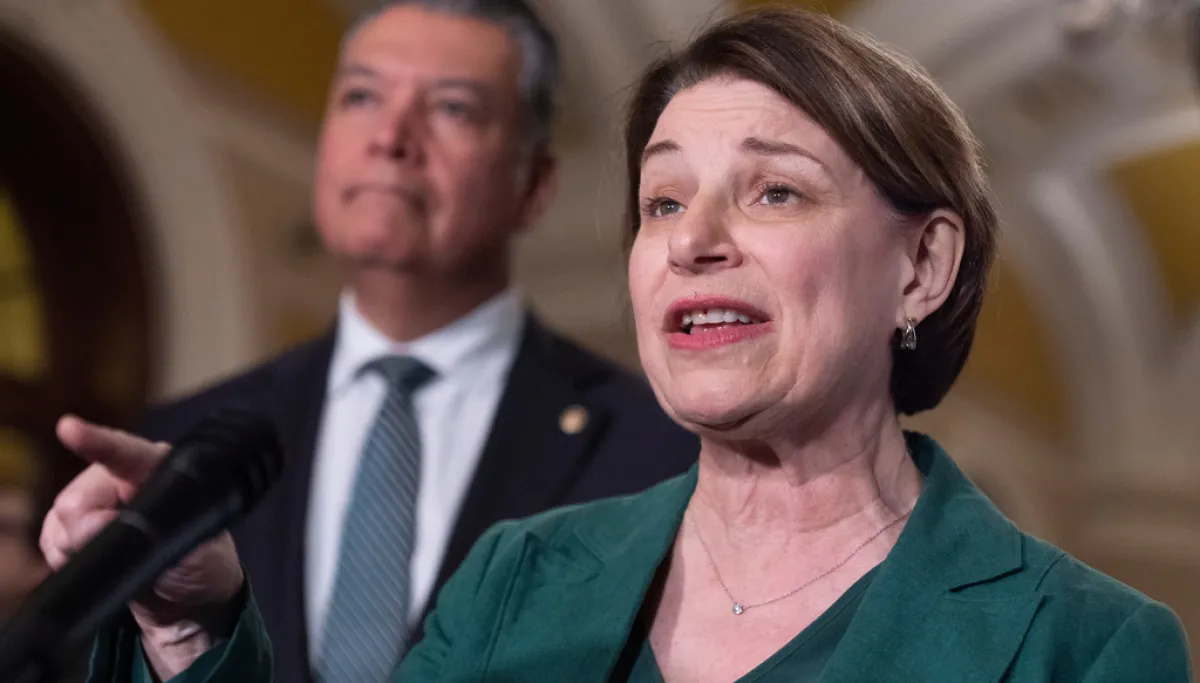
It’s no secret European bureaucrats aren’t fans of American Big Tech. Now, some American lawmakers are crossing party lines to steal pages from their playbook. Sens. Chuck Grassley (R-IA) and Amy Klobuchar (D-MN) recently reintroduced the American Innovation and Choice Online Act, which revises a 2022 bill that stalled in the Senate. Like the European Union’s Digital Markets Act, it purports to stop large digital platforms like Amazon, Meta, Google, and Apple from harming consumers and the businesses that use their platforms to reach them. Instead, AICOA would police many conventional business practices that generally benefit both consumers and business users.U.S. antitrust law already punishes “monopolization,” or a firm’s abuse of its market power to exclude competitors and harm consumers. Since some practices that improve products or lower costs can also “exclude” a firm’s competitors, antitrust courts apply the “rule of reason” by weighing the pros and cons of a practice in each case before penalizing defendants. This has created legal precedents that give businesses clarity about whether they are likely to face antitrust litigation or liability under some general “standards.”Unlike bright-line rules, standards require more time and resources to enforce. However, blanket rules can outlaw practices that are pro-competitive in many cases. Successful rulemaking requires cautious fine-tuning to ensure alignment with policy goals. Conversely, U.S. antitrust standards become consistently understood over time as courts apply the same principles to similar cases. For instance, the same principles applied in 2001 to resolve whether Microsoft engaged in anticompetitive behavior by making Internet Explorer the default browser in Windows were recently used to resolve whether Google illegally excluded rivals by contracting with web browsers to become their default search engine. This approach combines flexibility and pragmatism with comparable certainty and predictability to a “rule.”
When rare bipartisanship threatens US tech leadership
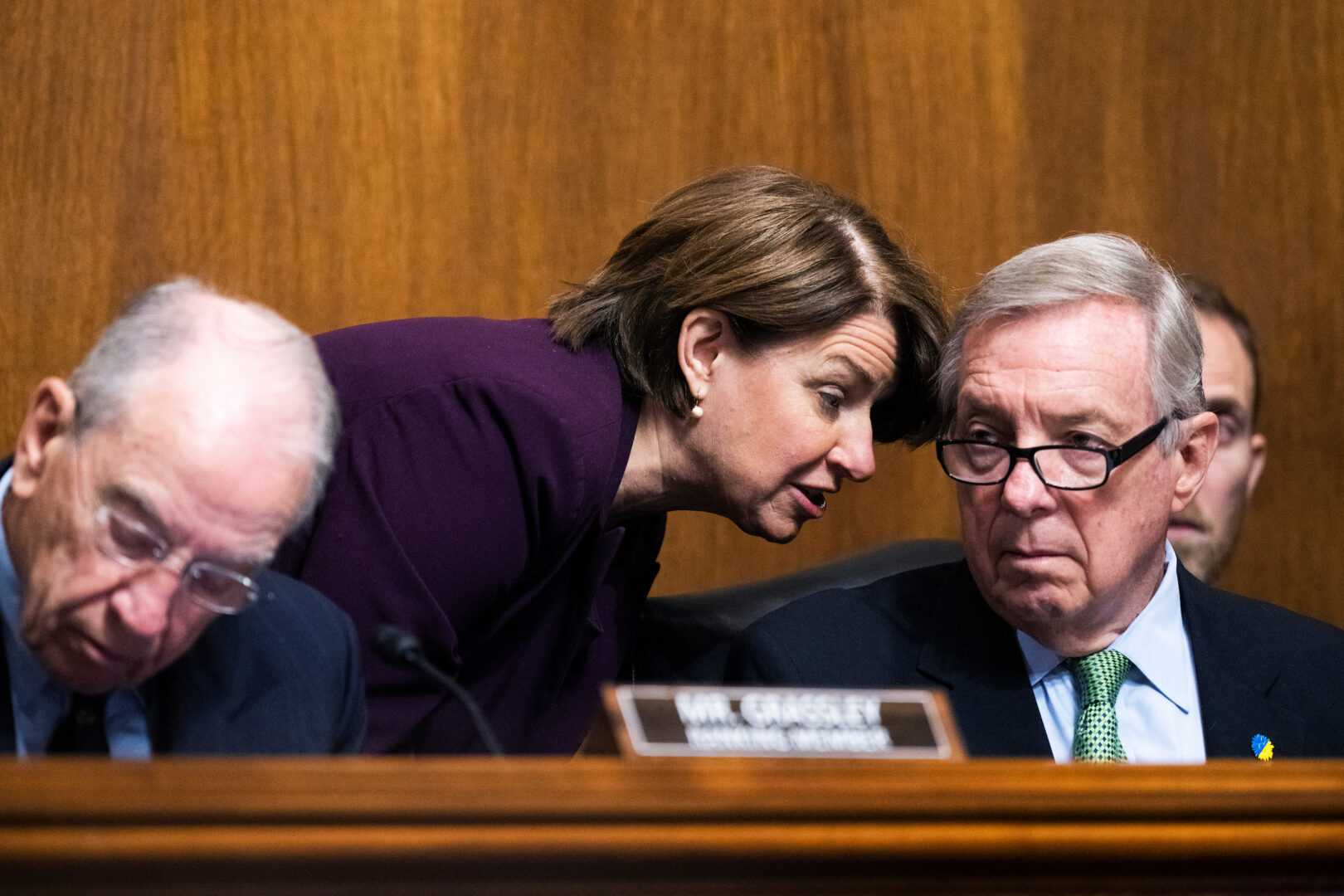
Sens. Chuck Grassley (R-IA) and Amy Klobuchar (D-MN) recently reintroduced the American Innovation and Choice Online Act.
864 words~4 min read