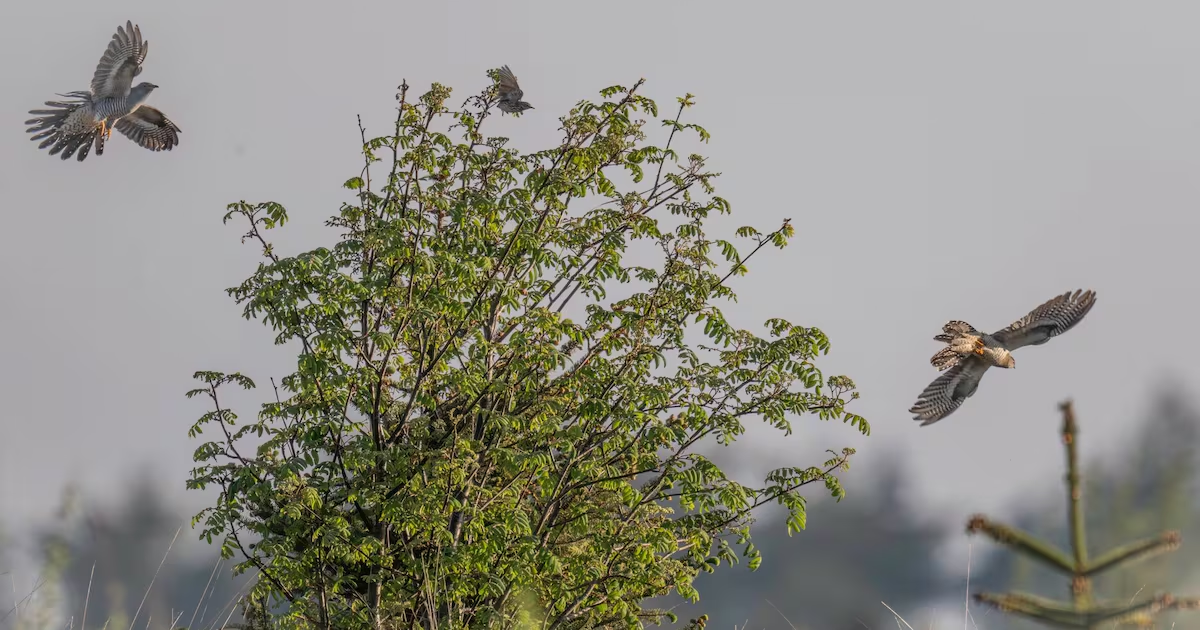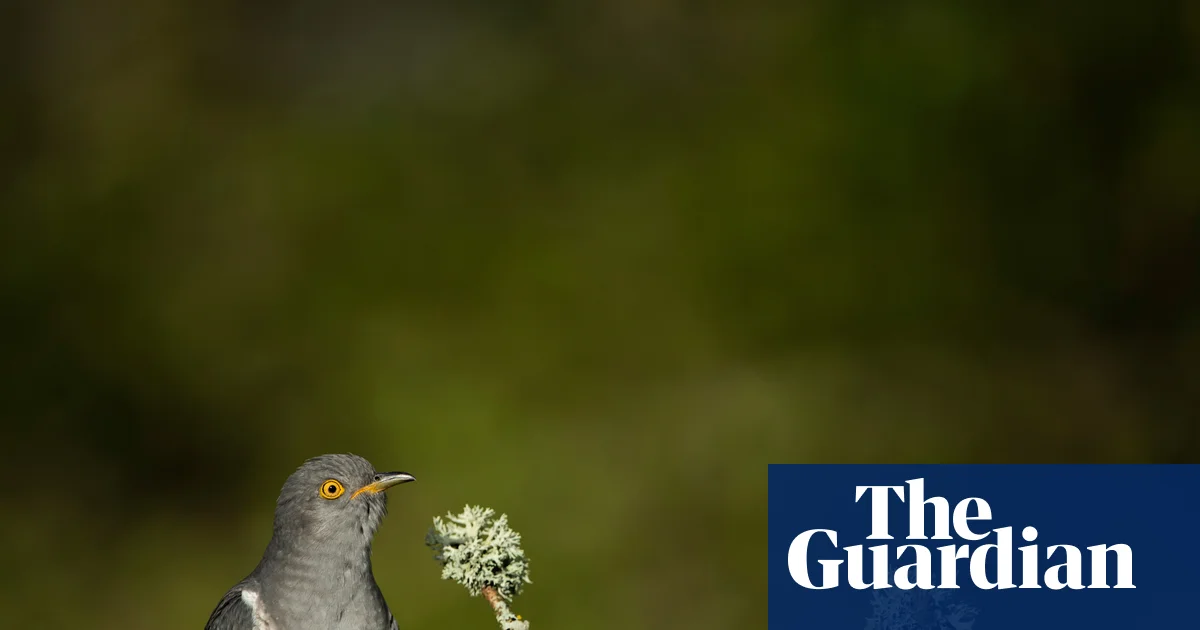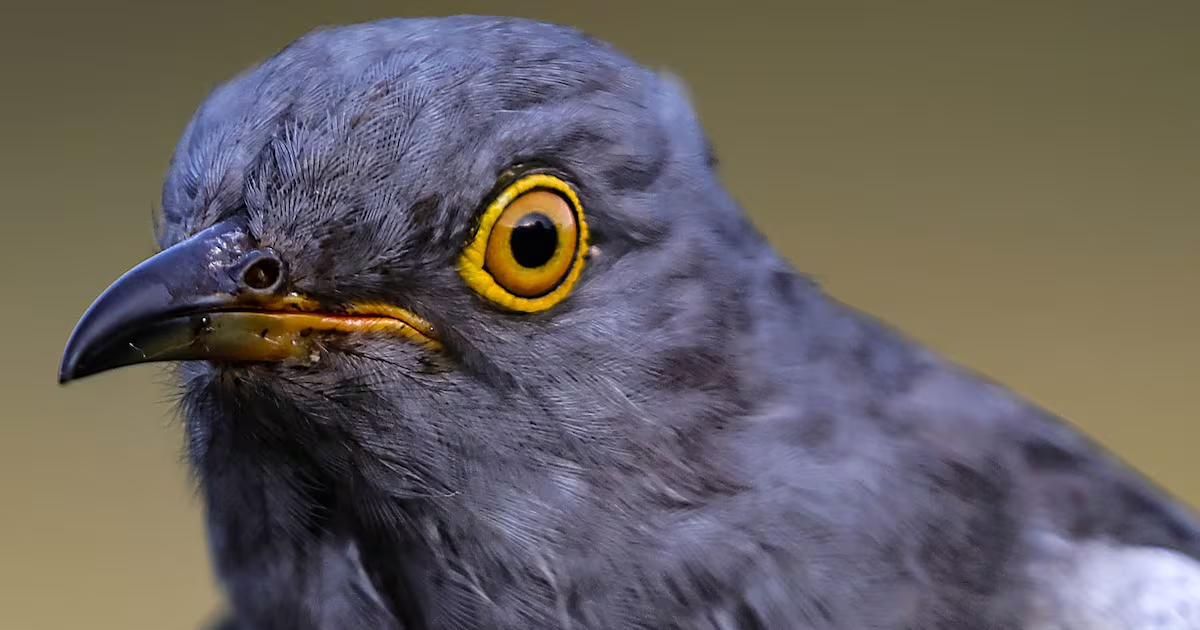
Members of the public have been invited to follow the fortunes of three cuckoos on their odyssey from Ireland to Africa. Cuach Seán, Cuach Rua and Cuach Cores are being tracked this year – Seán from Wicklow Mountains National Park, Rua from the Burren National Park in Co Clare and Cores from Killarney National Park in Co Kerry. Cuckoos traditionally arrive in Ireland in spring and leave in late summer. The familiar “cuck-oo” sound is seen as a signal that spring has sprung. Cuckoo numbers have been in decline across Europe. There has been a 26 per cent decline in the past 40 years in Ireland, the reasons for which are unclear. Scientists suspect cuckoos are figuratively the canary in the coal mine of climate change and that warming weather is causing them to leave Africa earlier for Europe, before they are ready. Also, the cuckoo notoriously lays her egg in other birds’ nests and many of the species that the cuckoo targets, the meadow pipit in Ireland especially, react to climate change by breeding earlier, leaving cuckoos without a nest to hatch their eggs. Since 2011, the Cuckoo Tracking Project has been following the journeys of a number of cuckoos from Ireland and Britain using satellite technology in order to investigate the many facets of these birds’ lives and better understand the causes behind their decline. The National Parks and Wildlife Service is a partner on this project, which is led by the British Trust for Ornithology. This year, the project is tracking seven new birds from Ireland and Britain. Satellite data shows that Cuach Seán was the first of this year’s birds to cross the English Channel and has so far travelled the farthest south. After leaving Wicklow, and following a brief stop in Somerset, Seán pressed on into France. National Parks and Wildlife Service conservation ranger Sam Bayley holds a cuckoo with a satellite tracking device. Photograph: Valerie O’Sullivan The bird stopped in the foothills of the Alps, east of Chambery and the most recent update shows it is now in northern Italy, close to the town of Andora on the Italian Riviera. Cuach Rua left a little later, stopping near The Ballagh in Co Wexford, before crossing the Irish Sea to Wales, where it is currently inland of New Quay. Cuach Cores has not yet embarked on its journey to Africa and is still in its breeding ground in Killarney National Park, where it was first tagged three years ago. It arrived in the park, where he has spent the past three springs, on April 22nd. Cores has gained a reputation for the length of its journeys, epic even by cuckoo standards, having been tracked to the jungles of the Democratic Republic of Congo. It is due to leave any day now and begin its fourth tracked migration to Africa, having spent almost two months in Killarney. Minister of State for Nature, Heritage and Biodiversity Christopher O’Sullivan is encouraging members of the public to follow cuckoos from Ireland on their great summer migration to Africa. [ Third of Ireland’s wintering waterbirds vanish in just 30 yearsOpens in new window ]“The call of the cuckoo represents the start of summer for many people and is a familiar and much-loved sound in the countryside,” he said. “Armed with greater understanding, we will be in a better position to protect the beloved cuckoo, so that generations to come can enjoy the sound of the cuckoo for many more summers.”National Parks and Wildlife Service conservation ranger Sam Bayley described the project as an “amazing opportunity” to get a detailed understanding of the cuckoos’ breeding range, migration routes and wintering grounds. “The more we learn the more we can understand the pressures and strains on this species,” he said.The birds can be tracked at bto.org/cuckoos
Watch the birdy: Public asked to track ‘Irish’ cuckoos’ epic migration to Africa
Killarney’s ‘Cuach Cores’ among cuckoos undertaking journey from Ireland as far as Democratic Republic of Congo
634 words~3 min read