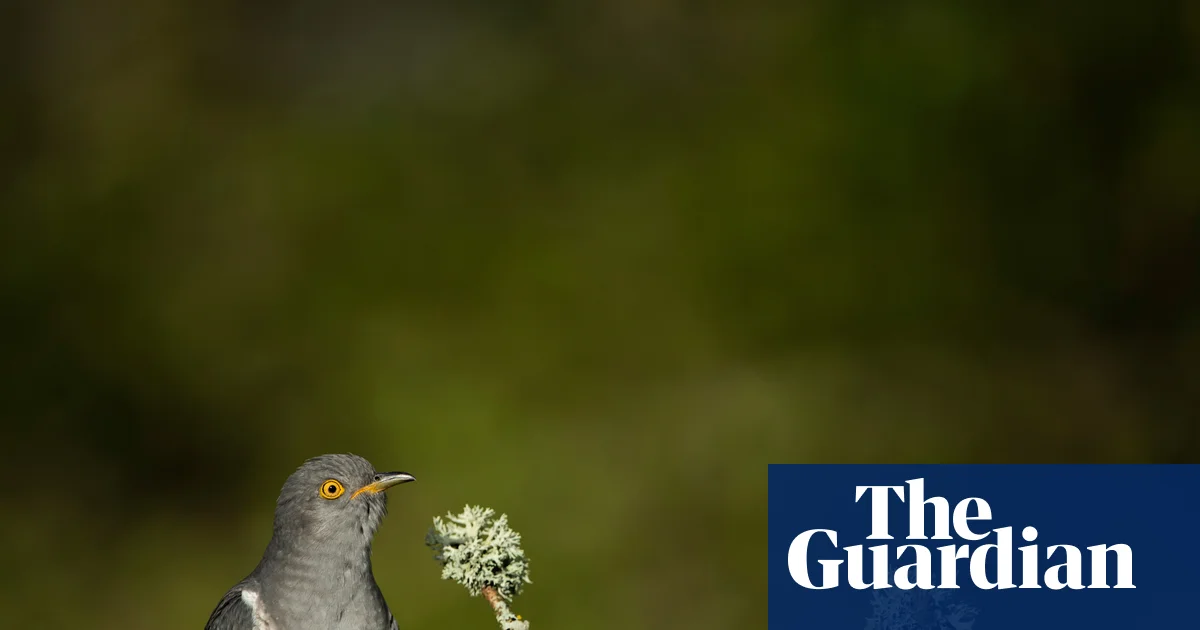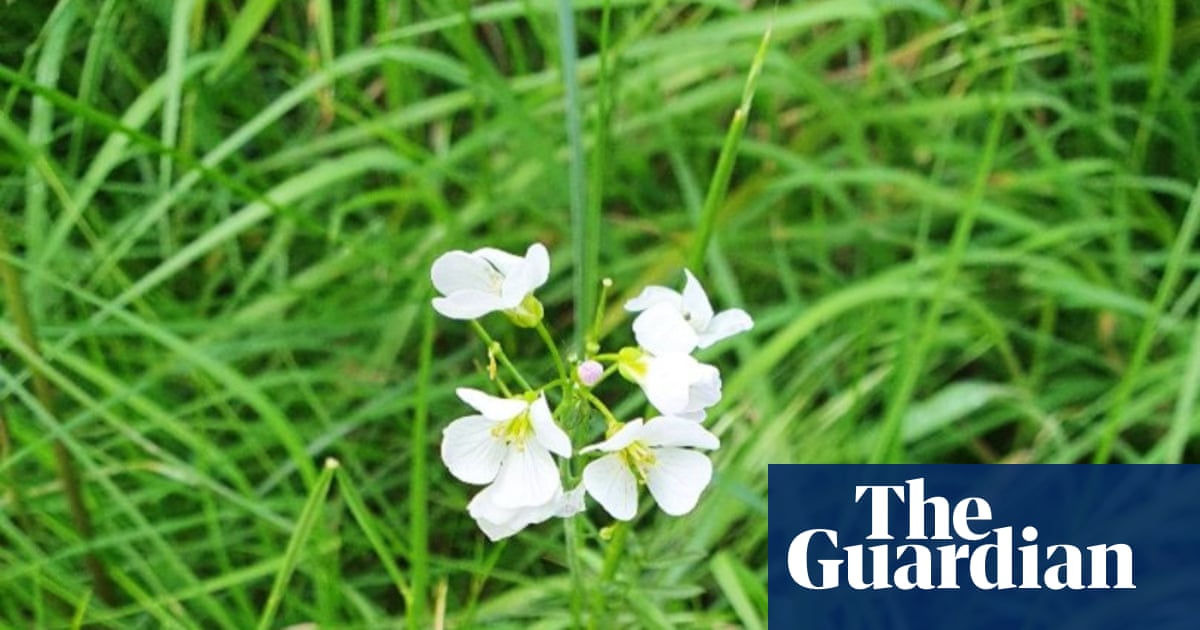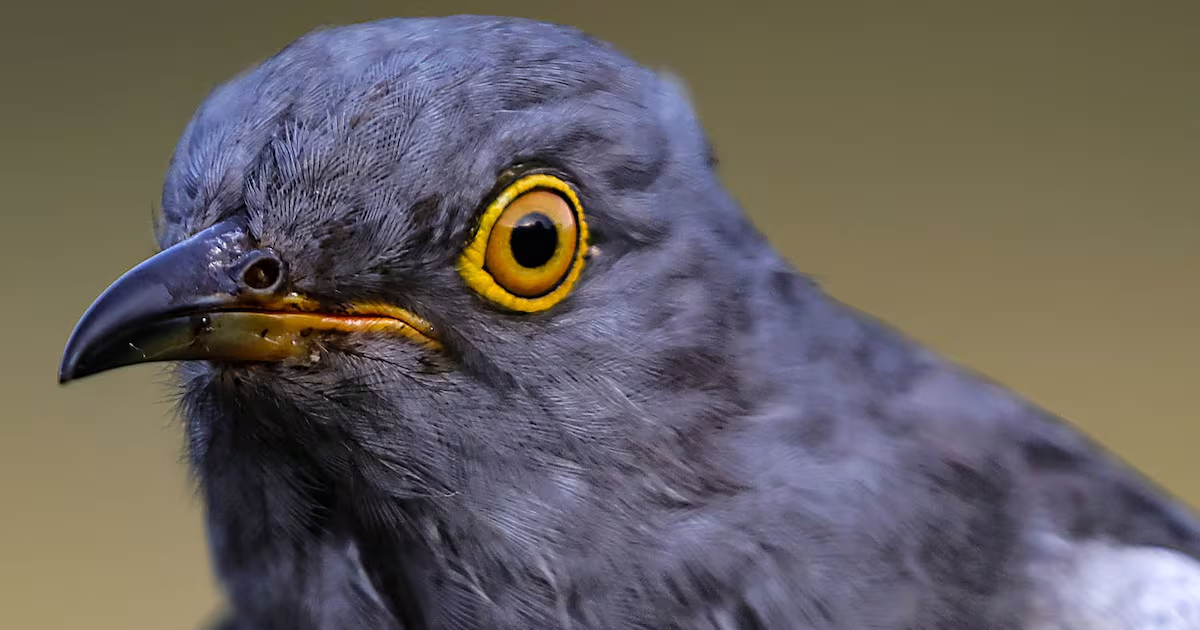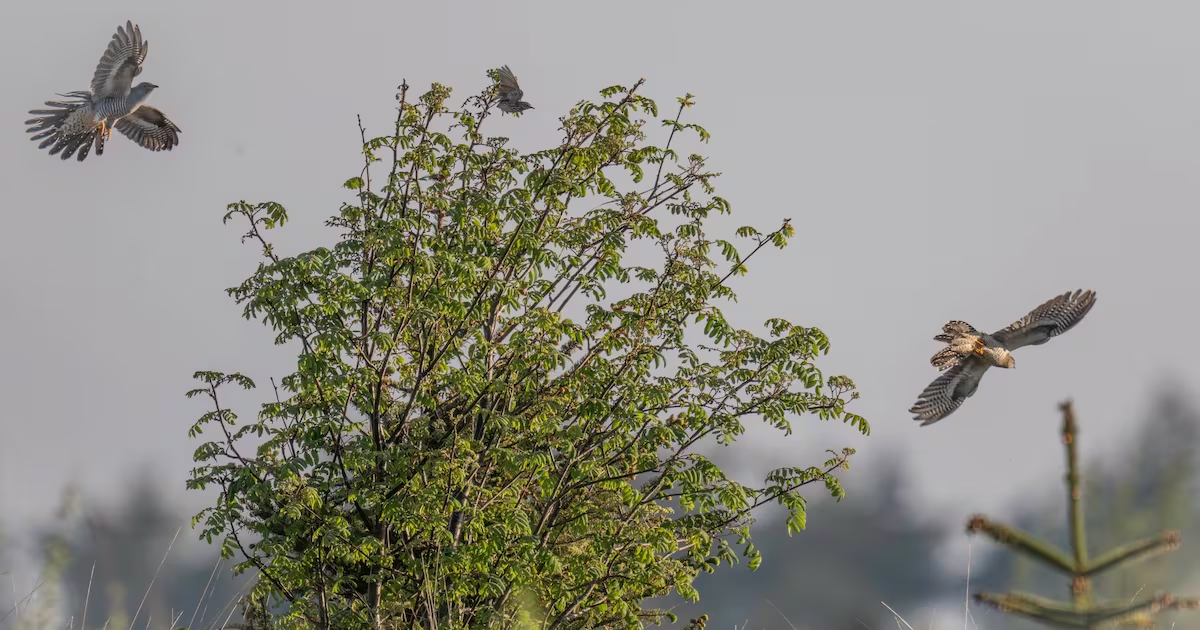
We have an asylum of cuckoos here in Tullaher in west Clare. I counted three on April 29th and photographed two together on May 2nd with a meadow pipit. John, KilkennyGreat to have a situation where you can use the collective noun for cuckoos. This pair was being mobbed by the brave meadow pipit who was trying to drive them away. The hawk-like appearance of the cuckoo triggers the mobbing response in small birds. Often several small birds, perhaps even of different species, will gang up and chase a cuckoo as they would any bird of prey. When the cuckoo does succeed in laying an egg in the nest of the meadow pipit, it doesn’t recognise it as that of another species and the parenting response kicks in.Male orange-tip butterfly. Photograph: Michael O’Loghlen I was wondering if you could identify this well-camouflaged moth seen in a garden in Ballyvaughan, Co Clare. Michael O’LoghlenThis is not a moth at all, but a male orange-tip butterfly – a real harbinger of spring. These are white butterflies, with the male having orange tips on the forewings. Both sexes have this combination of black and yellow scales on the underside of the hindwing, which give the butterfly a mossy appearance and help it to blend in with the vegetation it frequents. It seeks out the cuckoo flower both as a source of nectar for the adult and as a larval food-plant on which the mated female will lay its eggs.Nesting burrows of the sand martin. Photograph: Frank Carter Well done to the quarry operators in Ballisodare, Co Sligo, who leave this “mountain” of sand untouched during the nesting season. Frank Carter, SligoThese are the nesting burrows of the sand martin. This is one of our earliest summer visitors. They nest colonially in tunnels in sandy cliff faces, like in this quarry.A cowslip on a grass verge in Rathfarnham, Dublin. Photograph: Nigel Burgess I spotted this cowslip on the regularly cut grass verge above Nutgrove Shopping Centre in Rathfarnham, Dublin. A little unusual in suburbia? Nigel Burgess, Dublin.There would be far more of them if the verge was not so regularly cut. Where “No mow May” is observed, plants, whose seeds are part of the seed bank of the area, are able to germinate and flower. There are many cowslip sites in Dublin’s suburbia where the soil is dry and sandy, especially along former esker ridges such as that in the Greenhills area. Mowing encourages plants that grow from the bottom, such as grasses and rosette plants like daisies and dandelions. By ceasing the mowing for at least the month of May, an amazing biodiversity of flowers that grow from the top occurs and provides nectar and pollen for flying insects.A male St Mark’s fly. Photograph: John Kenny
We have an asylum of cuckoos here in west Clare
Eye on Nature: Éanna Ní Lamhna responds to readers’ queries and observations on the natural world
652 words~3 min read