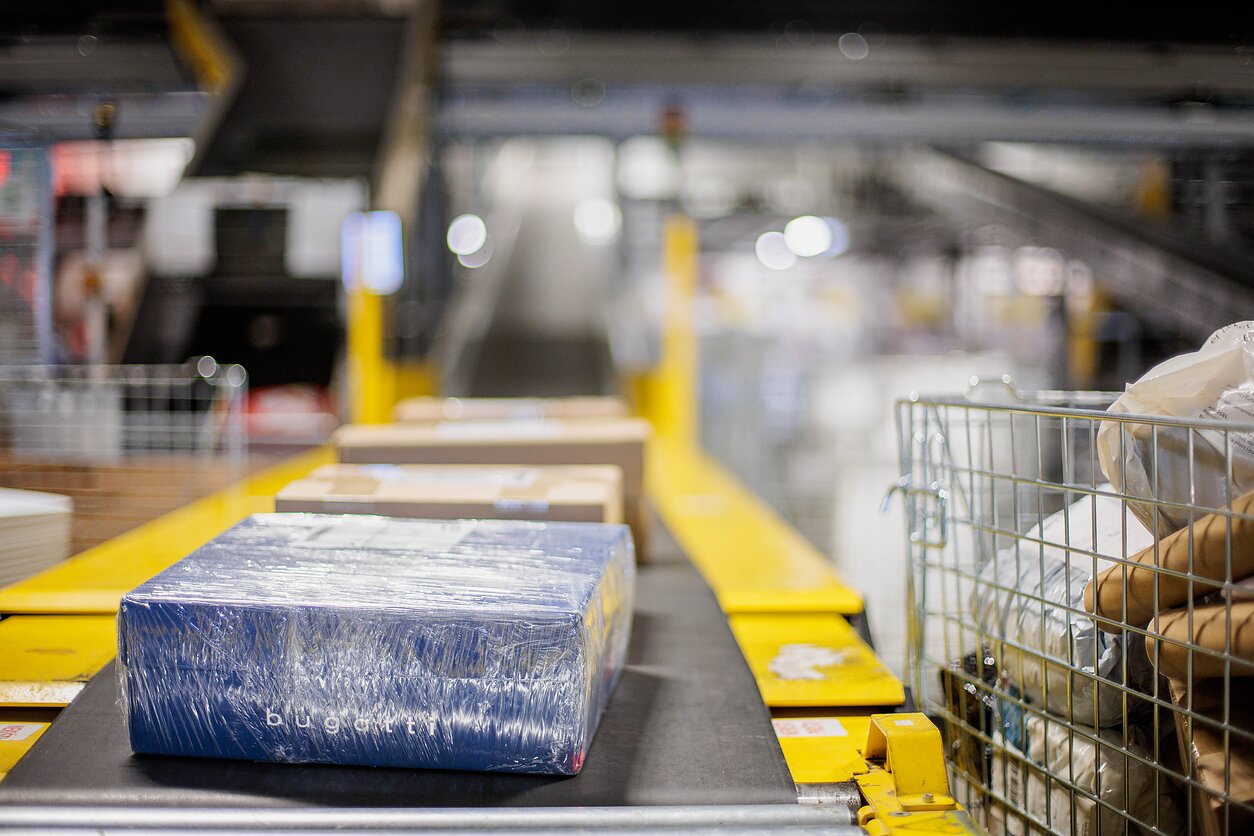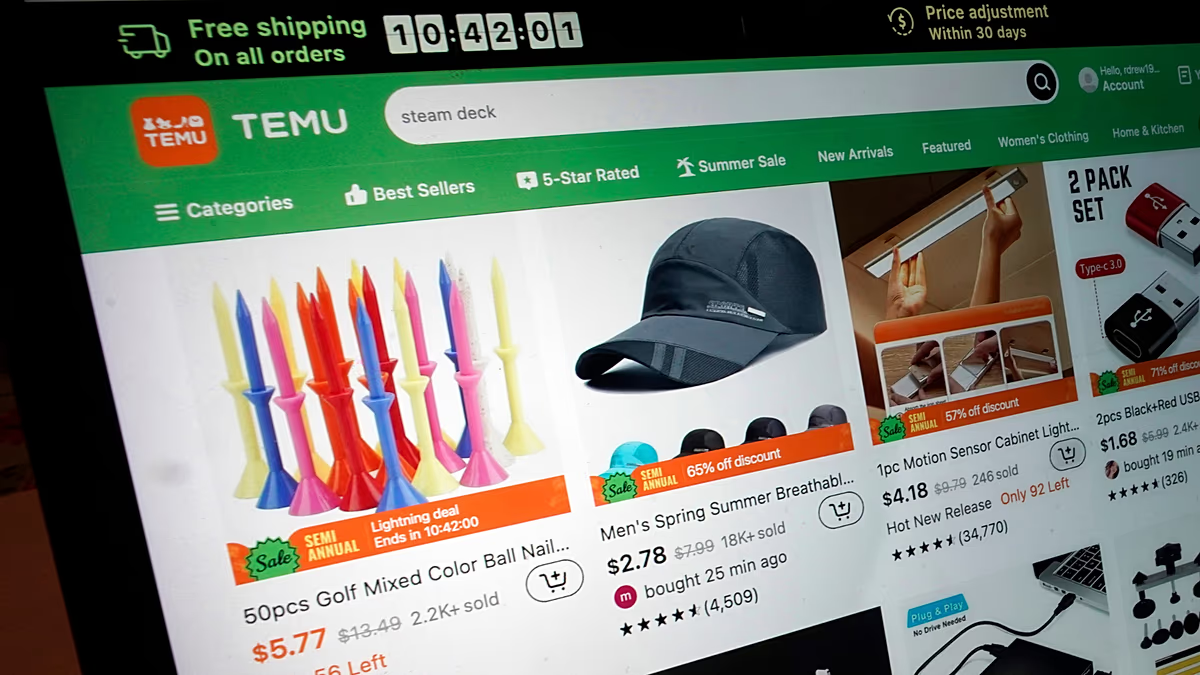
From July 1st, ordering summer clothes on Chinese giant Shein, White Fox hoodies from Australia and cosmetics from a UK pharmacy chain like Boots is likely to get more expensive, thanks to new European Union customs rules. Not only that, but these rules could have an even bigger impact, as retailer Marks & Spencer warns that it could limit the product range it offers Irish consumers.The change means a €3 phone cover, for example, ordered from an online Chinese retailer, may suddenly cost double the price, due to the imposition of a new €3 customs charge (per item) on imports from outside the EU. Not only that, but an additional handling charge, of an expected €2, is due to be introduced by the EU in November. If your retailer doesn’t pay the duty for you at checkout, you will have to pay a further administration fee before you get delivery of the item – An Post, for example, will charge €6.95 for this. So, what exactly are the new rules and why are they being introduced? And most of all, perhaps, how is the new customs duty going to affect your online shopping habits?What’s the rule change?The ecommerce rules are being driven by the EU – not Ireland – but we will have to comply with them. Originally due for 2028, the rules were fast-tracked last December. They will apply on a temporary basis from July 1st, ahead of becoming permanent in 2028.Up until now, goods from outside the EU – provided they were valued at less than €150 – did not require import duty to be paid by consumers when they were sent to Ireland. This was provided for under the so-called “de minimis” regime. According to the European Commission, it helped avoid any “disproportionate” administrative burdens.Now, on the back of new EU-wide legislation, there will be new customs-duty charges on online shopping from non-EU countries – regardless of the value of your order.Why? In part, it’s being driven by the surge in imports of low-value goods from Chinese retailers such as Shein and Temu. These goods may not meet EU safety standards, while they also, according to the European Commission, pose risks to consumers and undermine fair competition. In 2025, for example, figures from the Commission show almost six billion low-value items were directly shipped from countries outside the EU to consumers in the region. Customs duties were not paid on these items. In May, Temu was fined €200 million by the Commission for selling illegal and unsafe products, including toys considered dangerous for babies. “This has created an unfair competition that traditional retailers cannot compete with,” the Commission says. In order to “level the playing field”, the Commission is bringing in a new €3 customs duty on all items shipped from outside the EU. “This change is designed to ensure fairness for Irish and EU businesses,” Revenue says.Last year, the US did something similar, scrapping an exemption whereby tax didn’t apply on goods from China that were valued at $800 (€697) or less. The UK, meanwhile, has plans to remove its £135 (€156) “de minimis” customs threshold in 2029.What’s the charge? The big change is that a new €3 charge, per item, will apply to goods coming from outside the EU. So, for example, the charge would be applied to items from the UK and China. It is important to note that the charge typically applies per item – so if you order a candle, a tablecloth and a Christmas decoration, you will have to pay an additional €9. If, however, you order two or more identical items, this will be considered to be just one item – and so the €3 charge will only apply once.Only physical goods will be subject to the duty. This means Kindle books, for example, won’t face the charge, according to Revenue.The new rules won’t impact online trade from Northern Ireland to the Republic, according to Revenue. It says “there is no impact on all-island trade” and customs duty is not payable on such trade. What retailers will be impacted?Shein, Temu, AliExpress – the low-cost Chinese retailers – will likely be significantly affected by the new charges. After all, ordering a €3 phone charger may now become twice as expensive, if it has been shipped from outside the EU.But they aren’t the only retailers with cause for concern. UK retailers will also be hit, if they’re shipping goods to Ireland from across the Irish Sea.A spokesman for pharmacy chain Boots, for example, says that it operates “a blended fulfilment model”. This means online orders are fulfilled through a combination of its Irish store network as well as distribution centres in the UK. So if your Korean skincare comes from a UK distribution centre, it will incur a €3 charge.Similarly, Amazon says Irish customers may see a €3 charge on certain orders from amazon.co.uk, as well as amazon.ie, from July 1st, depending on where the item has been shipped from. It recommends customers use the Irish site “to mitigate the impact of these charges”.And remember, as Revenue warns, just because a website address ends with .ie or .de (for Germany, for example), it doesn’t mean the goods are shipped from within the EU. So check before you buy.Amazon advises Irish customers to shop through its Irish website domain. Photograph: Neil Hall/EPA - European Pressphoto Agency Is the charge here for good?Yes. The new €3 charge is temporary and will apply until July 1st, 2028, according to the Commission. However, after this date, “normal customs duties will apply, depending on the type of good”. So, it could be even more than €3 after that date.Are there any other charges?Well, here’s the kicker – and also why it’s going to become unviable to order from smaller ecommerce outlets that can’t operate the new customs duty themselves. Typically, the charge will be applied to your shopping basket when you shop online and if you pay it at checkout, no further charges will then apply. However, not all websites might operate like this. If so, you will have to pay An Post or a courier service the charge, before they will deliver the goods. And this delivery service is also going to charge you.An Post, for example, will apply a €6.95 administration fee. So, if you can’t pay your customs duty at check-out, your €3 phone cover will now cost you €12.95 from July 1st.A spokeswoman for An Post says the fee “covers the administration of the collection of VAT and duties for Irish Revenue, along with the resources needed and storage space as the items must be held in a secure location until paid.” She says An Post keeps the fee “to an absolute minimum; it barely covers the costs involved”.It’s a common charge - Royal Mail for example, charges between £8-£12; Bpost €21.50; Austria Post €7.20; La Poste €2-€5 and Deutsche Post €6.And there might be a further charge. The European Commission has also put forward plans for a handling fee on such orders from outside the EU. This is currently being decided on, but it’s expected a fee of about €2 will be introduced from November 2026.So now your €3 phone cover has increased once more, to a possible €14.95.What about returns?Another major downside of the new system involves returning a product. If you want to return your item, you won’t get your duty back unless it is faulty. Customs duty is not refundable. Is there a workaround?Retailers are now scrambling to try and offset the impact of the new rules, particularly those who sell mainly low-cost goods and will be most impacted by a €3-per-item charge.In the first instance, retailers are likely to up their Irish fulfilment centres. It’s understood that the charge is determined at the point at which you make an order – so if the item is already in stock in Ireland when you order, then the charge doesn’t apply. But if it then has to come from outside the EU to fulfil your order, the charge will apply.So, we’re likely to see more stock kept in Ireland or the EU.Earlier this month for example, Chinese retailer Shein opened a new 16,000-square-foot ecommerce logistics facility in Greenogue Business Park, Rathcoole, Co Dublin, to act as regional fulfillment and returns processing centre. It also has a distribution hub in Wroclaw in Poland.Amazon is aiming to increase stock at its 630,000 sq ft fulfilment centre in Dublin’s Baldonnell Business Park to deal with the charge. “To reduce the impact on our customers, we are actively investing in Irish fulfilment capacity so more products are shipped inside the EU and remain exempt from this charge. We are also supporting sellers from the UK in particular to send inventory to our Irish fulfilment network for local fulfilment and faster delivery,” a spokesman says.Meanwhile, a spokesman for Boots says it has been increasing in-country fulfilment through its Irish stores “to better serve customers and improve availability”. But it’s not 100 per cent clear yet if this will solve the issue.“We are currently working to understand the situation and take steps to minimise and mitigate any potential impact,” says the spokesman.Increasing stock kept in the EU is potentially a big change for retailers however, and may be an expensive workaround.Some retailers want an exemption from the rules altogether.UK retailer Marks & Spencer fears the new charge might affect its ability to do business here. A spokeswoman for Marks & Spencer said the changes “add significant cost and complexity to M&S operations in Ireland and risk undermining our ability to offer a full product range to Irish customers, as well as impacting future investment decisions”.The UK retailer, which posted Irish revenues of €371.66 million in the 12 months to the end of March 2025 and employs more than 1,000 people here, wants trade between the UK and Ireland exempt from the €3 charge.“We would welcome a De Minimis exemption between the UK and Ireland to avoid unnecessary costs for retail businesses and customers,” the spokeswoman said.Whether this happens or not remains to be seen; but in the short-term at least, after weathering the impact of Brexit on their online shopping habits, Irish consumers are likely to face another wave of limited choice and higher prices. So, if you’re considering a “haul”, now is the time to do it – don’t wait until July 1st.How much will online shopping from outside the EU cost me after July 1st?A €3 phone cover shipped from China Cost of phone cover= €3Customs duty = €3Total= €6Shower gel and vitamins shipped from the UK Cost of goods= €15Customs duty = €6Total= €21A football jersey shipped from small UK supplier*Cost of jersey = €10Customs duty = €3An Post administration fee = €6.95Total= €19.95*note duty is not paid at checkoutShipping costs may also apply, and an EU-wide handling fee of about €2 will apply after November 1st, 2026
New EU customs charges could signal the end of cheap online shopping
From July 1st, an order of three items from outside the EU will become at least €9 more expensive
TL;DRAI
From July 1st, EU imposes €3 customs duty per item from non-EU countries (China, UK) to counter Shein/Temu's unsafe products. For IT leaders, this signals EU's tightening enforcement on cross-border compliance—expect similar scrutiny on SaaS, cloud, and vendor sourcing.
1,815 words~8 min read