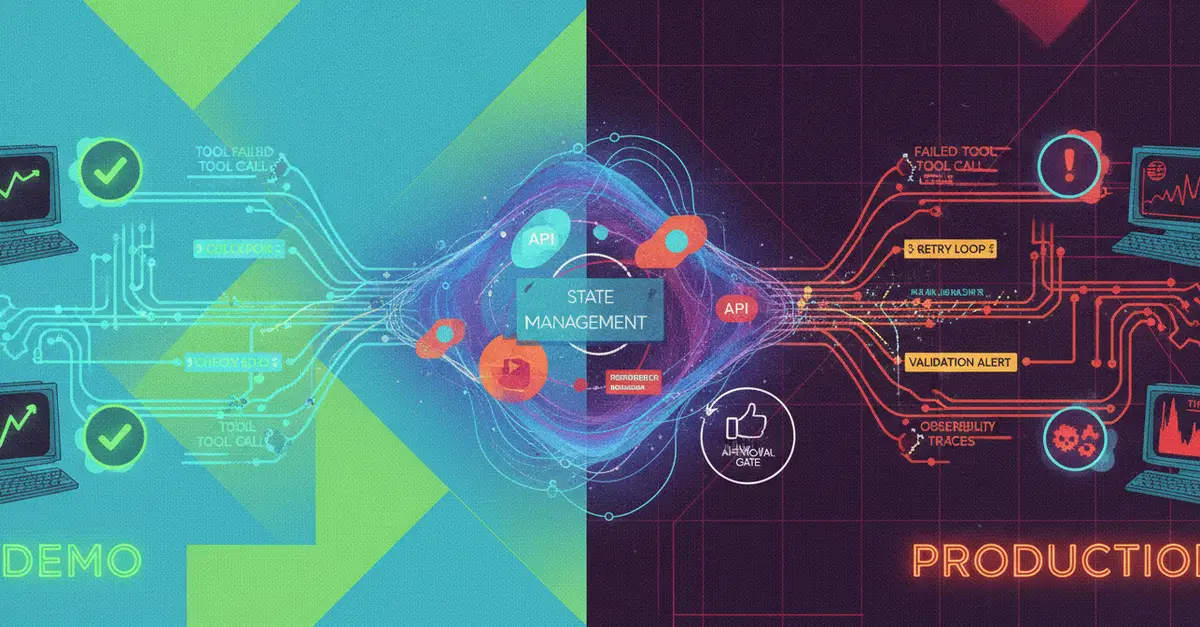
As AI shifts from output-generating large language models (LLMs) to armies of agents taking actions on their own, there is a growing threat that failures could affect system reliability.
Temporal, a Bellevue, WA firm founded in 2019, hopes to solve that problem by stabilizing AI and long-running computing processes through “durable execution,” a technology that reliably resurrects failed computing processes on other hosts. If a machine crashes in the middle of agentic AI transactions, the company resurrects the function on a different host so it can continue exactly where it left off. Temporal says its durable execution process comes with a 100% durability guarantee.
The company was solving these kinds of distributed-systems problems long before the generative AI (genAI) rush, and today it powers infrastructure from Coinbase to Airbnb to OpenAI.
For IT decision-makers, Temporal’s offerings promise to bring reliability to AI operations — especially in regulated industries. Co-founder Samar Abbas spoke recently with Computerworld about his company’s technology, AI reliability, execution and what IT leaders need to keep in mind when evaluating and deploying agentic AI.
How did Temporal come to be a backbone powering AI system? “OpenAI recently announced we power many of their products underneath the cover — that’s where Temporal comes in.