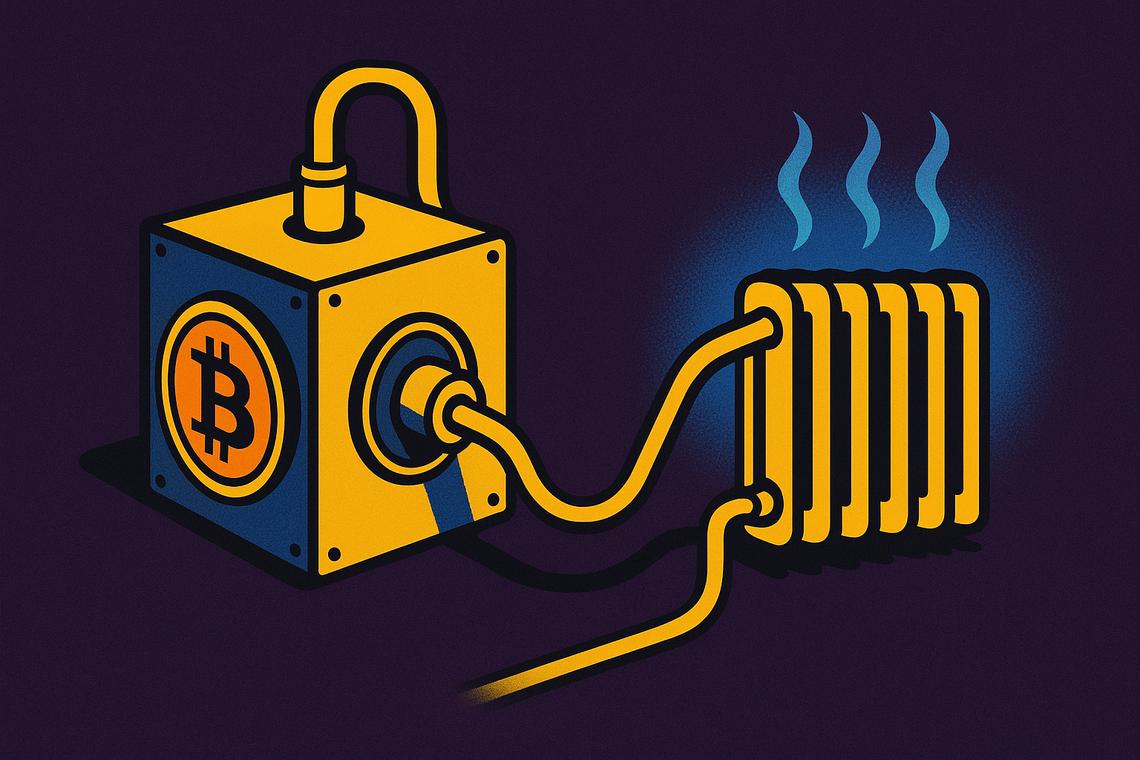
Bitcoin miners operating in China’s Qinghai province have been charged with illegal business activities. Their crime? Using waste heat generated from mining operations to provide heating services.
The charges stem from what Chinese authorities classify as illegal business operations. Qinghai province, located on the Tibetan Plateau in western China, was among the provinces that enforced the national Bitcoin mining ban that rolled out in stages throughout 2021.
That ban was driven by three primary concerns: energy consumption, environmental impact, and compliance with China’s financial regulations.
But mining didn’t disappear from China. It went underground. Despite the comprehensive prohibition, operations have reportedly persisted domestically, with some managing to recover or even expand by late 2025.
Finland offers a counterexample. The Nordic country has embraced waste heat from Bitcoin mining as a resource, channeling it into district heating systems that warm homes and businesses. The approach turns an environmental criticism of mining into an economic and emissions benefit.