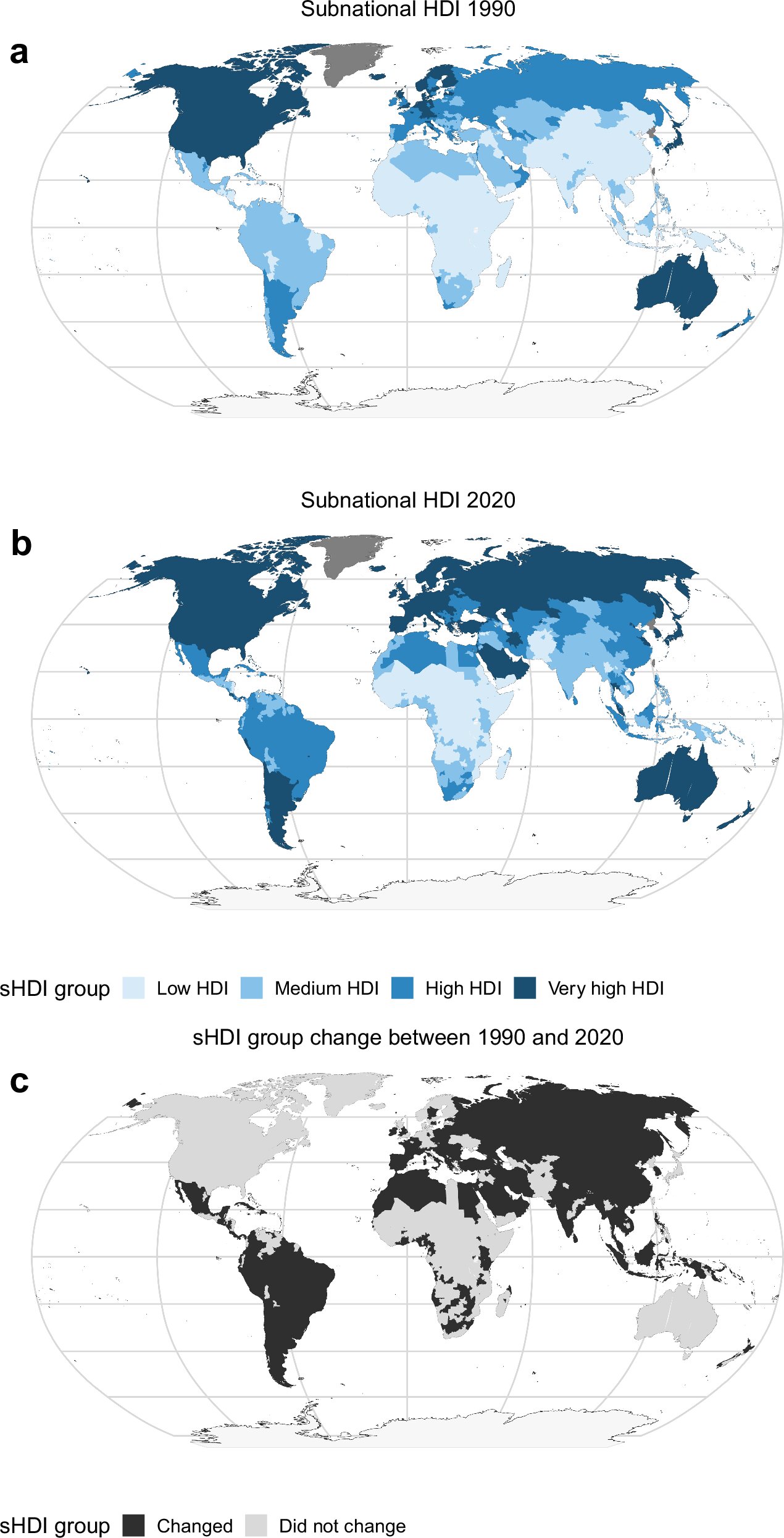
sHDI trajectories between 1990 and 2020. Credit: Nature Communications (2026). DOI: 10.1038/s41467-026-73873-9
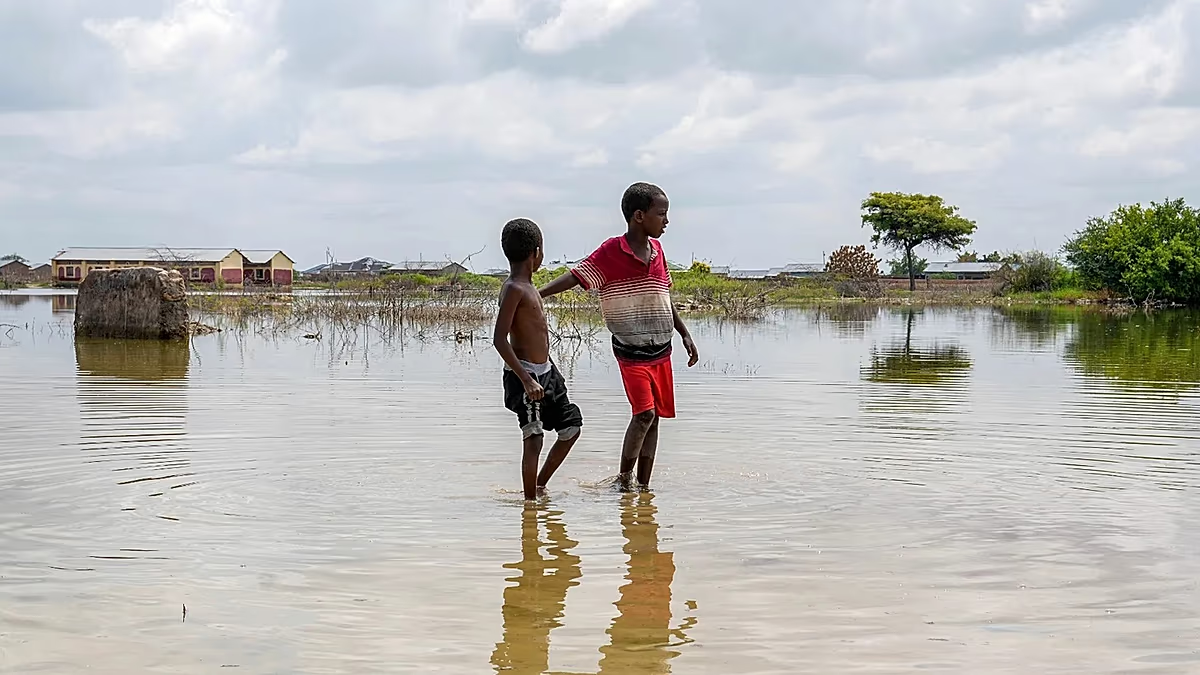
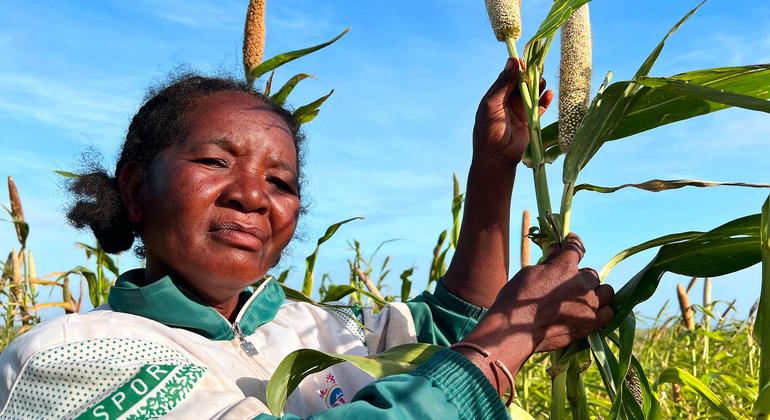
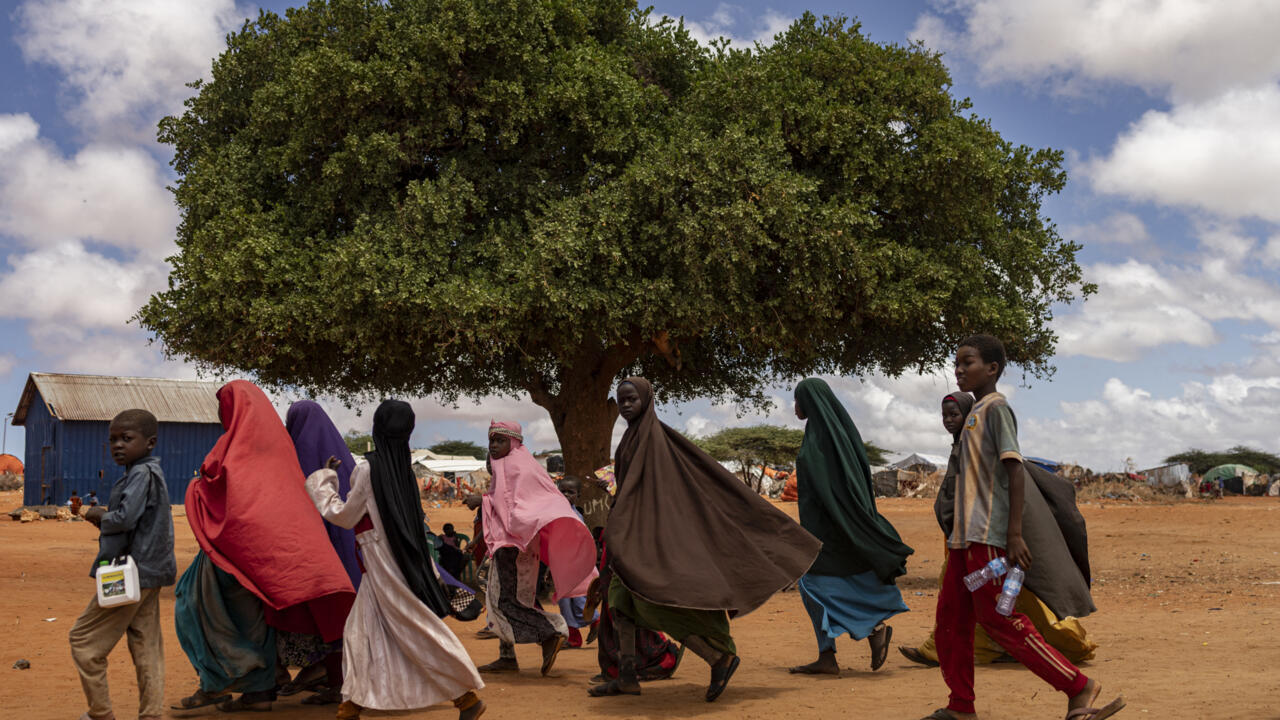
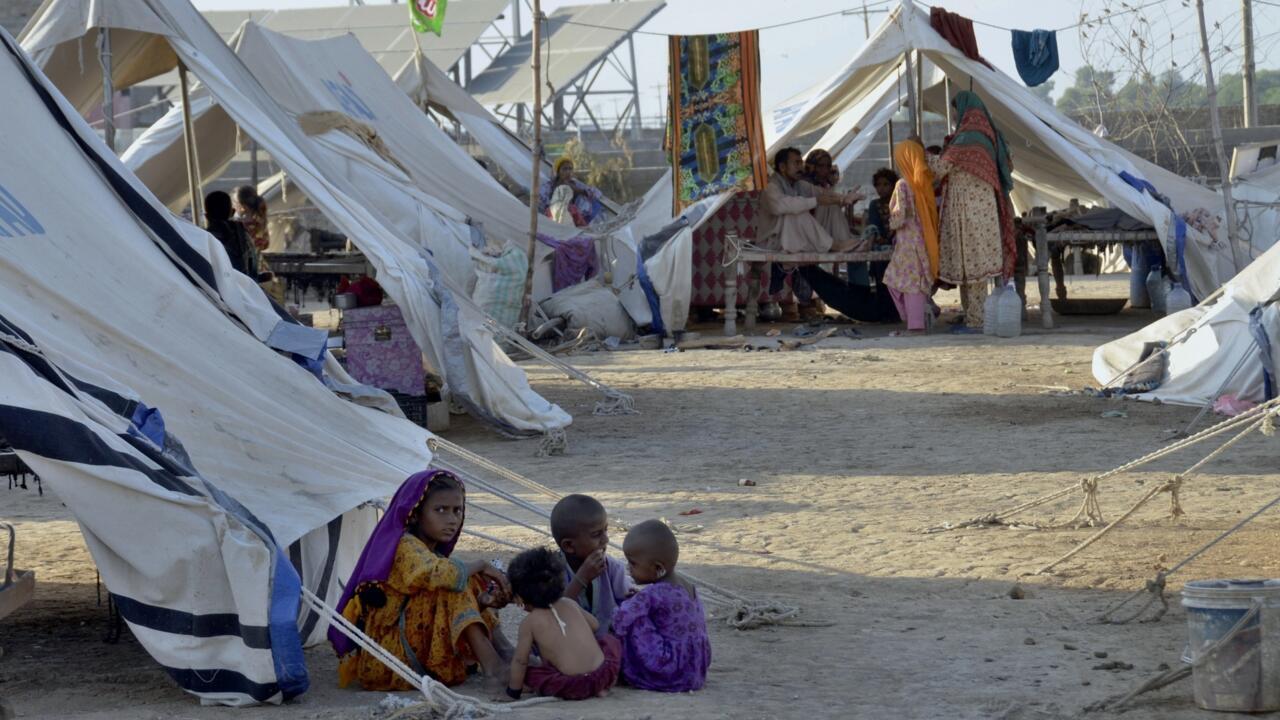
People living in regions with lower scores on the Human Development Index face a substantially higher risk from climate-related disasters, even when these are not unusually severe. This is the key finding of a new study led by researchers at Leipzig University. The study analyzed more than 7,000 climate-related disasters worldwide between 1990 and 2020 and combined these data with subnational indicators of human development. The work is published in the journal Nature Communications.
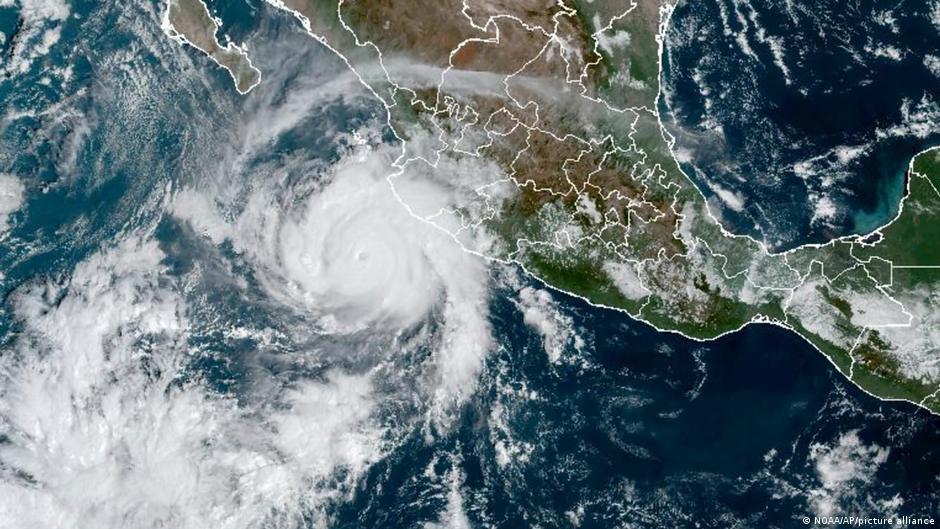
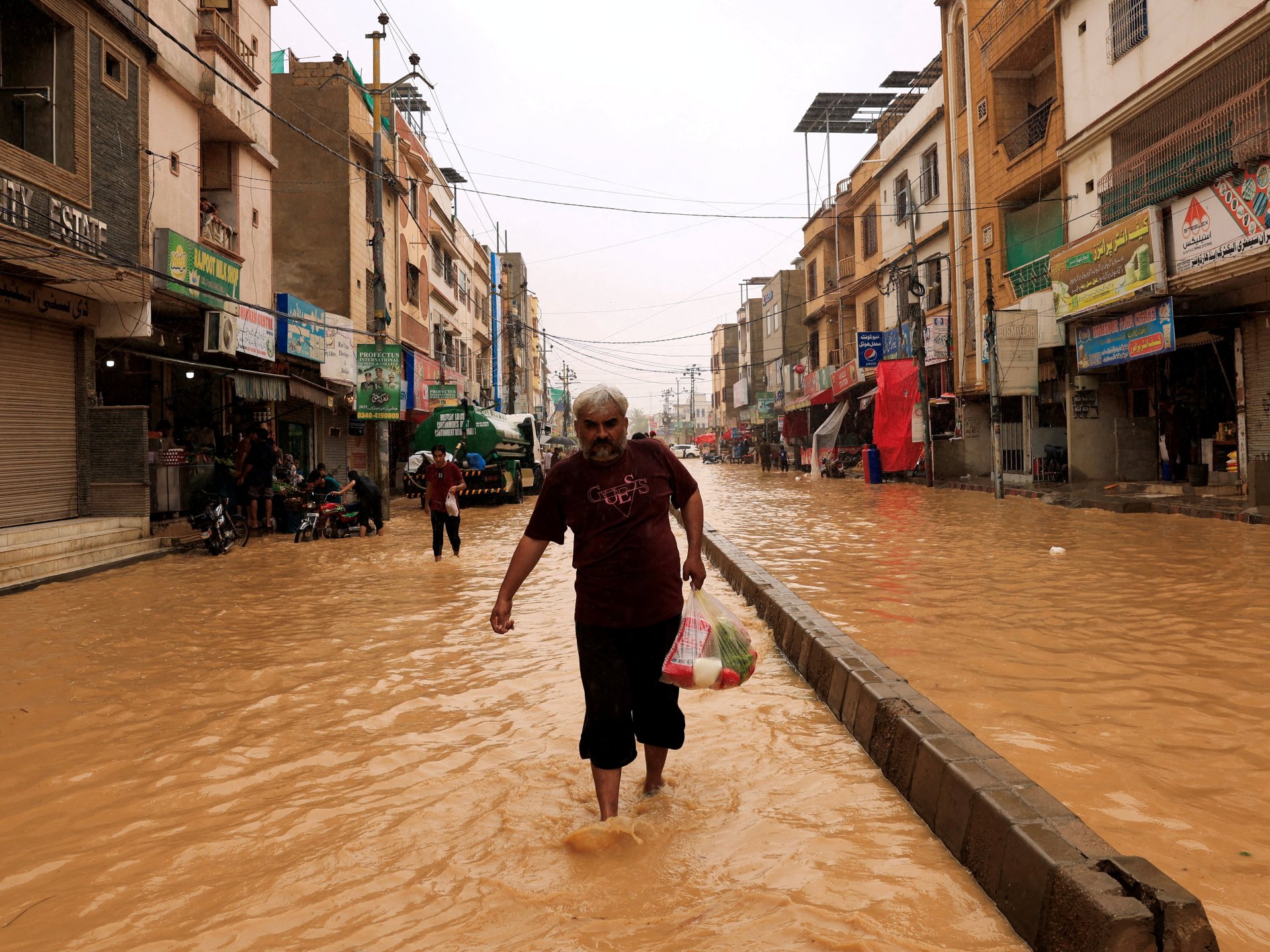
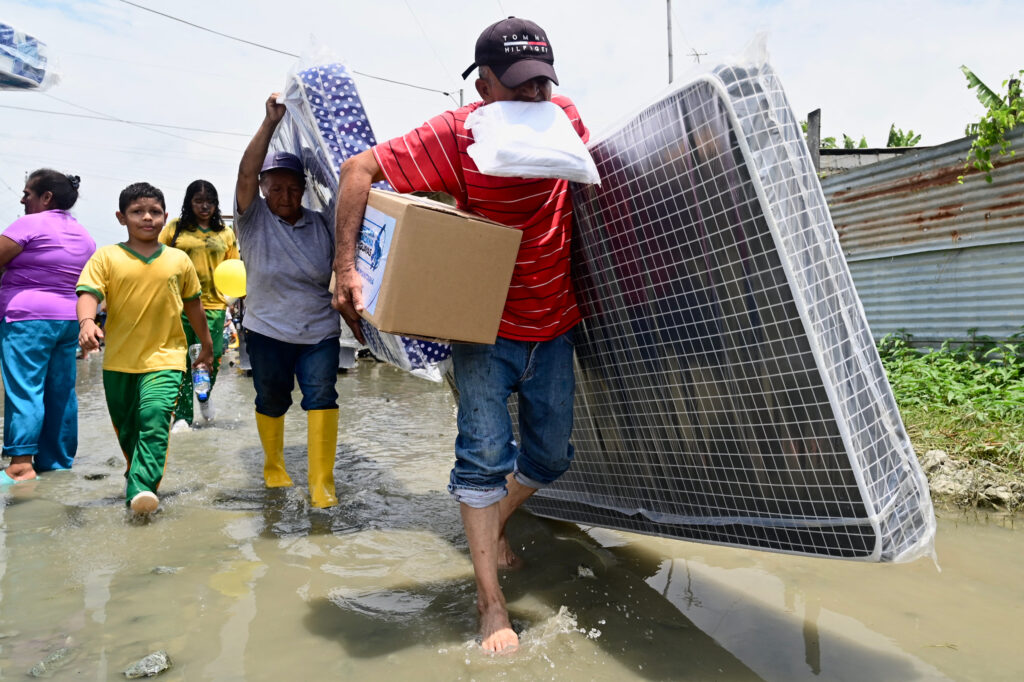
The results show that the impacts of climate-related disasters are not determined by the strength of the hazards alone. Instead, socioeconomic conditions strongly influence how severely people are affected. Regions with low Human Development Index scores experienced disproportionately higher human losses across most disaster types, especially floods and storms. For storms, people in low-development regions face an average fatality risk more than eight times higher than those in very highly developed regions; for floods, the risk is three times higher.
"Our results show that climate disaster risk is not only a question of how intense the hazard is. It is also a question of who is exposed to it and under what social conditions they live," says Khalil Teber, a research fellow at Leipzig University's Institute for Earth System Science and Remote Sensing and lead author of the study. "Particularly in countries that experienced rapid socioeconomic development in recent decades, for instance India or China, where you live matters a lot in defining how severe the impacts of a disaster could be."