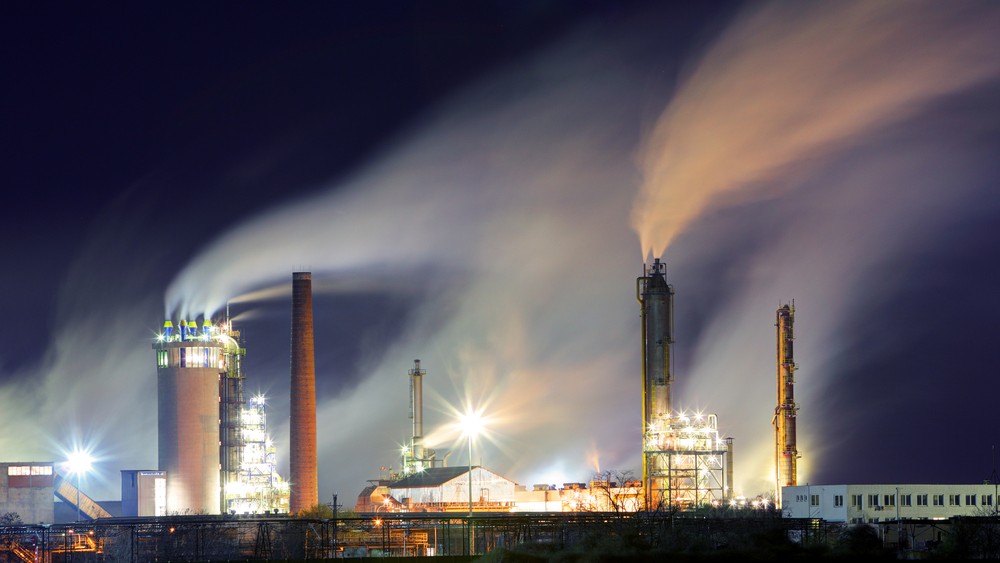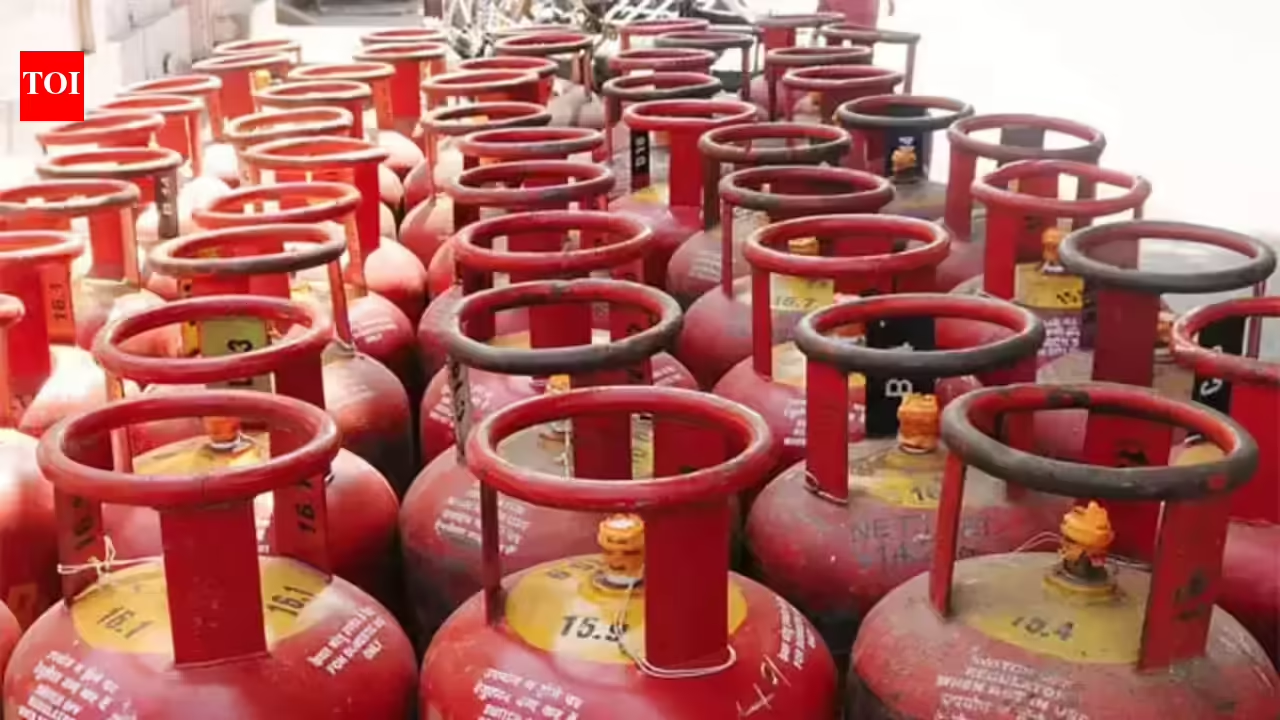
Reliance Industries on Friday called for reducing India's dependence on imported energy, with Executive Director Anant Ambani saying the company redirected domestic natural gas supplies to priority sectors and ramped up LPG availability when the West Asia conflict disrupted LNG imports and rattled global energy markets."India remains dependent on external energy sources for over 70% of our needs. This is not only costly, but it also makes India vulnerable to geopolitical instability. We consider it our duty to ensure India’s future is never held hostage by energy insecurity," he said at the 49th AGM of the conglomerate.Reliance Industries has a unique operational advantage to produce petrol, diesel, jet fuel and related products—it owns the world's most sophisticated and largest refining complex at Jamnagar.Also Read | Reliance AGM 2026 Key Highlights: From Jio IPO, AI ventures to retail bets, check key announcements by Mukesh Ambani"When the West Asian conflict disrupted LNG supplies, Reliance swiftly redirected its domestic gas to priority sectors such as city gas distribution, fertilisers and power generation. When the nation needed it most, Reliance delivered," Ambani said.He recalled the turmoil that followed the disruption of the Strait of Hormuz in March 2026, when crude oil and petroleum product markets witnessed extreme volatility."Let me take you back to March 2026 when the Strait of Hormuz was disrupted, crude and product markets witnessed extraordinary volatile tear during the period, yet our diversified sourcing and agile logistics sustained operations help us maintain near full refinery throughput in the fourth quarter," he said.Despite soaring freight charges, higher insurance costs and supply disruptions, Reliance maintained near-full refinery throughput by relying on diversified crude sourcing and agile logistics.Also Read | Reliance Jio eyes India's own satellite broadband networkThe company also increased LPG supplies fourfold to help bridge the import disruption and ensure uninterrupted availability of cooking fuel across the country."However, the conflict impacted margins as physical barriers commanded a premium, free trades jumped, and insurance costs surged. We increased LPG supply fourfold to help the nation guide over the important disruption," the RIL executive added.Once the crude is refined at its Jamnagar plant, the oil serves a dual commercial strategy split almost perfectly down the middle.Half of Jamnagar’s output—about 33 million tonnes per annum—satisfies India's domestic market with everyday transportation fuels. The remaining 35.2 million tonnes are processed through a dedicated Special Economic Zone refinery unit geared exclusively toward extracting premium margins from Western export markets.Ambani said Reliance's oil and gas business continued to deliver strong operational performance, with revenue rising 5.7% to Rs 6,62,401 crore and EBITDA increasing 10.1% to Rs 60,546 crore.Looking ahead, Reliance is pushing ahead with plans to transform its Jamnagar complex into the world's first end-to-end autonomous refinery, which Ambani described as "an industrial milestone that will define the next era of global refining."He also highlighted the rapid expansion of the company's fuel retail venture, saying Jio-bp's petrol and diesel sales volumes grew 29% year-on-year, while its network expanded to nearly 2,200 retail outlets across the country.However, during this year's AGM, the headline announcement came when Mukesh Ambani revealed that the board of Jio Platforms had approved its draft red herring prospectus (DRHP), with the telecom and digital services company set to file the papers with market regulator SEBI later in the day, taking a significant step towards its much-awaited stock market debut.Reliance Industries shares were trading at Rs 1,309.35 on the BSE, down Rs 18.40 or 1.39% from the previous close on Friday at approximately 3. 56PM.
From Hormuz shock to energy security: How Reliance kept India's fuel lifeline intact
Reliance Petrochemicals, Reliance Oil Business, AGM 2026: Reliance Industries ensured energy security during a West Asian conflict. The company redirected domestic natural gas to critical sectors. It also increased LPG supplies fourfold. This action bridged import disruptions and maintained cooking fuel availability nationwide. Reliance's oil and gas business showed strong operational performance. The Jamnagar complex is set to become an autonomous refinery.
579 words~3 min read