See more Daily Mail on Google - save us as a Preferred SourceBy SABRINA PENTY, FOREIGN NEWS REPORTER Published: 10:39 BST, 19 June 2026 | Updated: 10:45 BST, 19 June 2026
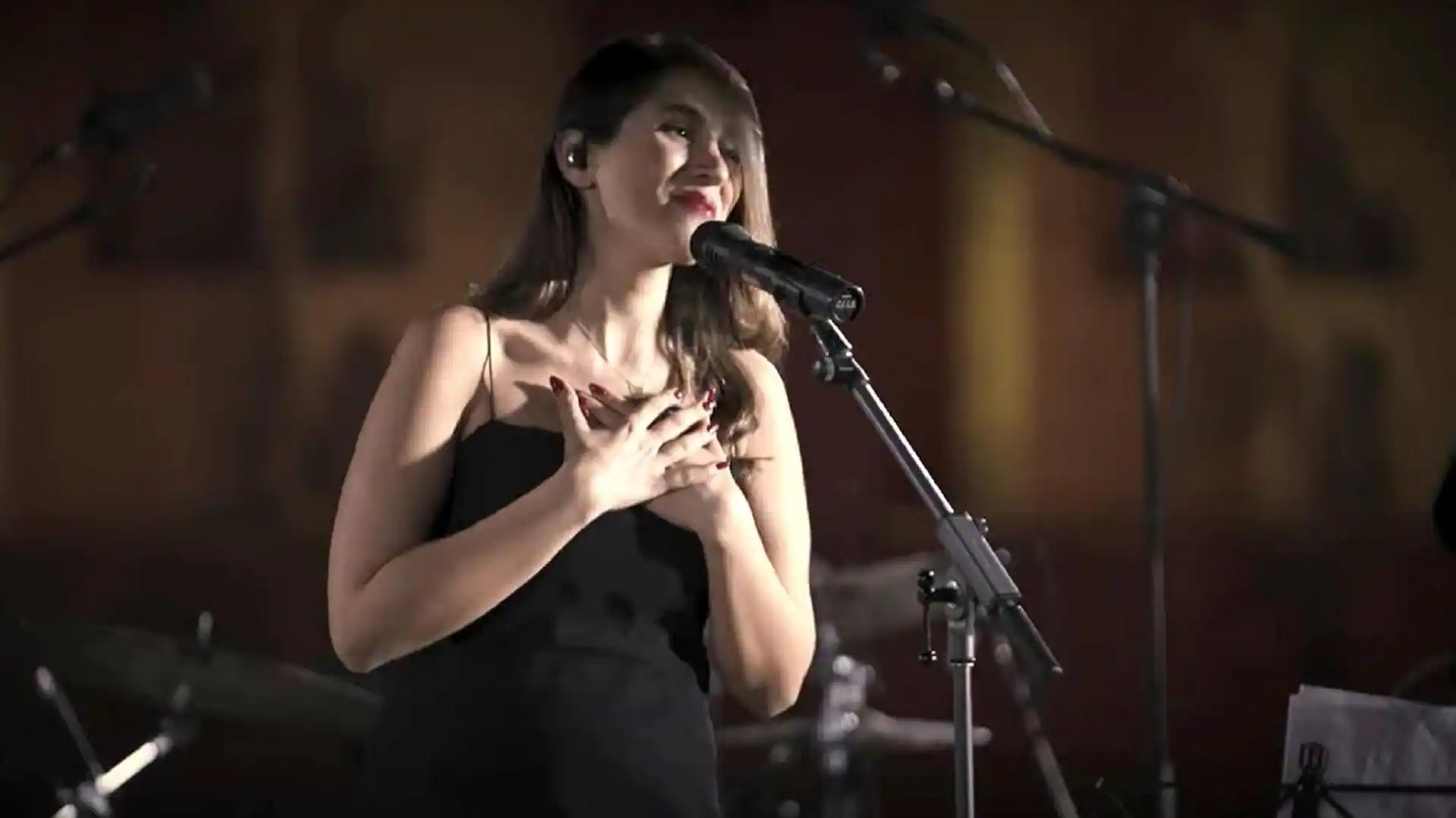
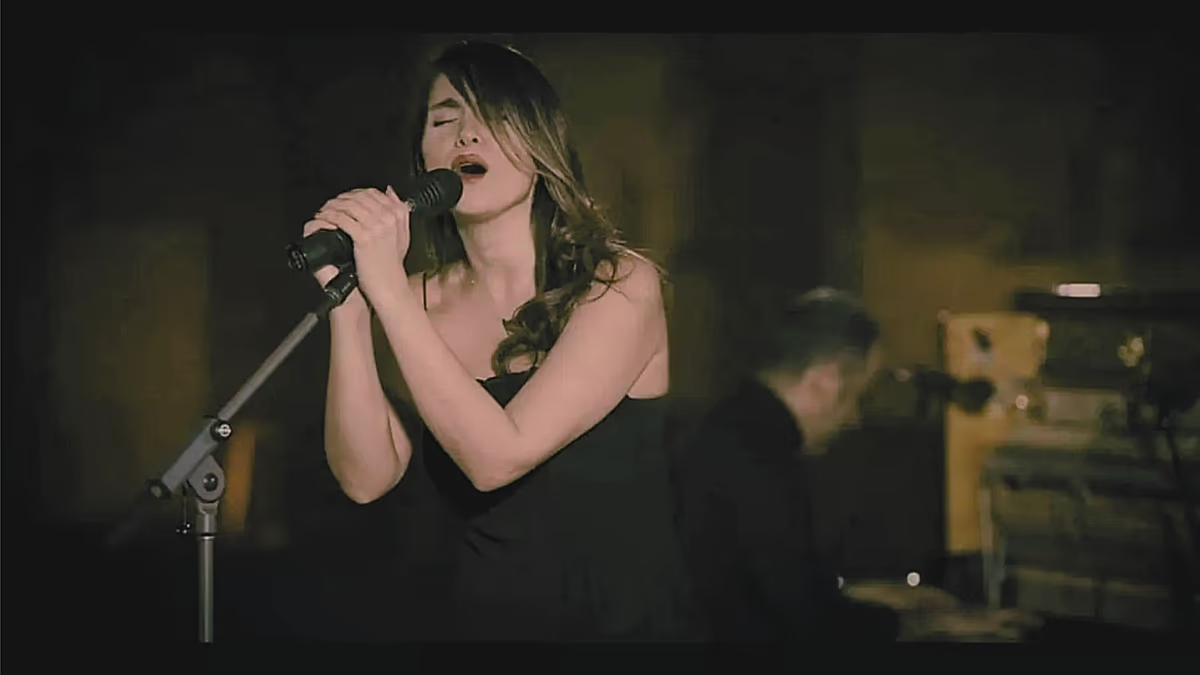
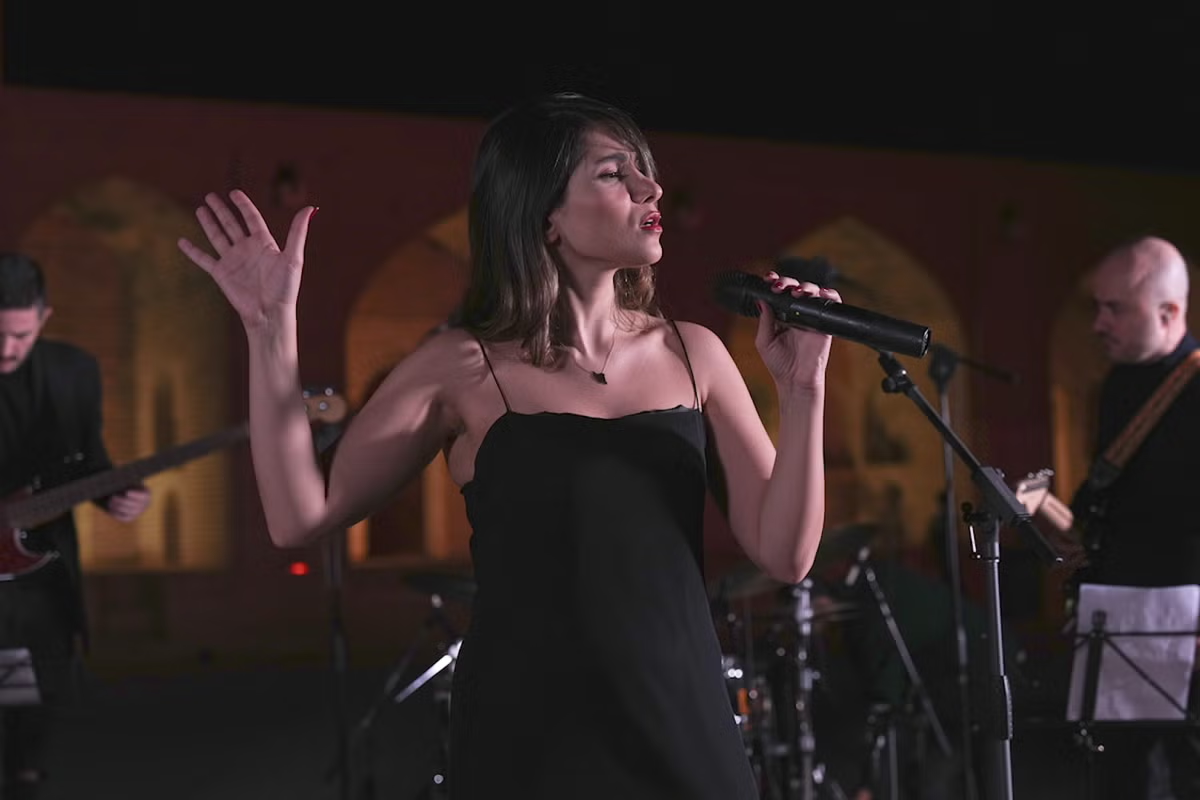
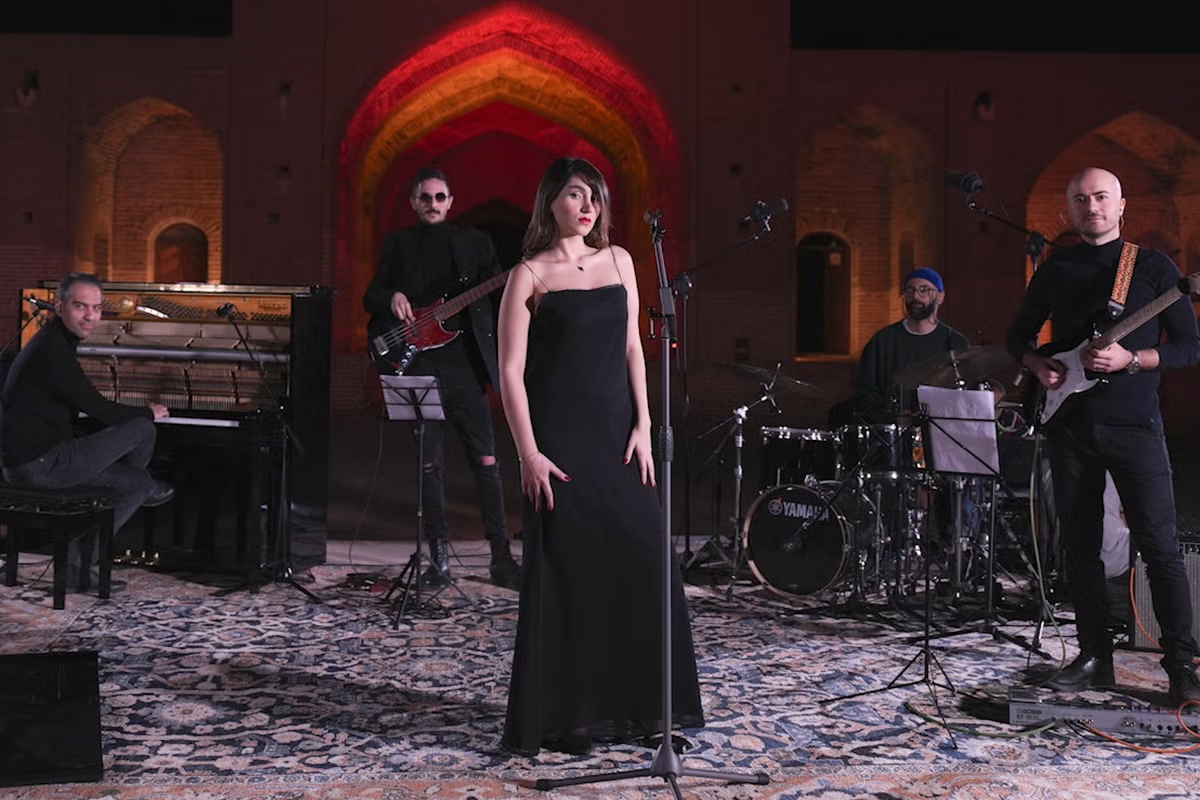
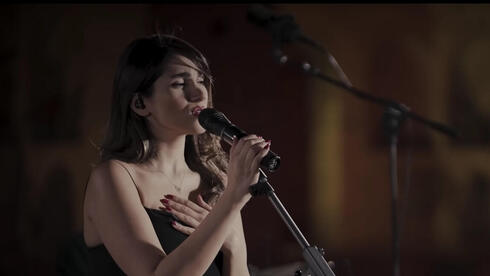
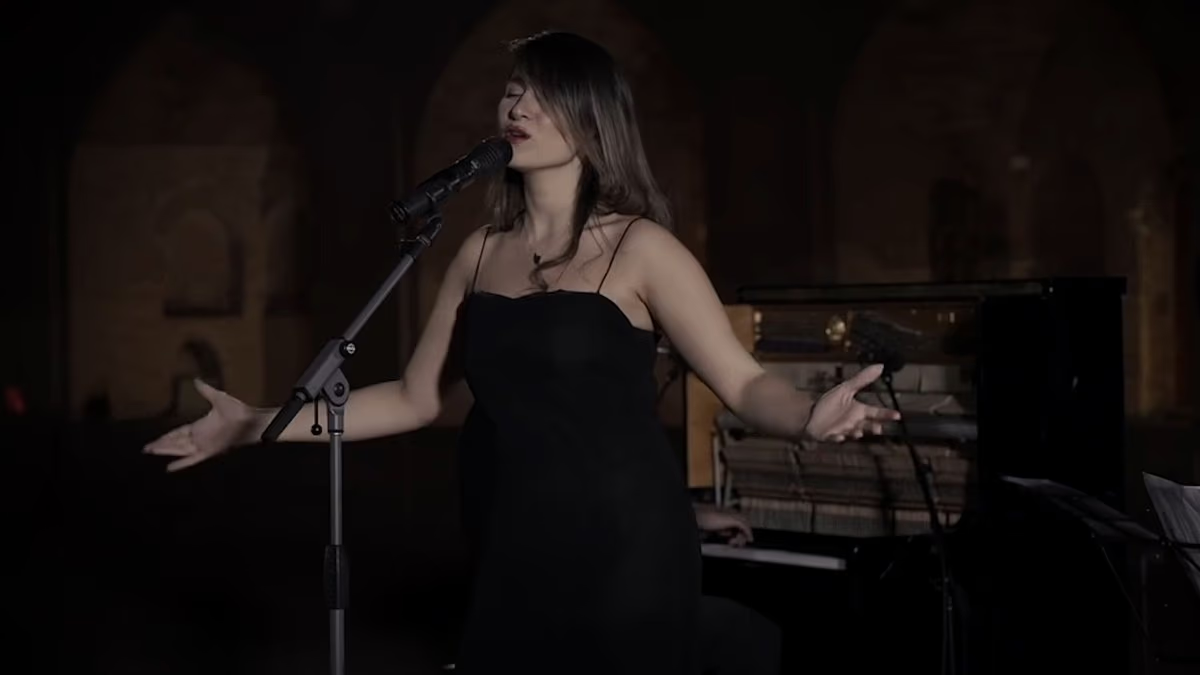
An Iranian singer who performed in a YouTube concert without wearing a hijab has been sentenced to 74 lashes. Parastoo Ahmadi, 29, appeared on a livestream in December 2024 alongside her four-man backing band with no audience present. Ahmadi performed a patriotic song titled Az Khoone Javanane Vatan (From the Blood of the Youth of the Homeland) in a long black sleeveless dress and no hijab. The performance was posted on YouTube, with Ahmadi saying: 'I am Parastoo, a girl who wants to sing for the people.'While the video has racked up millions of views worldwide, Ahmadi and her band were arrested but later released. Authorities then filed a formal case over the publication of the video, and according to court documents, Ahmadi and her band have been sentenced to flogging, a two-year travel ban and a two-year ban on engaging in artistic activities, The Guardian reports. UK-based Iranian anti-regime activist and journalist Niyak Ghorbani told the Daily Mail that Ahmadi's sentencing is 'part of a much larger system of repression that has held an entire nation captive for nearly five decades.'Comments on the singer's YouTube video - which is a platform banned in Iran - praised her bravery and voice, with many saying they were moved to tears. Parastoo Ahmadi, 29, has been sentenced to 74 lashes for singing without wearing a hijab Ahmadi posted her concert on YouTube, saying: 'I am Parastoo, a girl who wants to sing for the people I love. This is a right I could not ignore; singing for the land I love passionately'Some hailed her as 'the woman of freedom', and one said: 'This is beyond art. It is a historical movement and a symbol of resistance against restrictions.'Women are not allowed to sing by themselves in public in Iran.It follows the introduction of a newer and harsher 'Hijab and chastity' bill, which was approved by the Iranian Parliament last year.This means that all women - including girls as young as 12 - must wear a hijab or face strict punishments.Sanctions range from fines to 15 years in prison, to even the death penalty under the charge of 'corruption on earth'.It also brings a stricter level of surveillance to monitor women and ensure they are complying. It applies to women both in public spaces and online.Ahmadi adds to the growing number of women publicly defying the Islamic Republic's laws.Following the Islamic Revolution in Iran in 1979, women were banned at first from singing altogether, then from singing or dancing solo before mixed-gender audiences. In Iranian and Islamic law, women are not allowed to appear without wearing a hijab in front of men who are not related Female vocalists could perform for male audiences only as part of a chorus. But they are allowed to sing in a hall for female-only audiences.Also, based on Iranian and Islamic law, women are not allowed to appear without a hijab in front of men who are not related.In Iran, the hijab has long been a political symbol as well, particularly after becoming mandatory in the years following the 1979 Islamic Revolution. For observant Muslim women, the head covering is a sign of piety before God and modesty in front of men outside their families.There were protests across Iran in 2022 following the death of Mahsa Amini, 22, after her arrest by the country's morality police over allegedly not wearing her hijab.