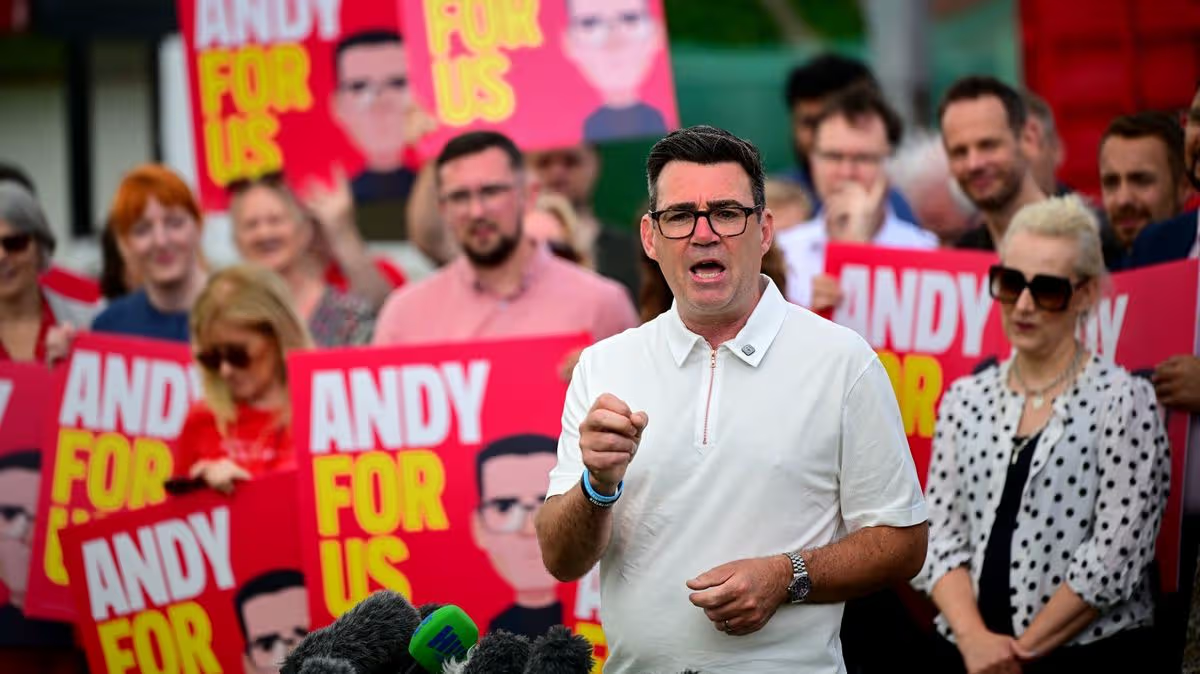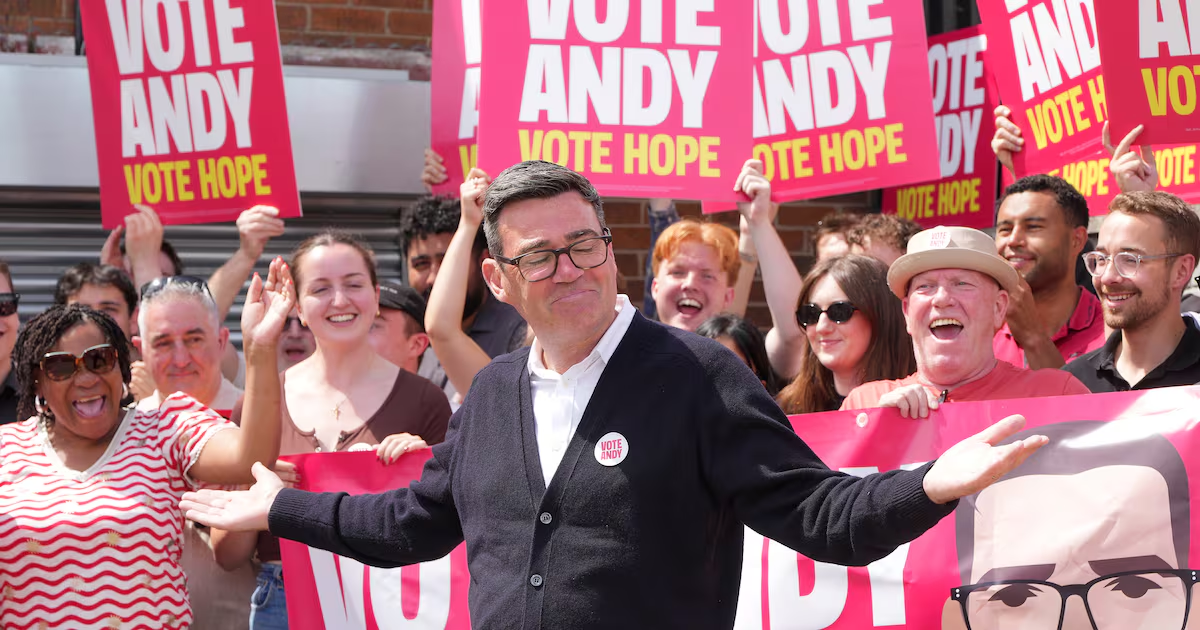
Pollsters should generally avoid hyperbole, but what we saw last night was nothing short of an electoral earthquake. On every standard political and demographic indicator, Makerfield was Reform’s to lose: almost exactly ten years ago, around 65 per cent of Makerfield voted for Brexit, and just six weeks ago Reform swept the board in the local elections – taking more than double Labour’s share of the vote.
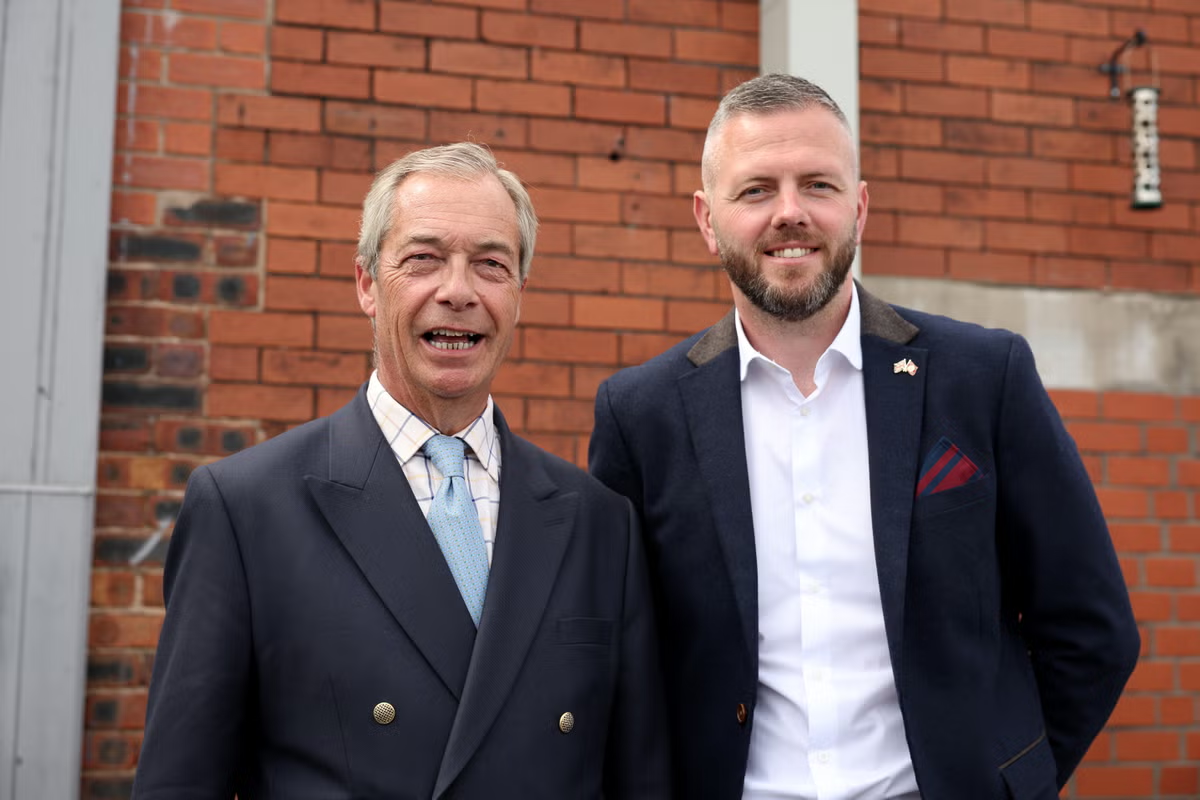
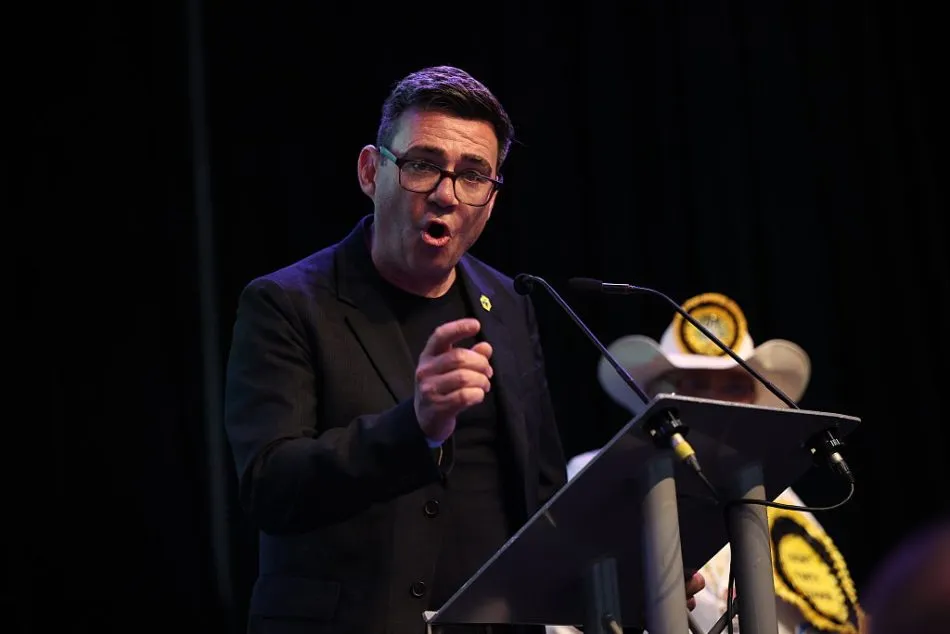
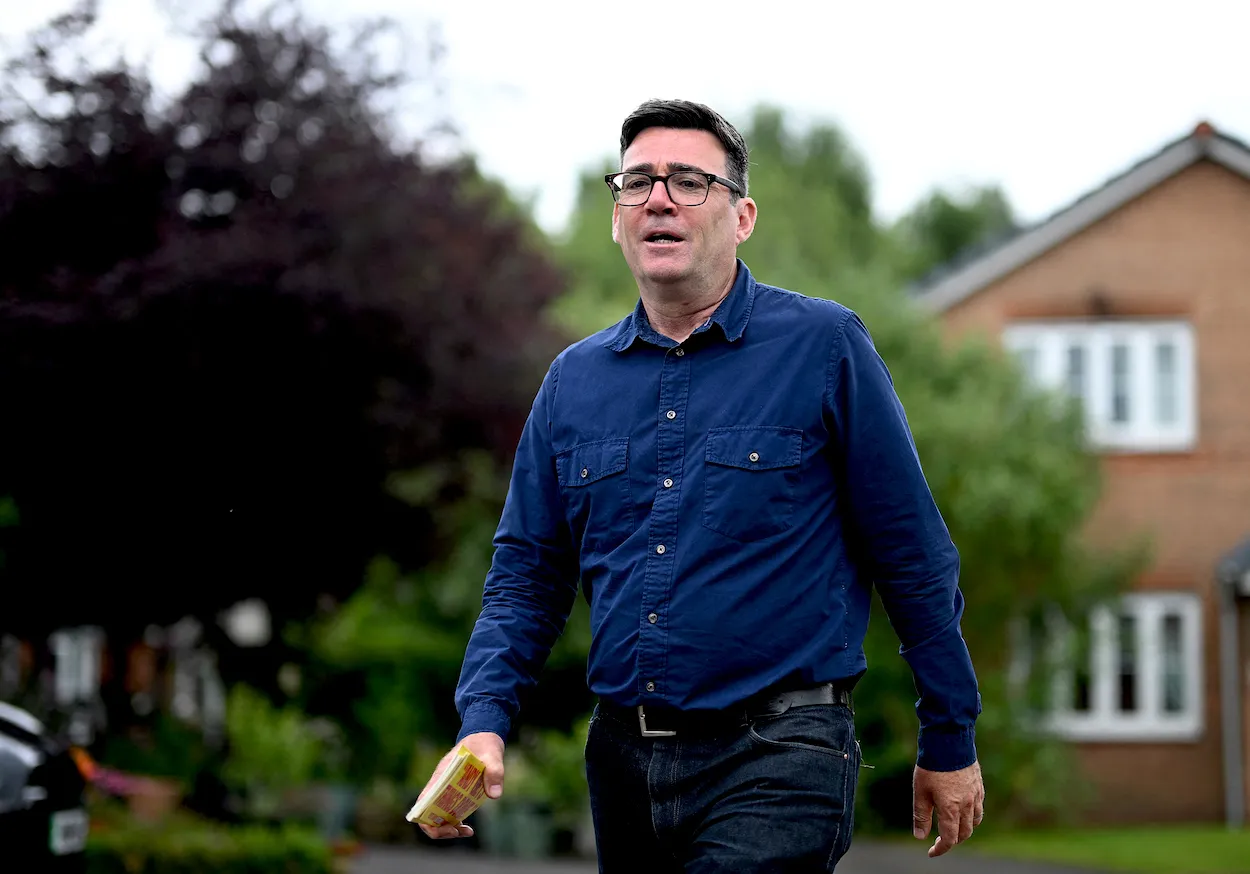
In winning Makerfield so decisively, Burnham broke many of the rules of modern politics: the idea that demography is destiny, or that the Brexit divide is insurmountable. Burnham proved you can unite the left while still appealing to socially conservative voters who might be tempted by Reform. Perhaps most impressively, he overcame the toxicity of the Labour party brand. The voters we spoke to in Makerfield often had different views on Burnham, Kenyon and Farage, but they almost all converged on one thing: sheer anger towards Keir Starmer.
So how did Burnham do it?
In his speech, Burnham spoke of putting a ‘Makerfield test’ at the heart of British politics. Politicians have spent the post-Brexit decade promising a better offer for places that feel neglected by Westminster and cut out of our national story, but have failed to follow through. From our nine focus groups in the run-up to this by-election, it was clear three things convinced voters that, in Burnham’s case, the promise might this time be real.