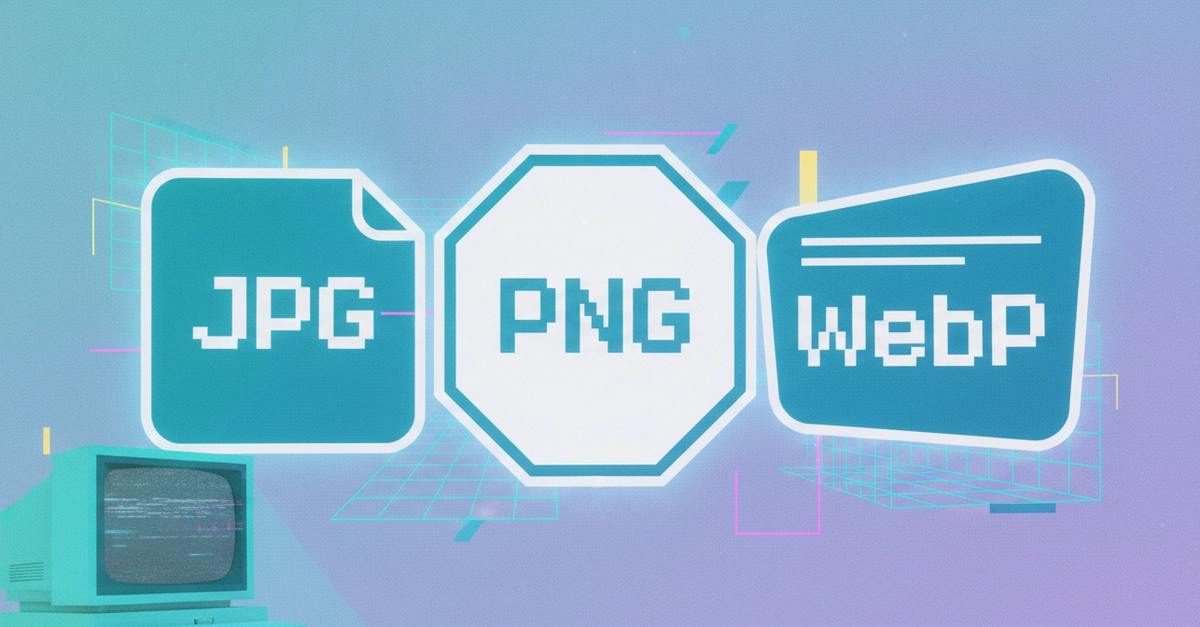
Choosing the Right Image Format: A Guide for Designers and Developers
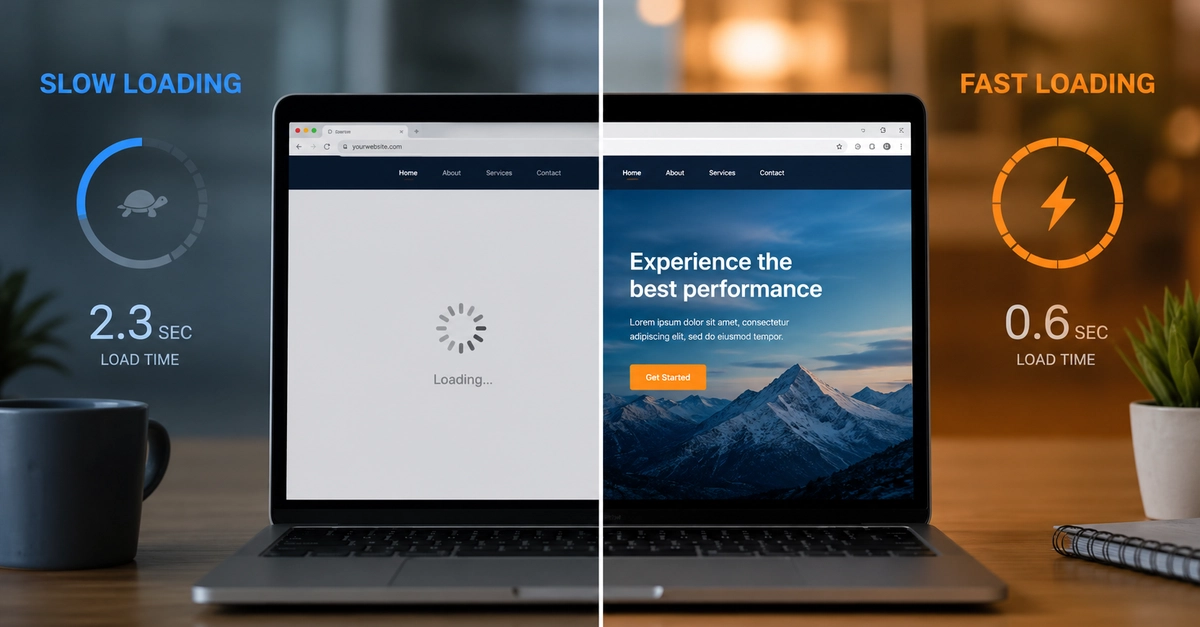
Most people pick an image format by accident, whatever their software defaulted to, or whatever the "Save As" menu happened to highlight. That casual choice ripples outward in ways that aren't obvious until something breaks: a logo that looks fuzzy on the website, a hero image that takes four seconds to load on mobile, a print file that comes back from the printer looking nothing like the screen. The format is a decision, and making it deliberately saves you from all of those headaches.
The challenge is that there's no universal "best" format, only the best format for a specific job. A photograph, a logo, an animation, and a print-bound poster all want different things. The trick is learning to read the requirements of your project, the content, the destination, the need for transparency or scalability, and matching them to the format built for that purpose. This guide gives you a framework for doing exactly that, then walks through every common format so you can choose with confidence.
Understanding Image Formats: Raster vs. Vector
The first and most important fork in the road is whether you need a raster or a vector image.