A new IEA report shows that demand for hydrogen worldwide surpassed 100 million tonnes in 2025, while production of low-emissions hydrogen grew by 20% to almost 1 million tonnes.
The latest edition of the International Energy Agency (IEA) Global Hydrogen Review finds that the conflict in the Middle East is renewing interest in hydrogen and hydrogen-based fuels as long-term options to strengthen energy security. However, it stresses that low-emissions hydrogen remains far from the scale needed to deliver an immediate response. The report also notes that the war has disrupted global production and trade in hydrogen-based products. The IEA reports that global hydrogen demand surpassed 100 million tonnes in 2025, while production of low-emissions hydrogen rose 20% year on year to almost 1 million tonnes. However, it warns that persistent barriers — including high costs, uncertain demand, complex regulation and a lack of infrastructure — continue to slow deployment, putting 2030 targets set by governments increasingly out of reach, according to IEA Executive Director Fatih Birol.
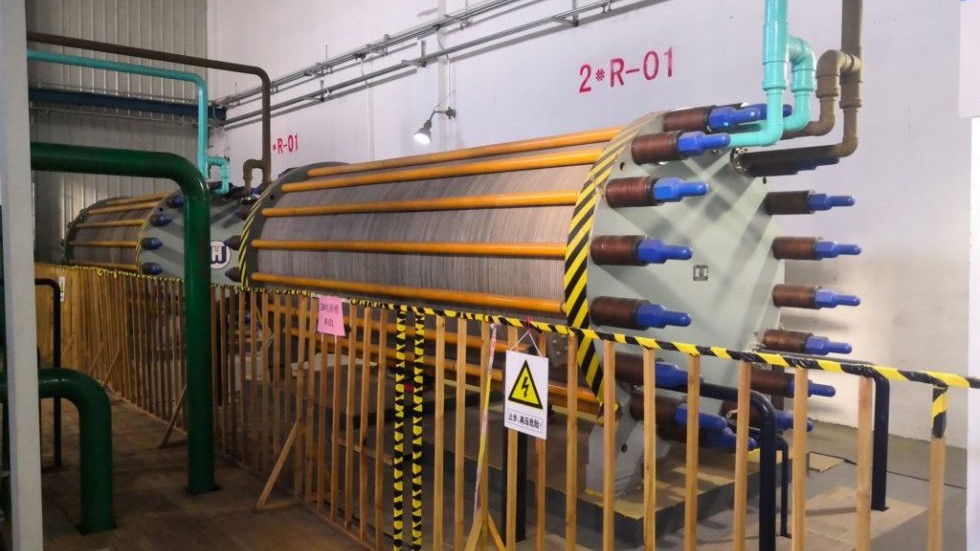
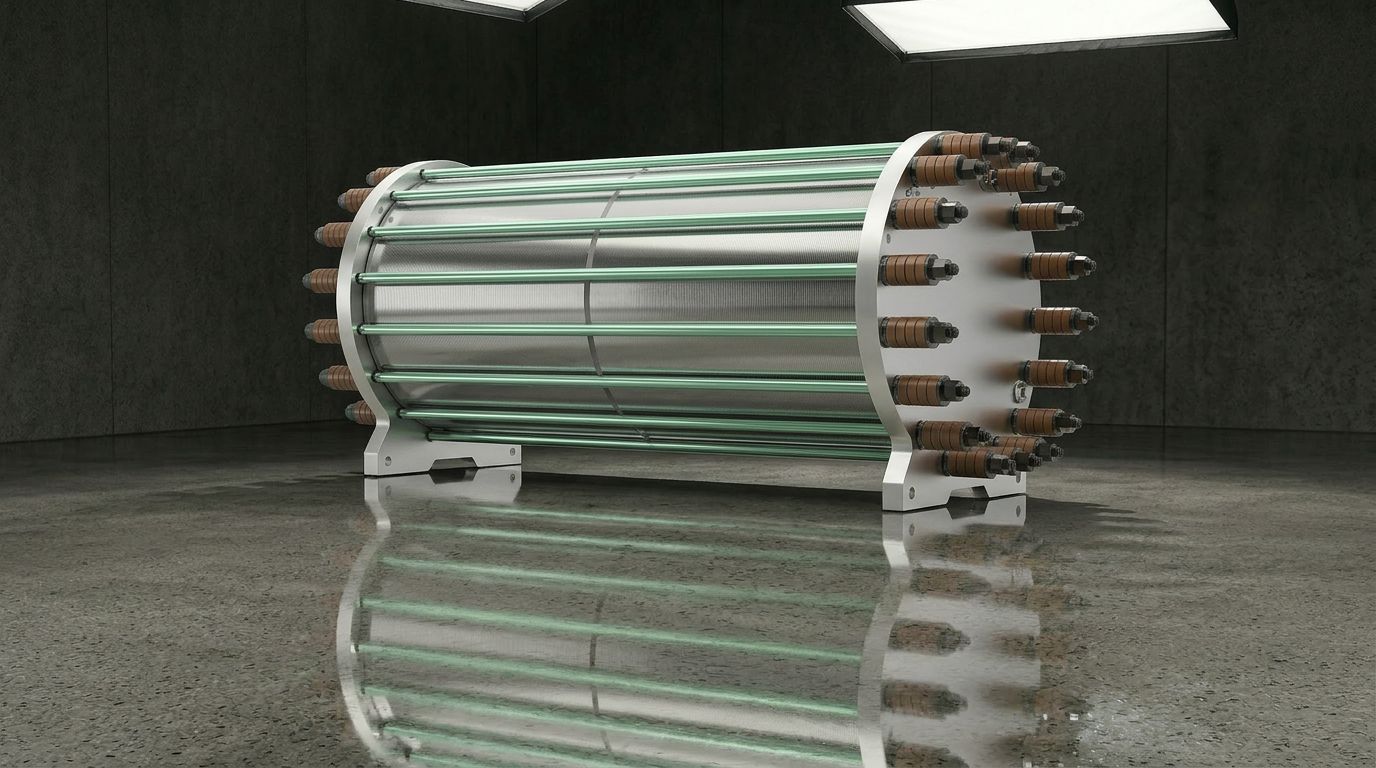
Petrobras and Finep have launched a call for proposals to support domestic development of an industrial-scale electrolyzer, with backing from the federal government. The initiative aims to reduce costs and integrate innovative technology compared with imported systems, Petrobras said. The call requires at least 50% local content and will provide BRL 150 million ($30 million) in non-reimbursable funding, split equally between Finep and Petrobras. At least three companies are expected to participate in the development. “We want to reduce our dependence on foreign technology and, thereby, lower the cost of hydrogen, which is the main barrier to large-scale adoption,” said Petrobras Director of Engineering, Technology and Innovation Renata Baruzzi. The project scope covers basic engineering through to a pre-commercial prototype.