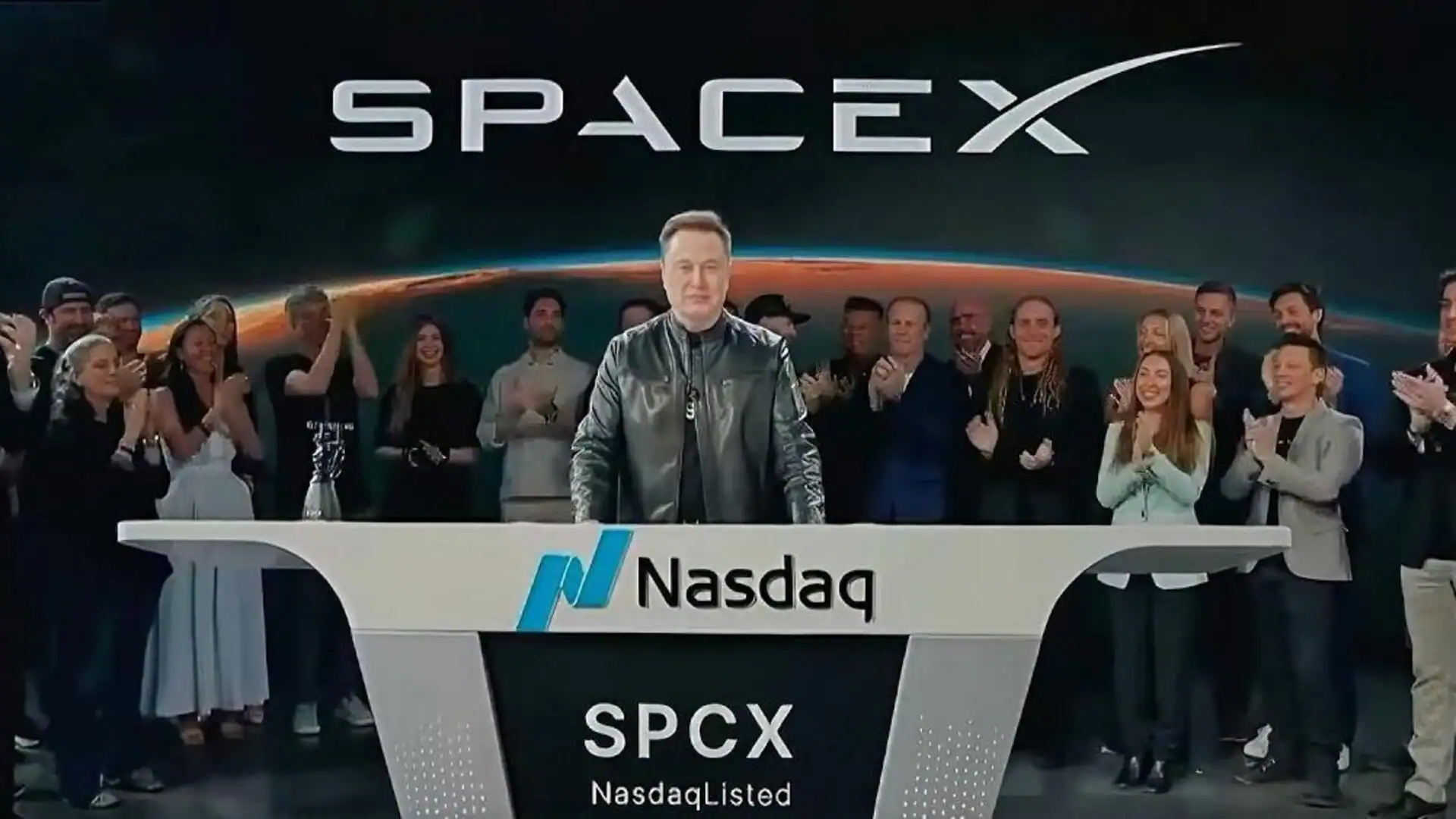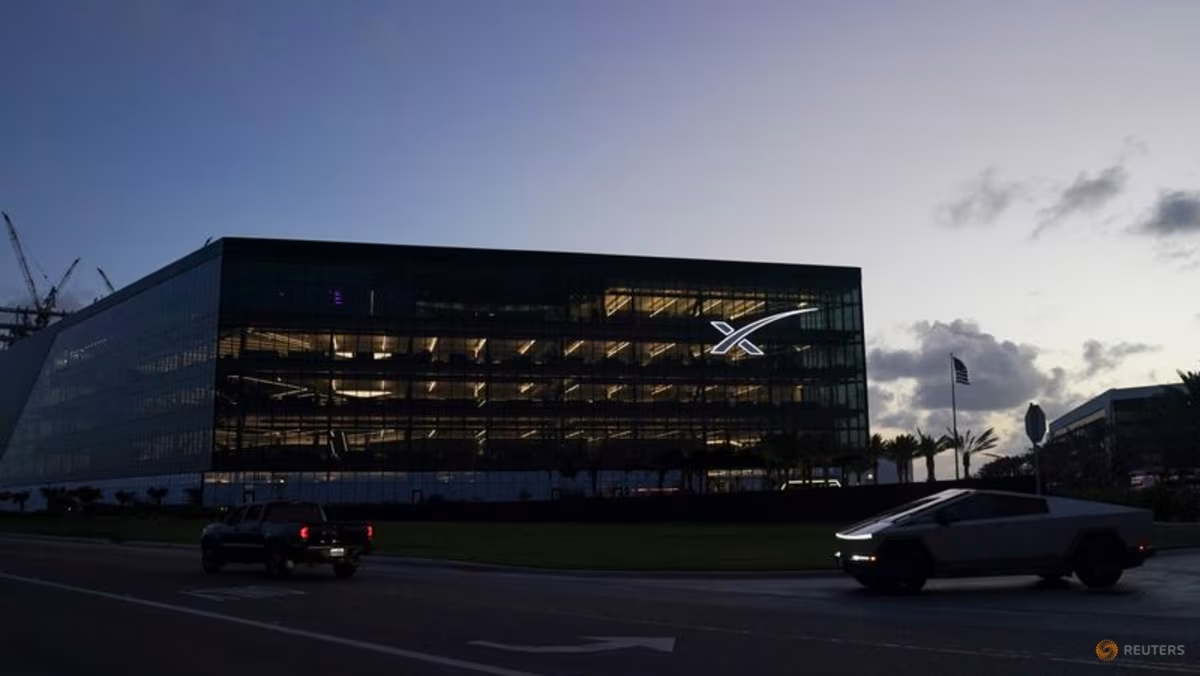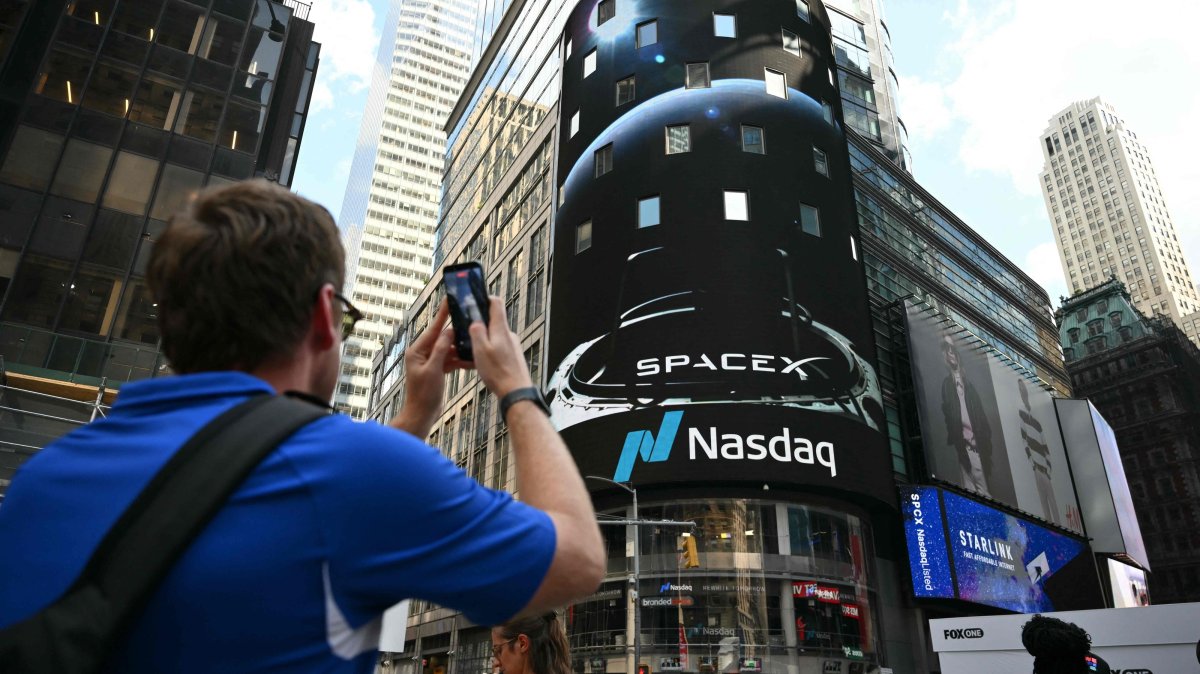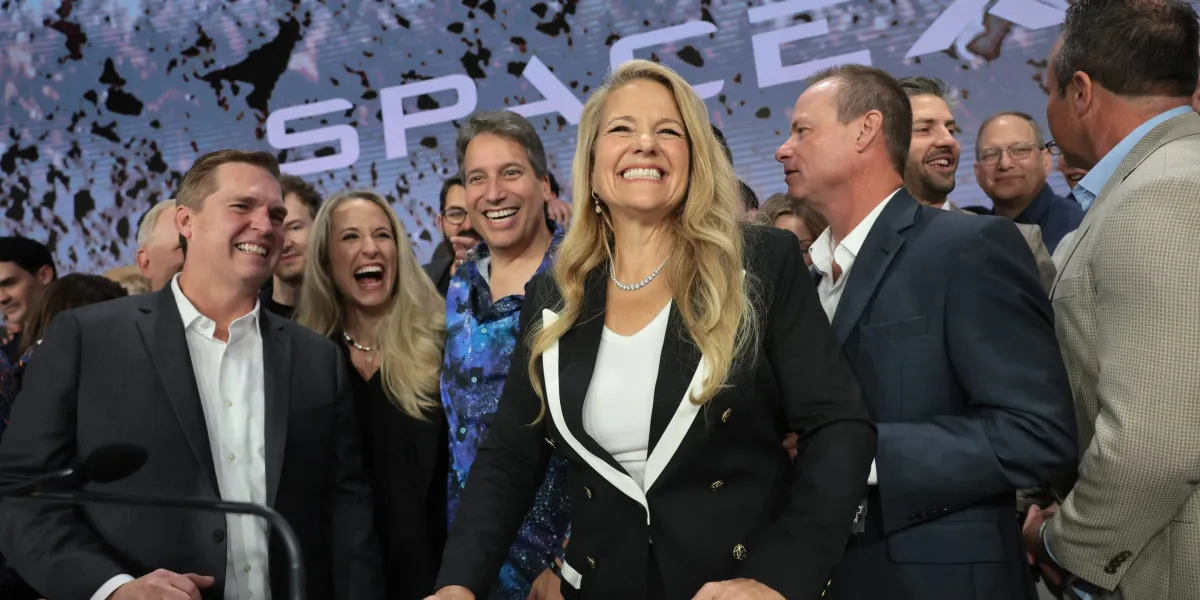
The business media and analyst community almost universally hailed the SpaceX debut on June 12 as achieving a kind of triumphal golden mean. The overwhelmingly positive take: The offering managed to simultaneously raise the biggest cash proceeds, and launch the largest valuation for a newly-traded U.S. enterprise ever seen, provide terrific quick gains for institutional and a coterie of anointed retail investors—yet avoid a huge first day pop that would penalize SpaceX by leaving a terribly large portion of the deal’s true value “on the table.”
The absolute dollar amounts that SpaceX (SPCX) sacrificed in going public, however, are staggering and precedent-shattering. Put simply, Elon Musk’s creation stands in urgent need of tens of billions to fund the giant capital expenditures required to power what it acknowledges as its principal growth engine, its new AI franchise. The towering sums that flowed in one-day profits to privileged investors who got shares at the IPO offer price on the cheap—and may reward the bankers who steered them those allocations by sending back lucrative, “soft dollars” trades—would have provided a lot more rocket fuel in the tank to sustain what Musk advertises as the fastest takeoff in the annals of capitalism.