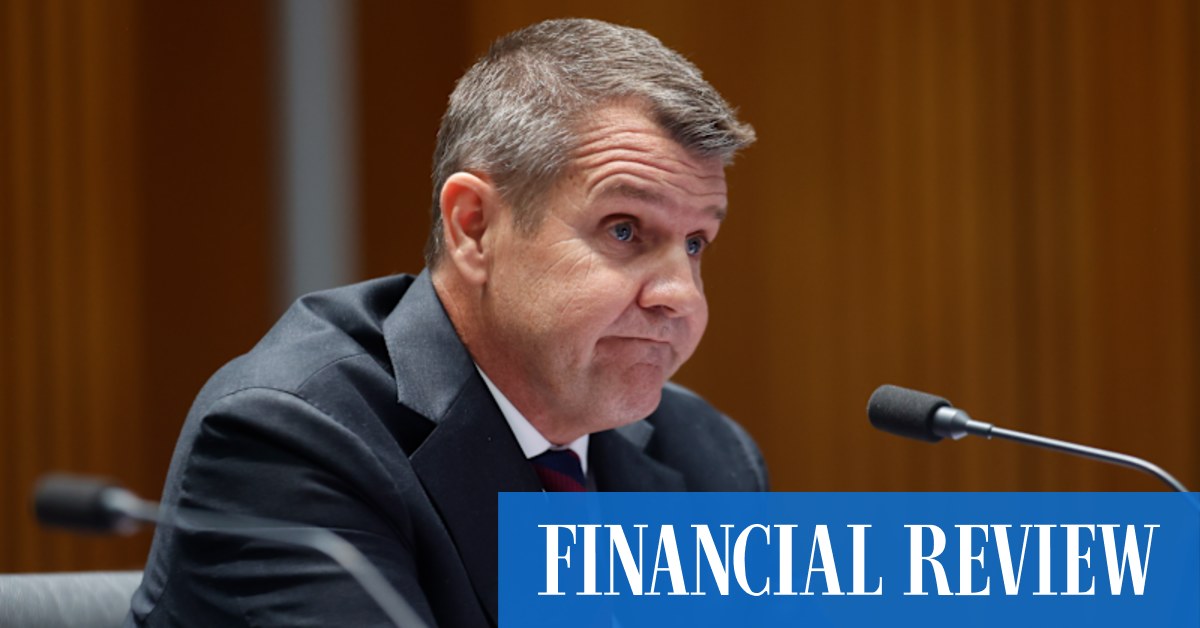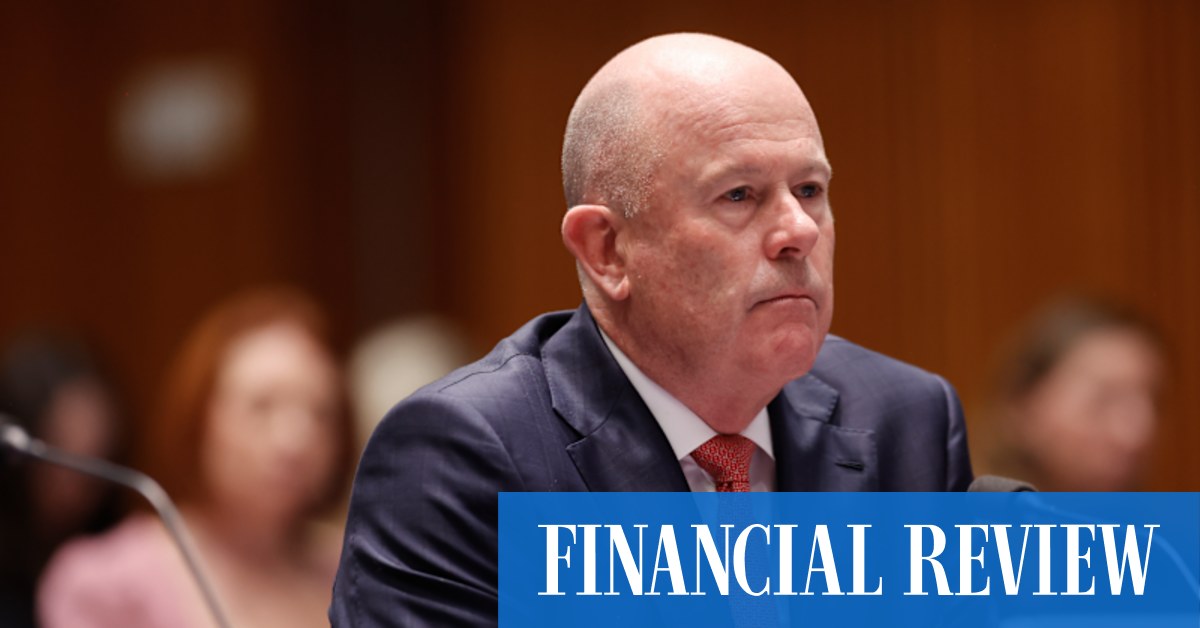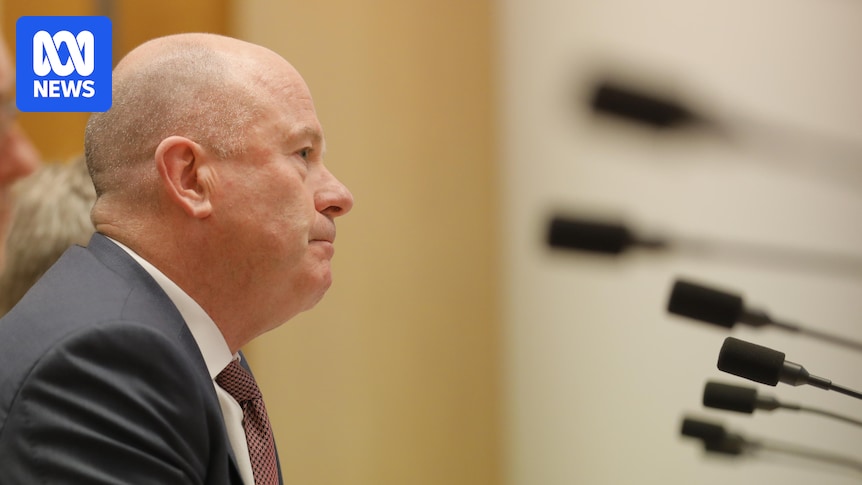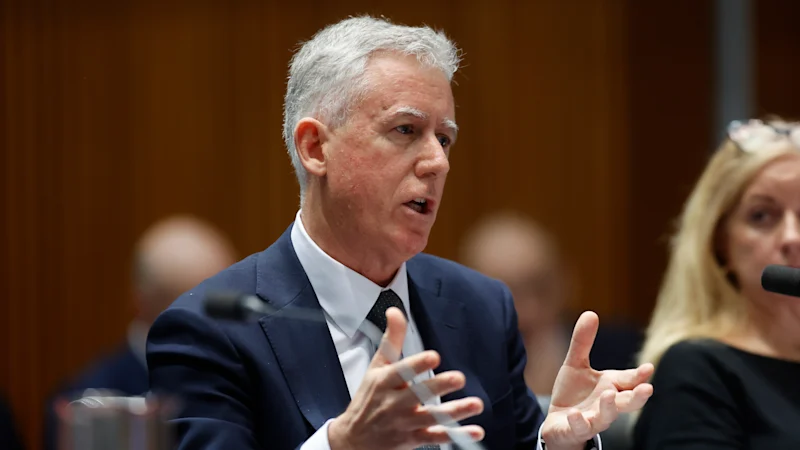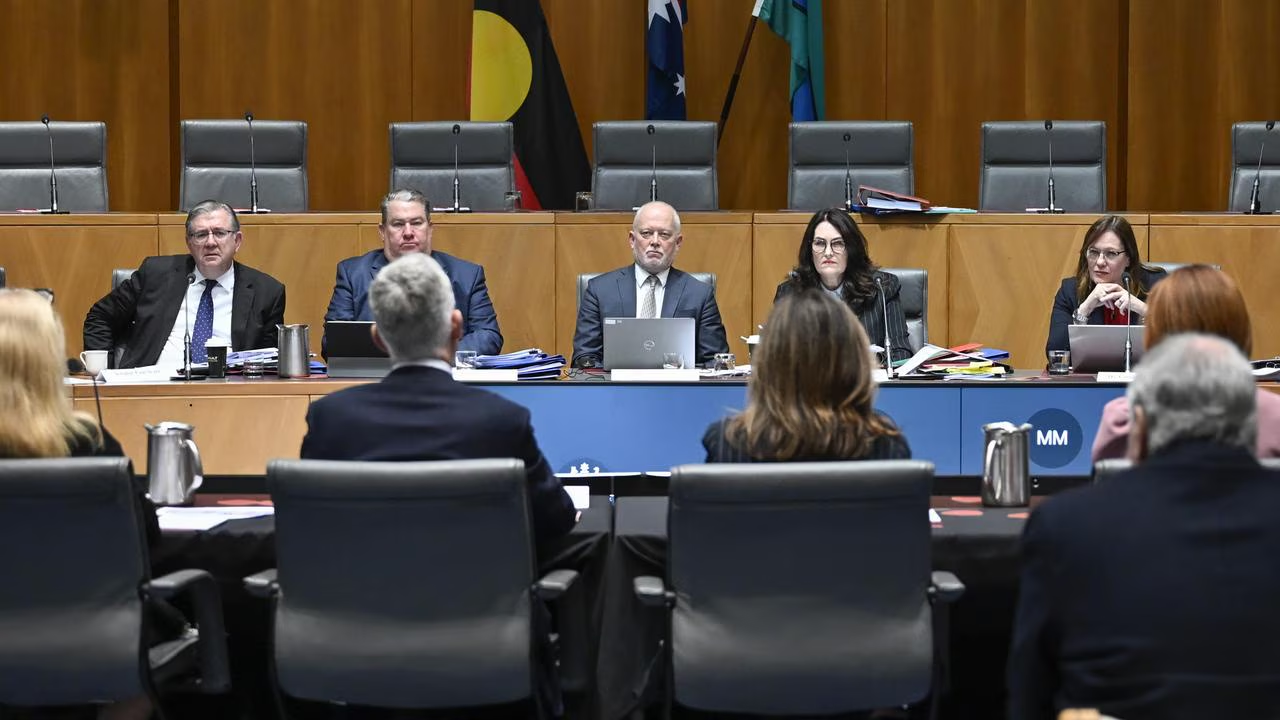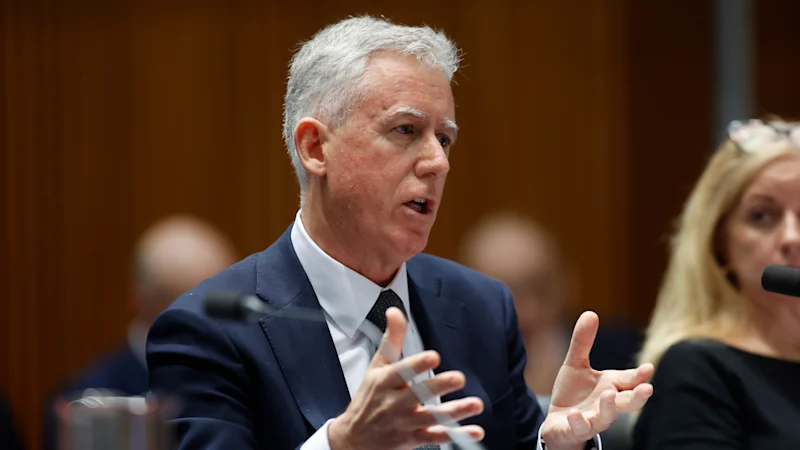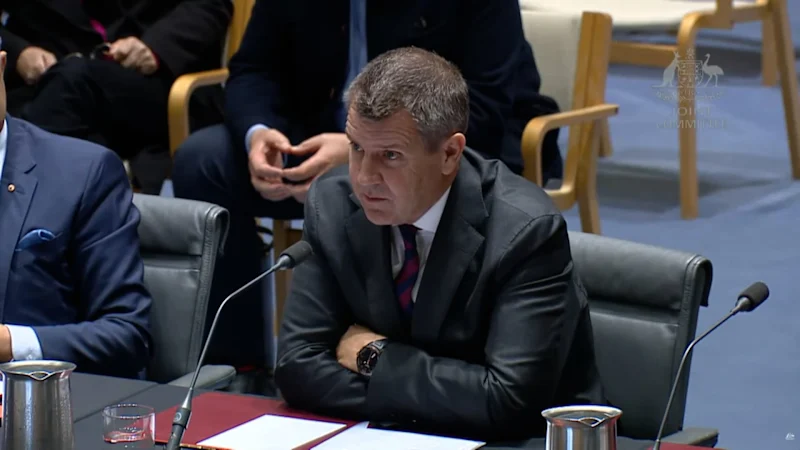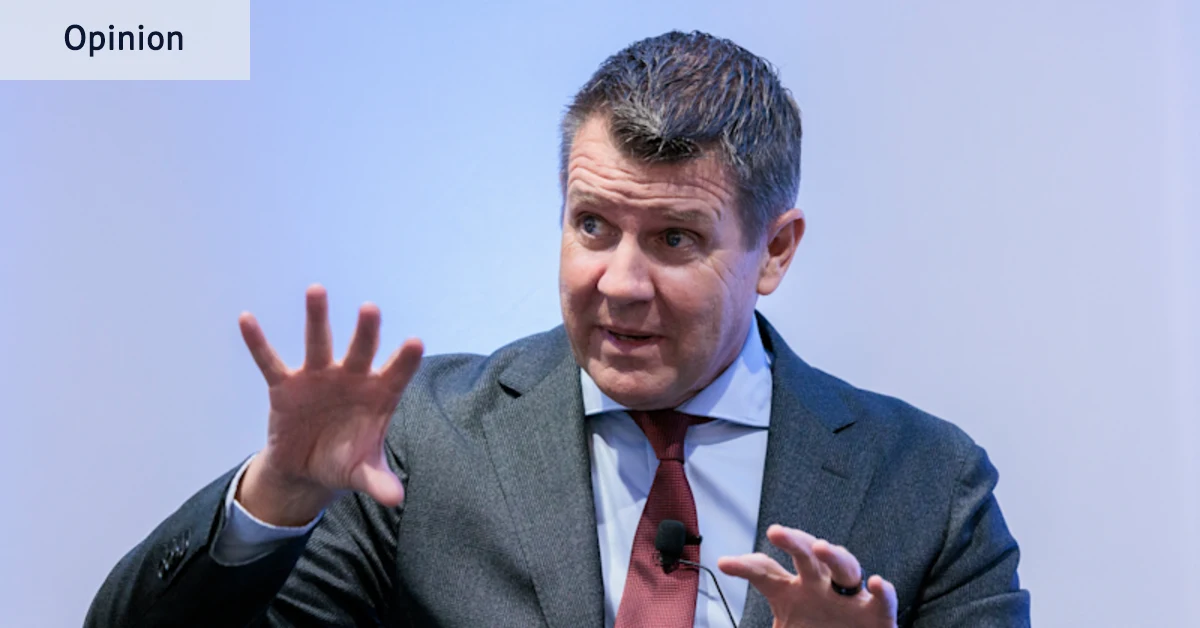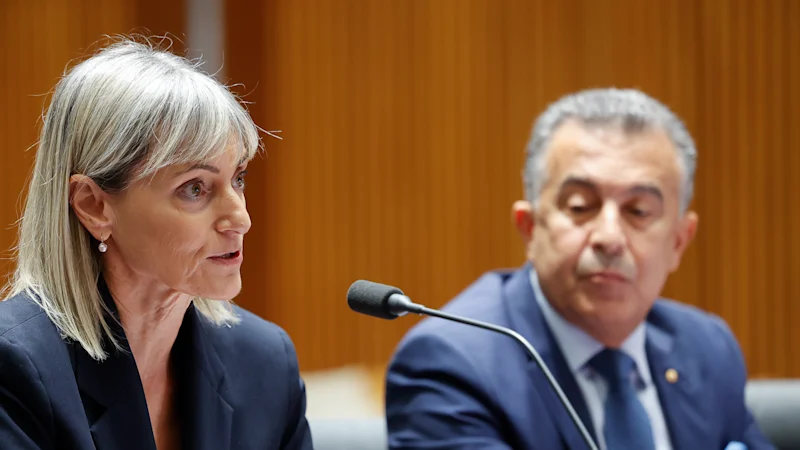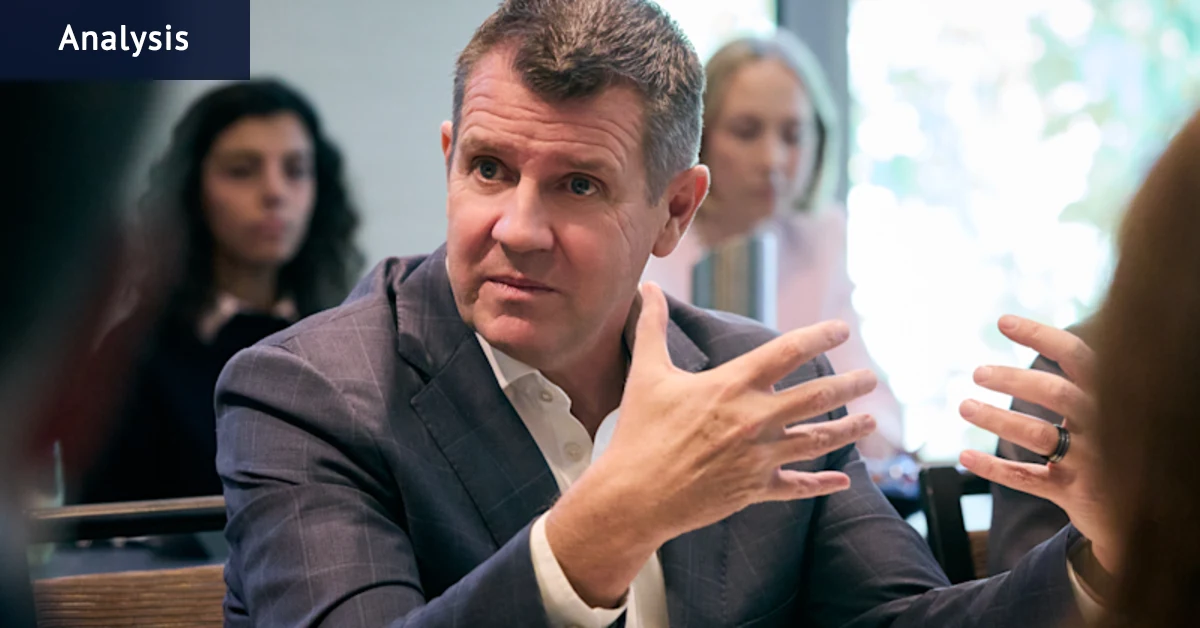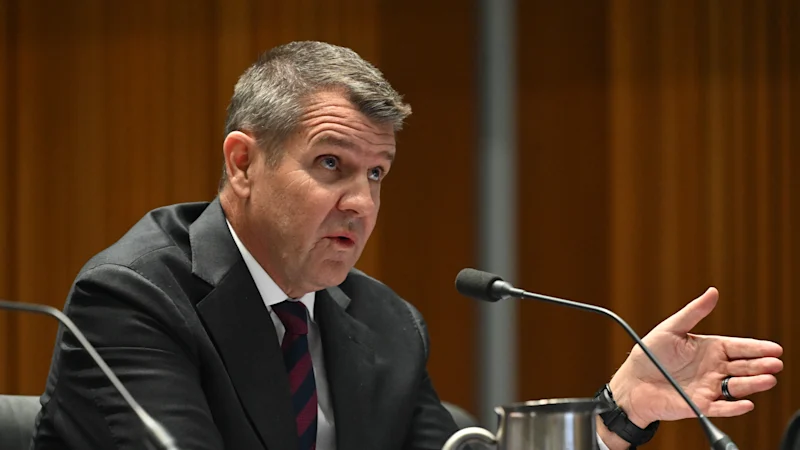
June 19, 2026 — 4:09pmFormer KPMG director Mike Baird has admitted the accounting giant’s independent directors were initially too trusting of how the firm presented explosive whistleblower claims to the board, and says the company’s response lacked urgency.The one-time premier of NSW, who served as an independent director at the consulting firm from 2022 until September last year, also criticised KPMG’s controversial use of a legal defence to keep details from a Senate inquiry where he gave evidence on Friday.Former independent KPMG director Mike Baird says the company was too slow to respond to the allegations.AAPBaird was blunt in expressing his unhappiness with how KPMG responded to the whistleblower’s complaint, which has thrown the consulting giant into turmoil and led to the resignation of its most senior executives and the loss of business from major clients.“As you’ll see in my letter, I was also unhappy with the progress on the whistleblower claims, and my request was that, well, pursuing the external investigation had been secured before I resigned, and that was important to me,” Baird told the hearing.Before he resigned, Baird had been assured by management that there was no substance to claims from a whistleblower that senior KPMG staff had shared data from blue-chip clients including construction giant Lendlease in order to win business.“Now, were we too trusting in that position? Clearly, we were,” Baird said.Baird, who is the current chair of Cricket Australia, said he had offered to stay on KPMG’s whistleblower committee “post my resignation, to help, because I felt that what I had seen was that there wasn’t the urgency, we hadn’t had the transparency … we should have in the process.”His comments came as KPMG’s current and former bosses were also grilled by the committee over the firm’s response to the allegations that have become a snowballing scandal for the firm.“It is very clear that, having provided our external auditor with all the normal access they require to Lendlease’s books and records, there has been a fundamental breach of trust whereby our auditor’s access to those books and records has been gravely misused,” Lendlease chairman John Gillam told the hearing.KPMG is under intense scrutiny after admitting that some of its staff accessed confidential information from corporate clients to win business – a serious breach of trust in the world of auditing that is essential to the integrity of financial markets.The allegations were first raised to the firm in 2024 but did not become public until Labor senator Deborah O’Neill aired them in March this year.Baird, who stepped down from the KPMG board last year, told the committee he left the company because he could not meet a change in the required workload, but he also made clear he was unhappy with how it handled the whistleblower’s claims.“I think the whistleblower deserved to have those claims properly assessed, and I made that comment in my last board meeting as well,” Baird said.Baird also criticised KPMG’s use of legal professional privilege, which it has used to justify declining to hand over certain information to the committee because it is legal advice. Parliament has special powers to disregard legal protections that may apply in other contexts, and law firms have repeatedly run into court problems for using overly broad definitions of the concept.Baird said he has not seen the documents that the firm is keeping from public view by claiming legal professional privilege, but had a clear view on whether they should be allowed to do this: “On the matter of privilege, Senator, the position’s pretty clear, I don’t think it should apply.”Former KPMG chief executive Andrew Yates.Getty ImagesKPMG board member Jane Hemstritch shared Baird’s view on KPMG’s use of legal professional privilege. “My position on this is that you should have been provided with everything that you needed to conduct the inquiry,” she said.Politicians on the committee also criticised KPMG over its use of privilege, with O’Neill saying: “It’s ridiculous that they should take documents from a company as large as Lendlease, share it amongst themselves, and think that that’s OK, yet come to the Australian parliament and fail to account themselves to the Australian people.”The debate over professional privilege came as KPMG’s current and former bosses were grilled over the firm’s response to a whistleblower’s explosive allegations of data sharing to win business, and the time it took the firm to inform major clients. KPMG’s leaders conceded the firm had fallen short.Former chief executive Andrew Yates conceded to the committee the firm did not “get it right”, saying he had taken accountability by resigning last month.The whistleblower affair has drawn comparisons with the tax scandal that embroiled rival PwC, as well as raising questions about the firm’s culture. O’Neill questioned Yates over whether he was “bad apple” or if the “whole barrel” was “rotten.”Labor senator Deborah O’Neill at the hearing on Friday.Getty Images“Oh, I don’t see myself as a bad apple, Senator. I see someone has to [have] accountability for things that went wrong, and nor do I see the firm to be full of bad apples. We’re a large, complex organisation, and we’re fallible,” Yates replied.Yates also denied KPMG’s pursuit of revenue had trumped ethics, in response to a question from Greens senator Barbara Pocock. “I don’t believe that is the way the firm operated, Senator,” Yates replied.KPMG’s treatment of the whistleblower was also scrutinised by the committee. The company’s Julian McPherson, a former managing partner of audit and assurance who also resigned last month, was questioned whether KPMG pressured the whistleblower to sign a deed of release from the company after they raised explosive allegations.When asked if there was a threat to fire the whistleblower unless he signed the deed, McPherson said: “I don’t recall that it was a definitive decision that he would be terminated.”Yates – who resigned as a result of the scandal – also revealed that $600,000 worth of his retirement payments have been retained by KPMG while the investigation continues. Yates said his final salary for 2026 was $2.2 million. His retirement payment was $2.4 million, including $1.7 million in lieu of notice.The Business Briefing newsletter delivers major stories, exclusive coverage and expert opinion. Sign up to get it every weekday morning.From our partners
‘I resigned’: Former premier rues trust in KPMG at fiery hearing
Former KPMG director Mike Baird has savaged the consultancy’s use of legal professional privilege to shield key documents in a whistleblower scandal from public view.
1,034 words~5 min read