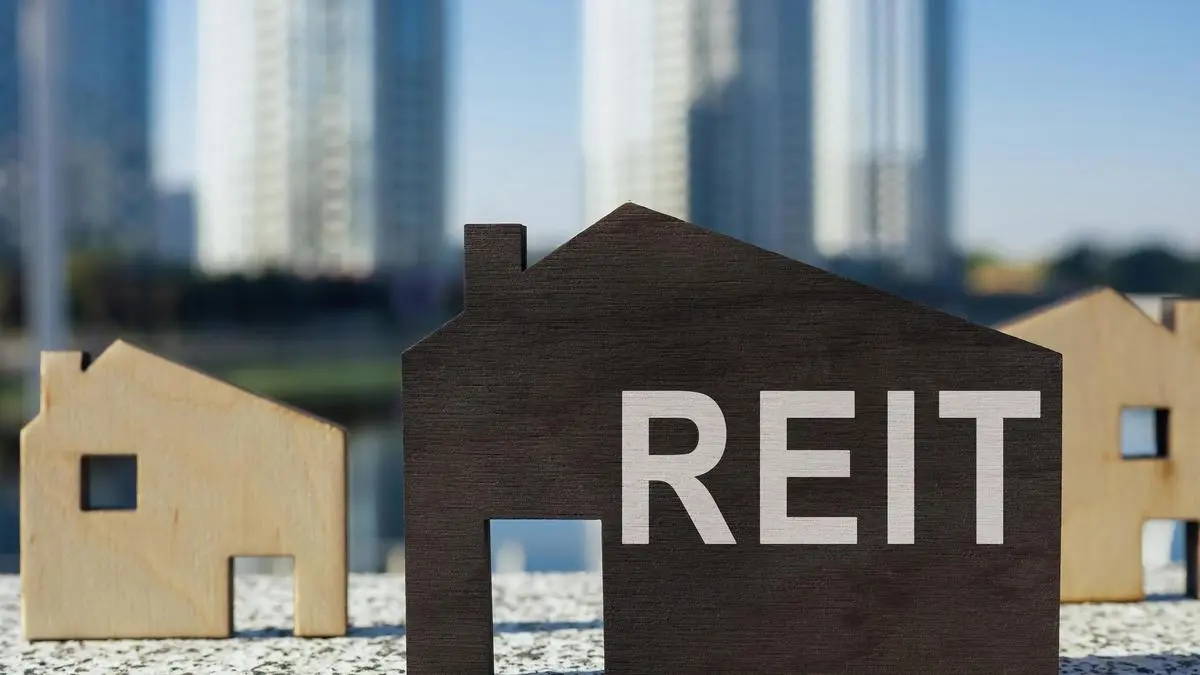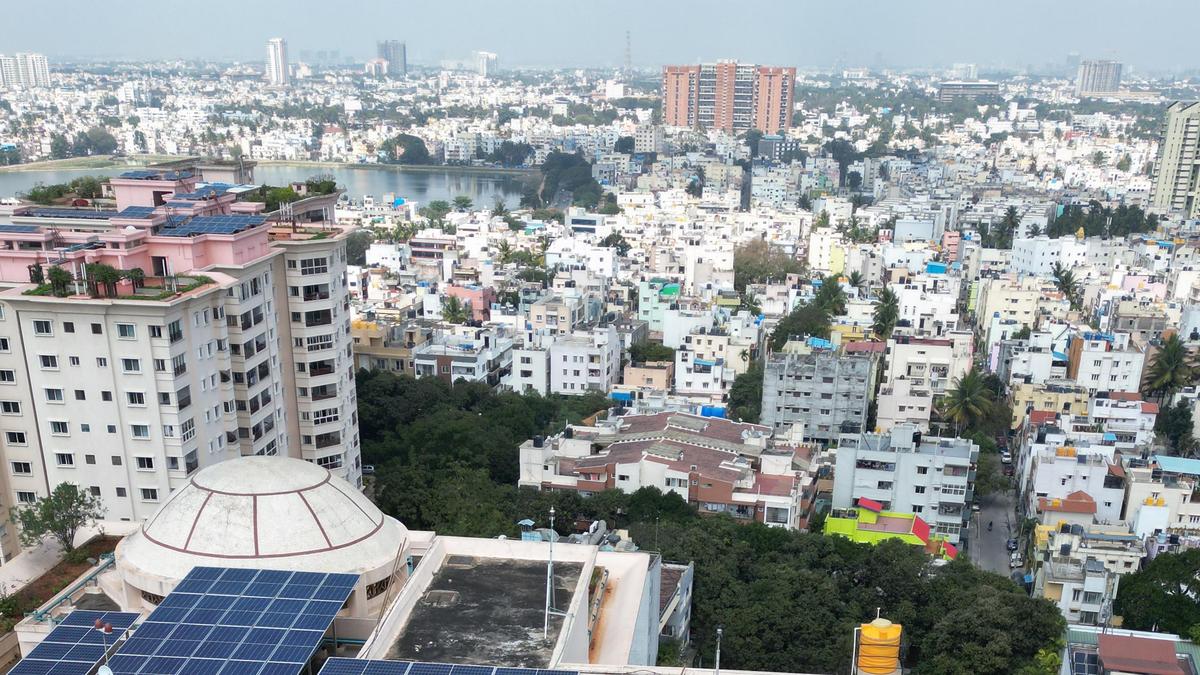
India's REIT and InvIT market continues to gain scale, with operational assets across listed platforms surpassing 195 million sq ft as of March 2026 and an additional 37 million sq ft in the development pipeline. Office assets remain the dominant segment, accounting for nearly 84% of the operational portfolio, with Bengaluru emerging as the largest market, commanding a 42% share of the office REIT stock. Hyderabad, Mumbai and Delhi-NCR follow, each contributing 12-15%.Office assets remain the dominant segment, accounting for nearly 84% of the operational portfolio, with Bengaluru emerging as the largest market, commanding a 42% share of the office REIT stock. Hyderabad, Mumbai and Delhi-NCR follow, each contributing 12-15%, Colliers India said in a report. (Picture for representational purposes only) (Gemini Generated Photo )Diversification is becoming more pronounced in the retail and industrial-warehousing segments. Reflecting the rise of new consumption and logistics hubs, REIT and InvIT assets are increasingly spreading beyond the major metros. Tier-II and Tier-III cities now account for nearly 35% of the industrial and warehousing InvIT portfolio and 51% of the retail REIT portfolio, with operational stock of about 7.5 million sq ft and 5.4 million sq ft, respectively. This trend underscores the growing importance of emerging cities in shaping the next phase of India's commercial real estate growth."Of the total 164 million sq ft of existing stock under office REITs, Bengaluru dominates with a 42% share followed by Hyderabad, Mumbai & Delhi NCR with a 12-15% share each. Interestingly, the geographical diversification of REIT/InvIT assets is more evident in retail and industrial and warehousing segments, in line with the broader market trend of emerging consumption and logistics hubs which are already witnessing notable activity," the report said.According to the report, the REIT/InvIT ecosystem has expanded steadily over the past 5–6 years in terms of asset class and size, geography and investor base. The market now comprises five office-focused REITs alongside a retail REIT and an industrial and warehousing focused InvIT, reflecting the scalability of REIT/InvIT structures in India.Also Read: Five listed REITs in India distribute over ₹8,900 crore to more than 4.25 lakh unitholders in FY26Operational assets under office REITsAccording to the report, operational assets under office REITs in India have witnessed more than a two-fold rise in the last five years, increasing from around 72 million sq ft in 2021 to 164 million sq ft at the end of March 2026. Resultantly, REIT penetration indicated by the proportion of office stock under REITs compared to the overall office stock increased from around 11% to 19% during the same period."At the city level, Bengaluru has the highest REIT penetration level amongst the Tier I office markets with about 30% of the city’s existing Grade A office stock already listed under REITs. Hyderabad, Mumbai and Pune follow with a REIT penetration of about 15-20%. Notably, more than two-thirds of the office stock under existing REITs is spread across Secondary Business Districts (SBDs) of major cities," the report said."With another leading developer recently monetising its portfolio, the number of office REITs has expanded to five, and the overall operational stock within these REITs has increased from around 72 million sq ft in 2021 to over 160 million sq ft as of today. Consequently, almost one-fifth of India’s Grade A office stock across the top seven markets is currently under REITs, signalling a steady shift toward institutionalisation and growing investor confidence in income-generating assets," said Badal Yagnik, CEO and Managing Director, Colliers India.Also Read: India’s REITs account for just 19% of listed real estate vs 57% globally, underscoring significant potential: Report"Notably, with an additional 370 million sq ft of existing Grade A office stock having the potential to be listed as future REITs, the runway for REIT growth in the office segment remains promising. Looking ahead, REIT penetration levels in the office market can potentially reach 30% by 2030, supported by an influx of high quality green-certified assets, strong occupier demand and sustained investor appetite," said Yagnik.The report further said that about 370 million sq ft of additional office stock, accounting for 43% of the total Grade A stock across Tier I cities, has the potential to be included in future REITs."Hyderabad and Bengaluru cumulatively account for around 40% of this incremental stock with future REIT potential. Noteworthily, at the micro market level, about 85-95% of the additional REITable stock in each of these two cities lies within SBDs," the report said.Also Read: India’s retail REIT market likely to touch ₹60,000–80,000 crore by 2030: ReportAccording to the report, in contrast, the majority of the additional REITable stock in cities like Kolkata, Mumbai & Pune lies in their respective Peripheral Business District (PBD) micro markets. Interestingly, close to 60% of the additional REITable office stock in Delhi NCR lies within Central Business District (CBD) micro markets (Primarily Cybercity, Gurugram).
Bengaluru dominates India’s office REIT landscape as total REIT and InvIT assets cross 195 million sq ft
India's REIT and InvIT market continues to gain scale, with operational assets across listed platforms surpassing 195 million sqft, according to Colliers report | Real Estate News
800 words~4 min read