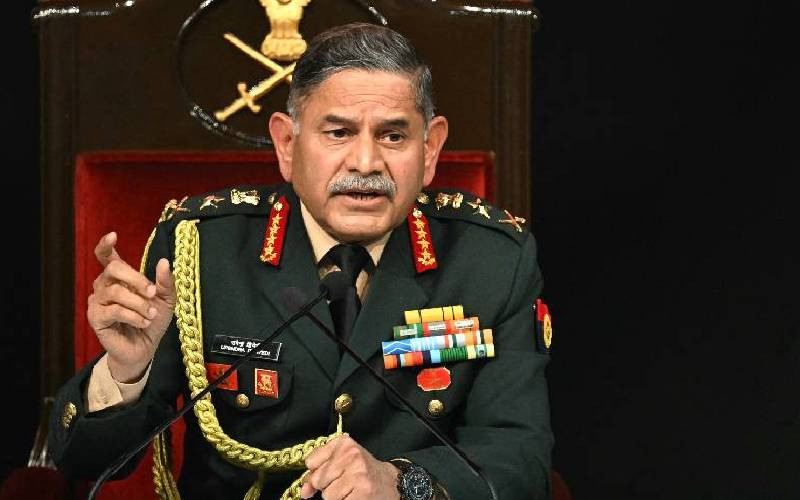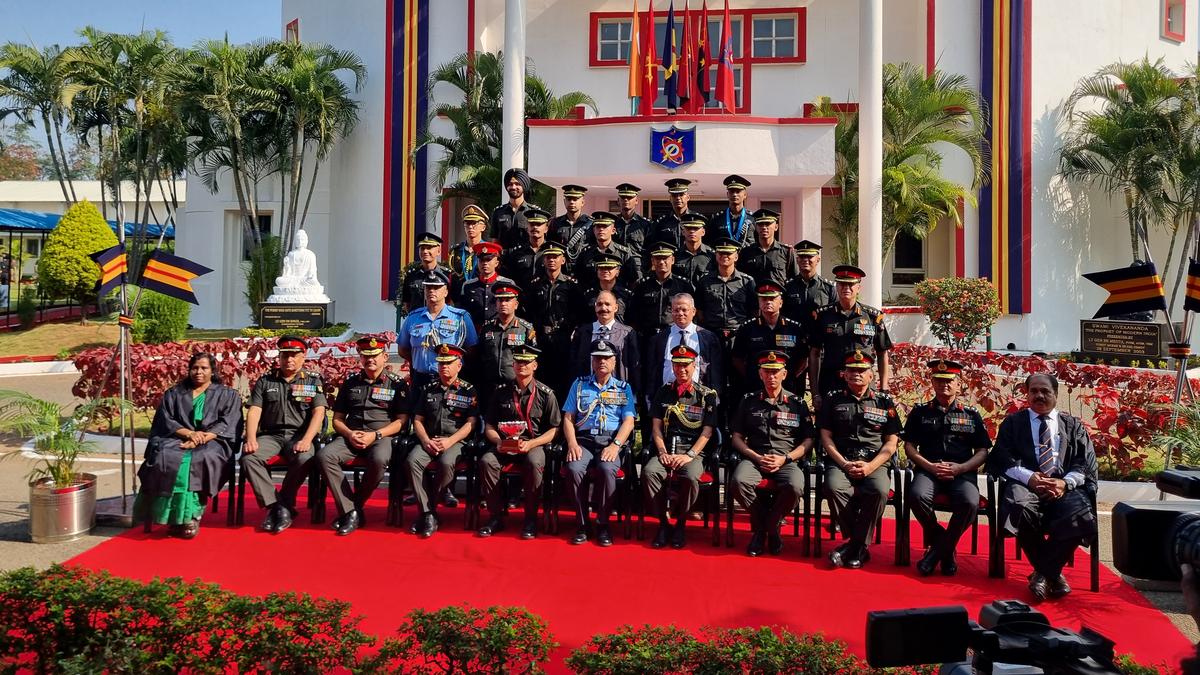
India’s joint air defense doctrine was released on May 29 by Chief of Defense Staff (CDS) General Anil Chauhan, a day before his retirement.
The launch of doctrine in the aftermath of the May 2025 crisis, which India called “Operation Sindoor” and Pakistan refers to as “Marka-e-Haq,” reflects the importance New Delhi attaches to integrated air and missile defense in an era of non-contact warfare.
The doctrine reflects India’s growing focus on adapting its military posture to strengthen its preparedness for limited conventional conflicts and to enhance synergy among its tri-services. The doctrine was also unveiled within a year of Prime Minister Narendra Modi’s announcement of the Sudarshan Chakra initiative. The initiative aims to develop an Iron Dome-like structure protecting critical civilian infrastructure, strategic assets, and military installations across India. However, the pursuit of a robust defensive architecture by New Delhi would carry negative implications for South Asian strategic stability, particularly in the context of future crises with Pakistan.
The Joint Indian Air Defense Doctrine is part of a series of joint doctrines issued by the Headquarters Integrated Defense Staff to further institutionalize tri-service integration and joint warfighting. Over the past few years, India has unveiled joint doctrines related to multi-domain operations, cyberspace operations, amphibious operations, special forces operations, and airborne and heliborne operations.