Audio By Vocalize
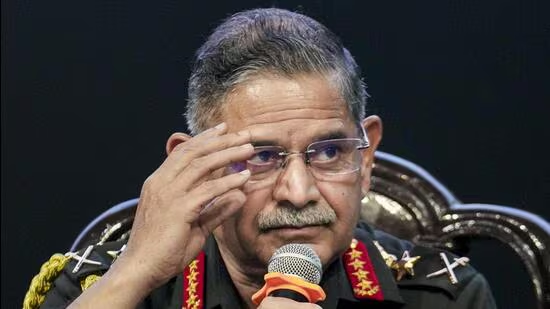
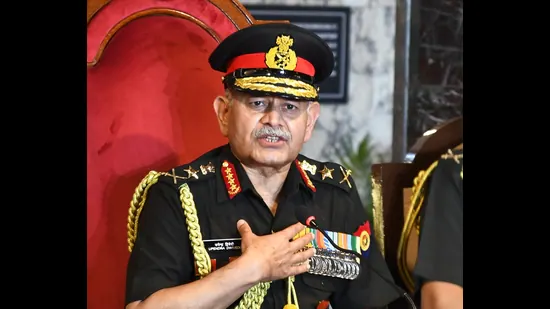
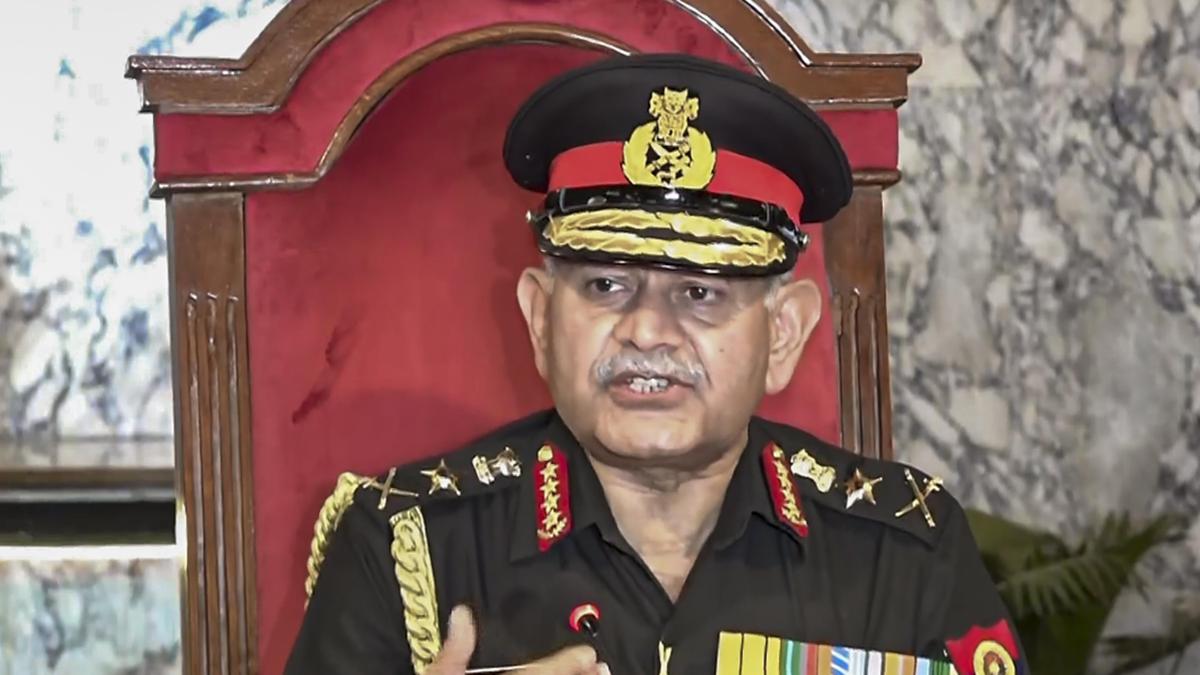
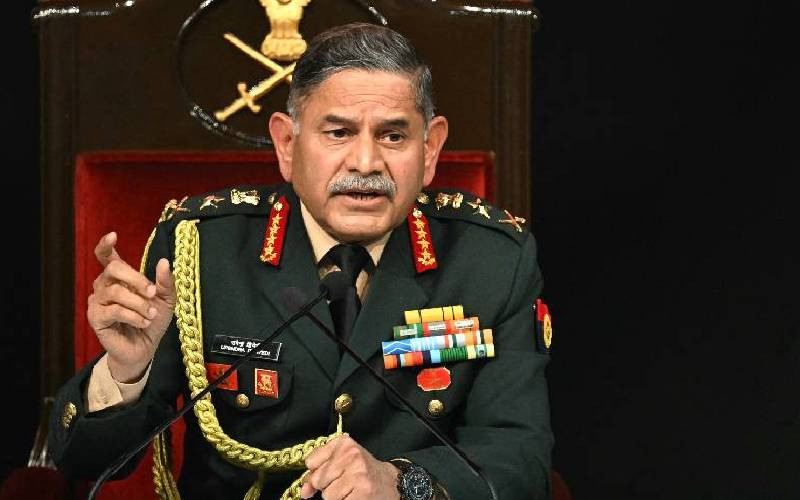
India's Chief of the Army Staff General Upendra Dwivedi during an annual press conference in New Delhi, on January 13, 2026. [AFP]
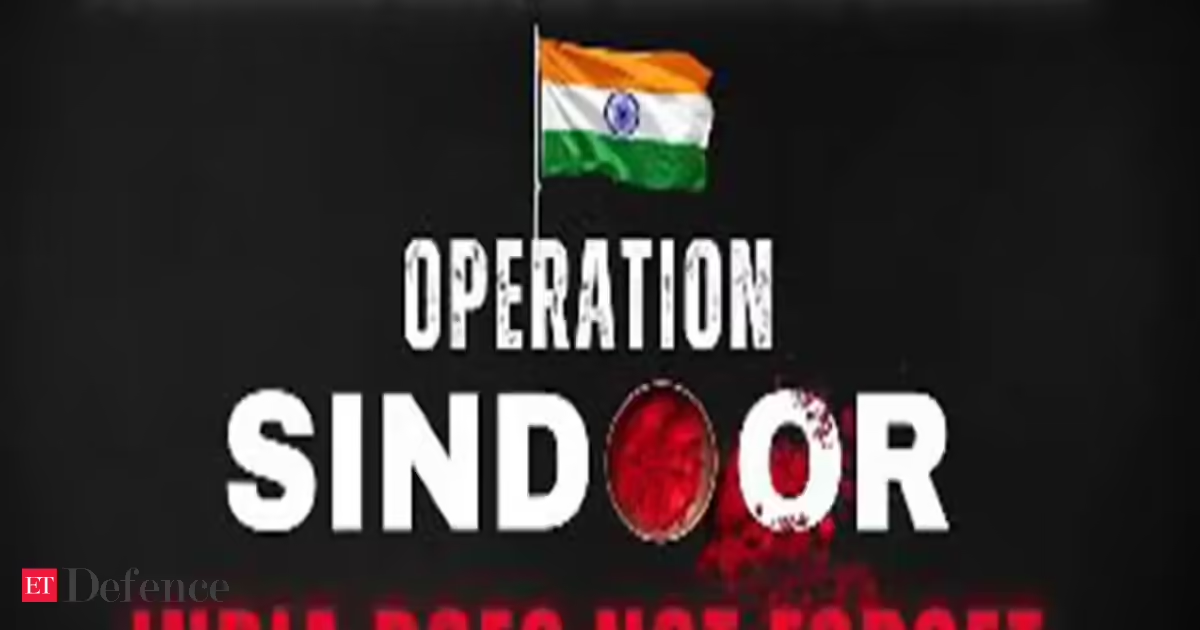
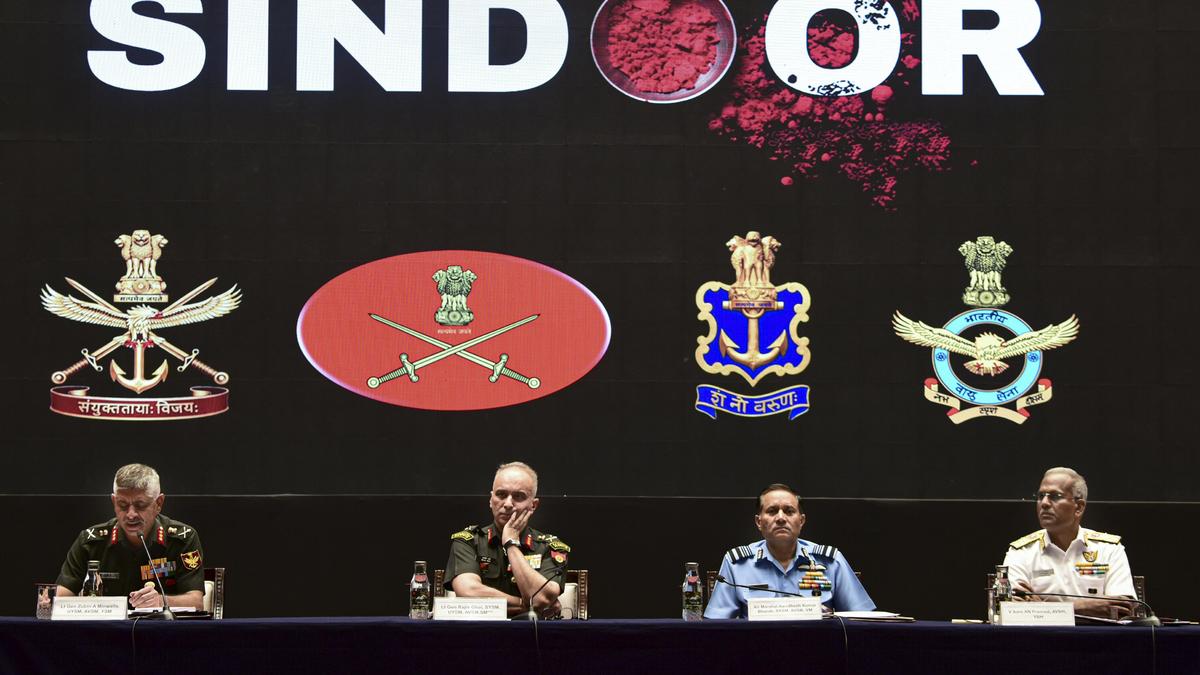
It is exactly one year and a few days post the Operation Sindhoor launched by Indian defense forces in retaliation of cross-border terrorism. The operation launched between May 6- 10, 2025 was a response to terrorist attacks on 22 April 2025 in Pahalgam in Jammu and Kashmir that claimed 26 lives. This attack was linked to two non-state actors - Lashkar -e- Taiba (LET) and Jaish-e -Mohammed (JeM) operating in Pakistan. This commentary reflects on future lessons for India’s defense posture in light of this operation.
One is the need to reflect on future trajectories of warfare and calibrate appropriately. An analysis of India's armed forces response to this attack indicated precision, reliance on kinetic and non- kinetic responses, including information warfare. Operation Sindoor reflected the ‘New Normal’ approach of India that it would retaliate against any acts of cross-border terrorism, irrespective of nuclear blackmail by its adversary. It was an implementation of zero tolerance against terrorism. It was a key message that India would engage in pre-emptive defense in pursuit of her sovereignty and would directly strike targets and infrastructure linked to terrorism threats. A decision from the Cabinet Committee on Security (CCS) on 23 April 2025 held in abeyance the Indus Waters Treaty of 1960 with a call for Pakistan to denounce claimed support for cross border terrorism.