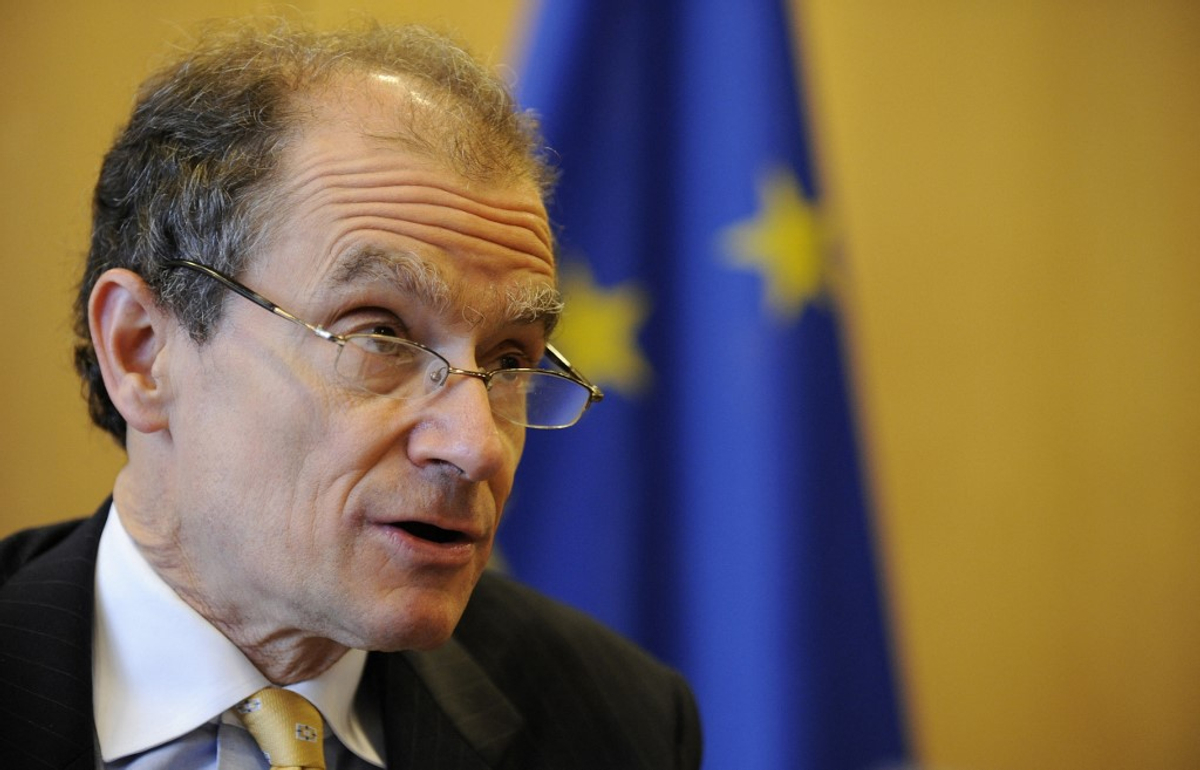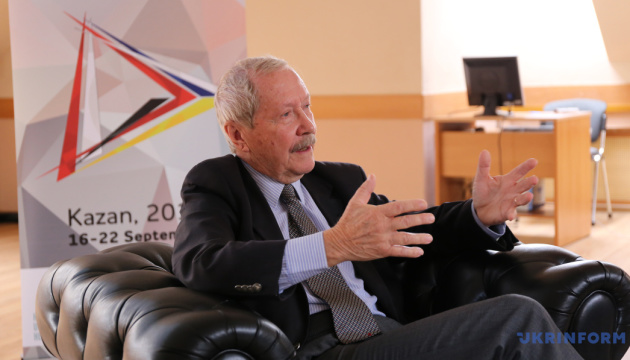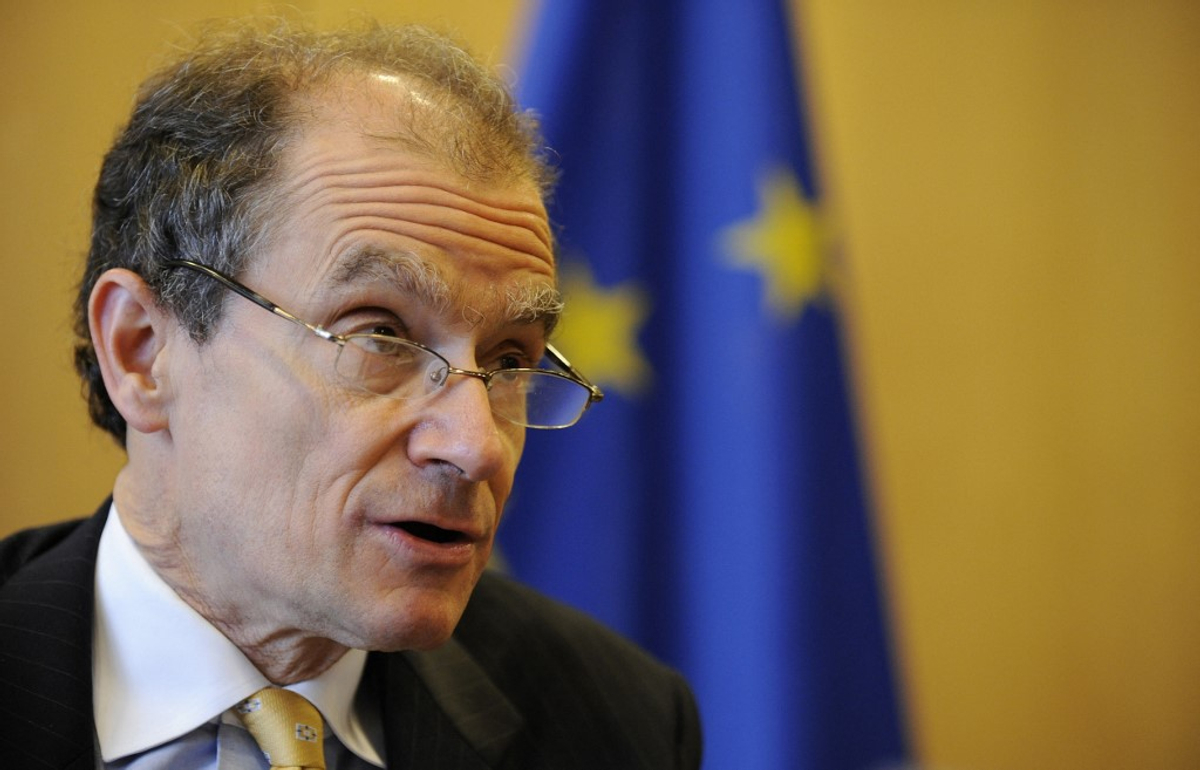
Russia is no longer merely stalled in Ukraine. It is beginning to lose. That is the assessment of Daniel Fried, a former US Assistant Secretary of State for European and Eurasian Affairs and US Ambassador to Poland.JOIN US ON TELEGRAMFollow our coverage of the war on the @Kyivpost_official. Speaking to Kyiv Post, Fried said Ukraine’s expanding deep-strike drone campaign has changed the military and political logic of the war – and forced Washington to rethink old assumptions about Kyiv’s chances. Fried, now a Weiser Family Distinguished Fellow at the Atlantic Council, emphasized that while he is not suggesting Ukraine will immediately drive Russia out of the entire country, the war’s overall momentum has shifted. “Russia is no longer winning, it is beginning to lose,” he said. According to Fried, this realization is now “sinking in in European capitals and even to some degree” in Washington. Washington’s old assumptions collapse The current shift marks a major reversal from earlier assumptions in the US capital. In 2022, Fried said, many in the Biden administration, the intelligence community and the wider US expert class expected Ukraine to “fight very bravely and lose very quickly.” “They were wrong,” he said. When Kyiv survived Russia’s initial assault and Moscow failed to seize the capital or decapitate Ukraine’s leadership, Washington’s consensus shifted again. The new assumption became that Ukraine would “fight very bravely and slowly lose,” a defeatist narrative pushed heavily by major American publications at the time. Today, that view is being overtaken by a completely different assessment: Ukraine possesses the capacity to withstand Russia, and Moscow is failing in its war of aggression.“That view, once a marginal view, is now becoming the predominant view,” Fried emphasized. Trump likes winners – Ukraine has cards today That changing perception also matters for the Trump administration. Fried recalled Donald Trump telling President Volodymyr Zelensky in early 2025 that Ukraine “didn’t have any cards.” “It’s now becoming clearer that Ukraine in fact has a lot of cards,” Fried said. “Trump loves winners. Ukraine is winning. Putin is beginning to look like a loser.” While emphasizing that the conflict is far from over, Fried pointed out that the Trump administration is undergoing a significant internal recalibration. Fried, who has served in senior roles under both Democratic and Republican administrations, said those in Trump’s circle who previously dismissed Ukraine as a corrupt lost cause not worth supporting are now facing growing opposition. At the same time, officials who understand the geopolitical stakes and support Kyiv are beginning to gain a stronger grip on policy. G7 statement sends a signal Fried said that recalibration was visible at the recent G7 summit, where leaders pledged continued support for Ukraine, including air defense, long-range capabilities and possible steps to strengthen Ukrainian weapons production. “It was a pretty good joint statement,” Fried said, though he noted it was “not definitive in all ways.” He said the statement was not as strong as some suggested, since the G7 only said it would “consider” arrangements for Ukraine to produce certain weapons. “But it was a pretty good statement anyway,” Fried said. “And the fact that the US signed onto it is a very good sign.” He praised European allies for their “remarkable and laudable consistency” in backing Ukraine, saying they do so because “Ukraine is right” and because their interests are better served if Ukraine succeeds. A transactional shift: Hormuz and Ukraine aid Trump’s recent shift on Ukraine may have been helped by European cooperation in the Middle East. By offering support for security efforts connected to the Strait of Hormuz, European allies gave Trump something concrete to point to as he signed onto the G7 statement backing Ukraine. Fried said he dislikes the idea of making US assistance to Ukraine conditional on European help in another theater. “Aid to Ukraine and Ukraine success is in the American interest. Full stop,” Fried said. “Ukraine success helps the US both in Europe and around the world. Full stop.” Still, Fried said that if European offers on Hormuz help secure American support for Ukraine, he would accept it as a practical matter. “Politics and foreign policy are not for the purists,” Fried said. Putin still wants total victory On the prospects for peace talks, Fried said the central obstacle remains Putin’s maximalist position – not a lack of diplomatic channels. “The problem with peace talks is that Putin has so far shown absolutely no interest in them,” Fried said. “The problem is Putin wants total victory and he thinks he can get it.” Despite the current deadlock, Fried said Moscow could eventually shift its calculation if the West stays firm and Ukraine continues imposing costs on Russia. “The Russians know how not to negotiate. But they also know how to negotiate when they have to,” he said. “They can go from not negotiating to negotiating very quickly. They’re skilled at it.” The likely framework for an eventual deal, Fried said, would be a ceasefire in place combined with strong security arrangements for Ukraine. Such an agreement could leave Russia in physical possession of roughly 18 to 19 percent of Ukrainian territory. But Fried stressed that the West must never formally recognize that occupation. “Never,” he said. A West German blueprint for Ukraine Fried compared this potential arrangement to West Germany after World War II, when long-term strategy ultimately outlasted temporary territorial division. “The West Germans never recognized Soviet-occupied East Germany. They never did,” Fried said. “But they did say that they would achieve the reunification of Germany through diplomatic and peaceful means.” At the time, that position looked like a permanent compromise. In retrospect, Fried said, it proved to be a smart strategy. A secure, Western-backed Ukraine could follow a similar path, he argued. “I have utter confidence that Ukraine’s economy would recover and recover very quickly,” Fried said. He predicted a possible “Ukrainian miracle” similar to West Germany’s postwar recovery in the 1950s or Poland’s successful transformation in the late 1990s. “If the Poles did it, the Ukrainians can do it,” Fried said. “And this would be a strategic disaster for Putin.” The ultimate victory, however, would be internal. A successful, democratic Ukraine would shatter the Kremlin’s narrative inside Russia itself. A successful European Ukraine, Fried concluded, could force Russians to question Putin’s “Stalinist model of repression and power.”
Ukraine Now Has the Cards, Dan Fried Says
Daniel Fried says Ukraine now has “a lot of cards” as deep strikes inside Russia expose Putin as the losing side and reshape US thinking.
TL;DRAI
Fried argues Russia is losing in Ukraine due to deep-strike drone campaigns, shifting Washington's assessment of Kyiv's military capacity. The perception change may secure Trump's continued support for Ukraine, aligning with his tendency to back winners over perceived losers.
1,052 words~5 min read