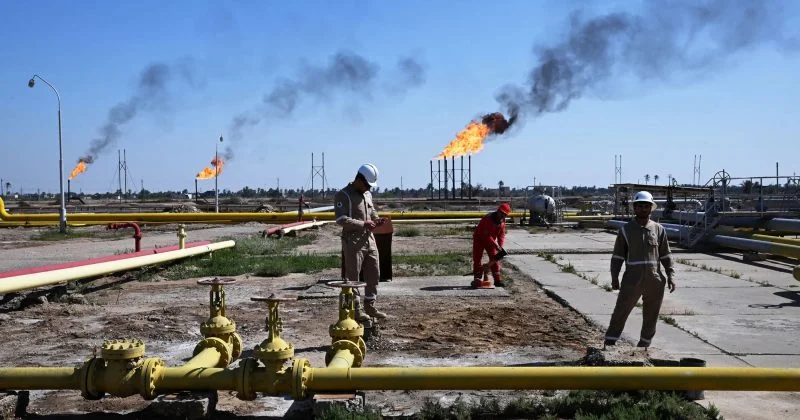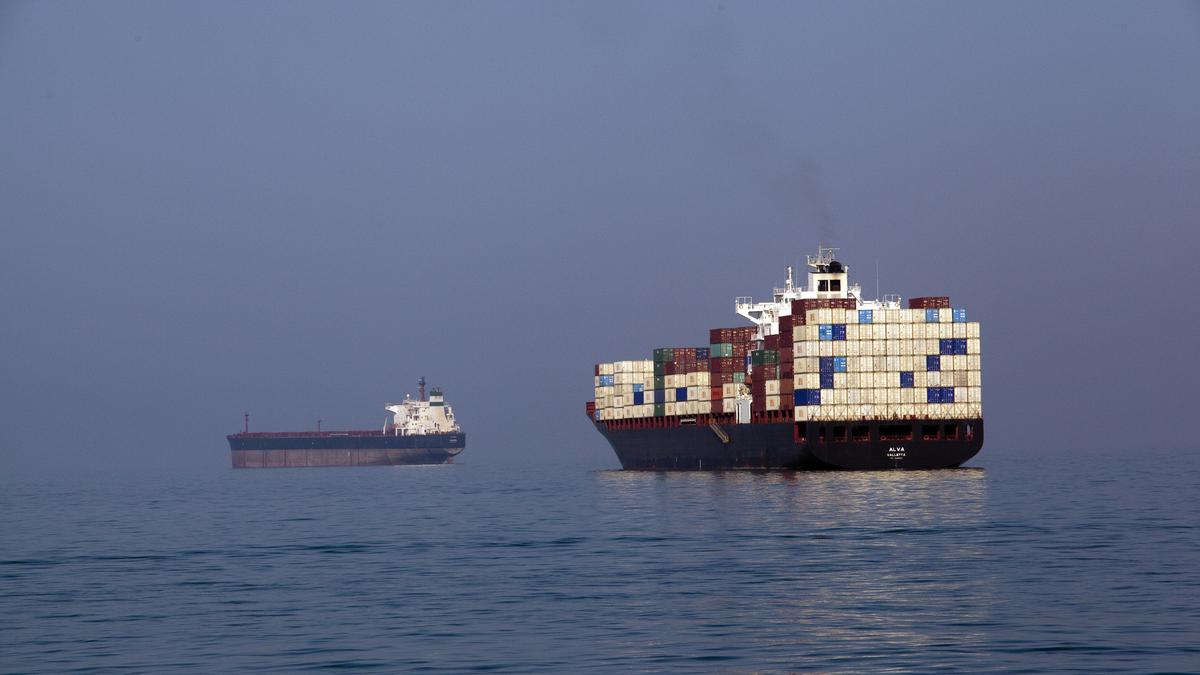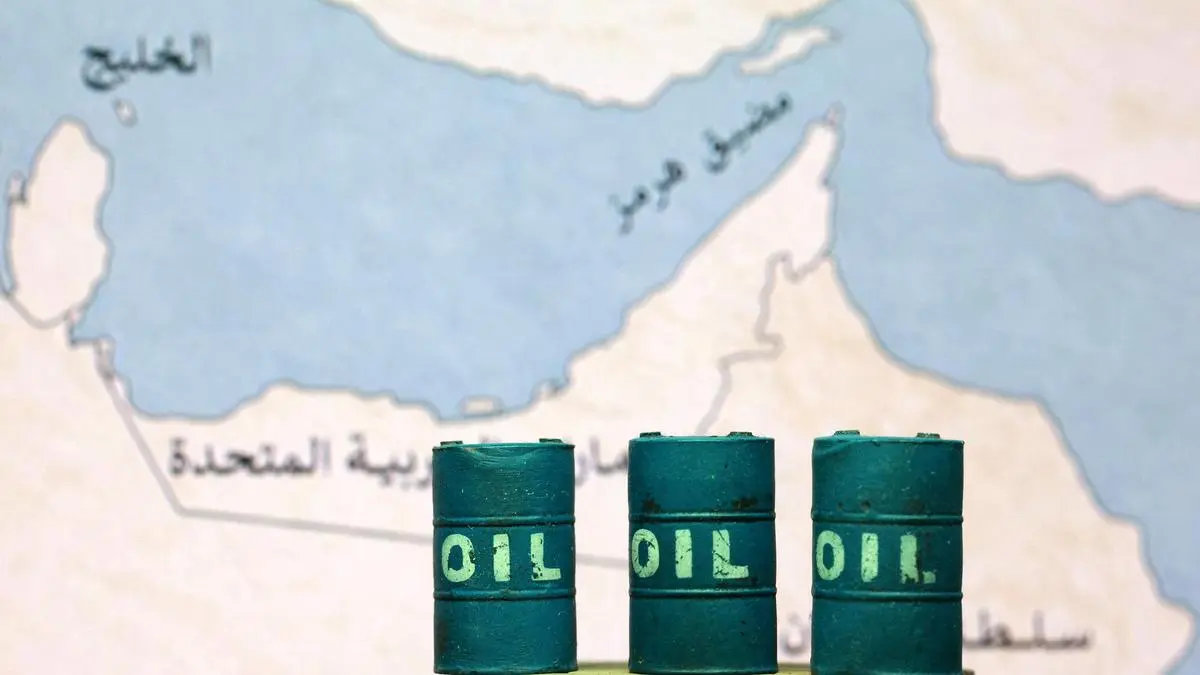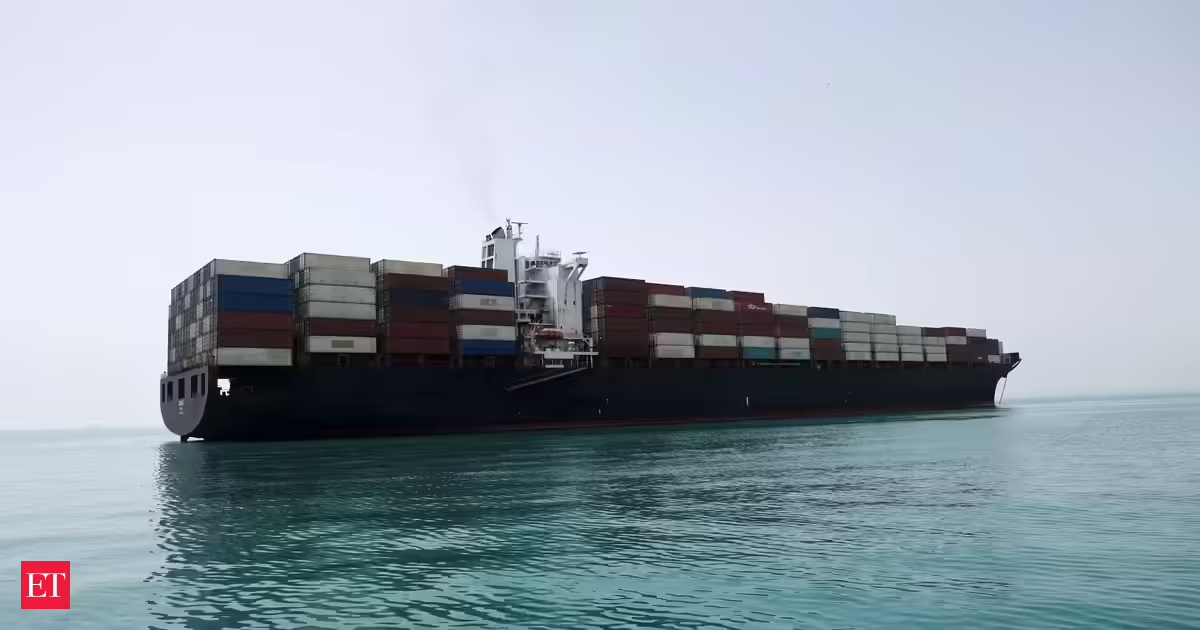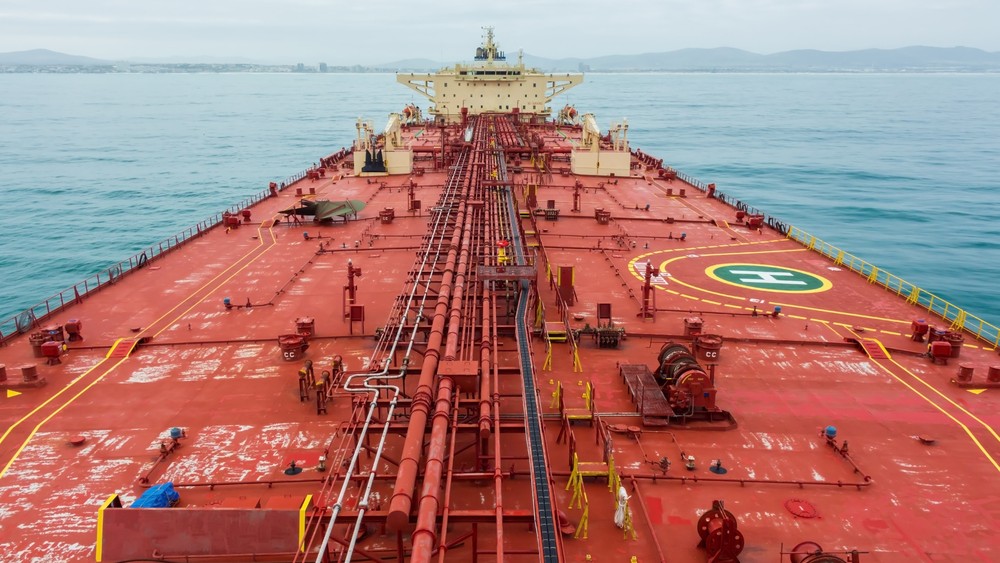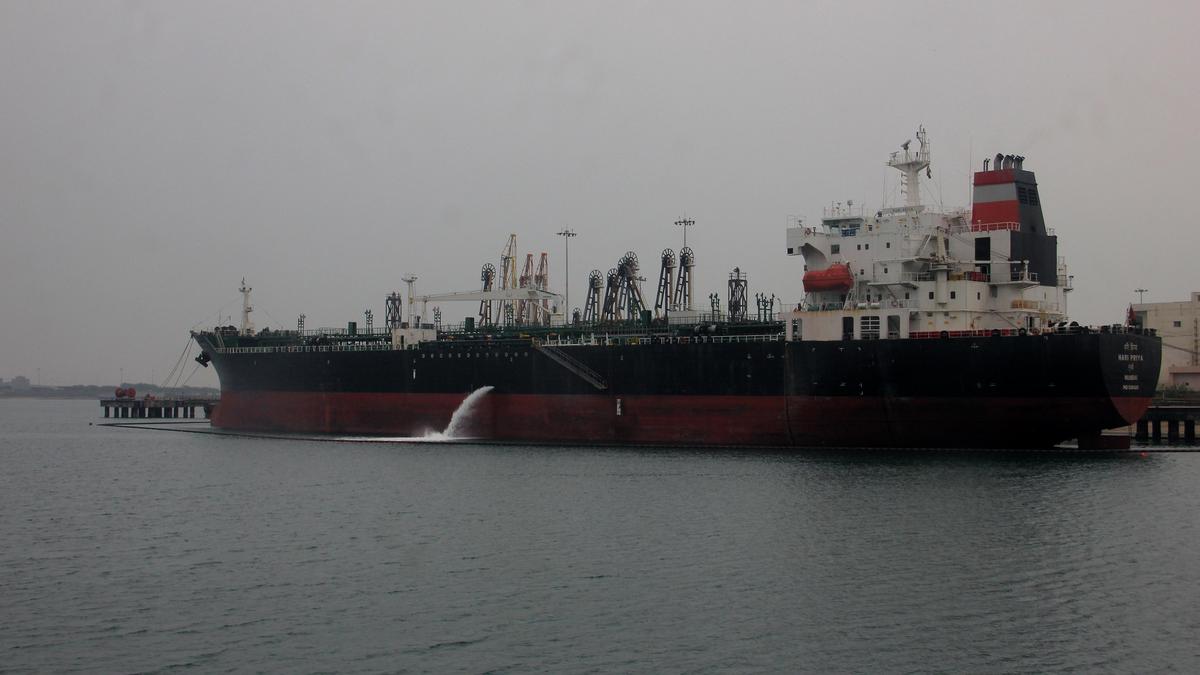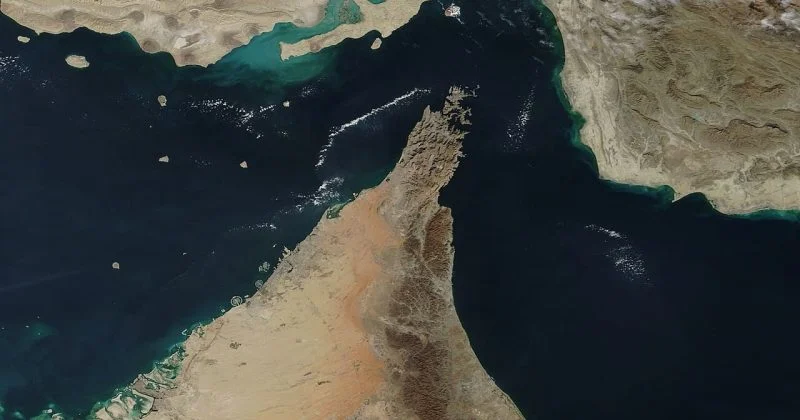
India is reportedly beginning to re-establish its oil imports from the Middle East following the reopening of the Strait of Hormuz. This development comes after a period of disruption in the region, which had prompted India to diversify its crude sourcing. Historically, a significant portion of India’s crude oil imports passed through Hormuz, although recent diversification efforts have reduced this dependency. The reopening of the strait is seen as a potential ease on supply constraints, which could impact global oil prices, particularly West Texas Intermediate (WTI) crude.
In prediction markets, the news of Hormuz reopening has been linked to potential decreases in WTI crude oil prices for June 2026. Market participants appear to be interpreting this development as reducing geopolitical risks, which may relieve upward pressure on oil prices. The market for WTI hitting a low of $70 in June currently stands at 42% YES, reflecting expectations that the resumption of oil flows through Hormuz could lower prices.
While the reopening of the Strait of Hormuz is likely to influence the WTI market, it is unrelated to the Bab el-Mandeb Strait closure market, which focuses on separate geopolitical dynamics. Thus, no significant shifts have been observed in the odds for the Bab el-Mandeb Strait market.