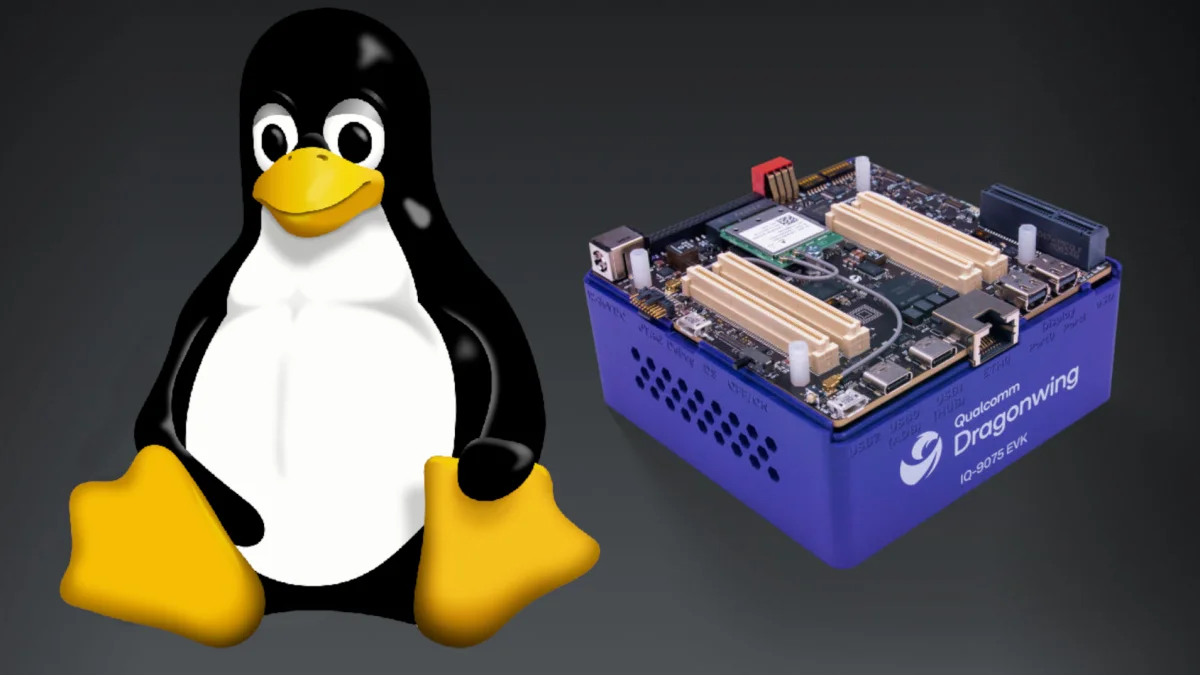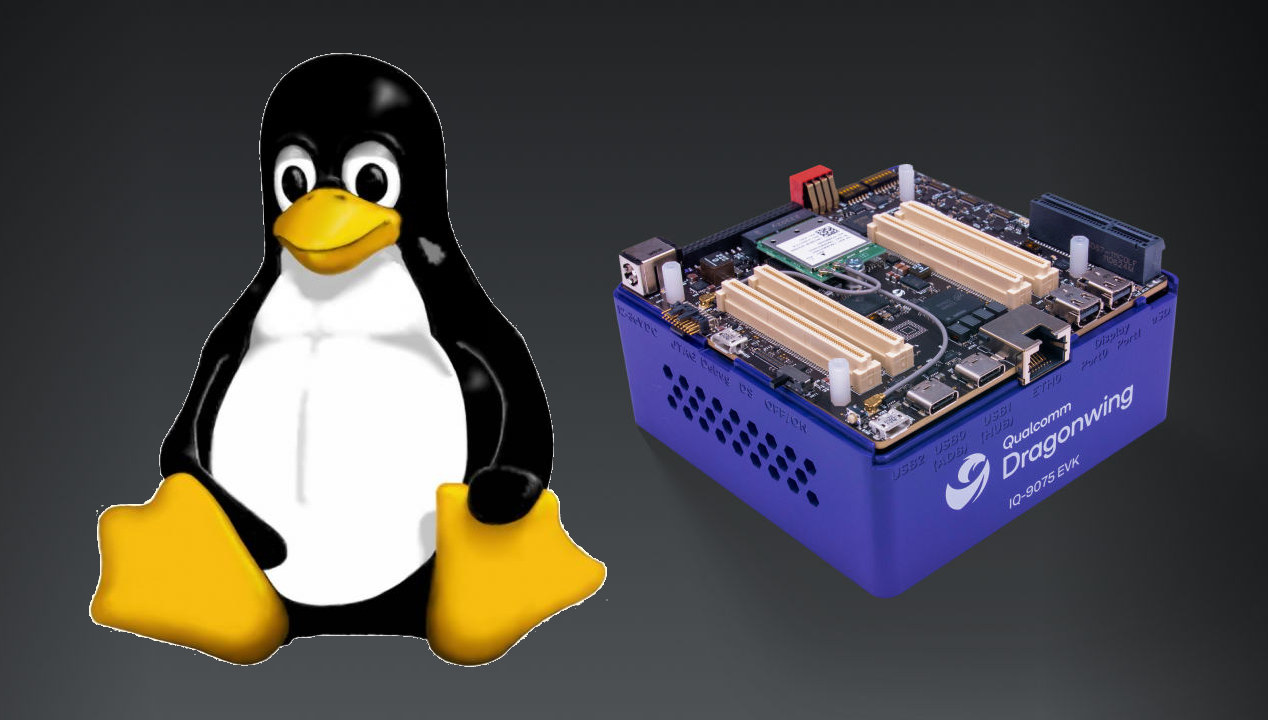
Linux on Qualcomm SoCs has been a roller coaster, with hope often followed by disappointment, at least for the Snapdragon family. The company aims to change that with Qualcomm Linux 2.0 for Dragonwing IoT platforms, as announced on LinkedIn:With Qualcomm Linux 2.0, we’re shifting to an upstream-first, open development model that is unified and scalable across all Qualcomm Dragonwing IoT platforms. This means an upstream‑first model with a BSP that tracks mainline to minimize friction and enables you to make more predictable builds.
Tune in to see our first-ever live demo, along with a lifecycle and release strategy, core architecture and Yocto changes, and practical migration paths from previous versionsThe video is embedded below, but will only be live on June 30. In the meantime, the description provides a few more details:If you’ve dealt with fragmented BSPs, platform-specific kernel forks, or painful bring‑up across Qualcomm SoCs, this livestream covers what’s new in Qualcomm Linux 2.0 for Dragonwing IoT — and what actually changes for you as a developer.
Qualcomm Linux 2.0 is a fundamental reset, not an incremental update. It introduces an upstream‑first model with a BSP that tracks mainline, alongside a unified BSP, single system image, and overlay-based architecture that keeps customisations clean and maintainable across releases.