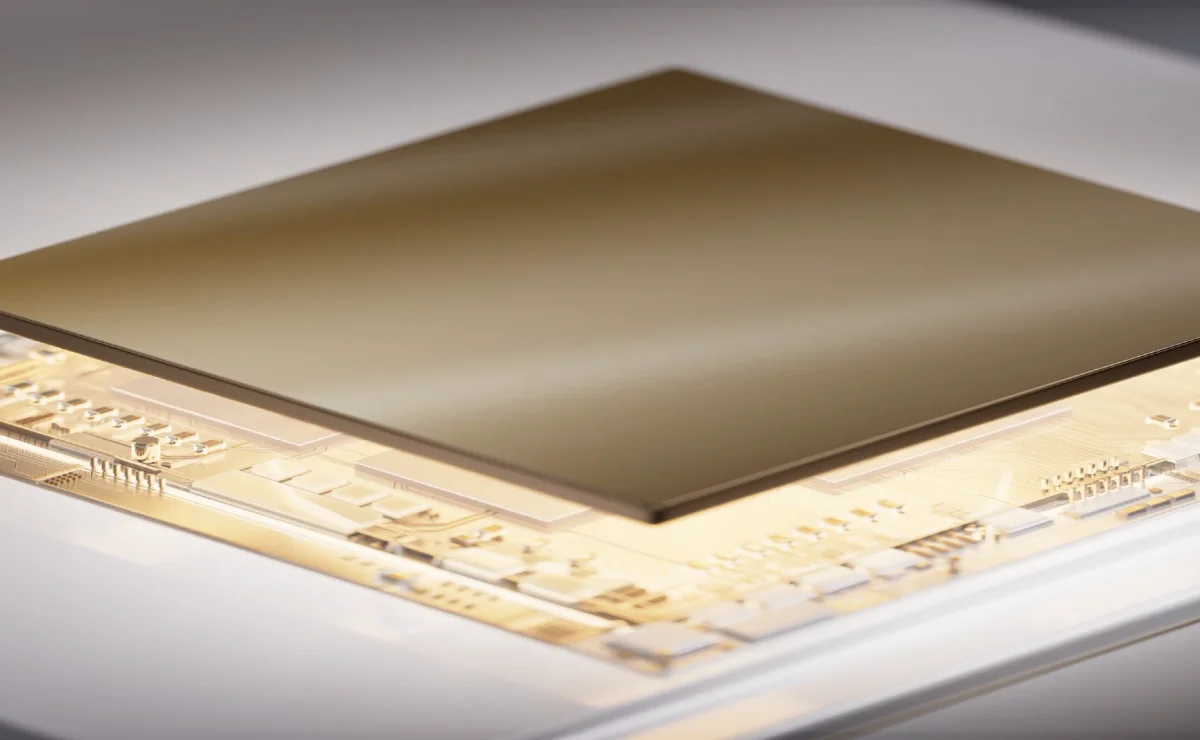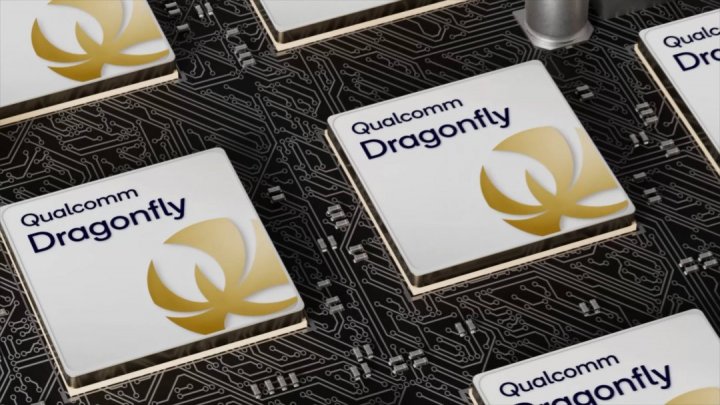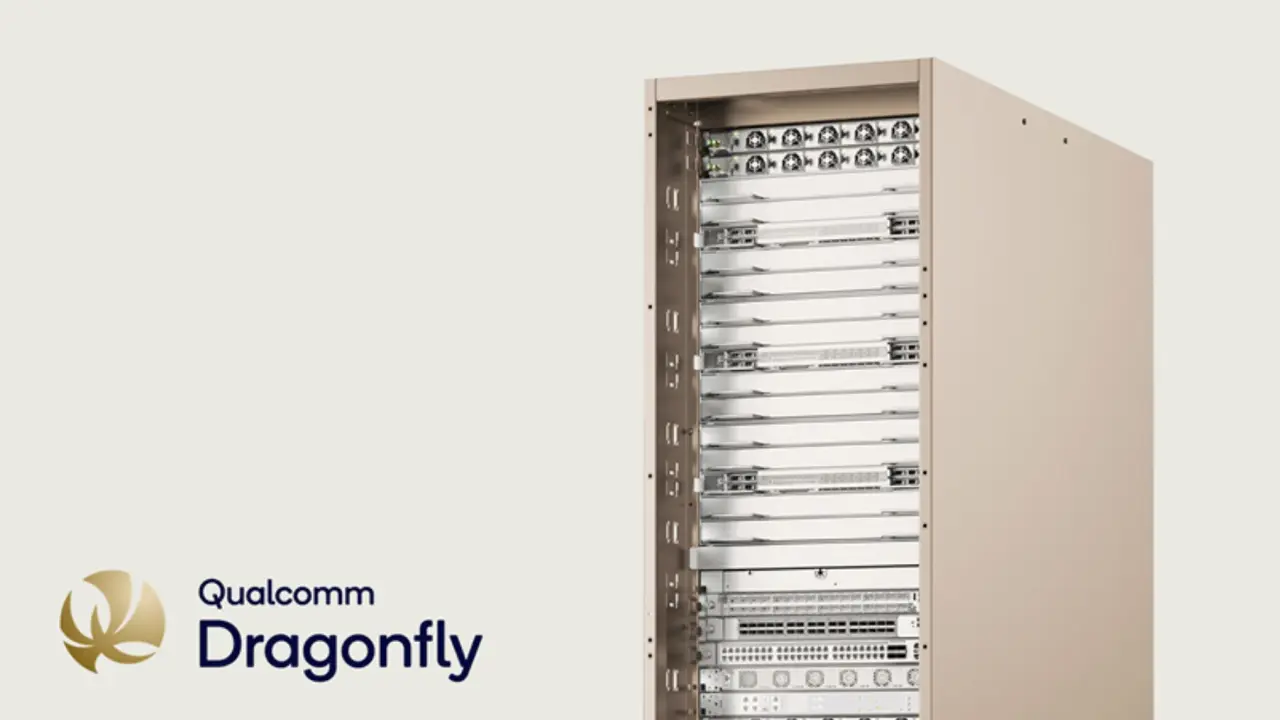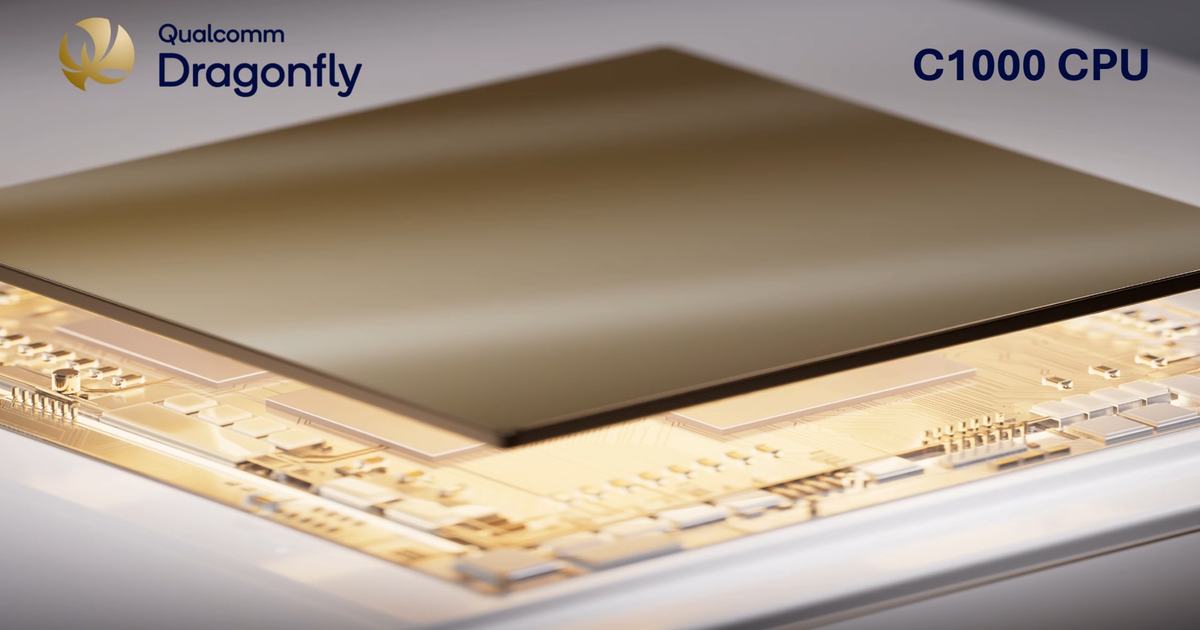
Qualcomm has unveiled a number of new data center offerings, including the Qualcomm Dragonfly C1000 CPU, Qualcomm High Bandwidth Compute (HBC), and the Qualcomm Dragonfly AI300 inference accelerator.The company also revealed that it had entered into a multi-year partnership with Meta for the deployment of the Dragonfly CPU, stating that the C1000 will power Meta’s next-generation server fleet.“Agentic AI is driving a significant increase in demand for AI inference in the data center. As these become the dominant workloads, infrastructure has to deliver much higher performance at lower power and cost,” said Cristiano Amon, president and CEO of Qualcomm. “That plays directly to Qualcomm’s strengths, and we’re well positioned for this shift. With Qualcomm Dragonfly, we’re bringing our high-performance, low-power computing into the data center, with multi-year, multi-generation agreements with leading customers.”The Qualcomm Dragonfly C1000 CPU is a purpose-built data center CPU designed for “agentic, general-purpose, and AI head node workloads.” Qualcomm said the chip features custom-designed Oryon CPU cores, which have been optimized to “deliver superior performance for agentic workload deployed at scale,” while its 250+ core-count chiplet design offers “exceptional throughput and scale” while delivering exceptional per-core performance. Delivering a reported 2x better performance per watt compared to existing product benchmarks for server CPU, the Dragonfly C1000 is expected to be commercially available in 2028.Meanwhile, the Qualcomm Dragonfly AI300 inference accelerator is Qualcomm’s third-generation, air- and direct-liquid-cooled rack-level solution that follows the introduction of the AI200 and AI250 solutions in October 2025. Designed for disaggregated inference deployments, the AI300 integrates Qualcomm HBC Gen 2 technology for compute acceleration and increased effective memory bandwidth, with customers able to expect a 4x-8x better performance-per-watt compared to existing GPU-based architectures on memory bandwidth-per-watt-per card. The AI300 can scale up with UALink and ESUN (Ethernet for Scale-Up Networking) or scale out with copper and optical. Commercial sampling is expected in 2028.Finally, the Qualcomm High Bandwidth Compute uses a purpose-built near-memory computing architecture in a 3D-stacked silicon solution, which the company claims will help to address AI’s fundamental data movement bottleneck. HBC forms part of a multi-generation roadmap, which Qualcomm says will provide “faster, more efficient, and more scalable processing at lower total cost of ownership and higher energy efficiency” compared to high bandwidth memory (HBM).With HBC Gen 1, the AI250 is designed to deliver 133Tbps per card, an 18x increase in effective memory bandwidth compared to AI200 with LPDDR5X; while the AI300 with HBC Gen 2 has been designed to provide a 54x increase over AI200. Commercial sampling of HBC Gen 1 with AI250 is expected in mid-2027.“What enterprises need now goes far beyond individual components. Orchestrating multiple types of compute across distributed, always-on infrastructure is critical,” said Tony Pialis, EVP and GM of data center at Qualcomm. “With Qualcomm Dragonfly, we’re bringing together compute, AI, memory, and connectivity into a unified, rack-scale platform designed for increasingly complex, agent-driven workloads while addressing key bottlenecks in memory bandwidth and power consumption. This builds on what Qualcomm Technologies has been delivering for decades: high-performance, low-power compute at scale, now applied to the data center in a way that very few companies can match.”
Qualcomm unveils three new data center solutions including Qualcomm Dragonfly C1000 CPU, set to be deployed by Meta
Company also debuted the Qualcomm High Bandwidth Compute and the Qualcomm Dragonfly AI300 inference accelerator
519 words~2 min read