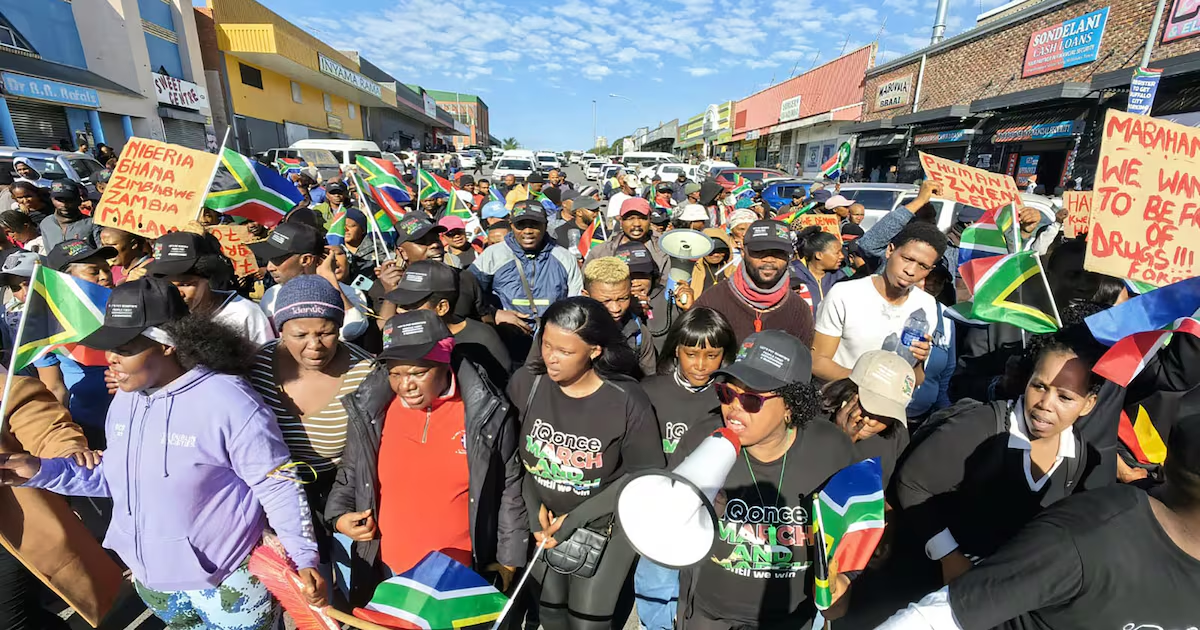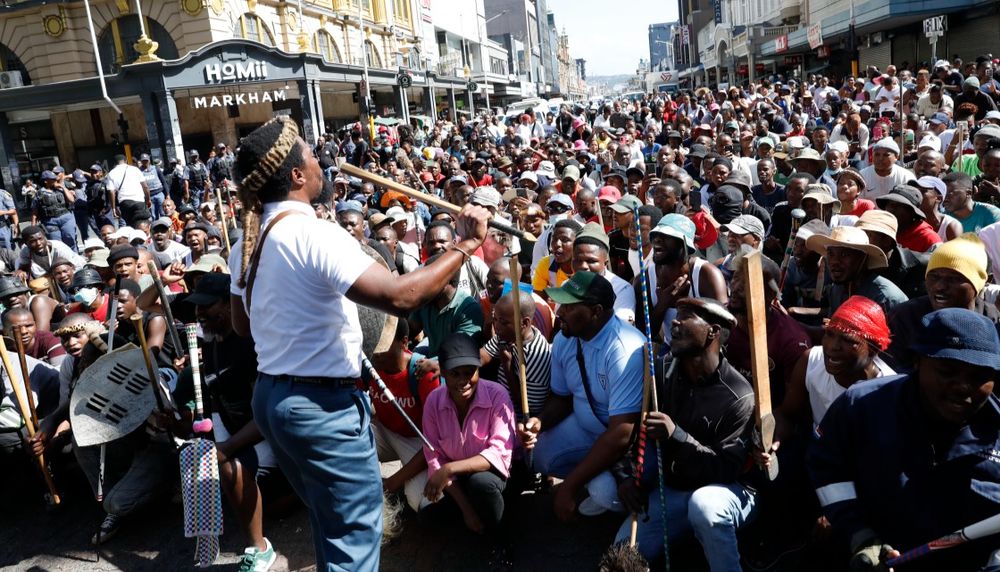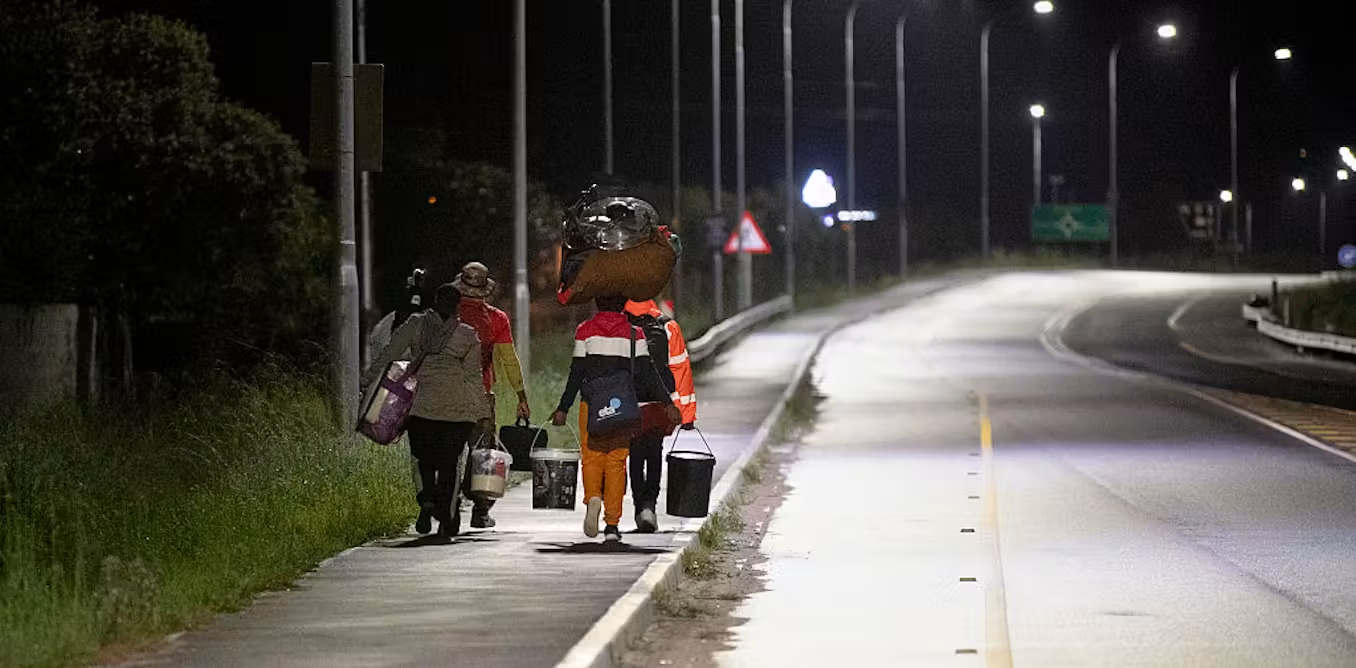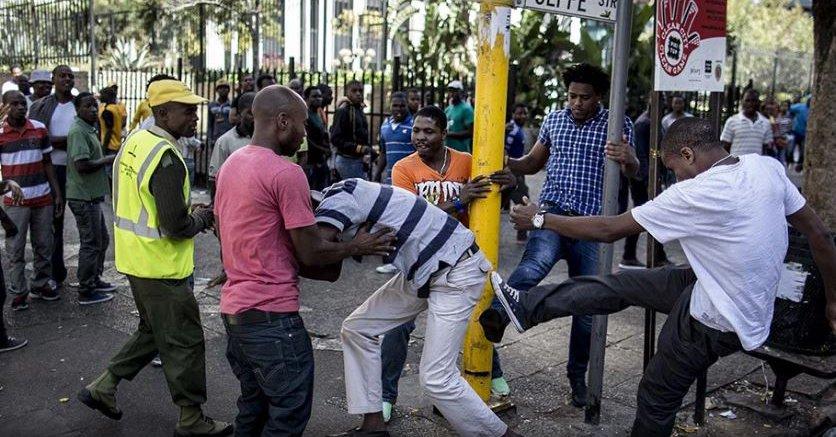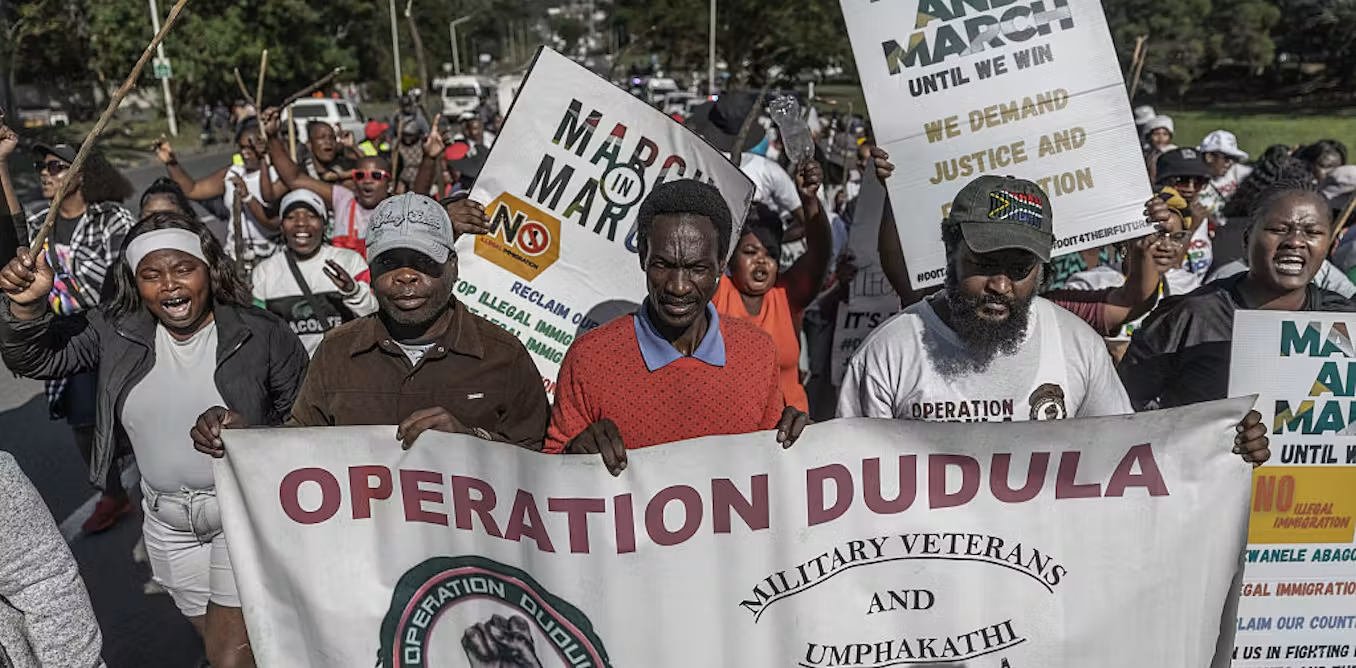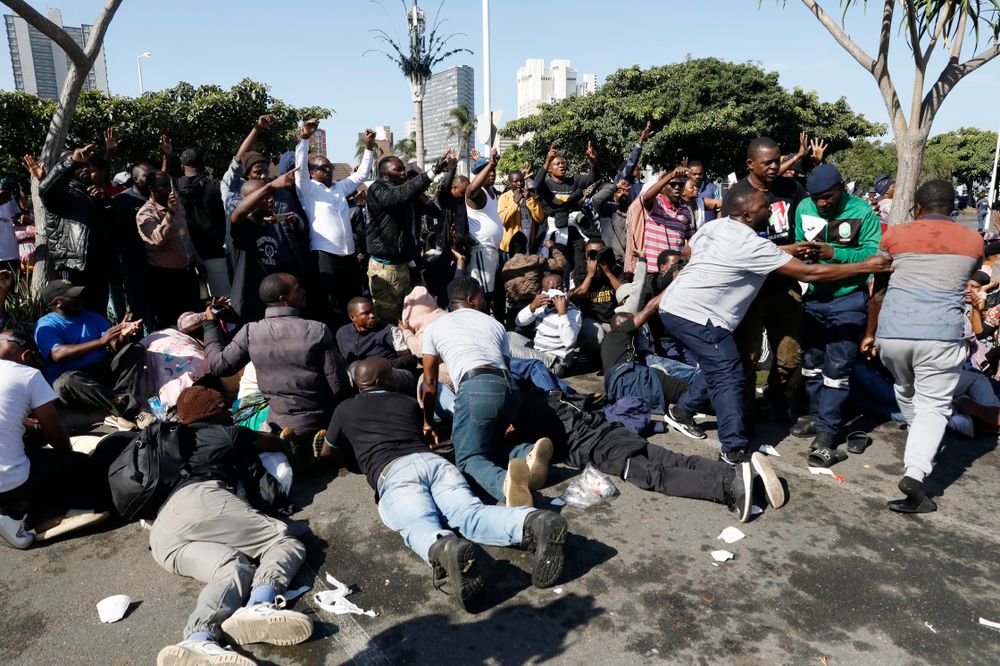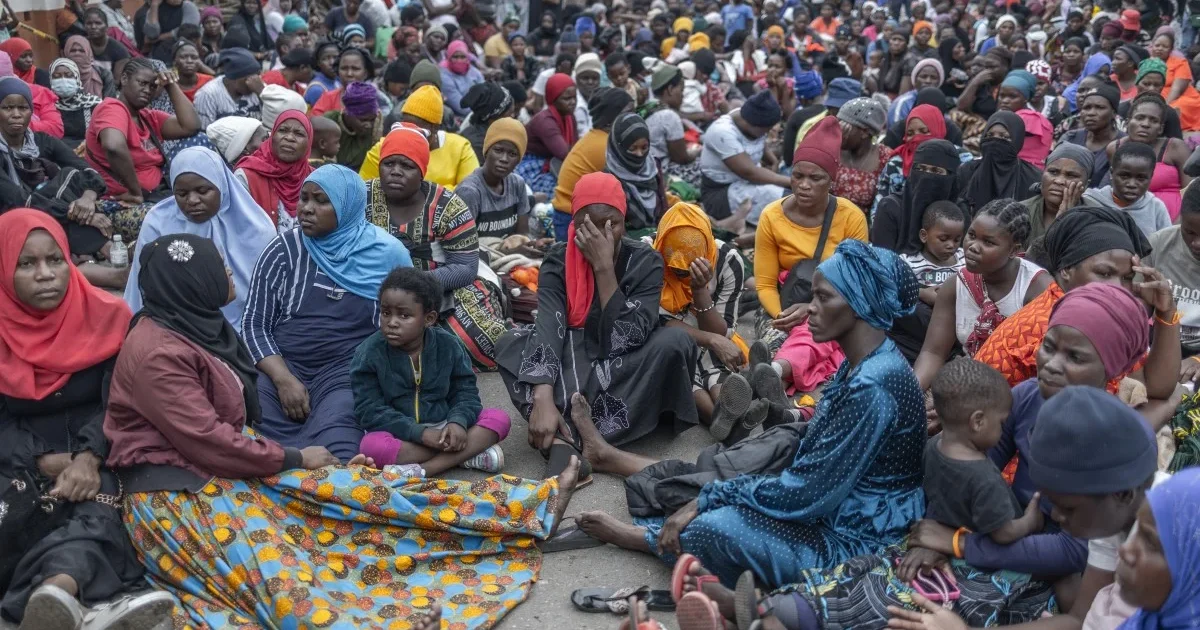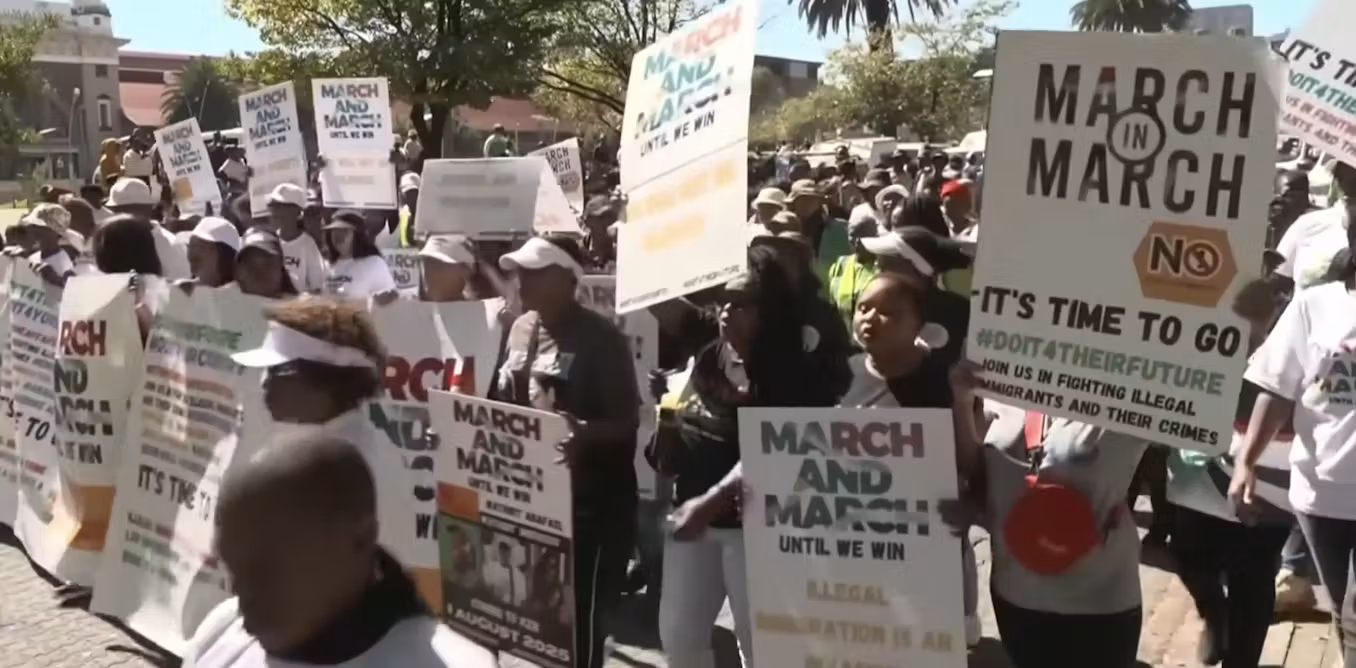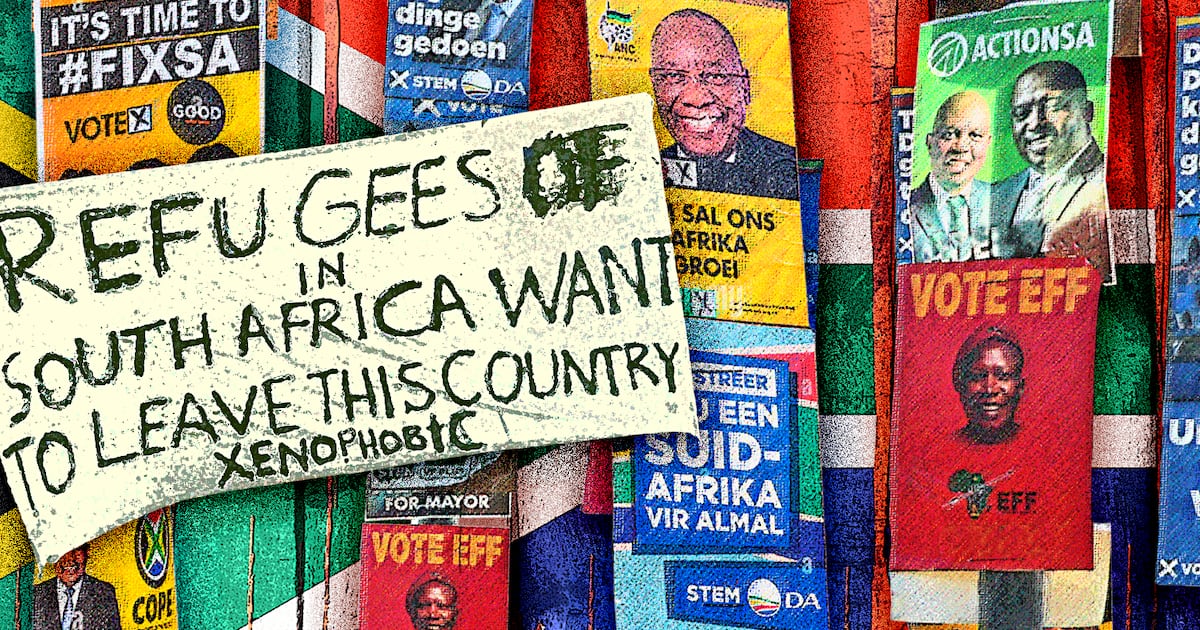
Ugly populism is on the rise. We have seen it across Britain, the US, Europe and India, and now the mixture that sustained it is arriving in South Africa, playing out in a geography with minimal safety nets, a history of mass violence and a political class for sale.There is a man who has spent more than R103m shaping South Africa’s political landscape. He does not give interviews. He does not hold press conferences. He does not live in South Africa. Yet Martin Moshal, a Sydney-based Israeli resident, has by all accounts quietly become the single largest individual donor to political parties in the country of his birth. Since political funding disclosure laws took effect in 2021 Moshal has reportedly donated more than R103m to South African political parties. Public disclosures indicate contributions of about R43m to the DA, R37m to ActionSA, R15.5m to Bosa and R7.5m to the IFP. Together with donations linked to the Oppenheimer family, these two private funding sources are estimated to account for about a third of all declared political party funding from 2021 to 2023.What makes South Africa’s version of this story dangerous is the specific cocktail various forces have produced together: offshore gambling wealth flowing into party politics, a mainstreamed anti-immigrant movement, a destabilised KwaZulu-Natal, and local elections due in November in a country where political temperature has historically translated, with terrifying speed, into bodies in the streets.Moshal’s fortune was built on gambling technology. He is the founder of Microgaming, the platform that powers Betway. Betway paid R900m to sponsor South Africa’s Premier Soccer League. South Africans spent R1.5-trillion on gambling in the 2024/25 financial year, a R400bn surge in a single year, extracted disproportionately from the poor.The parties Moshal funds are the parties most likely to govern South Africa’s major metros. They are also, without exception, parties that have declined to lead on gambling reform. The DA has promoted a permissive Remote Gambling Bill. The IFP has urged “balance”. ActionSA, whose leader has never met a populist cause he did not embrace, has been conspicuously silent.Rise Mzansi MP Makashule Gana is clear: “It does not inspire confidence that political leaders or parties will spearhead gambling reforms when gambling operators are their key funders.” EFF MP Sinawo Thambo was blunter. The relationship between Moshal and ActionSA, he said, “is practically ownership”.Moshal has not been shown to have lobbied for specific outcomes, but the architecture of influence does not require explicit instruction.The more volatile thread is ActionSA’s electoral strategy, and what it is doing to the country’s social fabric. Party leader Herman Mashaba has built his entire urban political project on immigration, with a Put South Africans First platform that has grown steadily harder in pitch. Heading into the 2026 local elections he has made deportation of undocumented foreigners a non-negotiable condition for any coalition talks: “If you believe illegal foreigners should not be taken back to their countries, do not talk to us.” The political logic is cynical but coherent; anti-immigrant distrust among South African adults climbed from 62.6% in 2021 to 73.1% in 2025, most sharply in Gauteng and KwaZulu-Natal. These are the metros where ActionSA needs to be kingmaker.The street level consequences are already here. In April and May the March and March movement organised demonstrations in Johannesburg, Pretoria and Durban, with violent and sometimes fatal results. Participants in these marches have included Operation Dudula, ActionSA, the IFP and the MK Party (MKP) Jacob Zuma’s vehicle, which has simultaneously joined anti-immigrant demonstrations and courted the Zulu royal family over land rights. This is not ideological coherence. It is opportunism feeding on a tinderbox.Investigative reporting by the Daily Maverick has exposed how, over six years, those with a particular agenda have systematically woven missing person cases, crime stories, business disputes and drug raids into a single manufactured narrative: that South Africa is under siege from undocumented foreigners and a failing state, creating emotionally irresistible entry points for nationalist mobilisation.In KwaZulu-Natal the 2024 elections produced a shock. The MK party won 37 of 80 provincial seats, the ANC fell to third place for the first time since 1994, and the IFP’s Thami Ntuli became premier only through a coalition that kept MK locked out.MK’s response was to use the Ingonyama Trust, the body that controls 29% of KwaZulu-Natal’s land, with King Misuzulu kaZwelithini as its sole trustee, as political leverage. The play is to position MK as the defender of Zulu land rights against a hostile national government, splitting the IFP’s traditional base. Moshal’s R7.5m to the IFP, his smallest donation, places him, however indirectly, on one side of a contest that runs far deeper than electoral arithmetic — touching questions of land, monarchy and who speaks for the Zulu nation.The DA’s contribution to this moment is the most elegantly disguised — 30 years of opposition politics have taught it that you can share a donor, a coalition and a governing interest with the arsonists, provided you are always photographed holding a bucket.What should alarm us is the pattern: offshore funding flowing to the parties most likely to govern South Africa’s economic heartland, from an industry that extracts disproportionately from the poor, in an election cycle where anti-immigrant violence is accelerating, where the political class has discovered economic grievance is most electorally useful when redirected at foreigners, and where the machinery for doing so has been industrialised online over six years.The beneficiaries are not unemployed South Africans in whose name it is conducted. They are the parties who court billionaires, the gambling operators whose regulatory scrutiny withers, and the political entrepreneurs who have learned a population in despair is a population that can be organised against the most vulnerable.South Africa has been here before, and paid in blood. The 2008 xenophobic pogroms killed 62 people and displaced hundreds of thousands. What is different now is the scale of the machinery, the depth of the economic desperation, and the approaching electoral deadline that gives those with discrete vested interests, ulterior motives and a partisan agenda certain incentives — none of which bode well for our body politic.The rest of the world should pay attention. Brexit, the European alt-right surge and the American “basket of deplorables” moment were all, in retrospect, containable. In economies with buffers and institutions with residual strength the violence remained, and was mostly, rhetorical.Africa’s version of this reckoning will be of an entirely different order. The continent has 1.4-billion people, the world’s youngest population, collapsing service delivery, a climate crisis hitting hardest at subsistence farmers, and borders that have never fully recovered from colonialism’s arbitrary lines. South Africa is the continent’s most industrialised economy, its most unequal society, and its most watched political bellwether.The tinderbox was always there. What is important now is perspective — particularly as we have seen in Northern Ireland how quickly things can escalate. That, and how South Africa has quietly moved toward an American-style model where a handful of ultra-wealthy private individuals disproportionately finance the opposition ecosystem• Cachalia, a businessman and management consultant, is a former DA MP and shadow public enterprises minister, and chaired De Beers Namibia.
GHALEB CACHALIA | Rise in anti-immigrant violence shadows elections
Gambling fortunes, political funding raise questions amid rising violence in major metros
1,182 words~5 min read