This content was published on
June 19, 2026 - 04:54
4 minutes
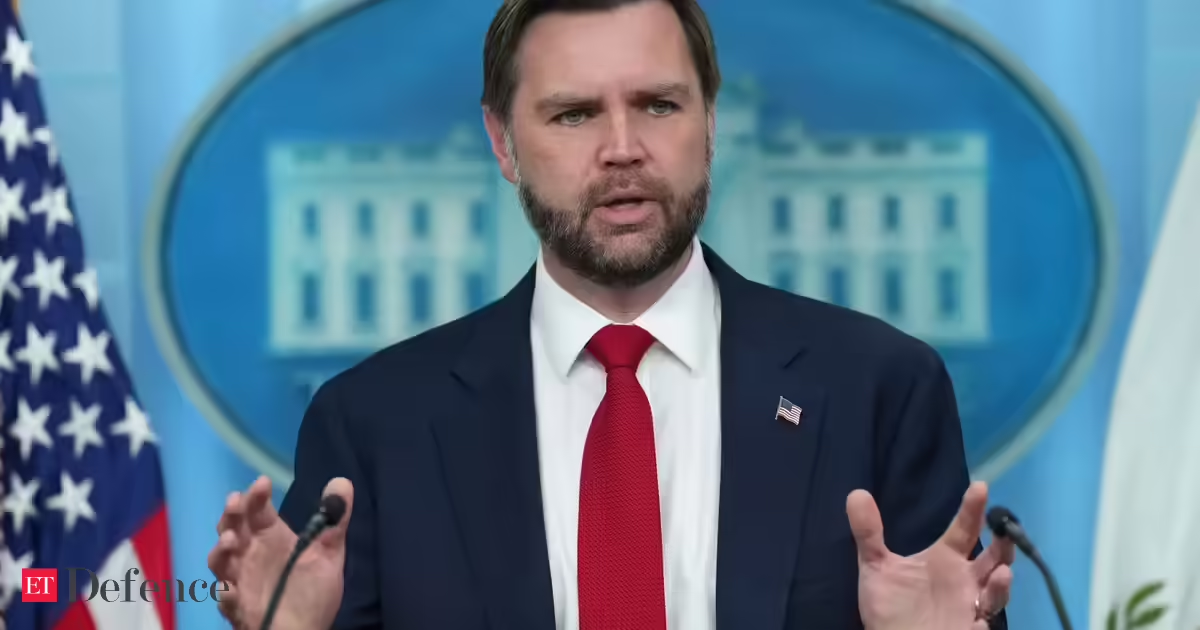
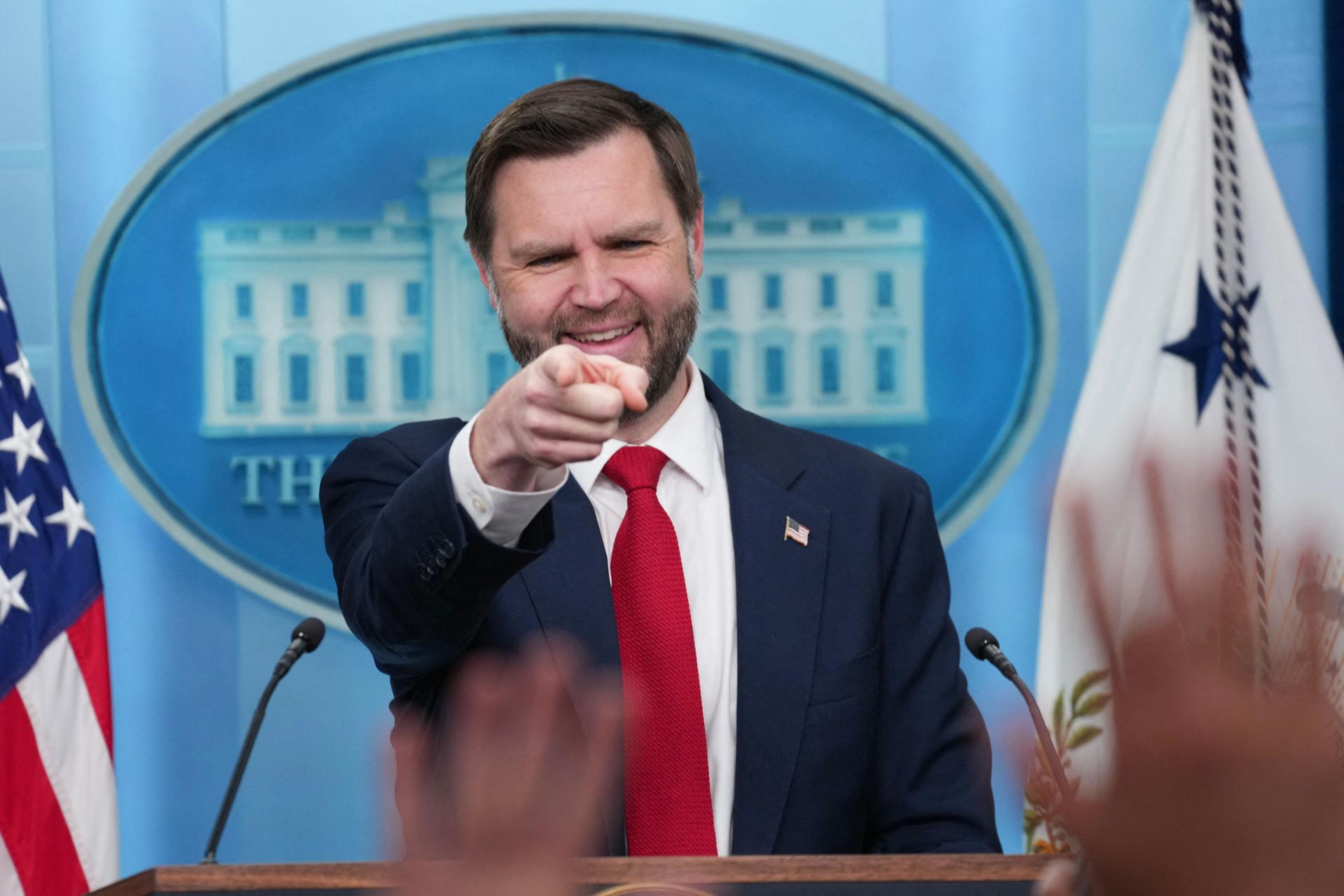
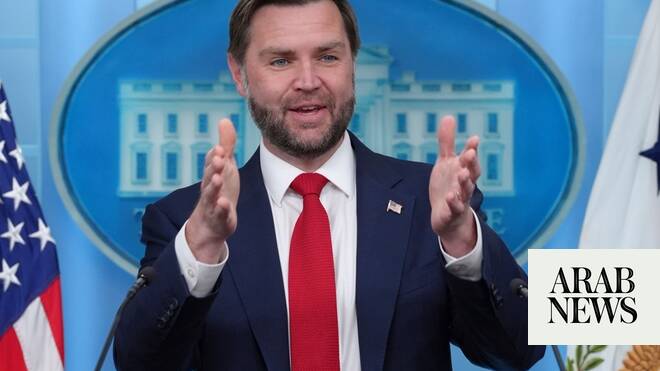
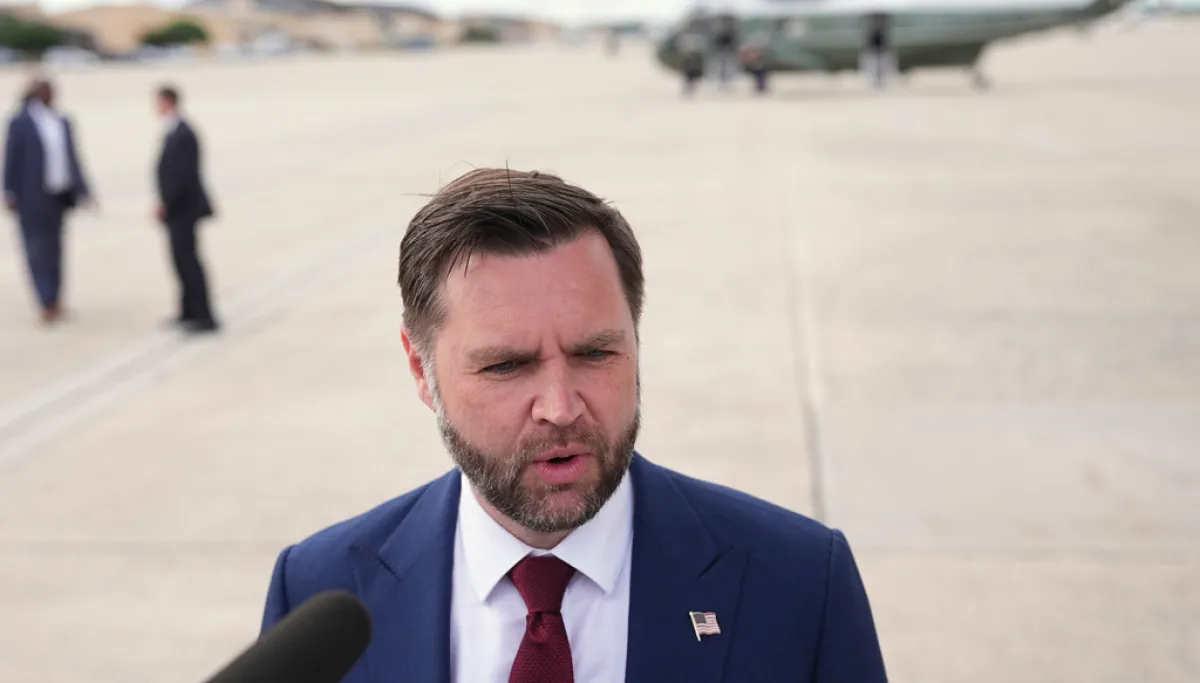
(Bloomberg) — Vice President JD Vance will not depart Thursday night for face-to-face negotiations with Iran in Switzerland, the White House said, as the US and Iran begin a 60-day countdown to reach a nuclear agreement and a more permanent peace deal.Vance told reporters at a briefing earlier in the day that he believed the technical talks would begin at some point this weekend and that he would travel to Switzerland.A White House spokesperson said Thursday that plans for the nuclear talks had not been finalized, citing logistical challenges. The spokesperson said an American delegation has been prepared to depart at the first available opportunity.President Donald Trump and his Iranian counterpart on Wednesday signed an interim agreement to end the months-long war and reopen the Strait of Hormuz.During the talks, the sides will try to agree on restrictions on Tehran’s nuclear program and how to dilute or destroy its stocks of highly enriched uranium.Many nuclear experts say 60 days is not enough time to work out something so complex and technical. The agreement does say the timeframe can be extended. The 2015 nuclear accord, which Trump derided and abandoned during his first term, took about two years to complete.As the two nations begin to stake out negotiating positions for the next phase of talks, Vance and Trump have sought to counter criticism — including from their political allies — that Iran had gotten the better of them.At his White House briefing earlier Thursday, Vance downplayed concerns Iran could eventually impose tolls on traffic through the Strait of Hormuz, a move that would turn the crucial passage — widely considered international waters — into a moneymaker for Tehran.“Well, first of all, we believe international waterways should be free of tolls,” he said, noting that the countries in the region “together will figure out a proper security framework for the straits in the future.”If the strait is not open, Vance added, “there’s not going to be a final deal.”Oil fluctuated between gains and losses on Thursday, while Brent traded at around $79 a barrel early Friday. Prices have dropped about 9% this week.Still, oil remains roughly 30% higher for the year, with energy traders saying it will take months, if not longer, for oil and liquefied natural gas flows through Hormuz to return to normal.Asked in an interview with Axios what he’d learned about limits to his power from the military operation, Trump said “there are no limits.” He reiterated claims that the US “defeated them totally militarily” and said the memorandum “probably is unconditional surrender” from Iran.Yet Trump, for a second day, said that global oil pressures informed his decision to sign on to the deal that he did. “We wouldn’t have oil for months. As long as you’re dropping bombs, that thing is automatically closed,” Trump told Axios, referring to the strait. He also warned in the interview that a prolonged closing “is the kind of thing that could cause a worldwide depression.”Earlier Thursday, the president posted on social media that “oil is flowing,” hours after signing the memorandum to extend a ceasefire and begin negotiations to end the conflict. Iran’s closing of the strait led to a surge in energy prices, raised the risk of a global economic crisis and led to chaos across the Middle East.US Central Command announced Thursday that it had lifted the blockade on traffic to and from Iranian ports and coastal areas.“American forces are not impeding the transit of vessels to or from Iranian ports on the Arabian Gulf and Gulf of Oman,” the command said in a social media post.Ships carrying stranded oil began making their way out of the Strait of Hormuz on Thursday, while Kuwait said it would start ramping up production, as the peace deal sparked a flurry of activity in the region. Vessels carrying nearly 10 million barrels of oil have either appeared outside the strait or are sailing through, including the first Saudi-owned tankers since the war began more than three months ago.Iran said commercial vessel traffic at southern ports had returned to normal since Monday, according to the semi-official Iranian Students’ News Agency.–With assistance from John Harney and Jon Herskovitz.(Updates with how agreement is unfolding, latest oil price, starting in eighth paragraph.)©2026 Bloomberg L.P.