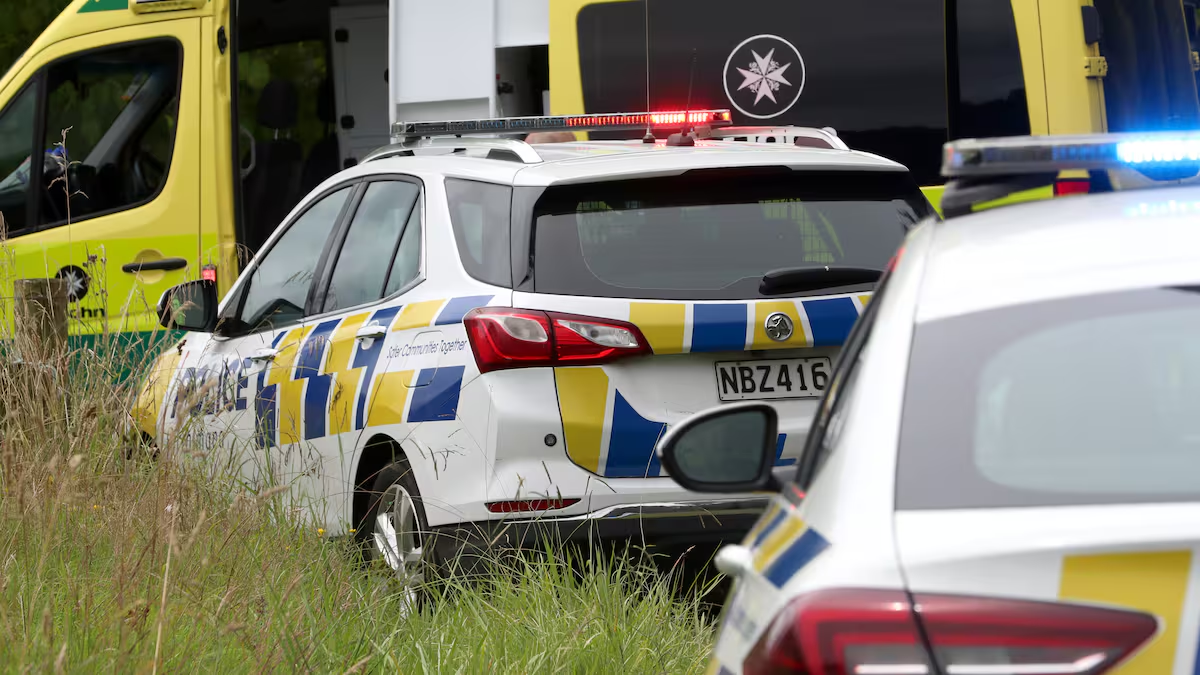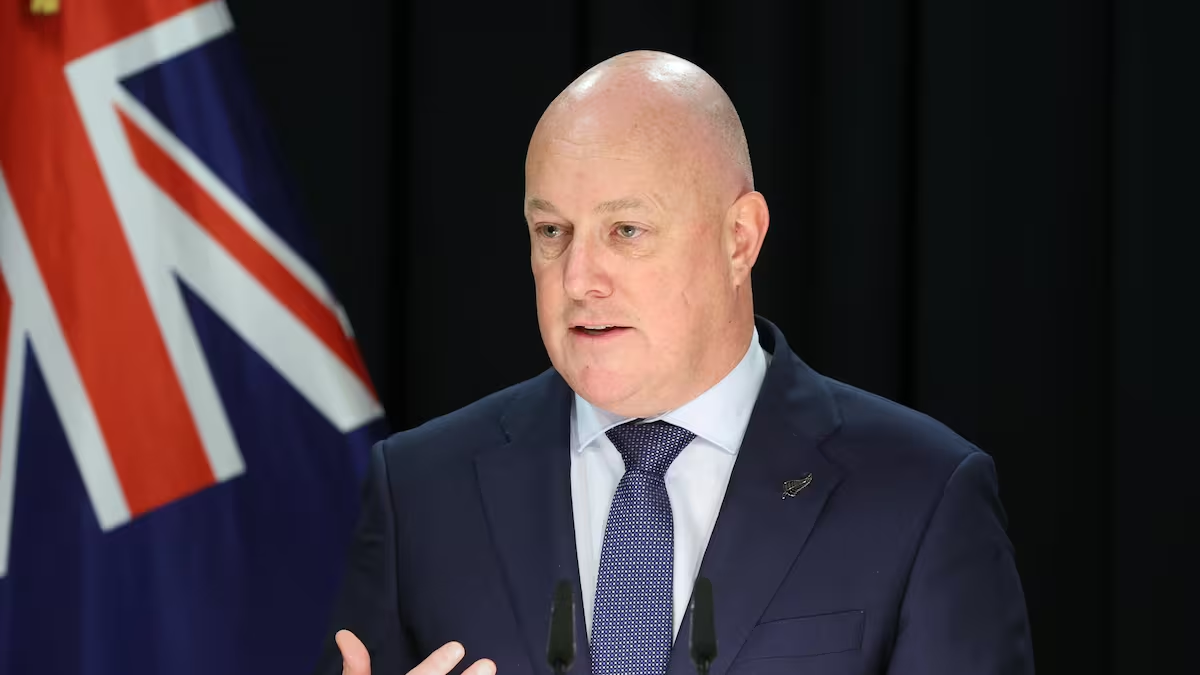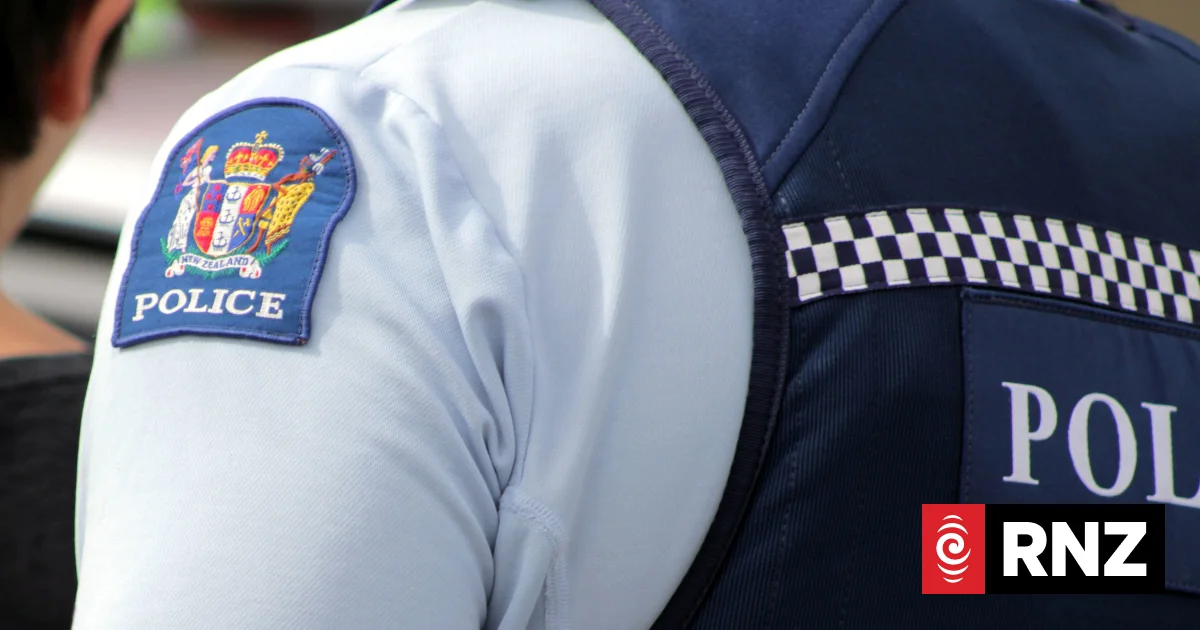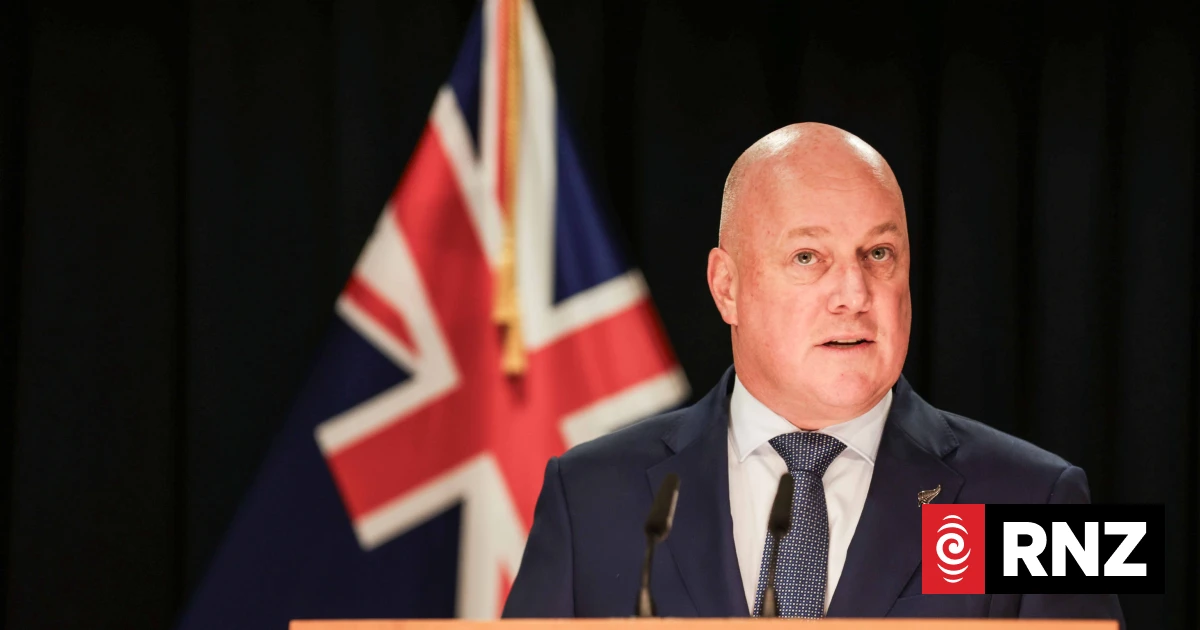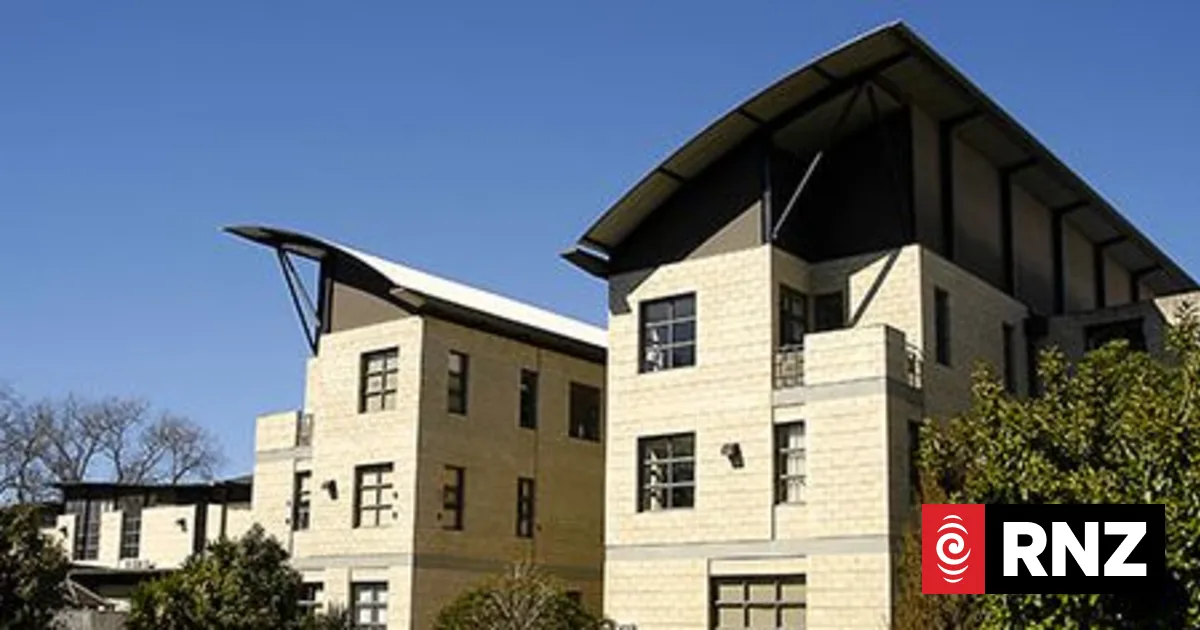
The whānau of an 11-year-old autistic Māori girl who was mistaken for an adult, restrained and injected with drugs want a formal apology from the prime minister and greater accountability from the state.In March 2025, the kōtiro was taken to the hospital by police, who were concerned for her welfare after she was spotted in the middle of the road and climbing a bridge.Police misidentified her as a missing 20-year-old mental health patient who was under a compulsory treatment order.She was admitted to the Henry Bennett Centre, where she was restrained and sedated because she refused oral medication.In a statement received by RNZ, the whānau of the kōtiro said reports by the Ministry of Health and the Health and Disability Commissioner (HDC) confirmed their "worst fears"."If we did what the state has done, we'd be locked up."The whānau said she was distressed and just needed support to get home safely."Instead, at a moment of profound vulnerability, she was met with force rather than care. Imagine how you would feel if your autistic daughter was handcuffed, physically restrained, held down by five people, and injected with anti-psychotic medication not once, but twice?"Then being told she was injected for her own safety, which is proven to be unlawful when the true facts finally come out over one year later? And it wouldn't be OK either if she was 20 years old."The whānau said the girl was experiencing "traumatic flashbacks" because she still felt unsafe."Now, our focus is on helping her feel safe again. We are determined to ensure that no other tamaiti, and no other whānau goes through what we have.""Never again." the statement said.The whānau were seeking:a formal public apology from the prime minister, Cabinet, and the five ministers responsible for health, mental health, disability issues, police and Crown relations, together with accountability from Health New Zealand board and chief executive, Ministry of Health director-general of health and chief executive, and the police commissionera public commitment to an independent, system-wide review on tāngata whaikaha/disabled peoples' experience across whole-of-government/all agenciesmeaningful reform to ensure the rights, dignity, safety, and wellbeing of autistic people and minors are protected across health, disability, mental health, police and across the whole-of government/state systemgreater public and government awareness, education and understanding of the systemic issues highlighted, focusing on preventing similar harm from occurring to other tāngata whaikaha and their whānauthat accountability applies to both the people involved and to the broader systemic conditions that allowed the incident to occur.Iwi leaders back whānau call for accountabilityPou Tangata advocated for education, employment, health, justice, social wellbeing and whānau and hapū prosperity on behalf of the National Iwi Chairs Forum. Chair Rahui Papa - based in Waikato where the incident occurred - said the reports described "more than a failure of process"."They reveal a failure to recognise the humanity, mana and rights of a mokopuna Māori and tāngata whaikaha.""That child is a mokopuna, a living expression of whakapapa. They are not separate from it but descended from it and held within it. Mokopuna reflect their tupuna by carrying their stories, their lineage, and most importantly their mana forward into the future."Dame Naida Glavish.Lucy XiaVeteran Māori rights advocate and forum member Dame Naida Glavish questioned how something like this could even happen."How is this happening in Aotearoa? Is this all we can expect from 186 years since signing the Treaty, and what's on Saturday going to look like if this is what on Friday looks like?" she said."The Crown must demonstrate how it will ensure that no other mokopuna, tāngata whaikaha whānau experience this cruel treatment ever again. Accountability must extend beyond individuals to the systems, policies and cultures that enabled these failures to occur in the first place."Lead advisor for the forum's working group on the Peoples Action Plan Against Racism, Tina Ngata, had similar views.Tina Ngata.Supplied / Tina Ngata"We send our aroha, outrage and solidarity to this whānau. Sadly, this is an appalling testament to what we already know: that New Zealand's health and disability system has never been designed to protect tāngata whaikaha Māori. As a non-verbal, autistic Maōri child in distress, there were multiple reasons for her case to be escalated as one of extreme vulnerability."Instead, she was brutalised, detained, and drugged without consent or lawful authority. This maltreatment must be viewed within the context of the multiple forms of discrimination that New Zealand Police and health systems continue to leave unaddressed. Her treatment cannot be separated from the long history of racism that continues to drive injustice towards Māori in both the police and health sector."The forum said they supported the whānau in seeking an apology from the prime minister and other ministries responsible."We expect them to do the right thing and to respond in a manner consistent with Te Tiriti o Waitangi, the rights of tāngata whaikaha, and the wellbeing of future generations of mokopuna," Papa said.Sign up for Ngā Pitopito Kōrero, a daily newsletter curated by our editors and delivered straight to your inbox every weekday.
Whānau of 11yo arrested and drugged in mistaken identity case demand state apology
The whānau of an 11-year-old autistic Māori girl who was mistaken for an adult, restrained and injected with drugs want a formal apology from the prime minister and greater accountability from the state.
831 words~4 min read