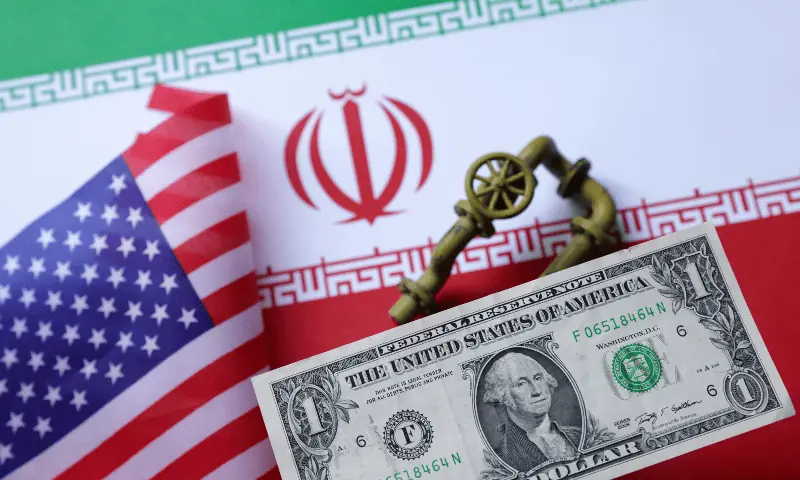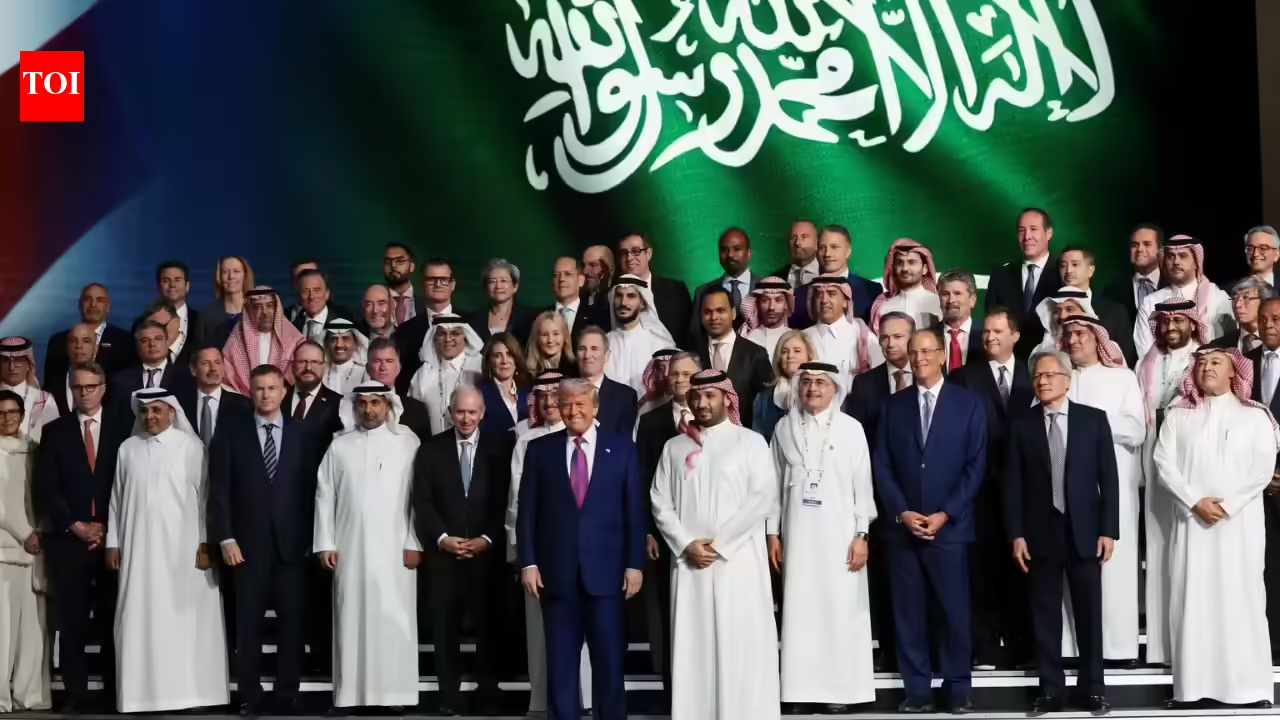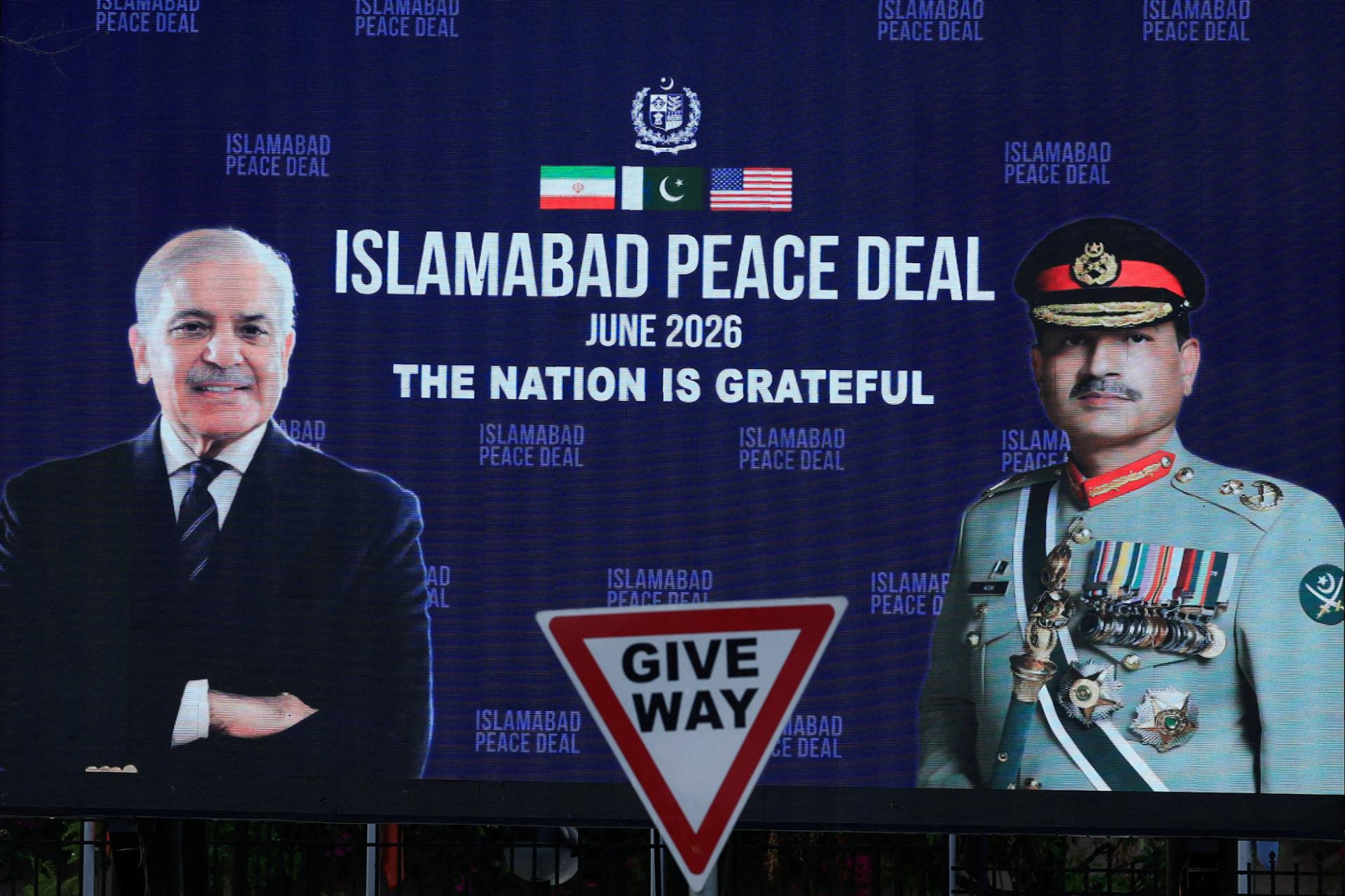
A $300 billion private investment fund sits at the center of the US-Iran memorandum of understanding, and according to Brookings Institution’s Suzanne Maloney, Gulf Cooperation Council states are the ones writing the biggest checks. In exchange, those GCC nations may receive sanctions waivers for their role in promoting regional stability.
How the $300 billion fund actually works
The investment mechanism is structured as a private fund, not a government aid package. Traditional financial assistance flows from one treasury to another, with all the political baggage that entails. This fund instead draws commitments from private-sector entities across the US, Gulf states, Asia, South America, and Africa.
More than half of the $300 billion has already been committed by international investors, according to reports on the agreement. The commitments are not unconditional, though. Iran’s access to the capital is contingent on compliance with nuclear and behavioral protocols baked into the MOU.
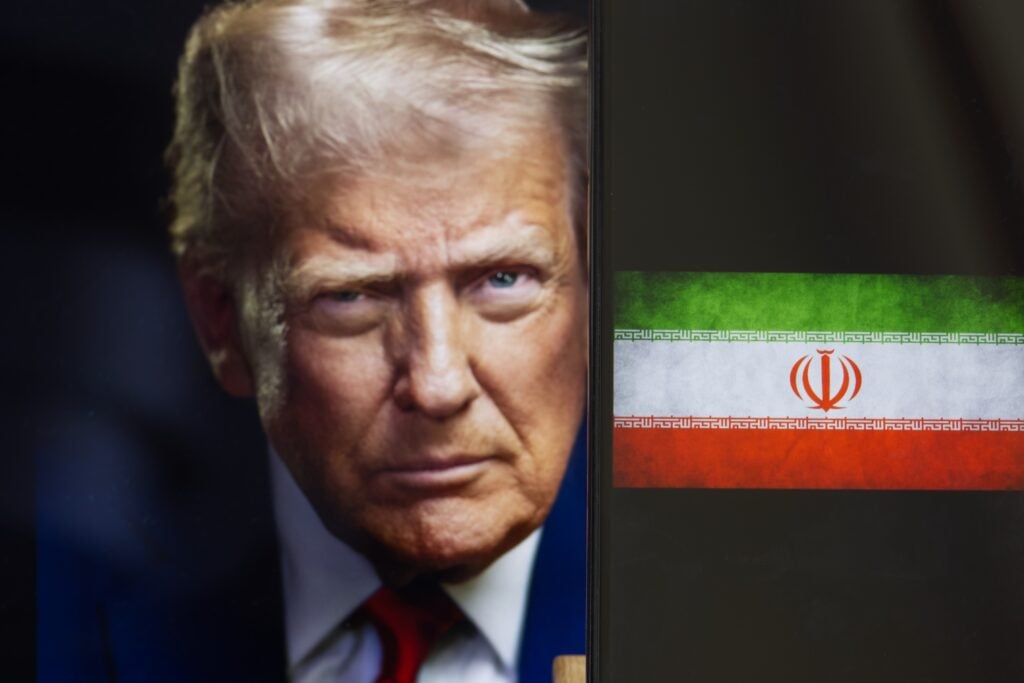
Maloney, who serves as a senior fellow at Brookings and has long been one of Washington’s most cited voices on Iran policy, framed the agreement as highly advantageous for Tehran. The deal promotes Iran’s economic reintegration after a violent stretch of conflict involving the US and Israel against Iran earlier in the year.