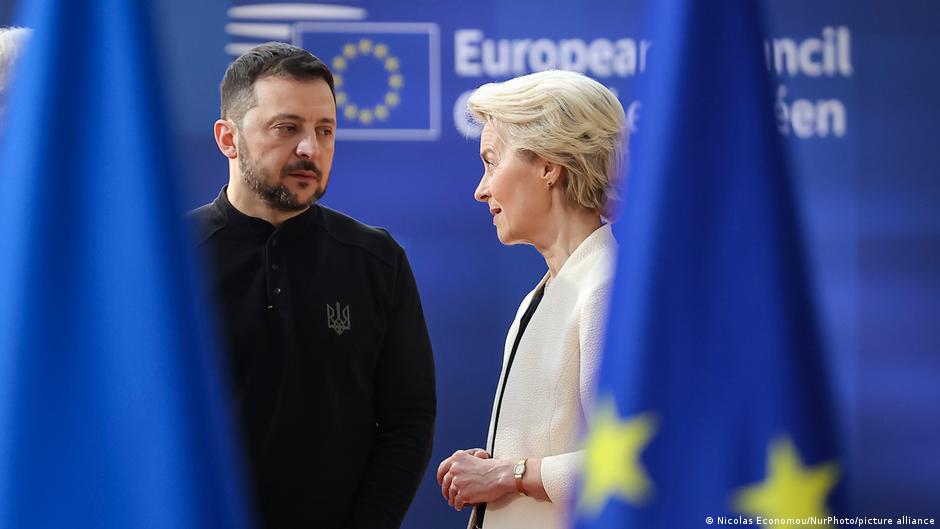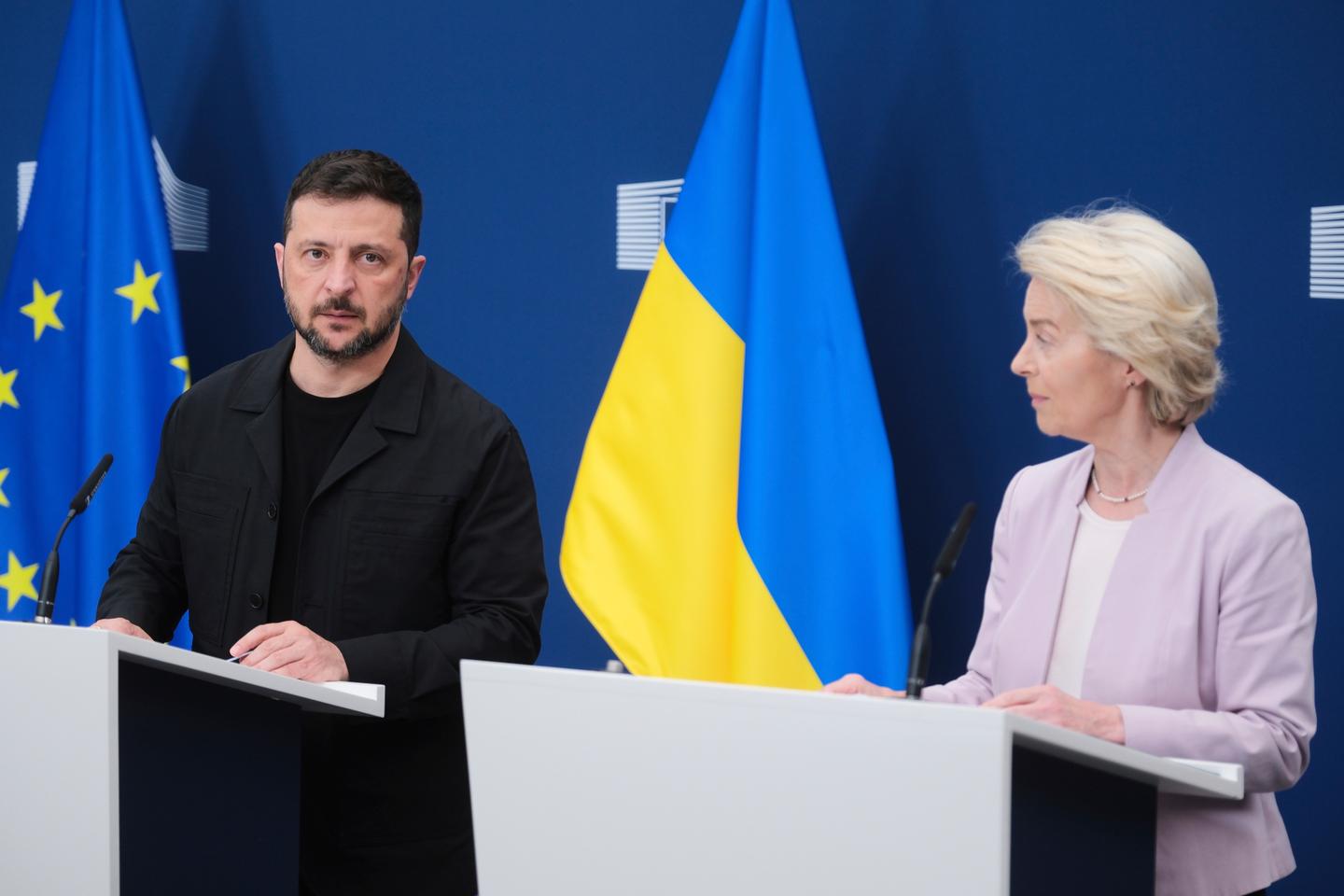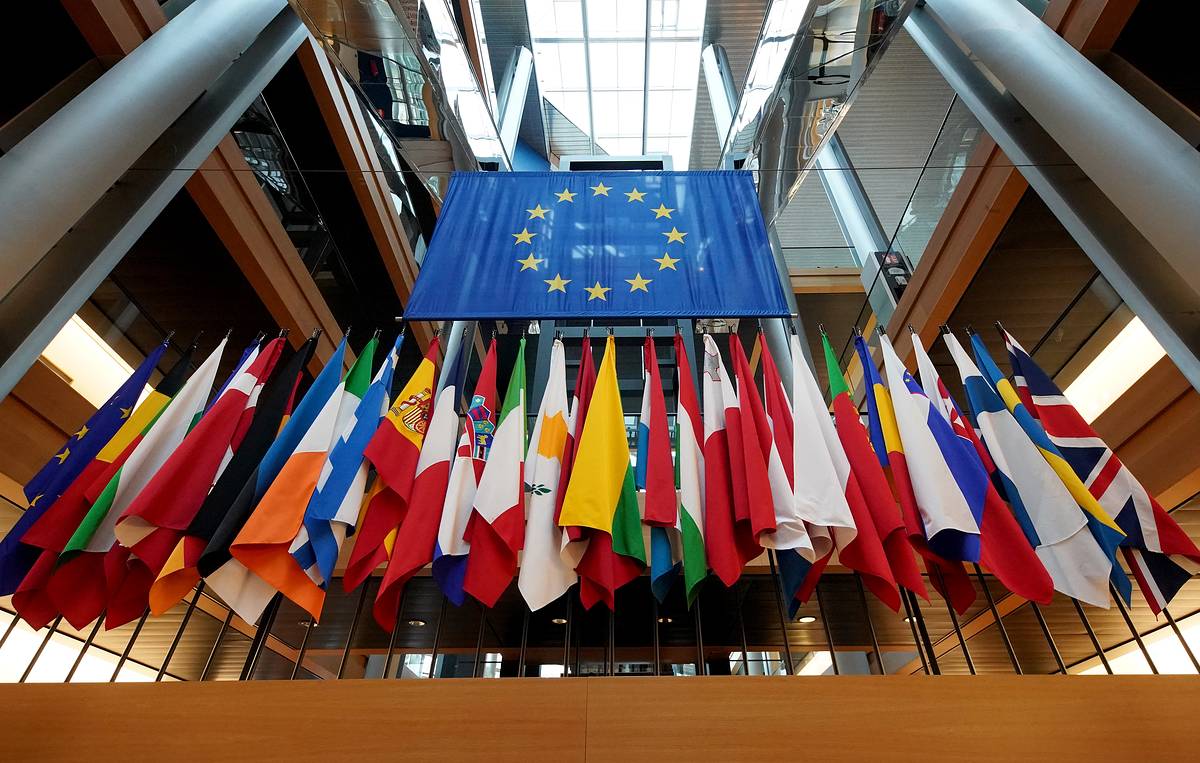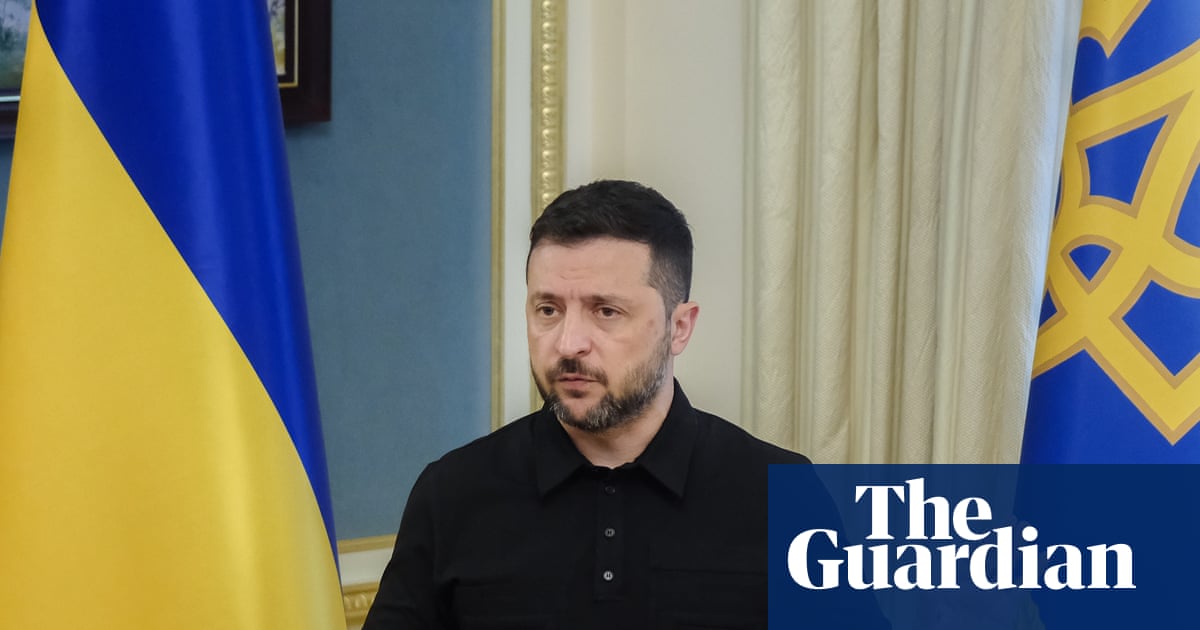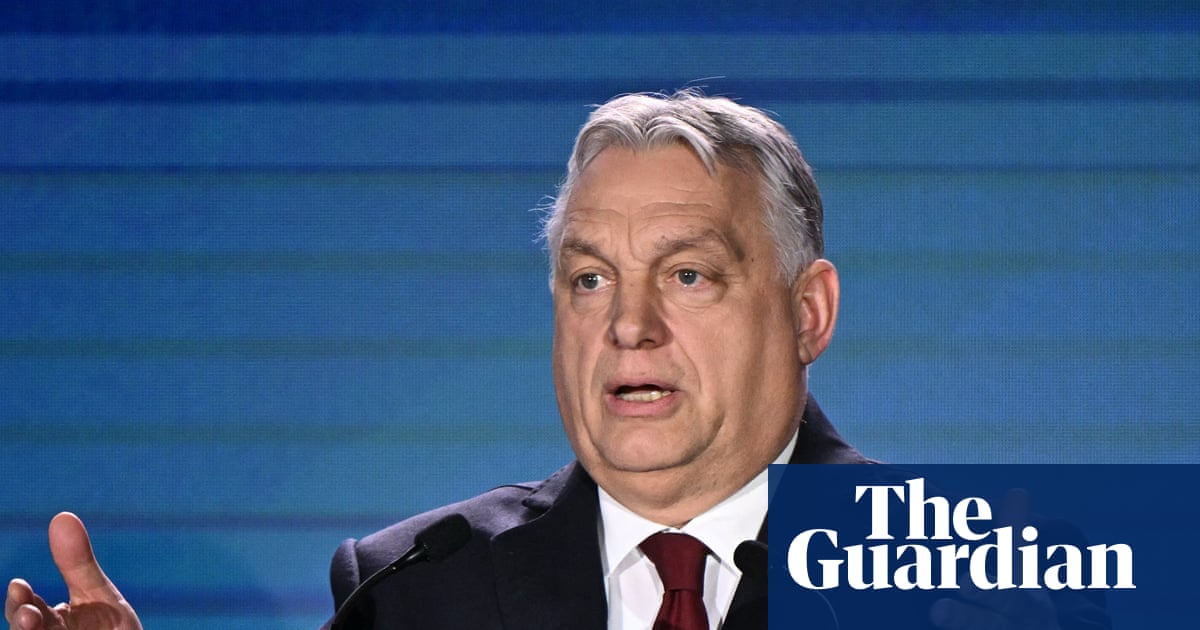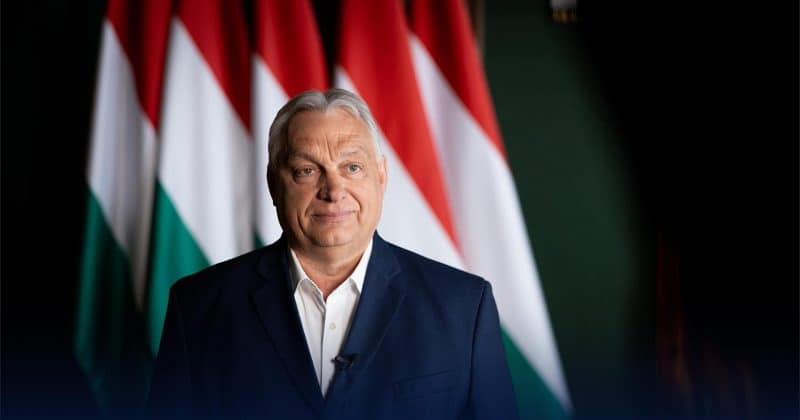
For the first time in over a year, EU leaders managed to produce a joint statement on Ukraine. The European Council summit in Brussels on March 19 saw 25 of 27 member states back the conclusions, a document that had been held hostage by Hungarian Prime Minister Viktor Orbán’s persistent vetoes and procedural blockades since early 2025.
Orbán, along with Slovak Prime Minister Robert Fico, refused to sign. But with 25 signatures on the dotted line, the bloc’s message was clear: Hungary’s ability to single-handedly stall European foreign policy on Ukraine is eroding fast.
The €90 billion question
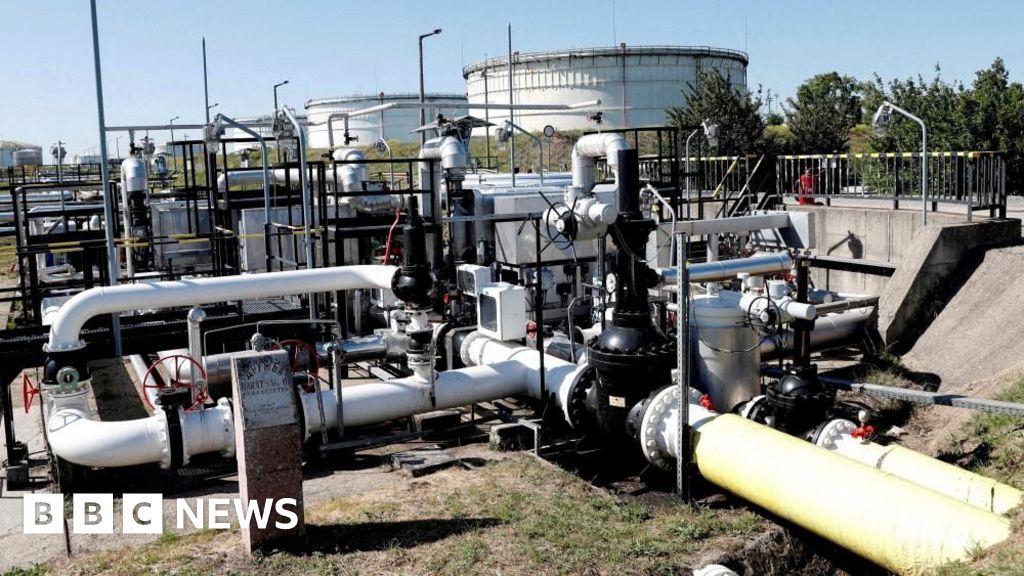
At the center of the dispute sits a €90 billion EU loan package for Ukraine. The package became entangled with a separate but politically charged issue: Russian oil transit through the Druzhba pipeline, which has been partially damaged during the conflict.
Orbán had initially approved the loan framework back in December 2025. Then he reversed course, tying his objections to Hungary’s energy concerns and the unresolved question of Russian oil flows into Central Europe.