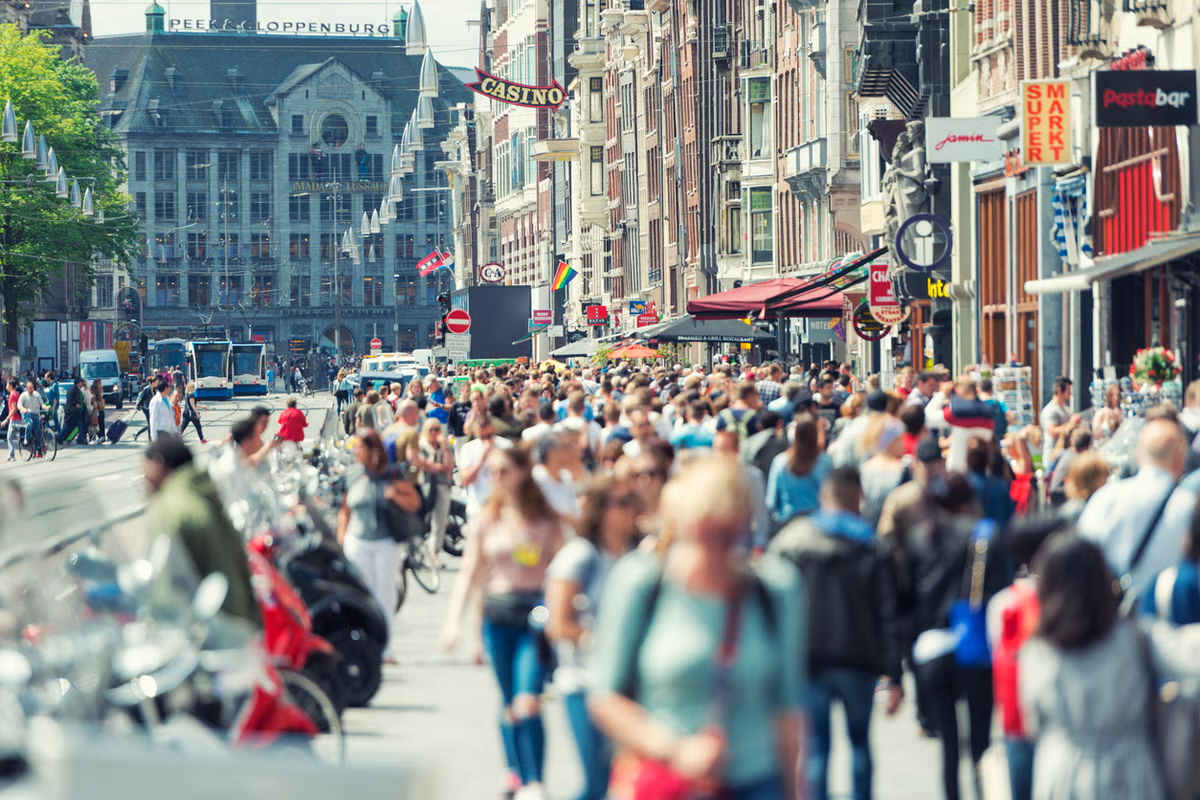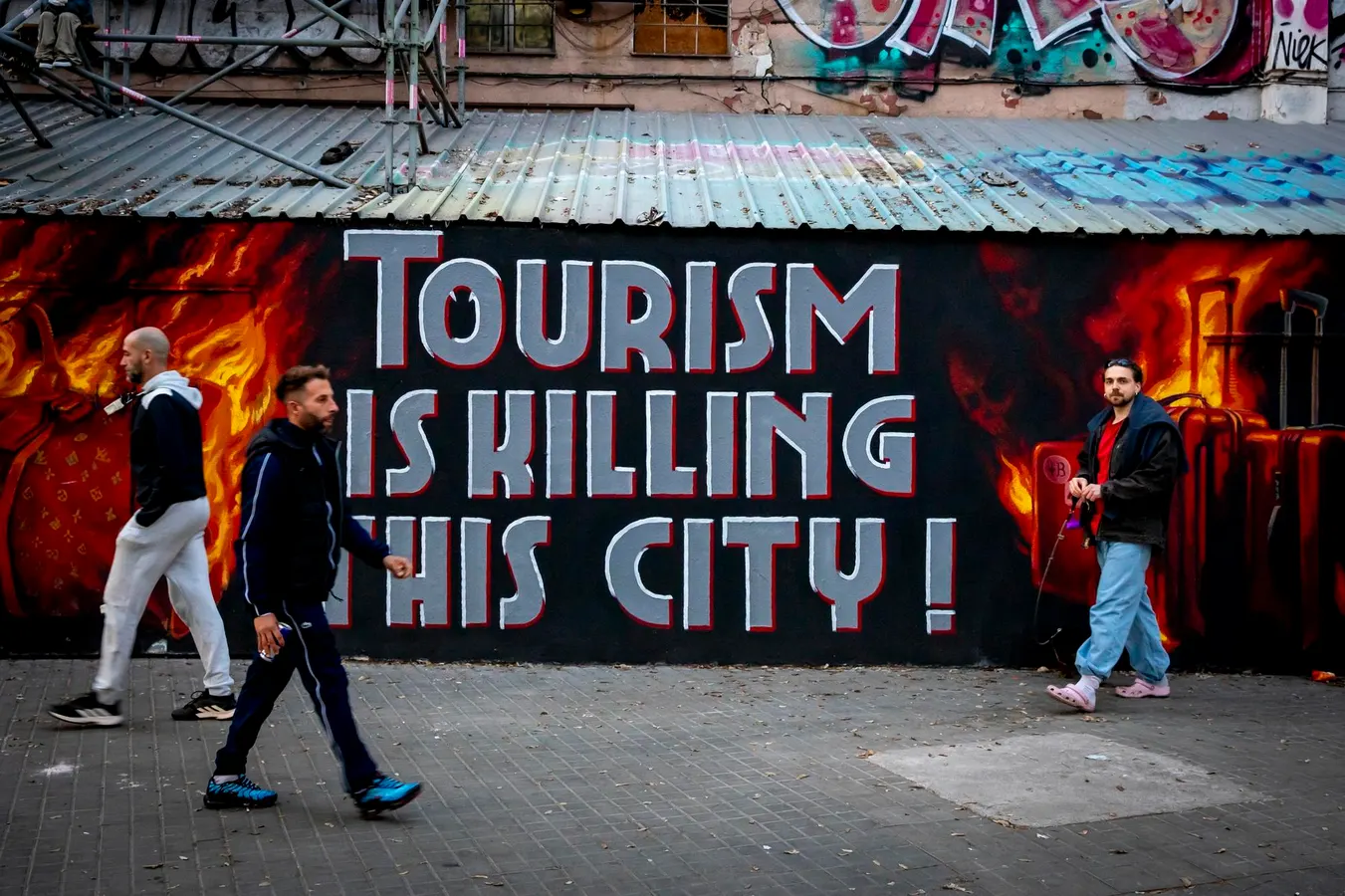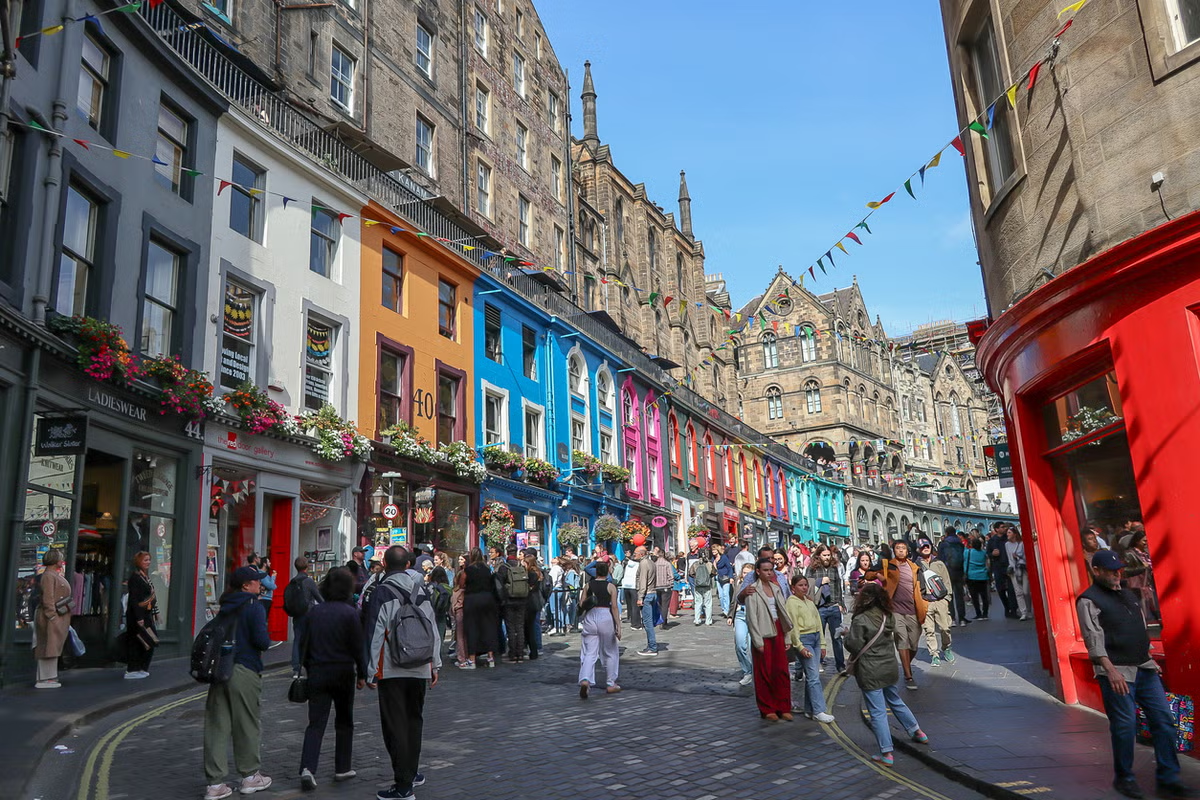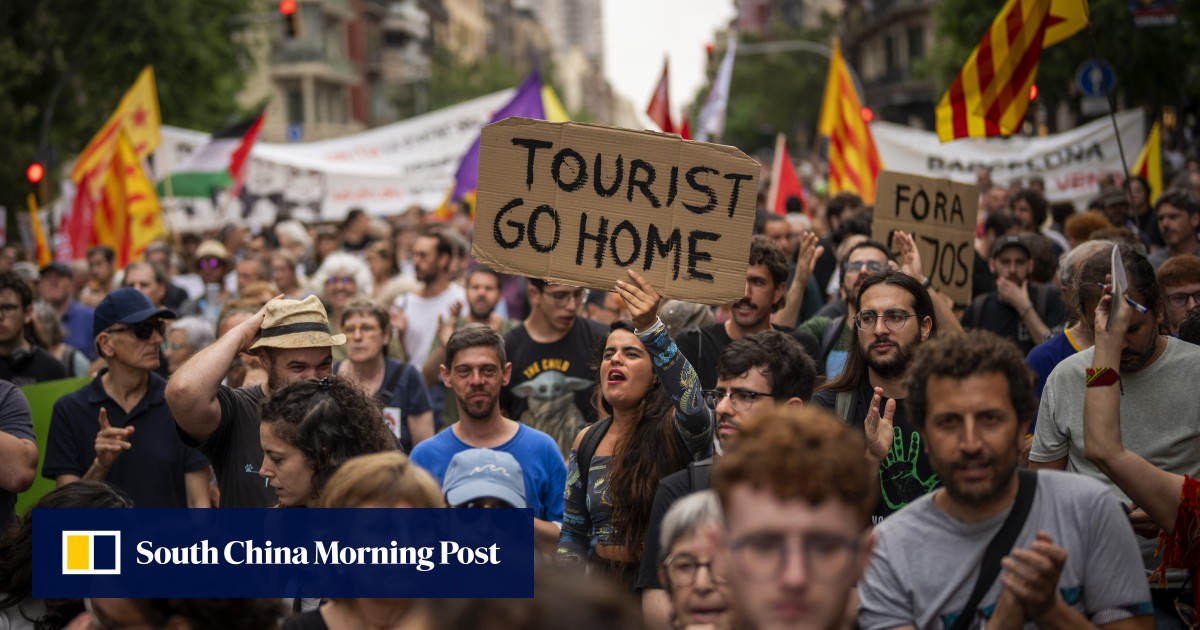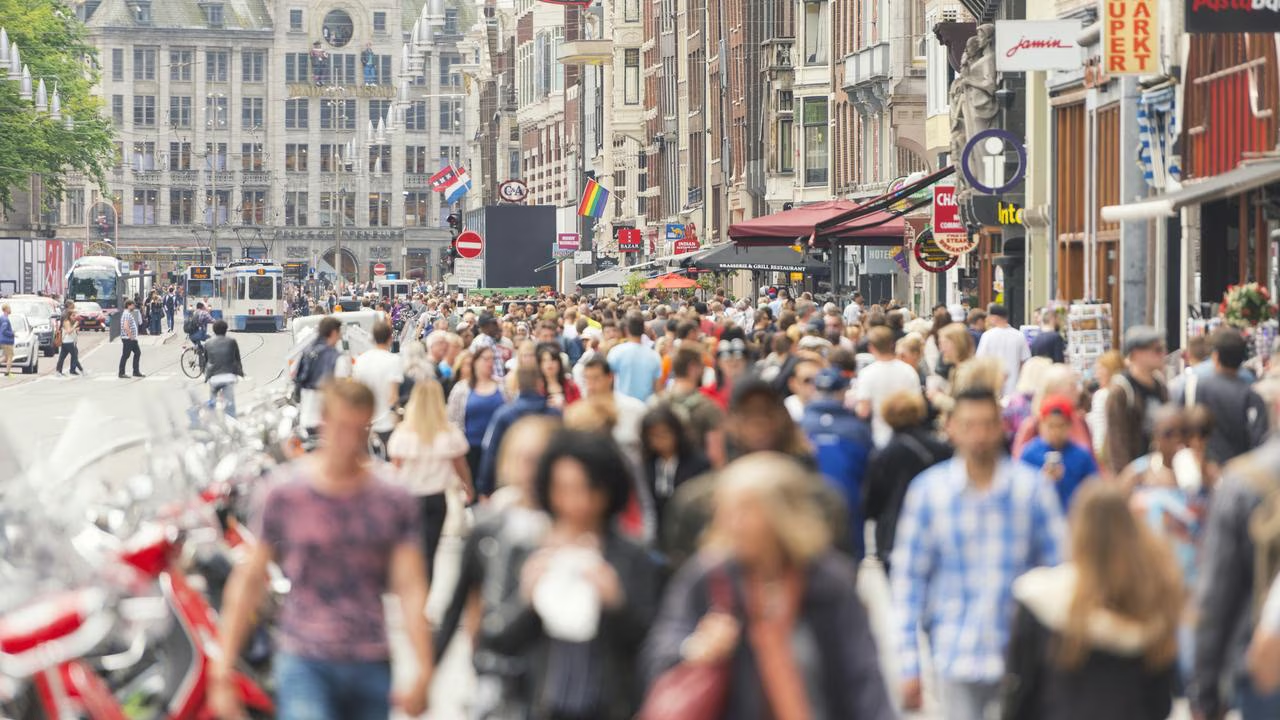
Overtourism continues to plague parts of Europe with some countries introducing or increasing tourism tax to help minimise the affects.More than 20 European countries levy some form of tourist or accommodation tax, including cities like Venice, Barcelona and Amsterdam, where the influx of visitors puts pressure on local resources. Countries like Hungary, Portugal and Croatia have some of the lowest fees.Aussies heading to these countries are usually unaware of these hidden costs and in some cases, have had to fork out extra cash on top of their restricted travel budgets.The latest hotspot to increase its tourist tax to 20 per cent is Amsterdam.The Dutch capital welcomed 7.5 million international visitors in 2024, about an 8 per cent increase from the year before. Earlier this month, the city’s coalition government announced plans to raise the tourist tax on overnight stays from 12.5 per cent (of your booking) to 16 per cent next year, and then increase it by one percentage point each year until it hits 20 per cent in 2030.If the plans go through, Amsterdam officials expect to raise $100 million AUD from the tourist tax in 2027, according to local reports. Already it has one the highest tourist taxes in Europe, with Angus Kidman, travel expert at Finder, saying it’s becoming more common. “Visitors bring in valuable tourist dollars but also have real impact on local environments and travel taxes help offset that,” he told news.com.au.“Plus it’s politically easier than taxing residents more.”He said given the 20 per cent increase, Aussie travellers on a tight budget might drop Amsterdam from their itineraries and choose somewhere else. “But ultimately, if you want that particular experience, you’ll pay up. And Amsterdam remains one of the best-connected cities in Europe – flying somewhere else simply might not work as well.”Brett Mitchell, managing director ANZ at Intrepid Travel said the increase signals Amsterdam “is taking the responsible approach on tourism and that’s a good thing,” he told news.com.au. “There are also plans to close or relocate the main cruise terminal and limit the number of cruise ships entering the city each year.“For Australians on a Northern European cruise, it’s worth checking your itinerary as passengers may eventually need to transfer in via Rotterdam rather than docking directly. And if you’re booking accommodation, get in early and lock in prices before future increases take effect.”He advised shoulder season travel (autumn or early spring), will also get you a better experience for less. “But the bigger picture here is positive. Destinations that actively manage visitor numbers are the ones that stay worth visiting,” he explained. “Amsterdam is investing in its own future and ultimately in a better experience for the people who visit.”He said the city’s canals, historic streets and neighbourhoods have been buckling under the pressure of mass tourism for years and residents have raised real concerns about noise, waste, overcrowded public transport and housing costs. “The new measures are a direct response to that. The tourist tax revenue will go toward improving public services, maintaining infrastructure and managing crowds,” Mr Mitchell said. “Cruise ship restrictions will reduce pollution and congestion near the city centre. “For Australians who travel thoughtfully, these changes aren’t a deterrent. They’re a signal that the destination is looking after itself.”Meanwhile, Barcelona, Paris, Venice, Norway – all have introduced or strengthened tourist taxes and visitor restrictions in recent years. “Destinations are responding to real pressure from local communities and the ones taking action are the ones that are going to remain incredible places to travel to,” Mr Mitchell said. “That’s good news for Australians who want to keep coming back to Europe.”The country that’s been hit the hardest with overtourism is Spain, with locals unleashing on tourists over severe housing shortages and skyrocketing rents.“Spain is carrying a lot of pressure right now, Barcelona in particular,” Mr Mitchell said.“The tension between residents and tourism has been real and visible and the city has had to introduce a raft of measures to manage it. “Intrepid sees this first-hand through its local teams on the ground there. That’s actually part of why Intrepid developed the Uncommon Barcelona day trip, created by locals specifically to take travellers beyond the hotspots into lesser-known neighbourhoods like El Born and El Clot, supporting local businesses and redistributing tourism dollars away from the most crowded parts of the city.”He said it deliberately runs in small groups of no more than 12 people. “Barcelona isn’t alone though. Venice and Paris are grappling with the same pressures, which is why Intrepid has launched Uncommon day trips in both cities too,” he added.“The demand to visit these places isn’t going away. The question is whether you visit in a way that adds to the problem or helps solve it.”Some of the most common tourist and travel fees to be mindful of in Europe include, hotel taxes, city access fees, transport charges and airport or departure taxes.
City Aussies will have to pay more to visit
Overtourism continues to plague parts of Europe with some countries introducing or increasing tourism tax to help minimise the affects.
815 words~4 min read