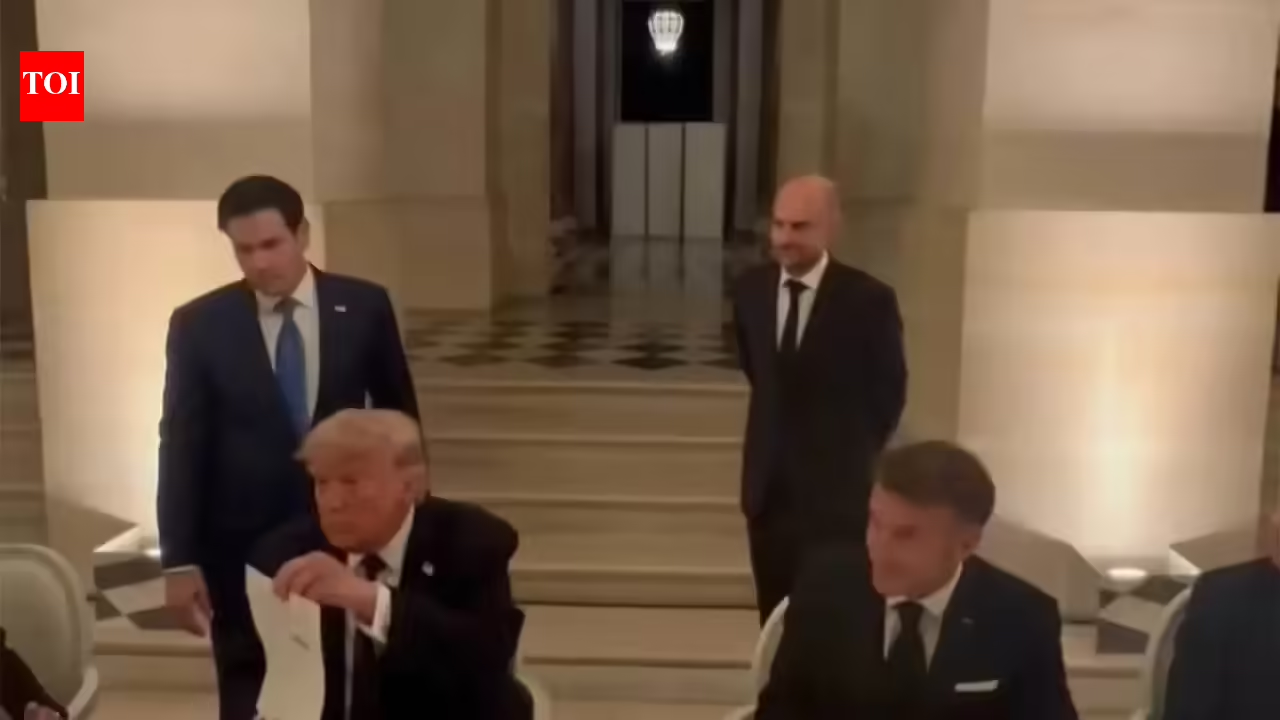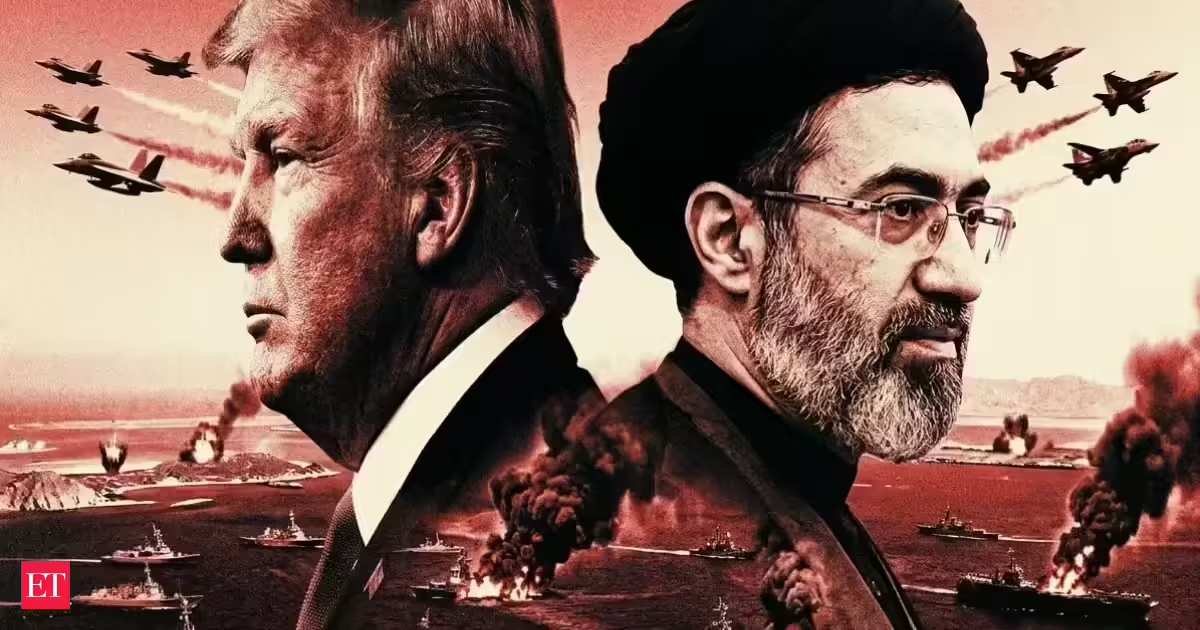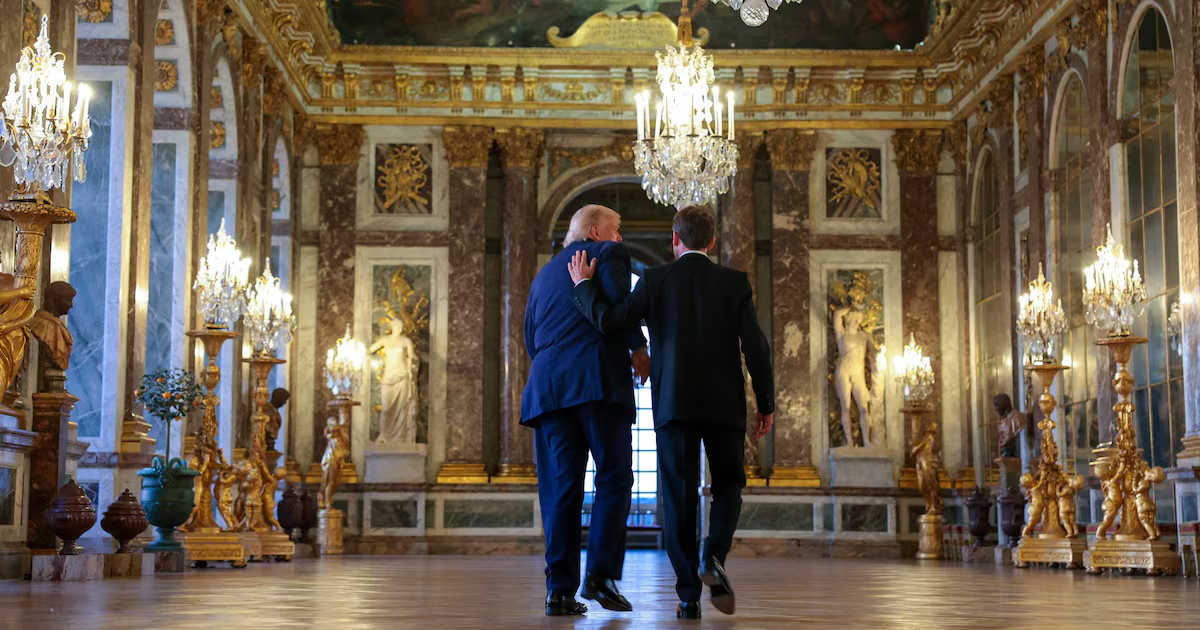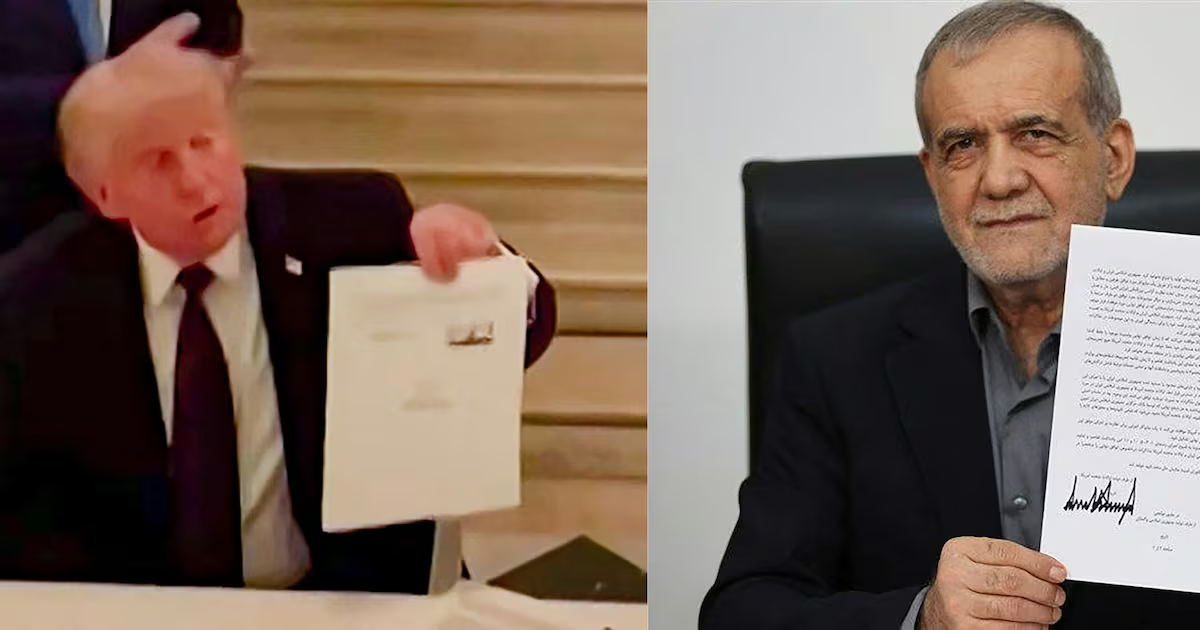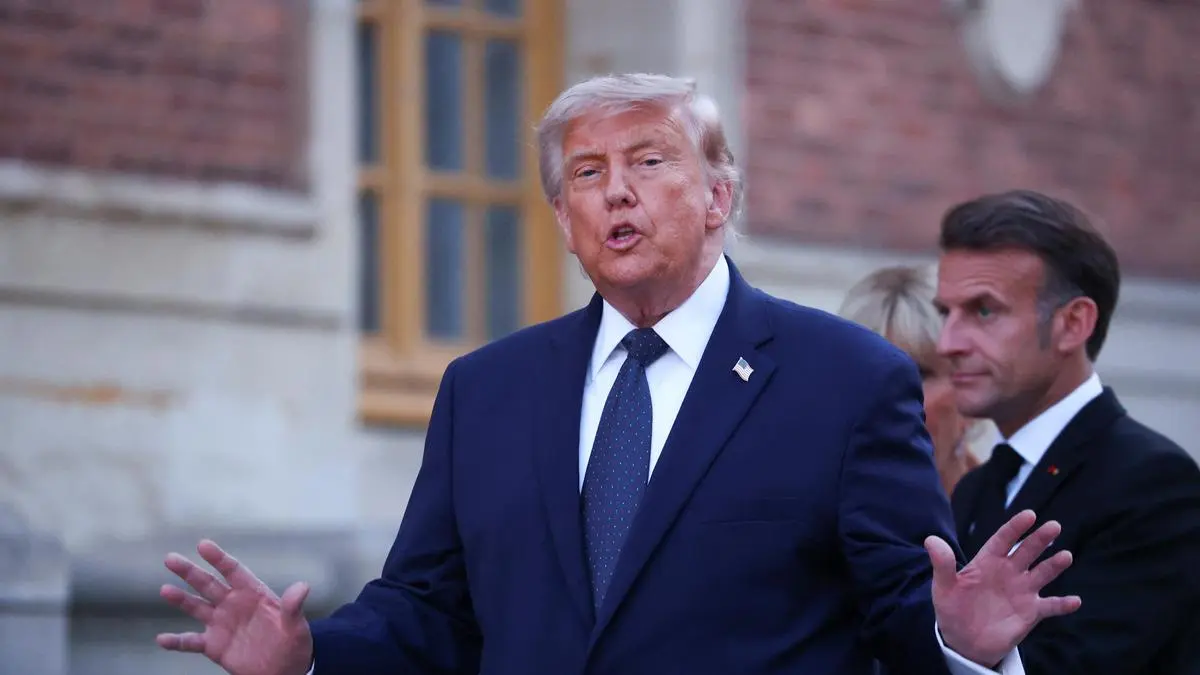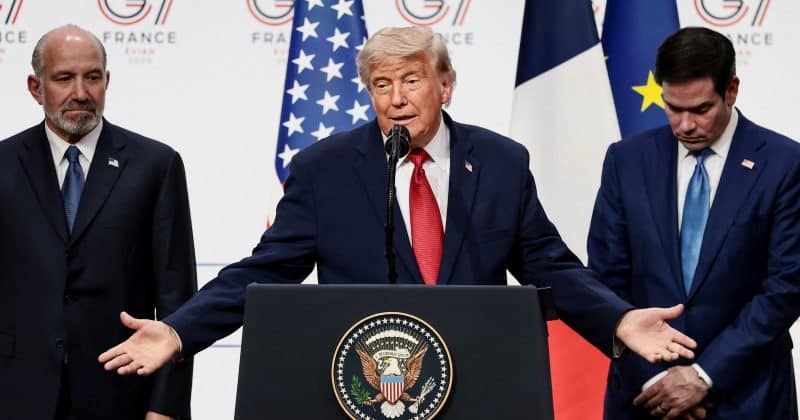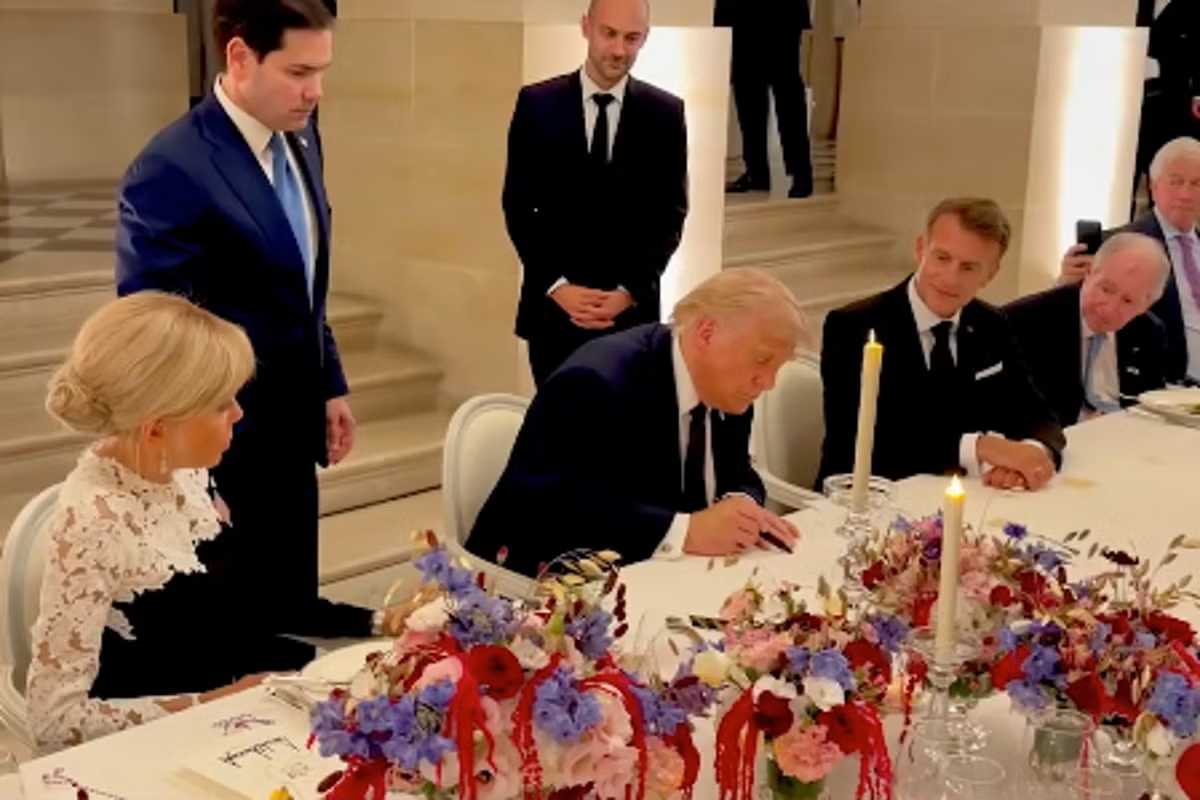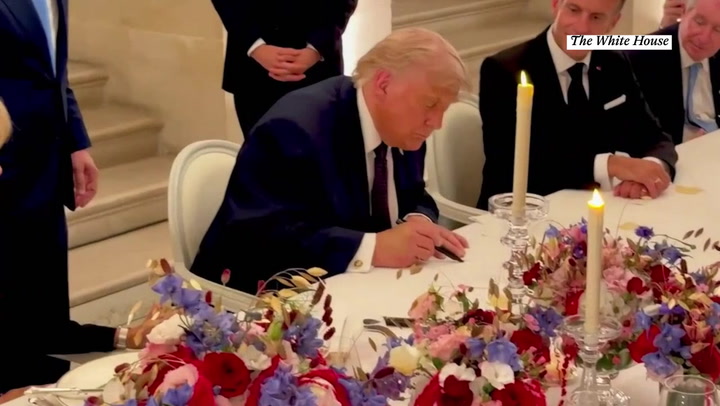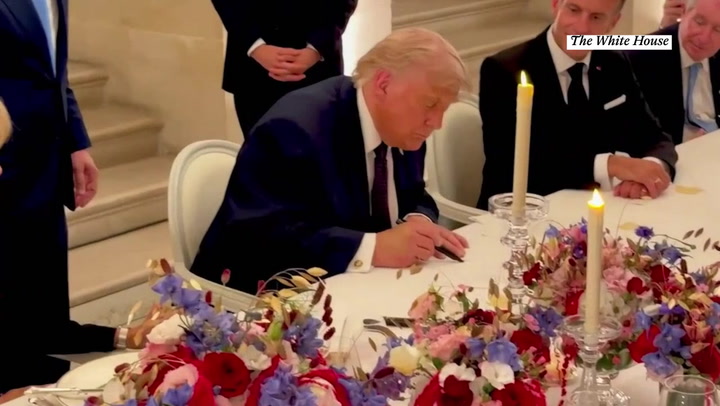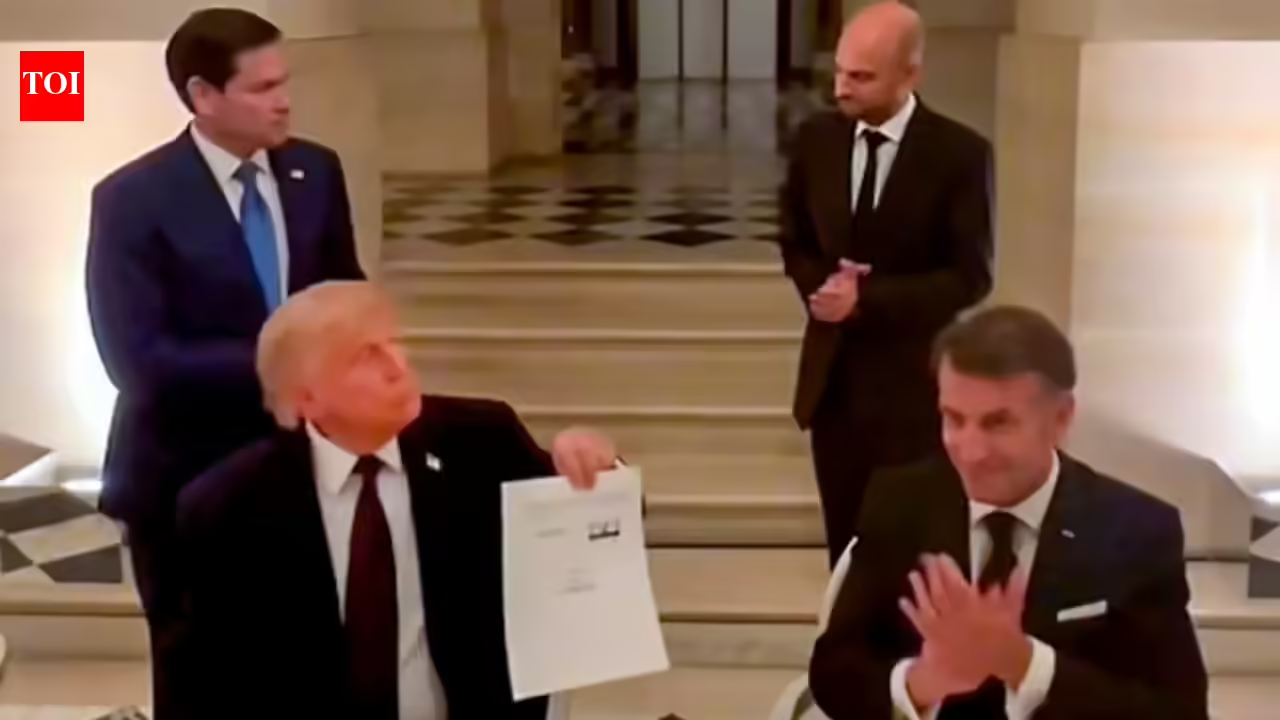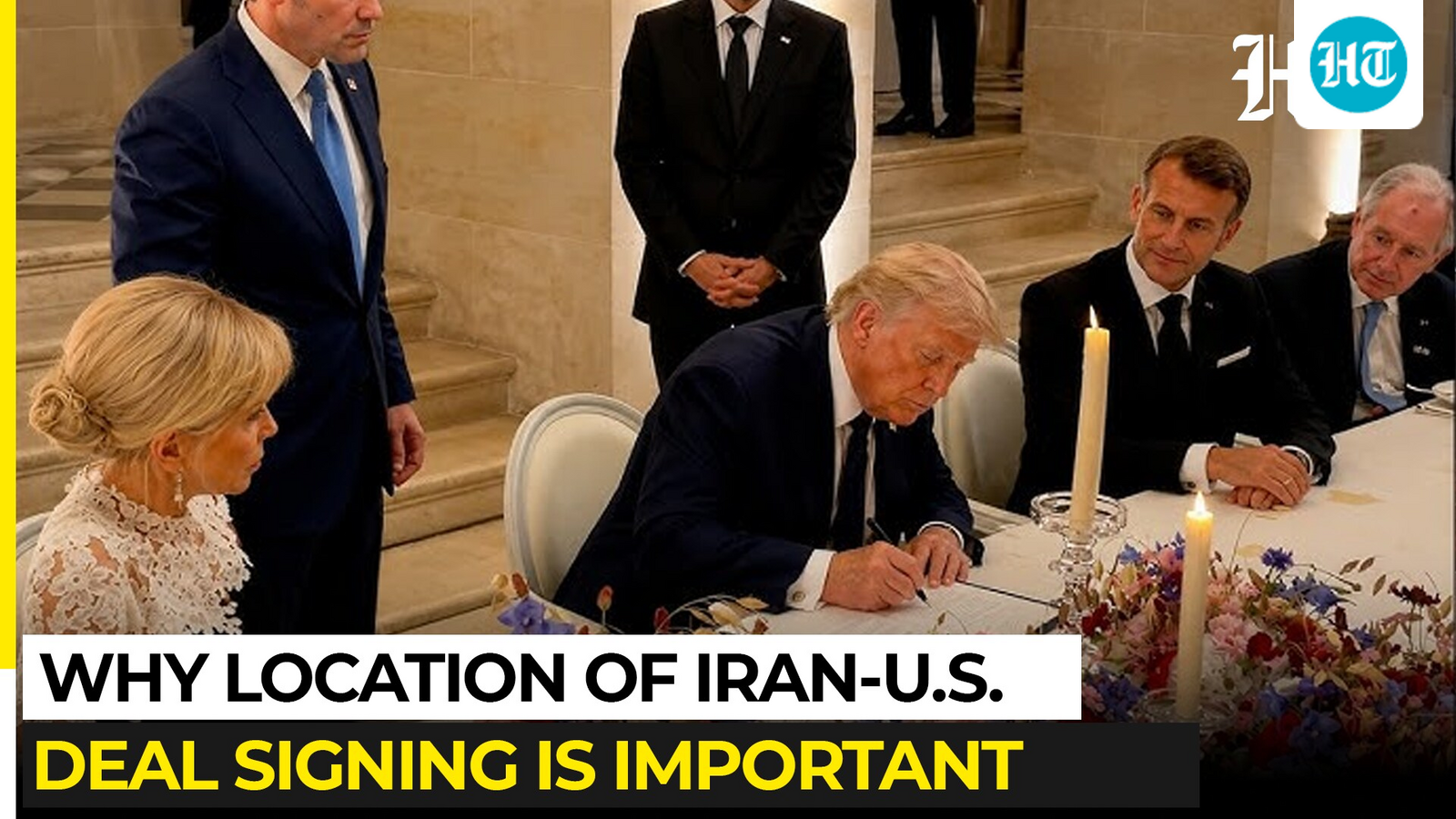
Donald Trump and Masoud Pezeshkian have signed a historic 14-point Memorandum of Understanding, but the biggest question may not just be about what was signed — it is also about where it was signed. The Palace of Versailles is not just a symbol of French royalty. For more than three centuries, it has been a stage where empires rose and fell, alliances shifted, wars ended, and new world orders were created. From the 1757 alliance between France and Austria during the Seven Years’ War to the treaties that helped conclude the American Revolutionary War in 1783, Versailles has repeatedly witnessed moments that altered the course of global politics. The palace also became the setting for the 1871 settlement following the Franco-Prussian War, a turning point that marked Germany’s rise as a major European power. But no agreement is more closely associated with Versailles than the 1919 Treaty of Versailles, whose harsh terms on Germany helped shape the political conditions that ultimately contributed to the rise of Adolf Hitler and the outbreak of the Second World War. Now, with the United States and Iran choosing the same halls for their landmark agreement, a new chapter has been written into Versailles’ diplomatic history. But history also carries a warning: not every treaty signed at Versailles delivered lasting peace.
Iran-US deal: Why location of Trump, Pezeshkian signing MoU is important
Donald Trump and Masoud Pezeshkian have signed a historic 14-point Memorandum of Understanding, but the biggest question may not just be about what was signed — it is also about where it was signed. The Palace of Versailles is not just a symbol of French royalty. For more than three centuries, it has been a stage where empires rose and fell, alliances shifted, wars ended, and new world orders were created. From the 1757 alliance between France and Austria during the Seven Years’ War to the treaties that helped conclude the American Revolutionary War in 1783, Versailles has repeatedly witnessed moments that altered the course of global politics. The palace also became the setting for the 1871 settlement following the Franco-Prussian War, a turning point that marked Germany’s rise as a major European power. But no agreement is more closely associated with Versailles than the 1919 Treaty of Versailles, whose harsh terms on Germany helped shape the political conditions that ultimately contributed to the rise of Adolf Hitler and the outbreak of the Second World War. Now, with the United States and Iran choosing the same halls for their landmark agreement, a new chapter has been written into Versailles’ diplomatic history. But history also carries a warning: not every treaty signed at Versailles delivered lasting peace.