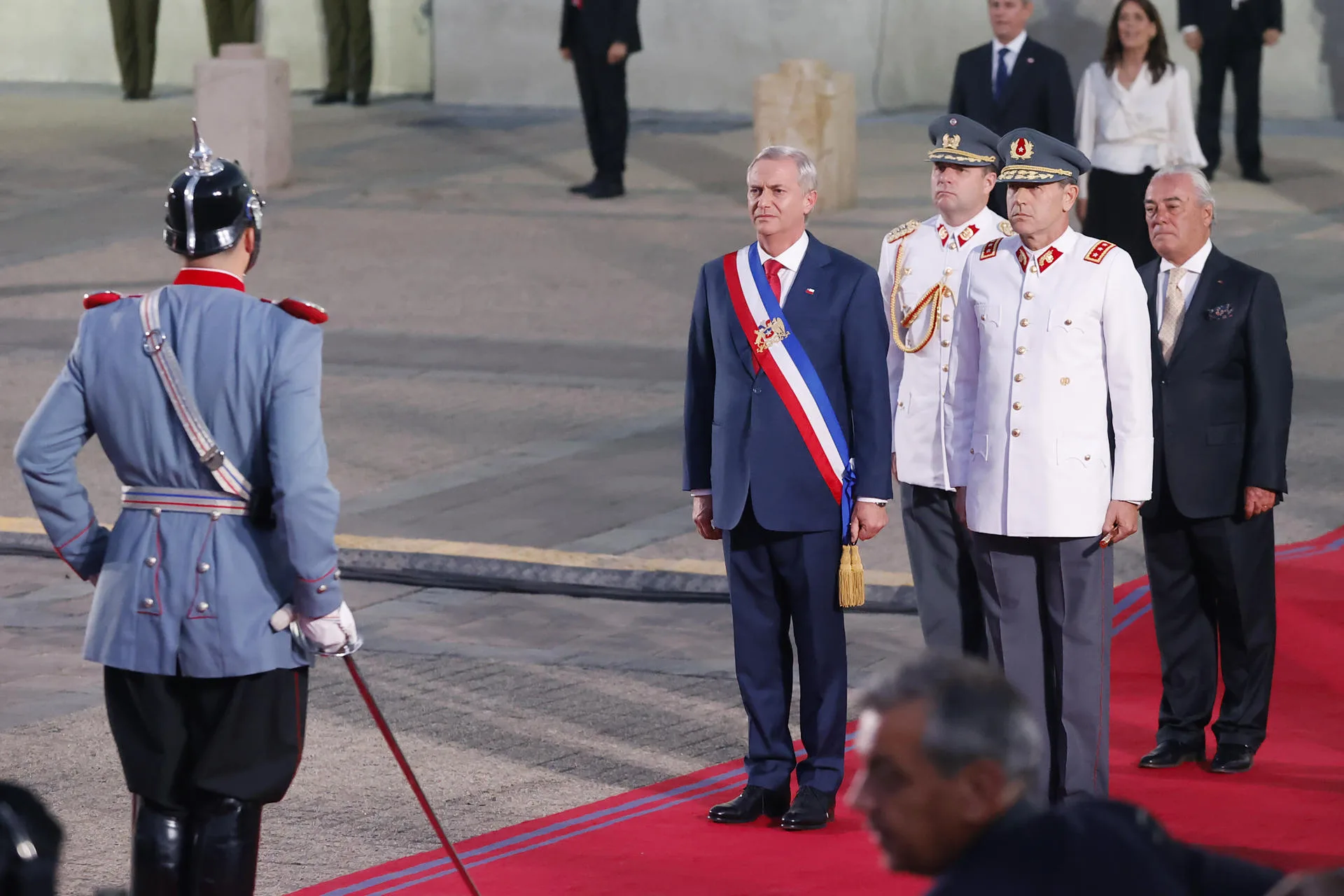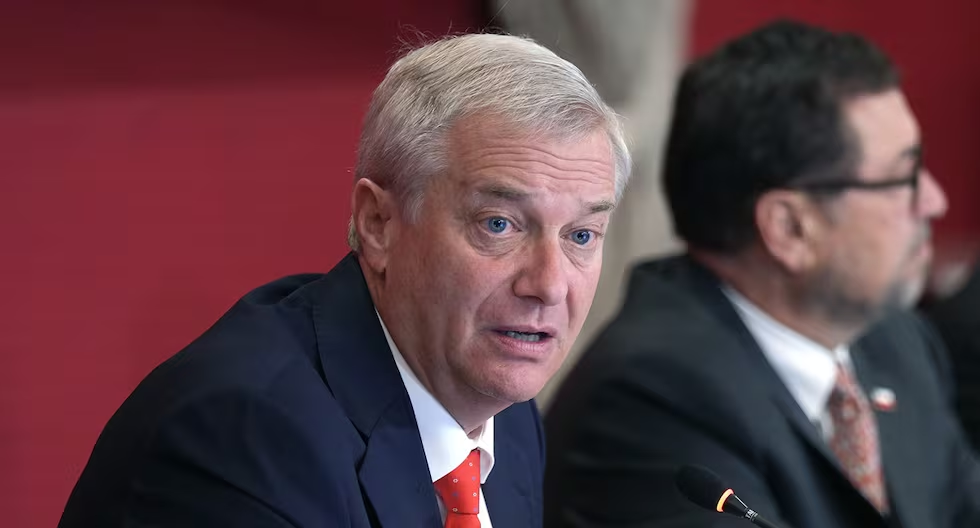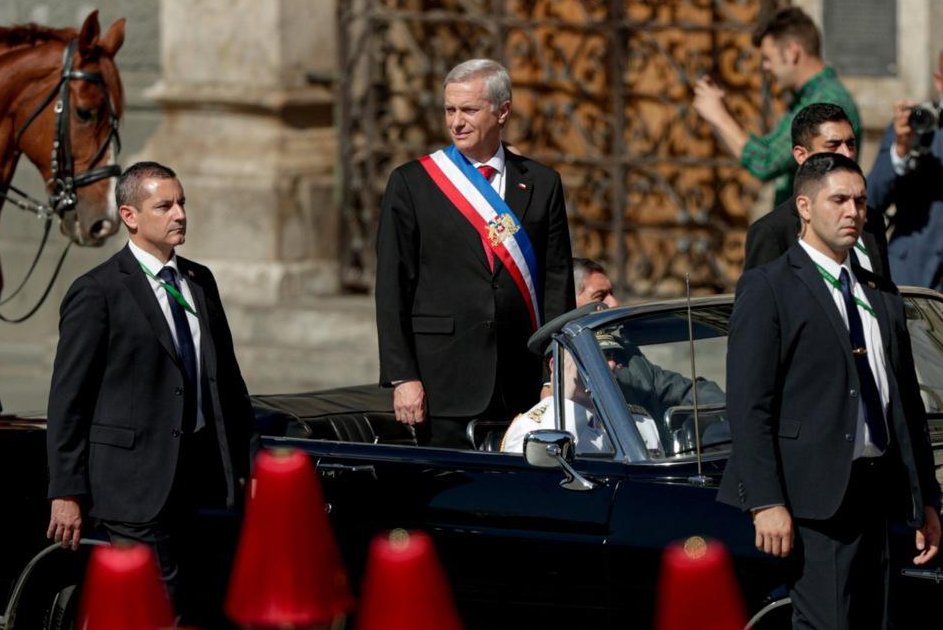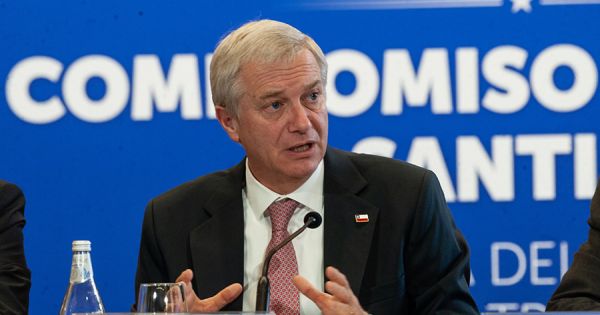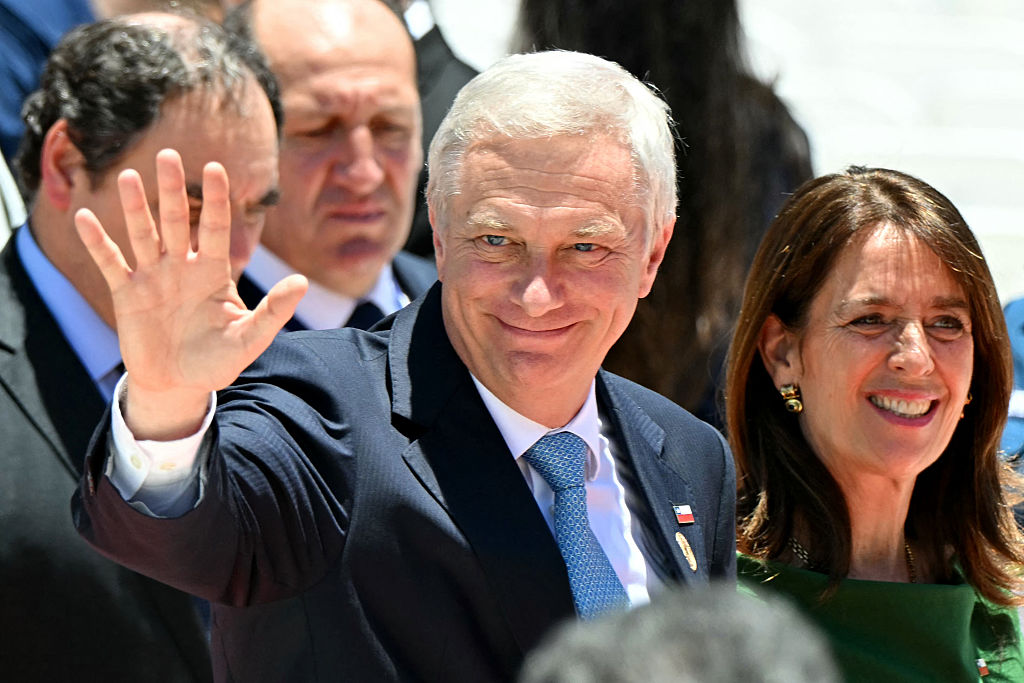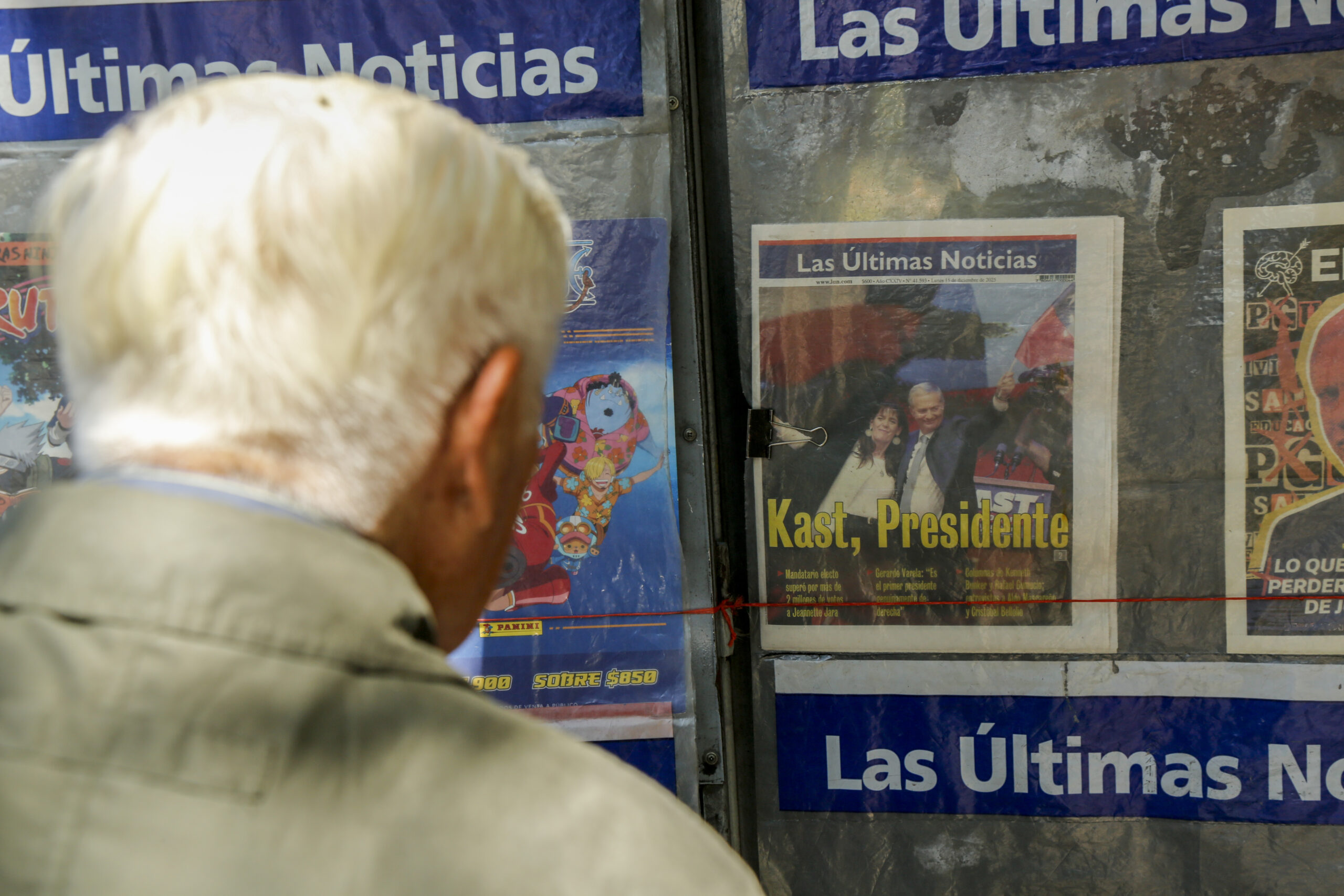
Chilean President José Antonio Kast has logged nearly one hundred days in his new post. Since taking office, he has reduced the government’s spending—including its health and social budgets. In response to his critics, Kast has reasoned that while the government will spend less, it will spend each peso more efficiently.
Regardless of whether his budget cuts stick, Kast has a point: Chile should spend more efficiently, ensuring that every peso spent makes a maximum impact and, in turn, generates additional economic activity for the country. One of the ways Kast can do that is by improving Chileans’ access to the services they may need to live long and healthy lives.
Chile is aging faster than any other country in Latin America. Chileans above the age of sixty make up nearly 20 percent of the population, and that figure is expected to rise to 31.6 percent by 2050. Perhaps surprisingly to some, this group is a backbone for Chile’s economy: Beyond paid work, the unpaid work they do (including caregiving and volunteering in their communities) was estimated to have an economic value of $11.36 billion in 2021, equivalent to 4.5 percent of the country’s gross domestic product. While unpaid, this work generates tangible economic value by ensuring that others in their families and communities are able to contribute to the labor market.