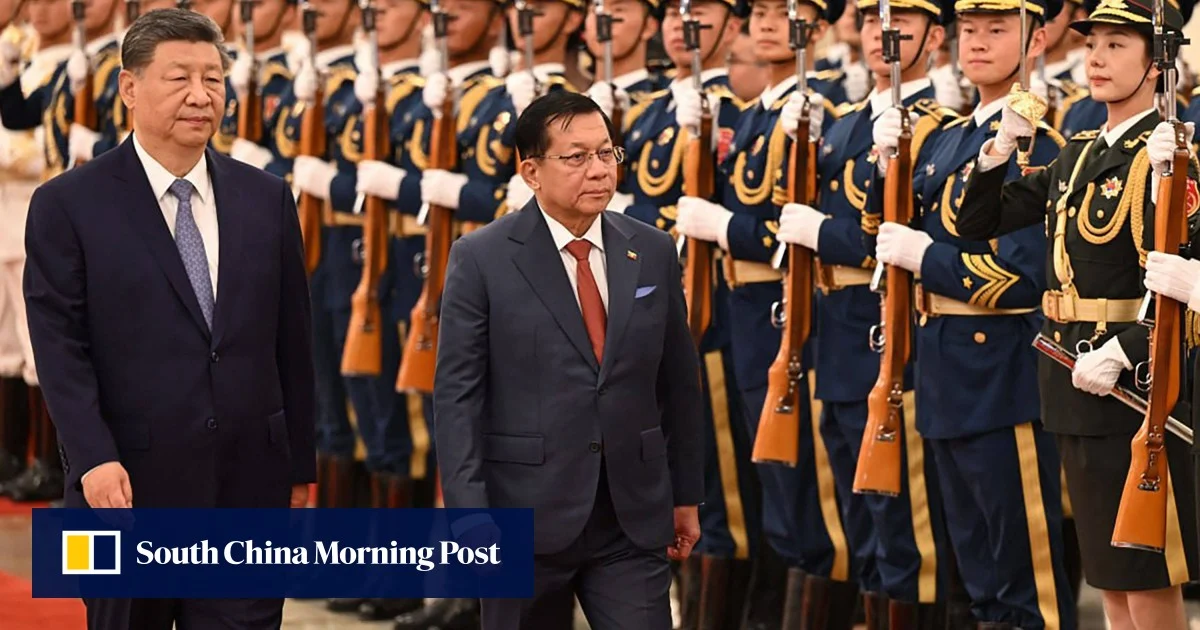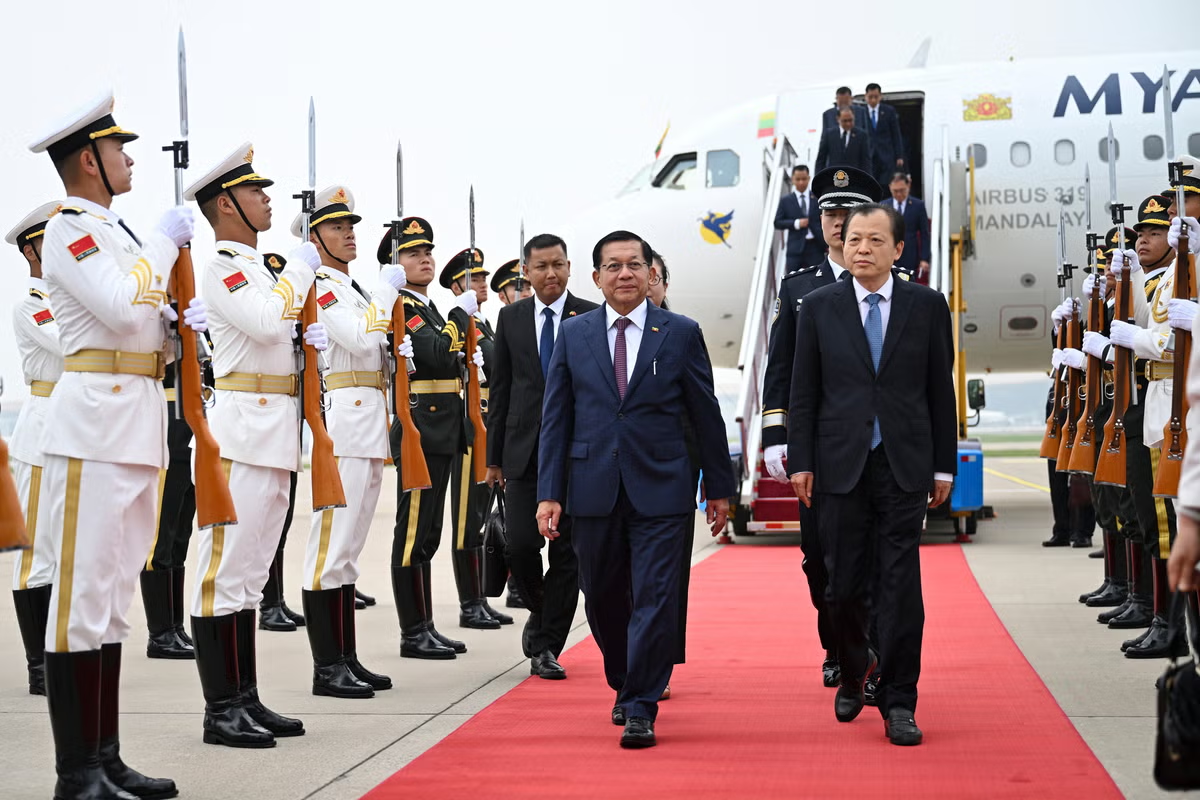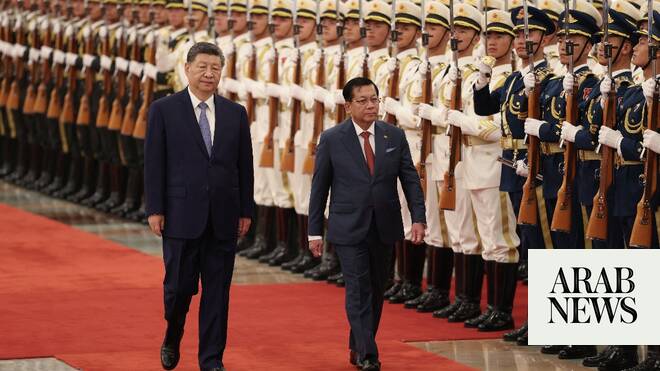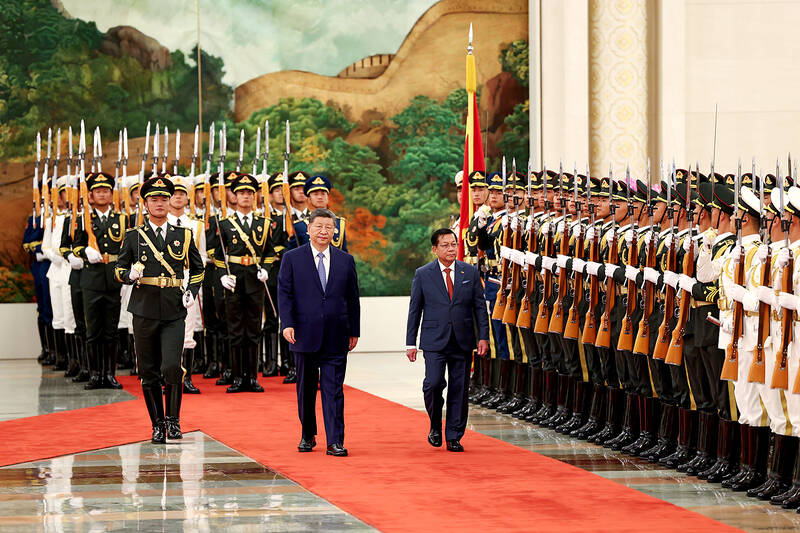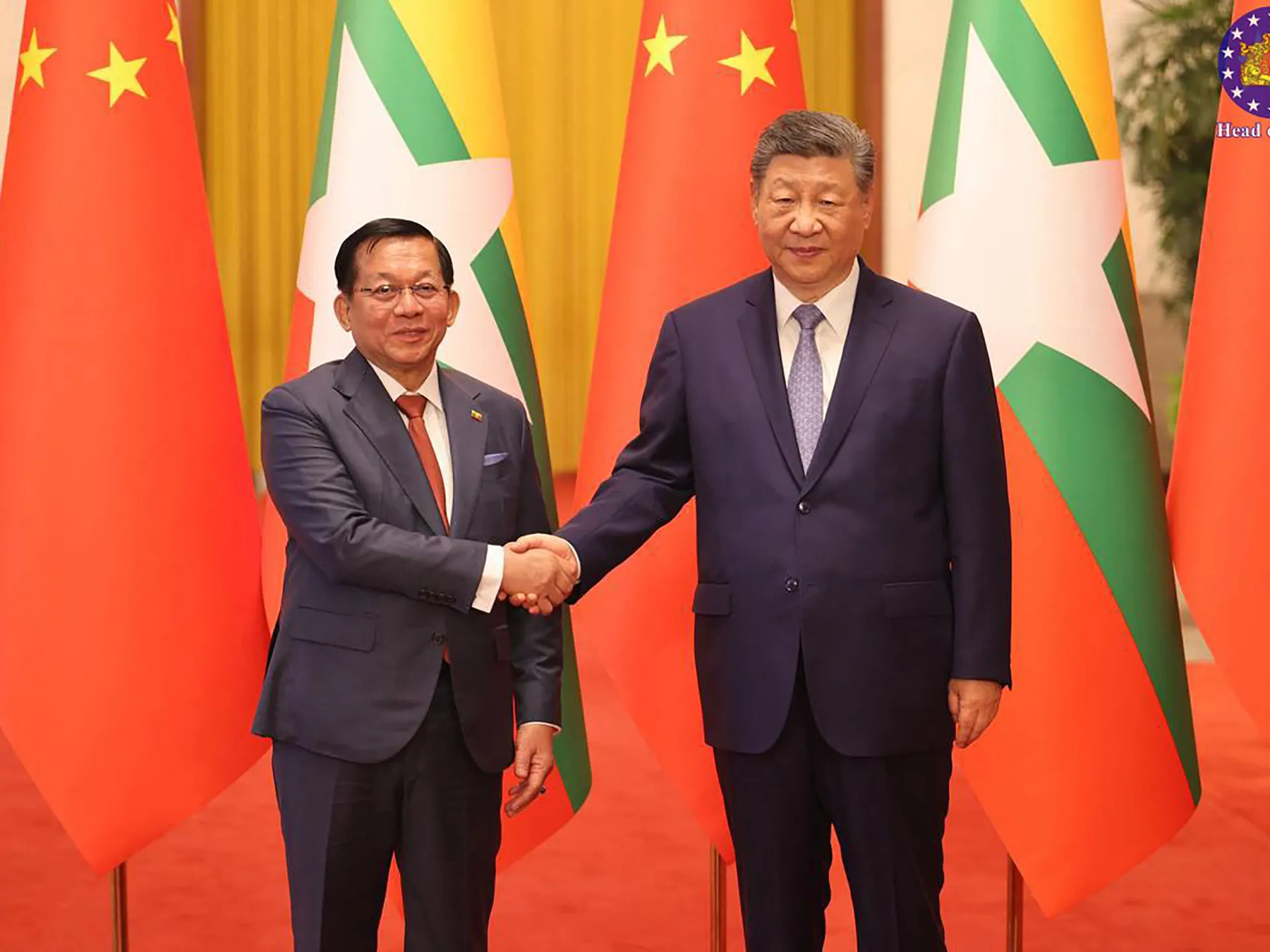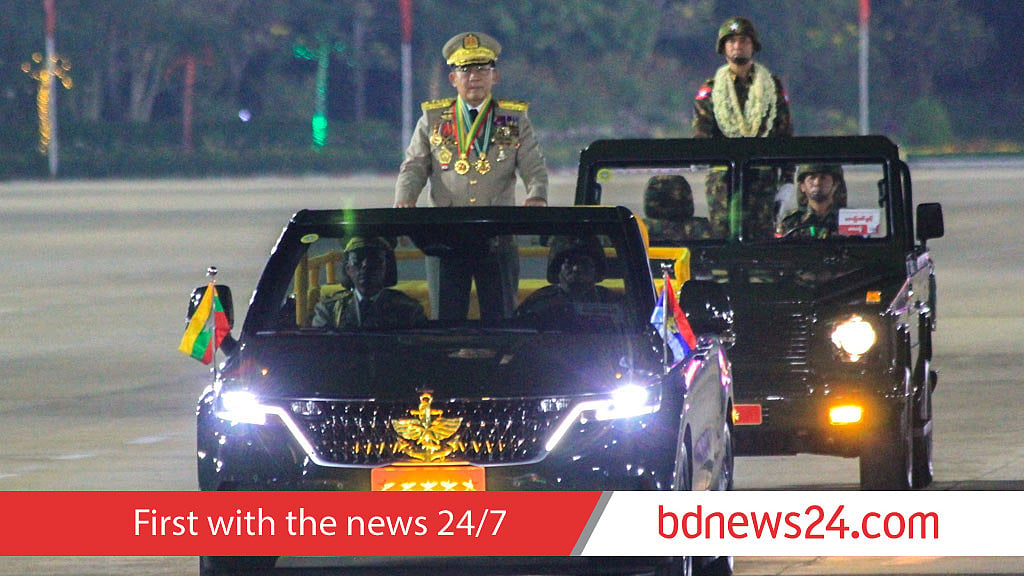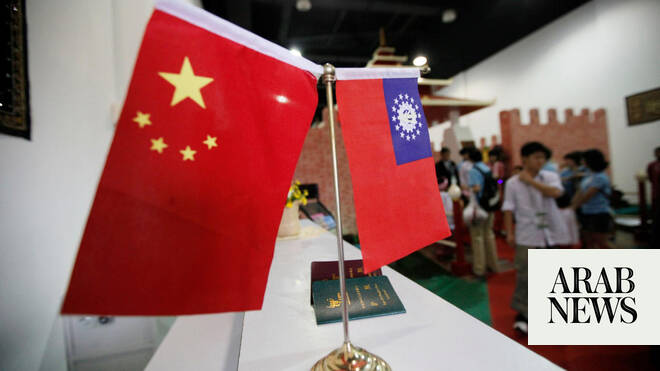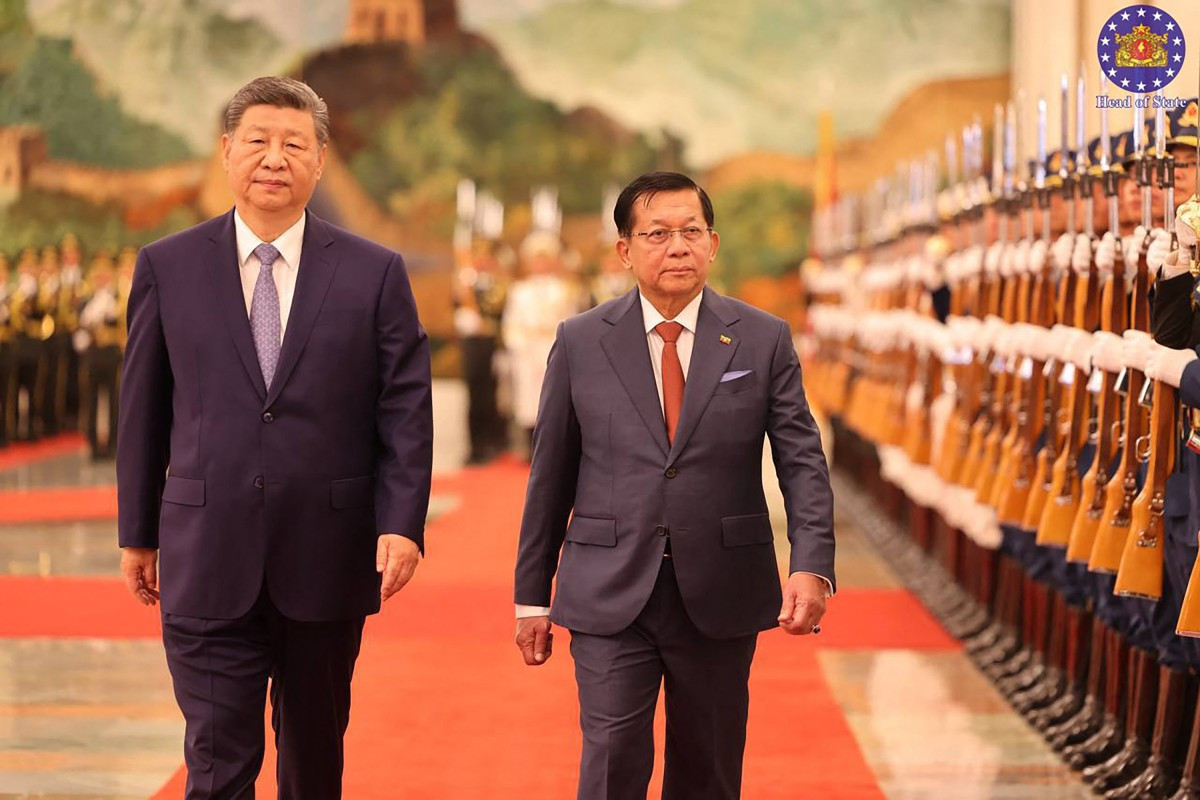
During Myanmar junta chief Min Aung Hlaing’s state visit to Beijing this week, Chinese President Xi Jinping delivered a statement that requires careful decoding. Xi formally endorsed the regime as the “new Myanmar government,” urged the junta to find a development path that wins popular support, and explicitly called for advancing peace and reconciliation through “talks” with all parties.
In diplomacy, observers must constantly read between the lines. Objectively, this rhetoric could be interpreted as calculated political posturing. By publicly advocating for dialogue and public consent, Beijing projects the image of a responsible, stabilizing power on the global stage. It also allows the Chinese Communist Party (CCP) to strategically hedge its bets; if the junta continues to lose ground to the resistance, Beijing retains plausible deniability by claiming it advised the military to seek peace.
However, when interpreting this language through the lens of China’s own domestic governance, and the official joint statement released by the two countries on June 17, a darker, more realistic translation emerges.
Xi explicitly tied his remarks to the protection of the China-Myanmar Economic Corridor (CMEC) and Belt and Road Initiative (BRI) projects. The June 17 joint statement doubled down on this, committing both nations to accelerating the Muse-Mandalay railway and the Kyaukpyu Deep Sea Port. From Beijing’s perspective, a genuine democratic transition in Myanmar is highly undesirable because it would empower local communities and a vibrant civil society to scrutinize, stall, or cancel these opaque Chinese infrastructure deals. To protect its investments and its overland access to the Indian Ocean, Beijing requires a pacified populace.