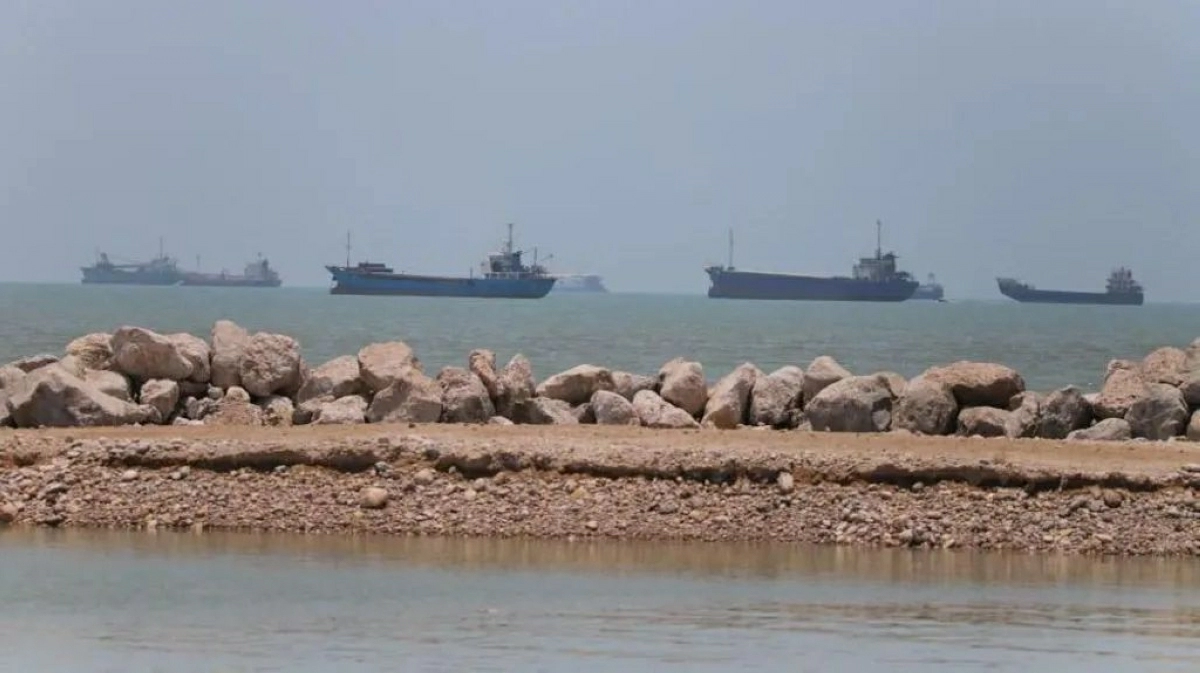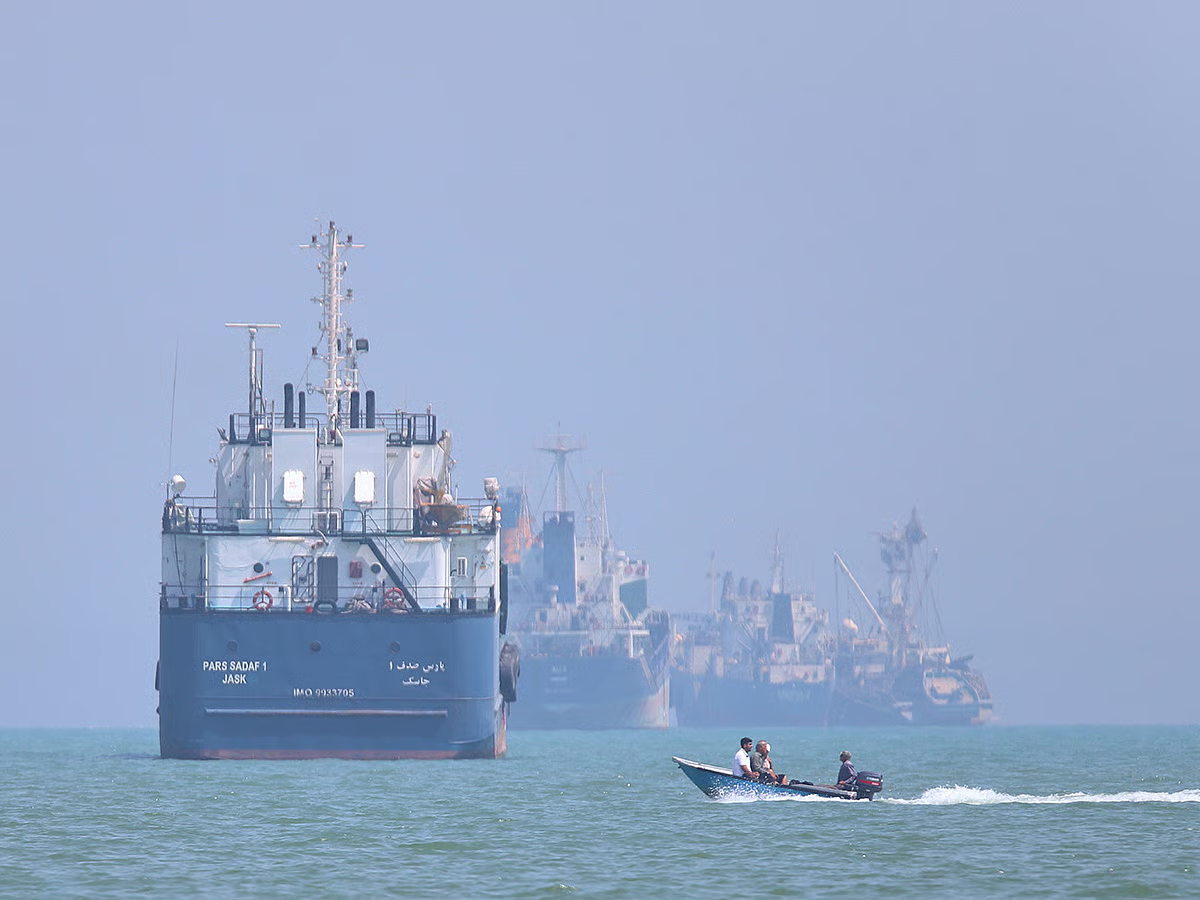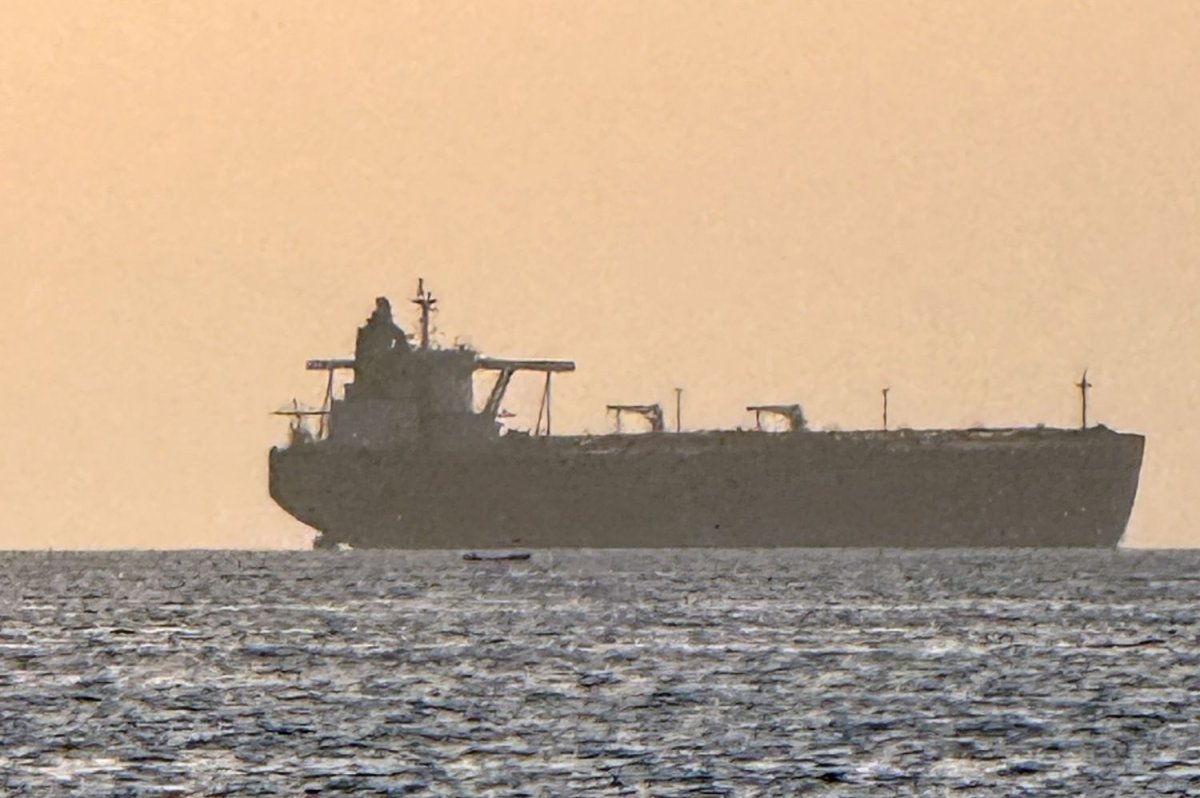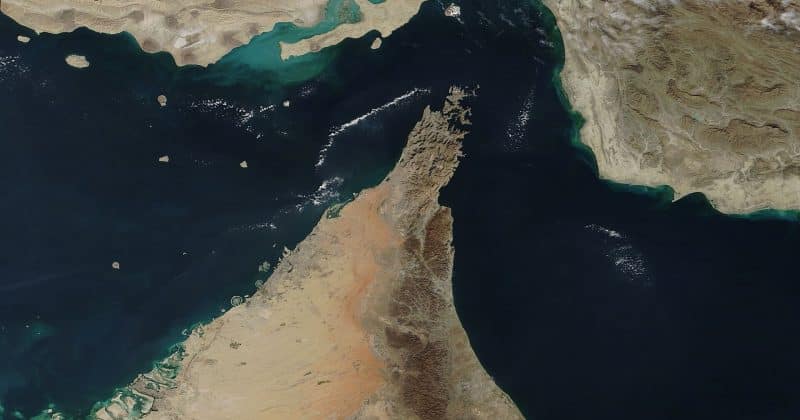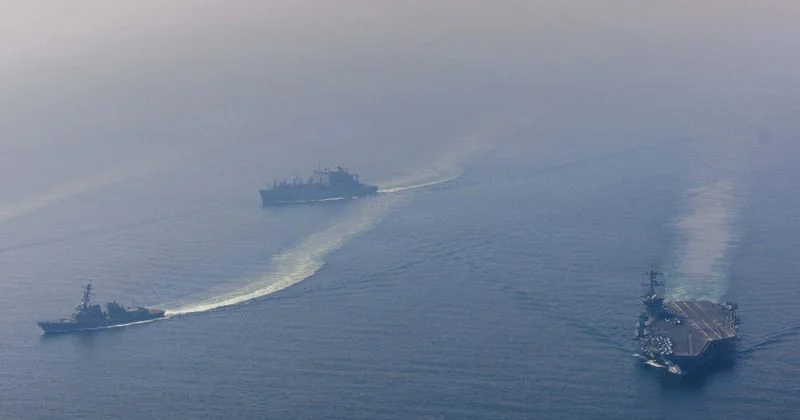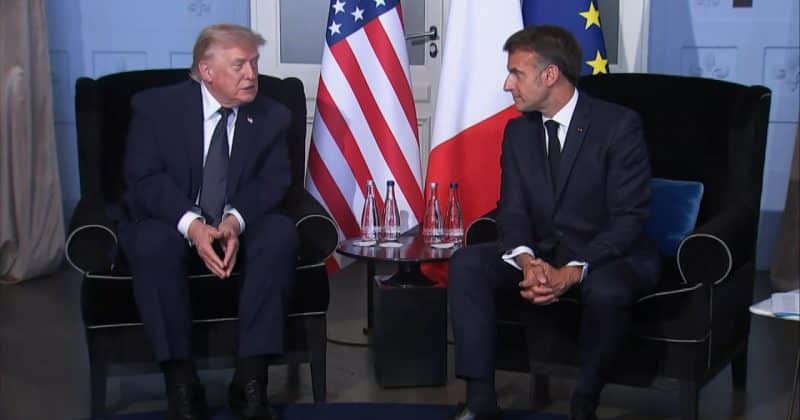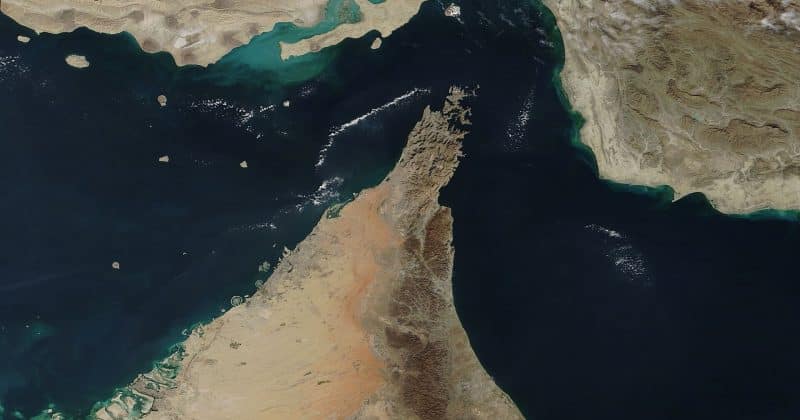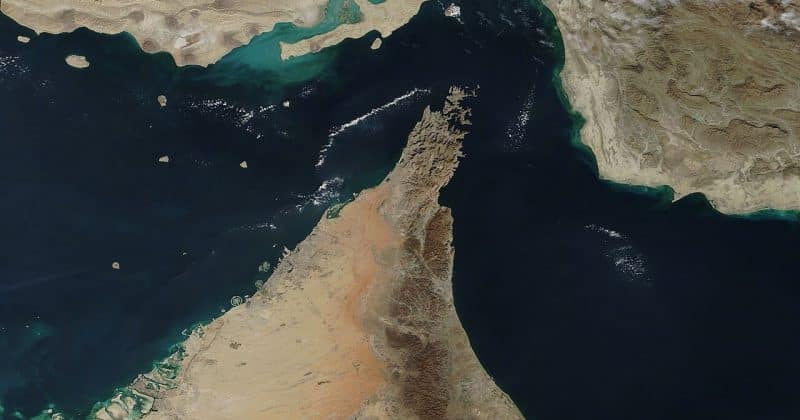
The US Central Command has officially ended its naval blockade around Iranian ports in the Strait of Hormuz, closing one of the most disruptive chapters in recent geopolitical history. The move comes as part of a broader US-Iran framework agreement aimed at de-escalating a conflict that rattled global energy markets and rerouted international shipping for months.
For context, the Strait of Hormuz handles roughly 20% of the world’s oil supply, plus a substantial share of global liquefied natural gas trade.
What happened and why it matters
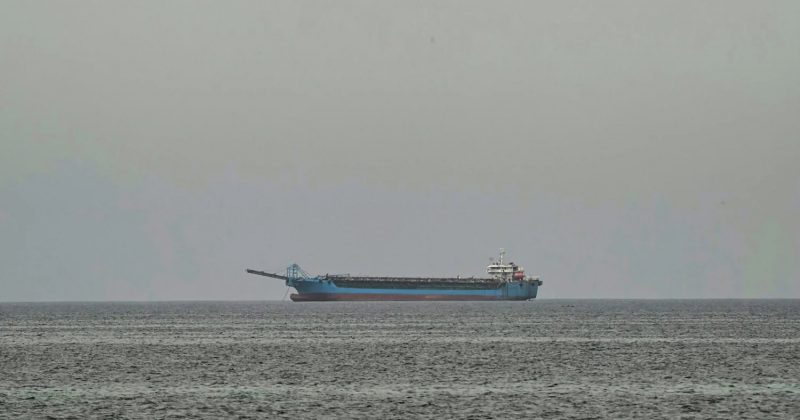
The blockade kicked off on April 13, 2026, under the Trump administration, as tensions between Washington and Tehran escalated into open confrontation. By late May, over 100 commercial vessels had been redirected away from the strait, with US naval forces engaging in direct confrontations with ships that attempted to violate the restrictions.
Brent crude prices surged past $100 per barrel as production disruptions cascaded through the global supply chain.