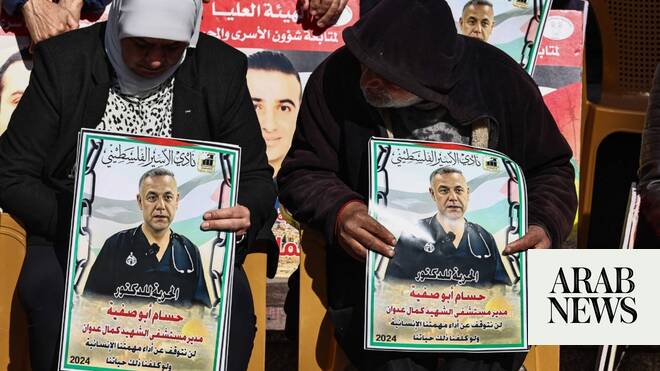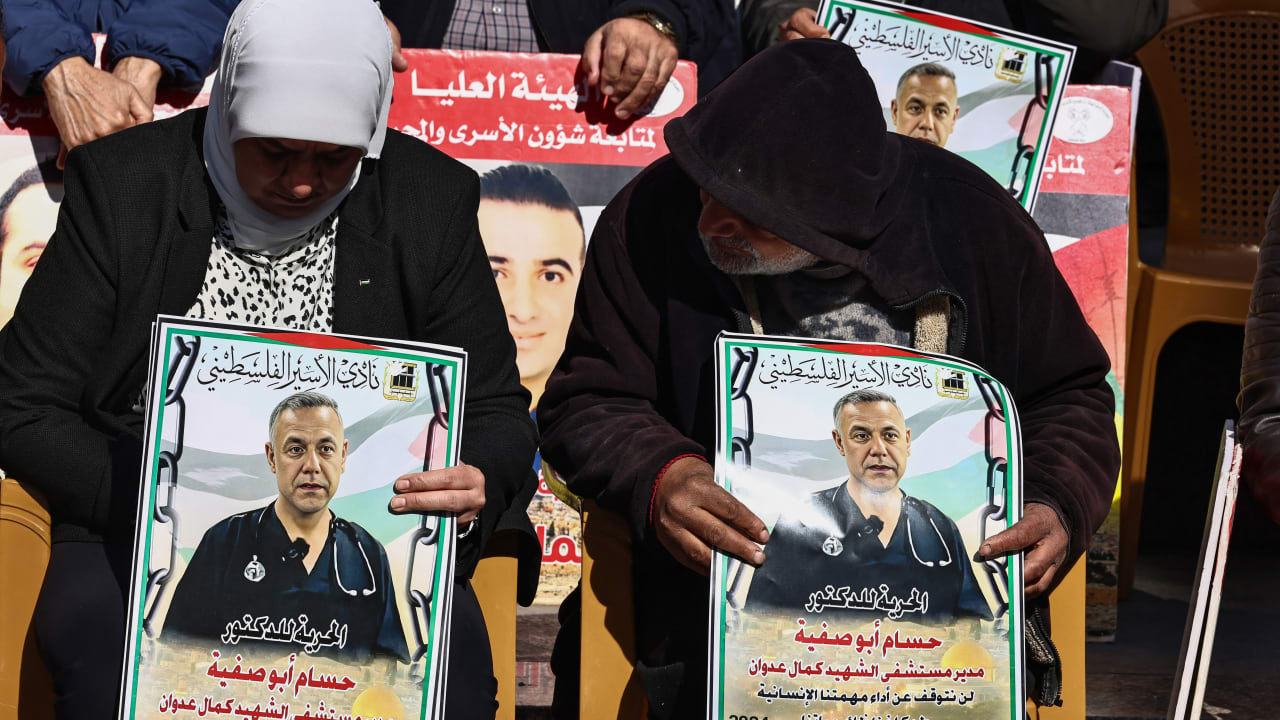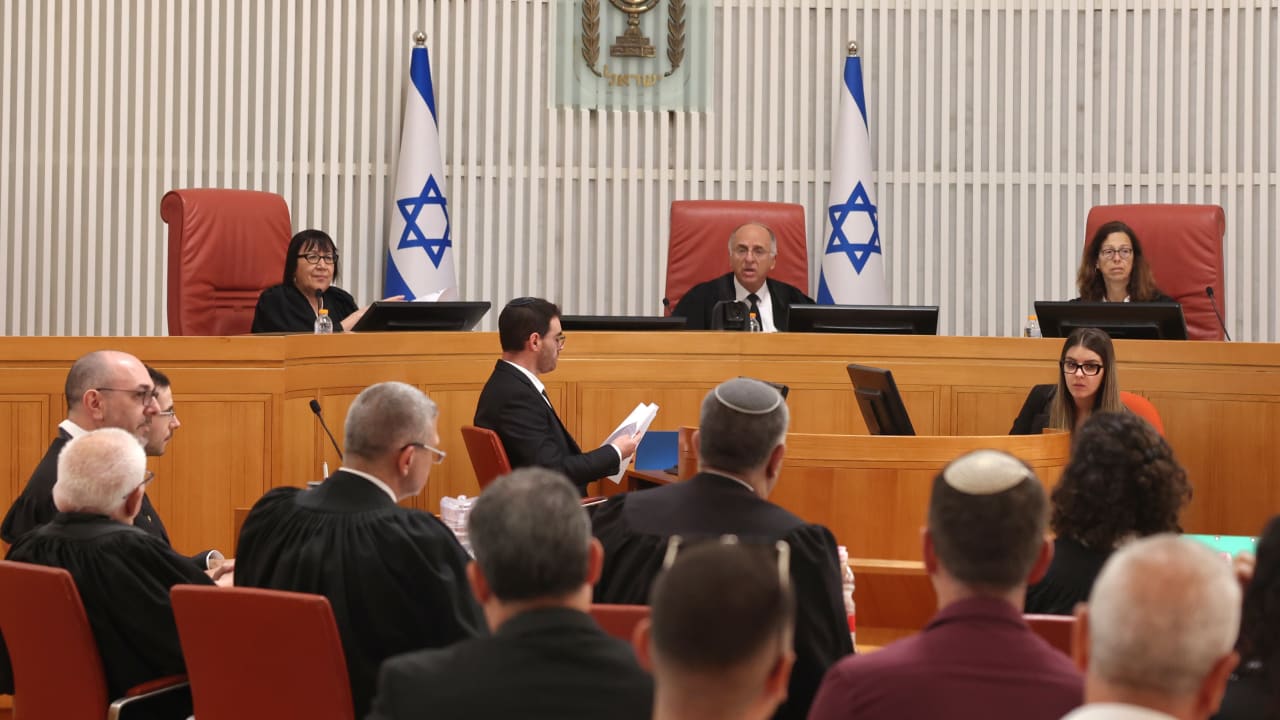
BySARAH BEN-NUNJUNE 18, 2026 20:36Updated: JUNE 18, 2026 20:43The High Court of Justice ordered the state to explain why it should be allowed to continue holding detainees from Gaza for weeks before bringing them before a judge under wartime amendments passed after the October 7 massacre.The conditional order, issued on Wednesday by Supreme Court President Isaac Amit and Justices Dafna Barak-Erez and Ruth Ronnen, gives the state until July 19 to respond.At the center of the case is the Incarceration of Unlawful Combatants Law, a 2002 law that allows Israel to hold people it defines as unlawful combatants in order to prevent them from returning to hostilities.Unlike ordinary criminal detention, these detainees are not necessarily held for the purpose of filing an indictment against them.After the October 7 massacre and the start of the Israel-Hamas War, the Knesset passed temporary wartime amendments expanding the time periods allowed under the law.A DEMONSTRATOR holds a sign depicting Israeli-detained Palestinian paediatrician Hussam Abu Safiya, director of the Kamal Adwan Hospital in northern Gaza's Jabalia, while standing with others gathering during an anti-government protest against the death of Gaza aid workers. (credit: JACK GUEZ/AFP VIA GETTY IMAGES)The changes were intended to help security authorities handle the large number of detainees taken during the war, but rights organizations argue that the framework now allows people to be held for prolonged periods without basic oversight.The petition was filed in February 2024 by the Public Committee Against Torture in Israel (PCATI), Physicians for Human Rights-Israel, HaMoked: Center for the Defence of the Individual, Gisha, and Adalah.It was filed against the Knesset, the government, the prime minister, the defense minister, the IDF, the Shin Bet (Israel Security Agency), and the attorney-general.The petitioners argue that the wartime framework severely extends the time before detainees receive a permanent incarceration order, delays their first appearance before a judge, extends the period during which they may be prevented from meeting a lawyer, and allows hearings to be held remotely.The High Court’s order focuses on the delay before judicial review. Under the current framework, adults held under the law may wait up to 40 days before being brought before a judge, while minors may wait up to 30 days.The court ordered the state to explain why the provisions allowing those extended delays should not be canceled or amended.State argues that emergency framework remains necessary The order followed a June 2 update from the state, which argued that the emergency framework remains necessary despite some decline in the number of detainees held under the law.According to the state, as of late April, 1,358 detainees were being held under the law by the IDF and Israel Prison Service, including 26 under temporary incarceration orders and 1,332 under permanent orders. Four minors were also being held under the law.The state said that between December 22, 2025, and April 23, 2026, approximately 141 new temporary incarceration orders were issued for detainees held in IDF and IPS facilities, while approximately 114 detainees were released.It clarified that the two groups do not necessarily overlap.The state also said that an earlier draft of the latest amendment would have shortened some of the timeframes, including reducing the maximum period until first judicial review to 33 days for adults and 25 days for minors.However, the state said that before the amendment was advanced for final approval, the security situation had worsened.It cited the war with Iran and renewed intensive IDF ground maneuvering in Lebanon. Because of that, the final version of the amendment left the existing timeframes in place.The state argued that the number of detainees held under the law remains “exceptional and very significant,” and far higher than it was before the war.Petitioners claim emergency arrangement has morphed into prolonged detention regimeThe petitioners argue that the repeated extensions have turned an emergency arrangement into a prolonged detention regime, under which people, including children, can be held for weeks without seeing a judge.PCATI said after the order that more than 6,000 detainees, mostly Gazans, had been held under the amended framework since the provisions were enacted and that more than 40% had been released without charges.The organization also argued that the state’s figures indicate that, as of the end of April, at least 50 detainees held under the law had not yet undergone any judicial review.Attorney Merav Ben-Zeev, director of PCATI’s legal department, said the High Court’s decision, together with last week’s ruling against the sweeping prevention of Red Cross visits to Palestinian security prisoners and detainees, showed the urgency of canceling the temporary order.She said the arrangement allows prolonged incarceration without indictment, reasoning, judicial review, or access to counsel and argued that the lack of contact with the outside world and the absence of judicial oversight endanger detainees’ physical and mental well-being.Follow us on Google
State ordered to justify delay in detainee court appearances | The Jerusalem Post
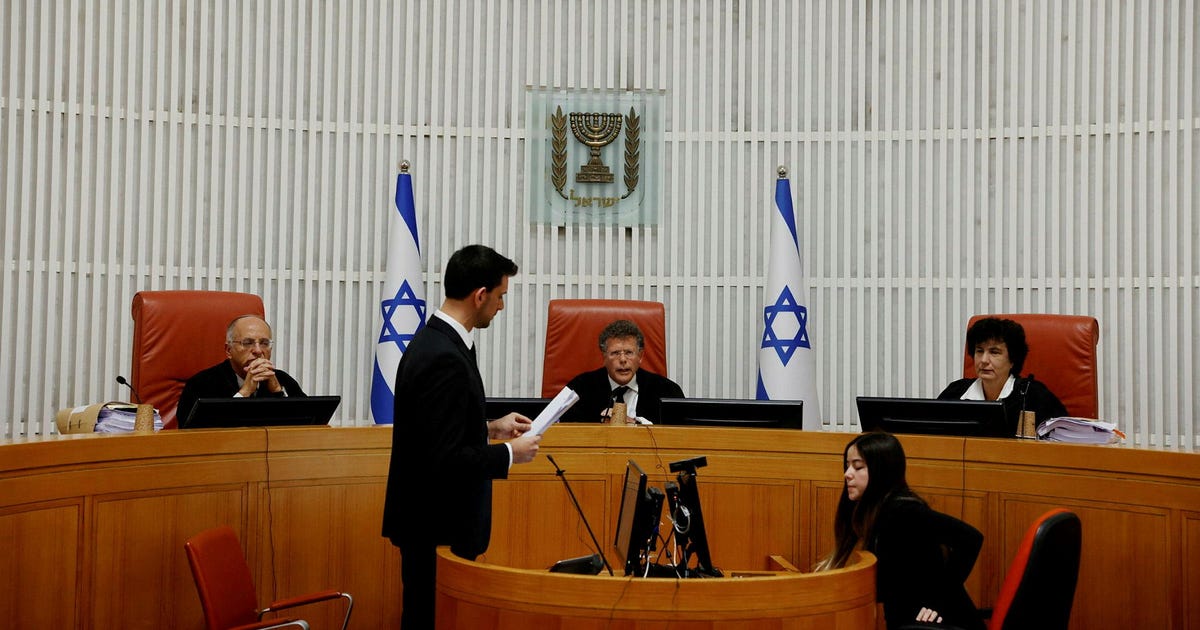
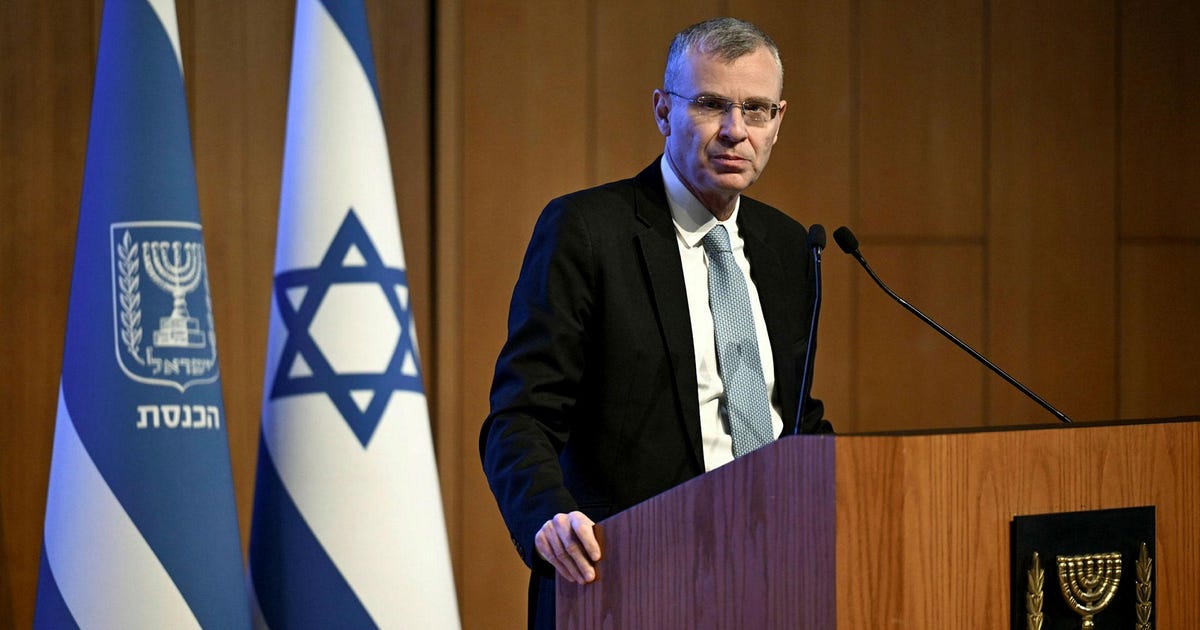
The conditional order, issued Wednesday by Supreme Court President Isaac Amit and Justices Dafna Barak-Erez and Ruth Ronnen, gives the state until July 19 to respond.
794 words~4 min read