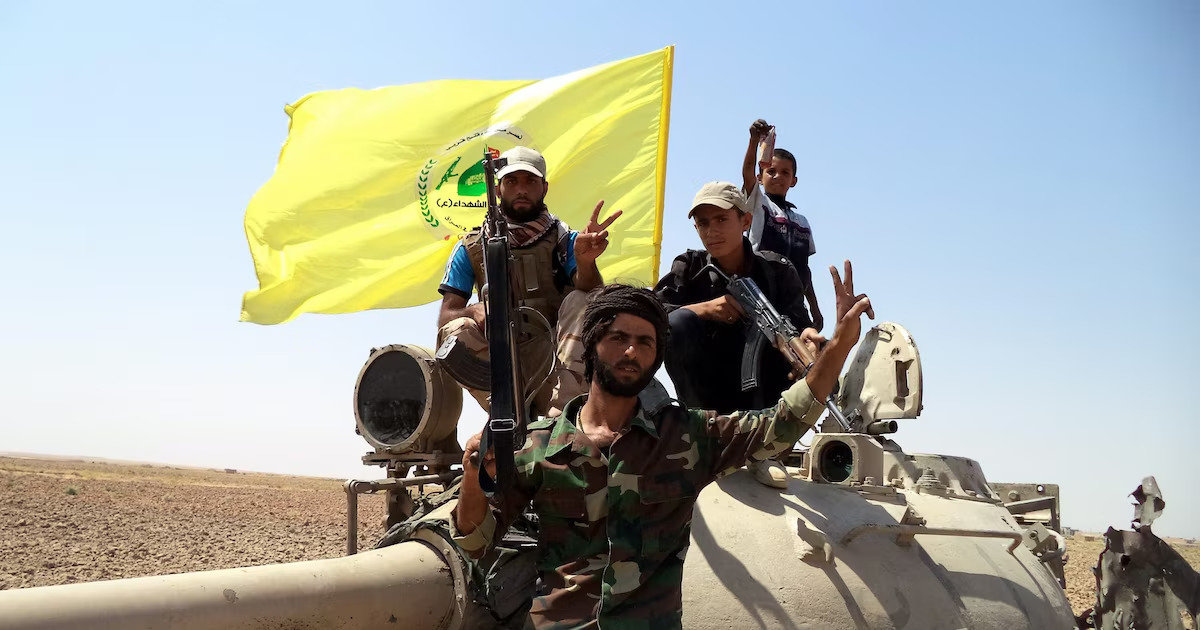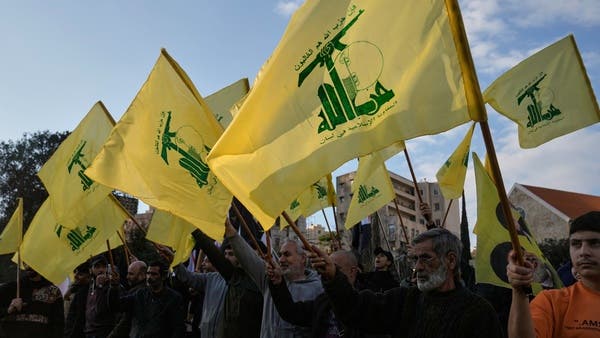
The US Treasury Department sanctioned nine individuals in Lebanon on May 21, designating them under Executive Order 13224 for obstructing the peace process and providing material support to Hezbollah. The action represents a notable shift in Washington’s approach, moving from targeting financial networks and digital asset channels to going after the political and military figures who shield the organization from disarmament efforts.
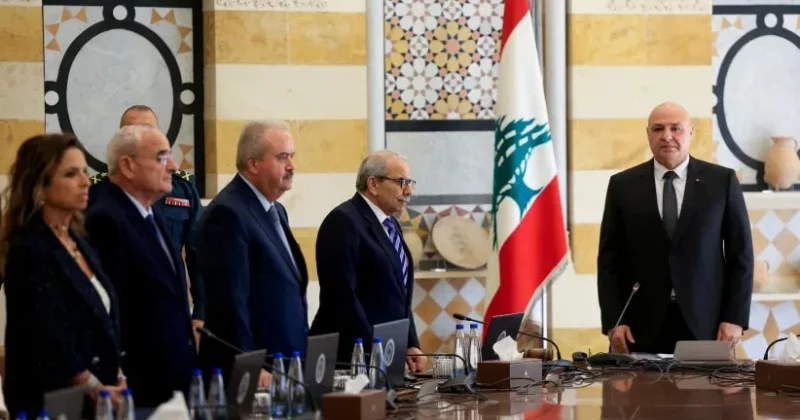
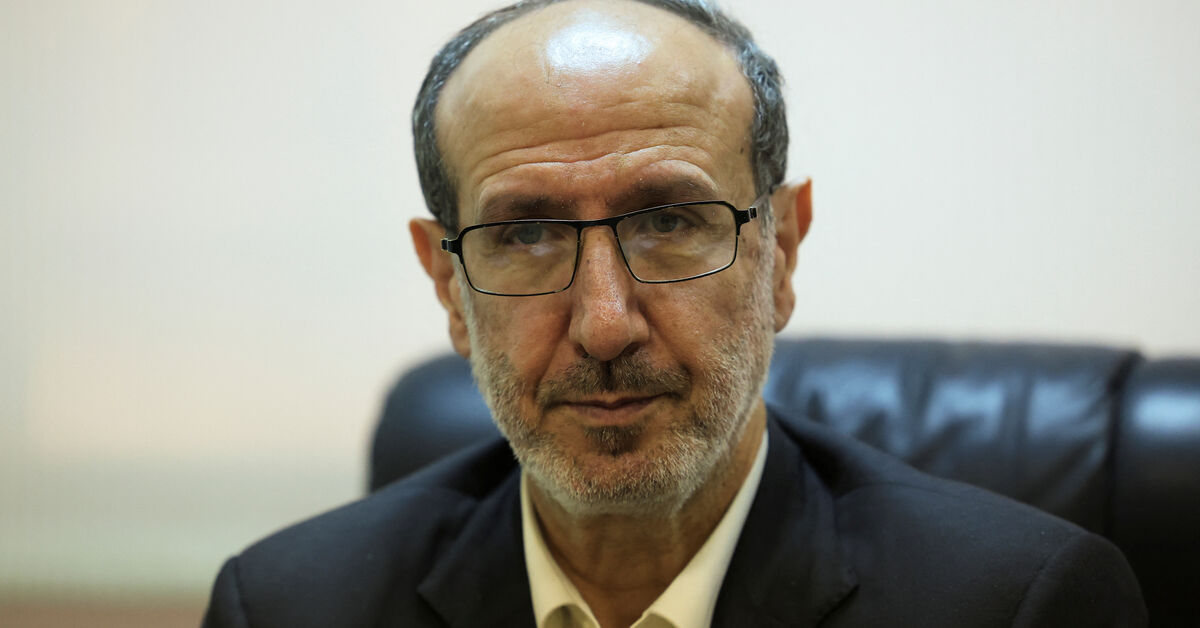
Among the designees are Mohamed Abdel-Mottaleb Fanich, Nizammeddine Fadlallah, members of the Lebanese parliament, officials from Lebanon’s military and security services, and the Iranian ambassador-designate to Lebanon.
What the sanctions actually do
The designations freeze any US-based assets belonging to the nine individuals and prohibit American persons and entities from conducting transactions with them. That means banks, businesses, and anyone under US jurisdiction is legally barred from engaging with the designees in any capacity.
The Office of Foreign Assets Control (OFAC) has been steadily building pressure on Hezbollah’s revenue streams throughout 2025 and 2026. Previous rounds of sanctions targeted financial infrastructure more directly, including a gold-exchange firm linked to Al-Qard Al-Hassan, a Hezbollah-affiliated financial institution, along with connected entities involved in digital channels used for funding.