(Image credit: Microsoft)
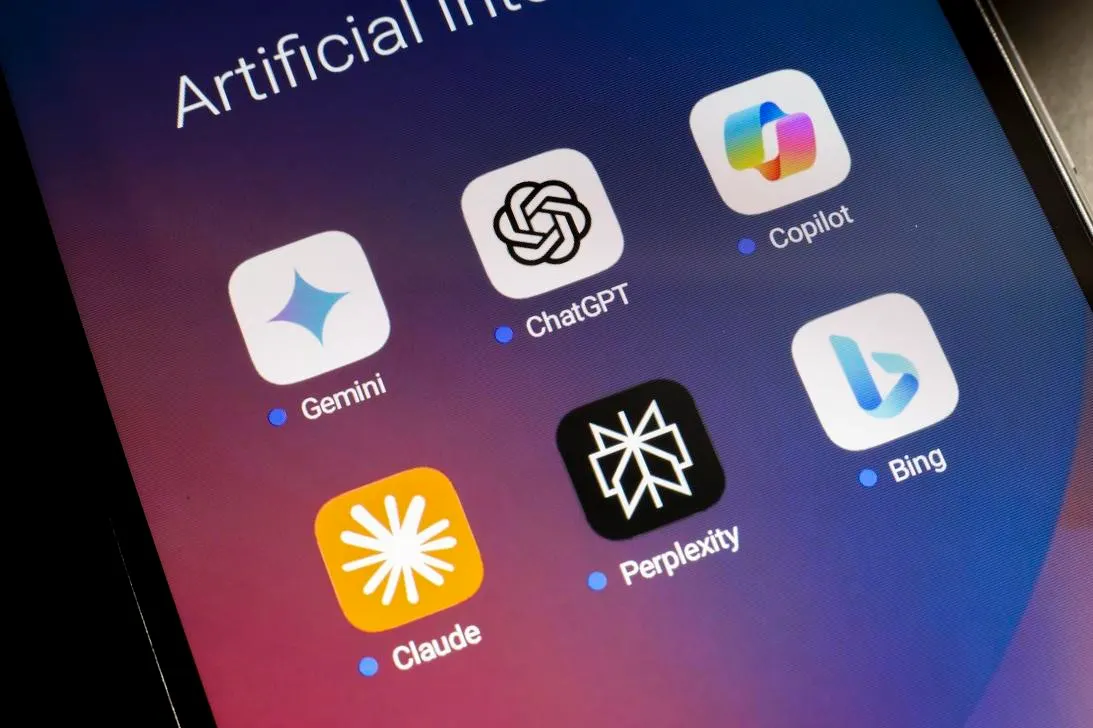
In this new age of AI prominence, it’s commonplace to see the likes of OpenAI, Anthropic and Perplexity prop up their signature AI tools and champion the many benefits that come with utilizing ever-evolving chatbots.Major consumer brands, such as Coca-Cola, Samsung and Microsoft, have also incorporated AI into their major marketing campaigns and product messaging. But it’s become increasingly evident that most people aren’t fans of AI becoming a more central part of their favorite companies. And thanks to a recent survey conducted by WordPress VIP, that sentiment is becoming even more widespread amongst American consumers.And with those results at the forefront of that survey, AI doubters and skeptics have even more fuel to support their arguments against the constantly maturing technology.A high percentage of Americans are not too fond of AI in a company’s messaging
(Image credit: Samsung)WordPress VIP’s survey, which was mainly concerned with brands' stronger focus on utilizing AI, released a bunch of key findings that reveal just how much Americans dislike AI being used by mainstream brands:60 percent of respondents said that they’re immediately turned off by AI being implemented into a brand’s messaging and don’t consider it a useful feature16 percent of respondents stated that they think there’s not a single brand that’s managed to use AI well thus far61% of consumers noted that they can’t name a brand that uses AI well in its messaging74% of consumers noted that the internet feels less human than it did 10 years agoAnother major discovery found in this survey is the ever-rising feeling of “bot fatigue”, which is defined as the emotional, psychological, and cognitive exhaustion consumers and workers experience when dealing with an overabundance of artificial intelligence in several facets of their daily life. The most interesting stat tied to that viewpoint is that 40 minutes is the average time at which bot fatigue starts to creep for users interacting with various corners of the World Wide Web.With the rise of AI becoming more attached to everyone’s favorite companies and sites, people are becoming more trusting of original sources when searching for information. AI referrals to sites are a core feature of chatbots, as evidenced by the survey noting that 60 percent of enterprise respondents have seen an increase in their traffic from AI search engines and answer platforms over the past year.While there are a ton of consumer brands that have implemented AI into their marketing, there are still several companies that refrain from injecting AI into their core messaging. Strong brands with a clear identity, such as Nike, McDonald's and Nintendo, have stuck to their iconic branding and haven’t used AI as a central theme within their consumer-facing messaging.Get instant access to breaking news, the hottest reviews, great deals and helpful tips.Bottom lineJust by looking at that recent Chase Bank commercial that pushes traditional, face-to-face human banking over AI interactions, it’s easy to pick up on the increase in negative feelings most humans and some companies have towards AI.Consuming content that feels human is seen as more reliable, which today’s biggest brands most recognize as they look for better ways to implement AI into their company infrastructure and rethink how they market their use of the technology as a whole.