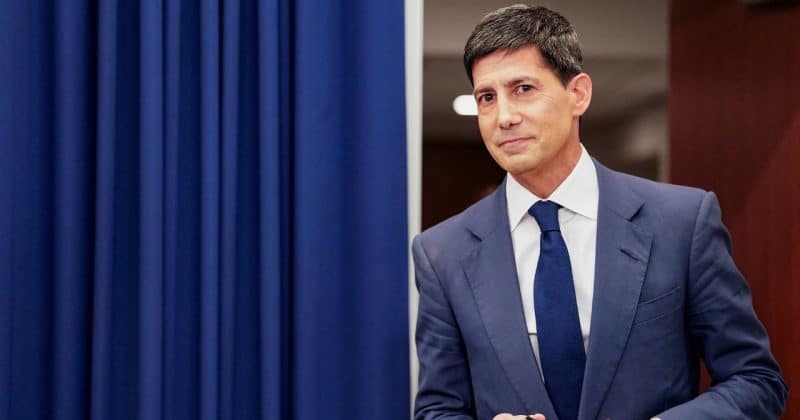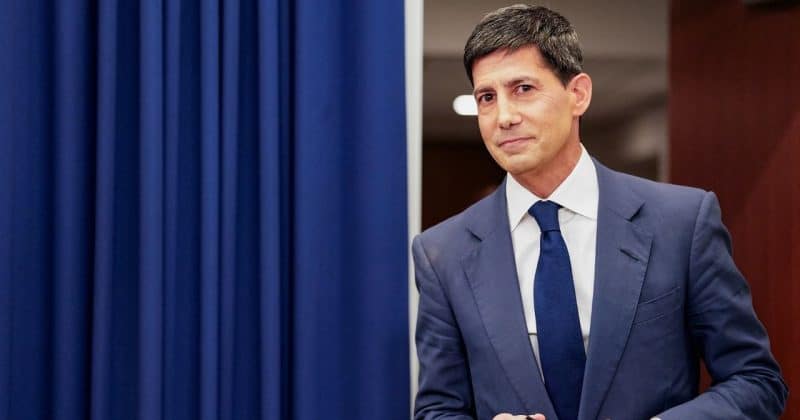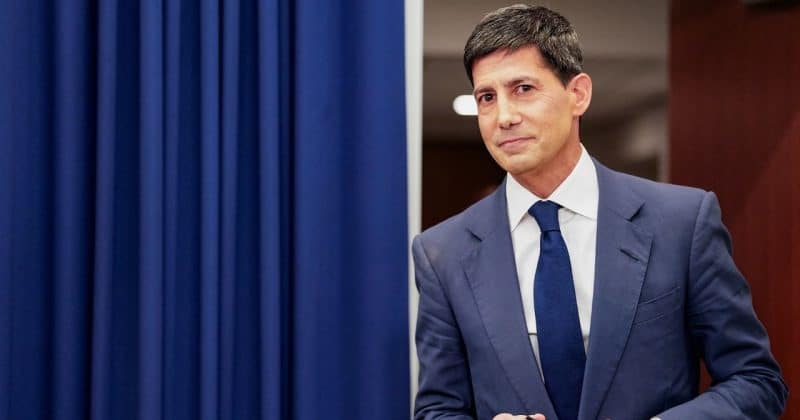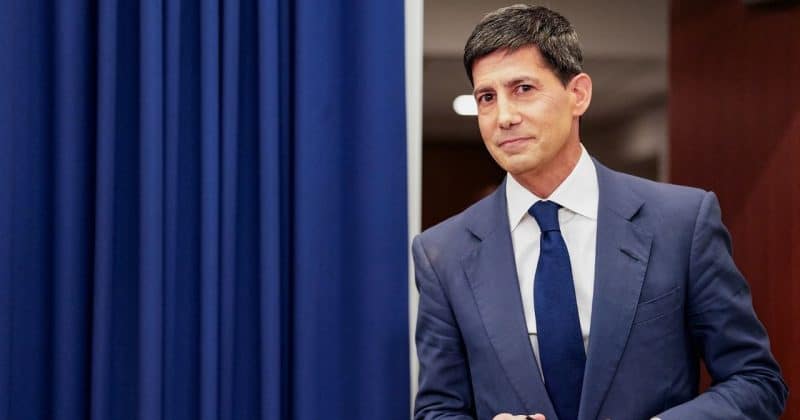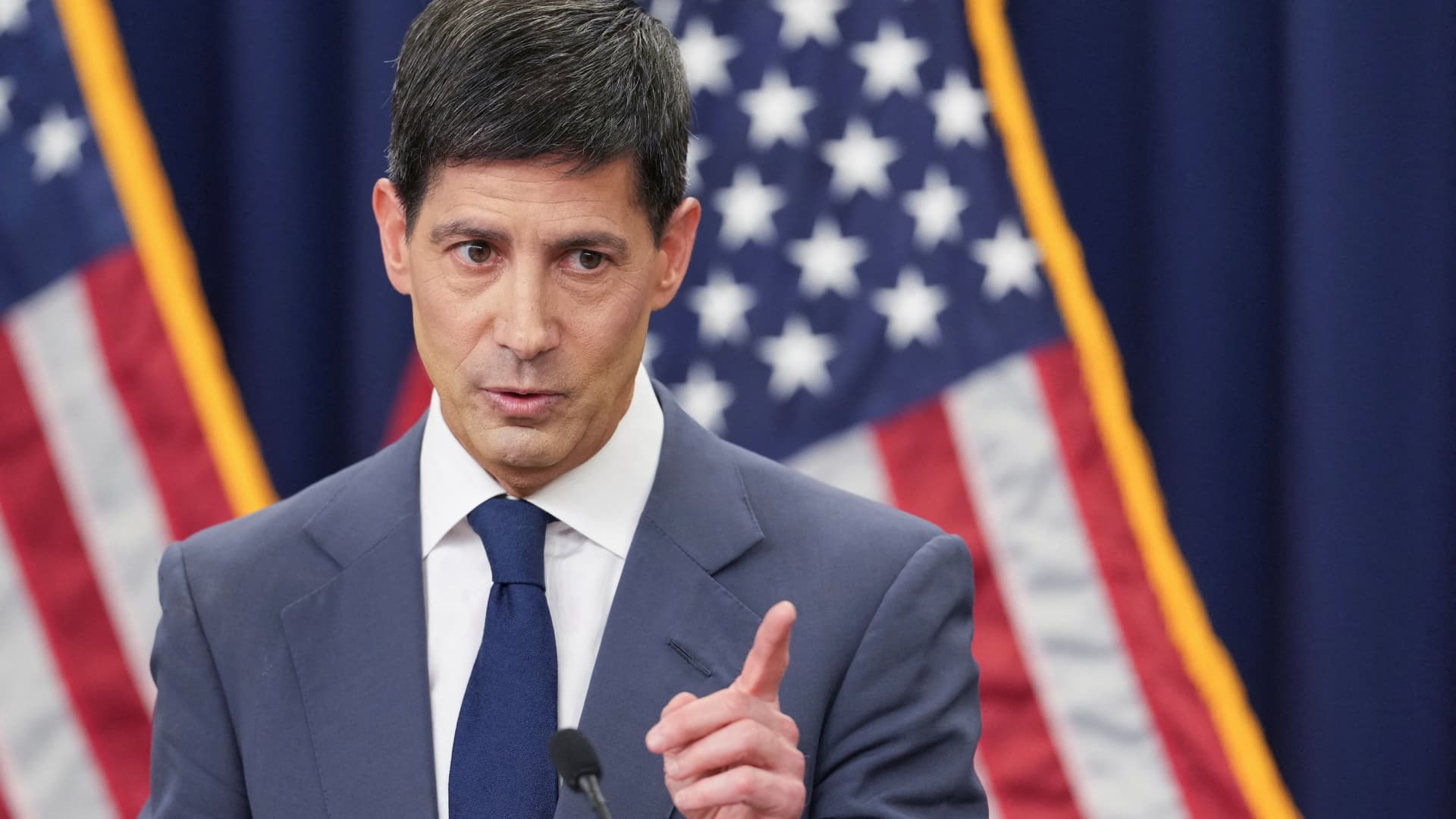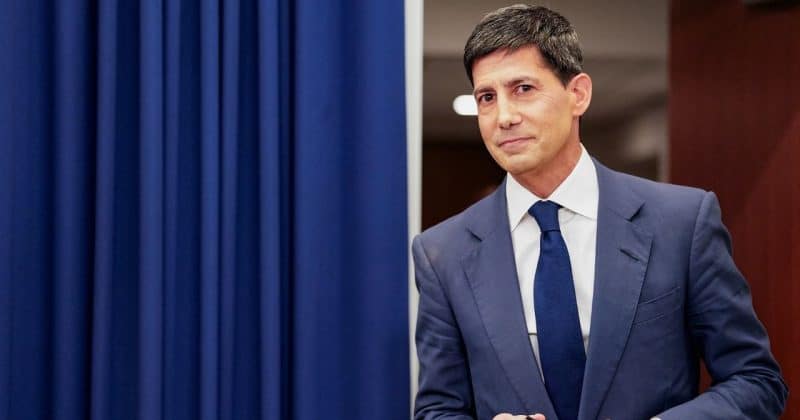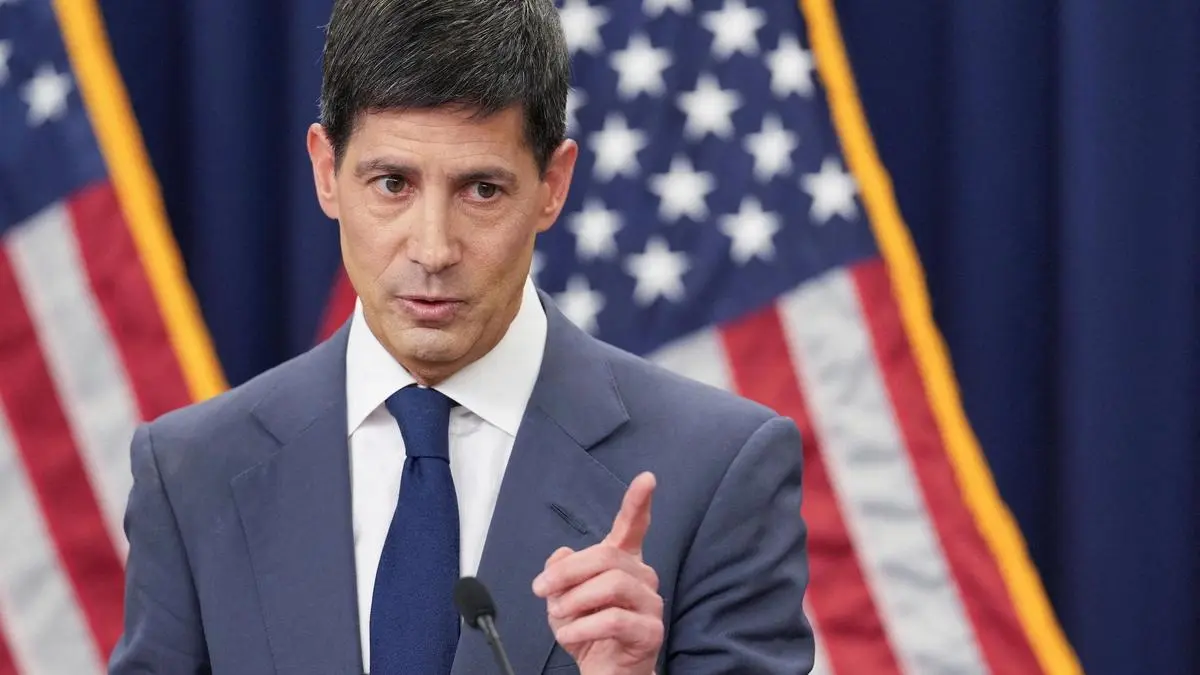
New U.S. Federal Reserve Chairman Kevin Warsh holds a press conference following a two-day meeting of the Federal Open Market Committee (FOMC), at the U.S. Federal Reserve in Washington, D.C., U.S. on Wednesday
| Photo Credit:
Eric Lee
The new Federal Reserve Chairman, Kevin Warsh, delivered a very brief and factual monetary policy statement, while retaining the federal funds rate in the range of 3.5 to 3.75 per cent. What is notable is the concern over inflation despite the preliminary deal between the US and Iran to end the war and the decline in global crude oil prices this week. Nearly half the Federal Reserve Board members are of the view that inflation will stay elevated and at least one 25 basis points rate hike will be required this calendar year to cool inflation. This is not without implications for India.There was no mistaking the Chairman’s strong emphasis on moving inflation towards the long-term target of 2 per cent and delivering price stability. With inflation in the US hovering around 4 per cent, the signals are unambiguous — that the rate-cutting cycle is complete, and policy rates could harden going forward. Financial markets have reacted adversely to the hawkish tone in the policy with the US treasury yields hardening and the dollar index strengthening above 100. With the European Central Bank increasing its policy rate by 25 basis points last week and the Bank of Japan raising rates to 31-year high of 1 per cent recently, the interest rate spreads between Indian government bonds and sovereign bonds of other countries is set to narrow further. If the rupee is impacted negatively due to these narrowing spreads, the RBI may have to act.Meanwhile, the domestic motivations of the Fed are clear. The increase in energy prices and supply disruptions due to the West Asia crisis led to a further spike in prices since March. Personal consumption expenditure (PCE) price index, which is used by the Fed for its monetary policy decisions, moved to three-year high of 3.8 per cent in May. The summary of economic projections by Federal Reserve Board members and Federal Reserve Bank Presidents indicates that PCE inflation could be at 3.6 per cent in 2026, before moving lower to 2.3 per cent in 2027. The inflation estimate for this year has increased by 90 basis points compared to the projection made in March. With growth in the US expanding well, investments staying robust and employment gains at a comfortable level, the Fed can be expected to turn its attention to inflation.An interesting aspect of Kevin Warsh’s first monetary policy is the setting up of task forces to review and suggest changes in five areas which are critical for the conduct of monetary policy. These are — Federal Reserve’s communications, balance sheet policy, use and reliance on existing data sources, productivity and jobs and Fed’s inflation framework. If these result in sweeping changes in the Federal Reserve’s policymaking process, it could spur changes elsewhere. Back home, the real-time data used for monetary policy decisions have rightly come under scrutiny. This impulse seems to have led to new indices and data sets for producer prices, industrial output and growth.Published on June 18, 2026