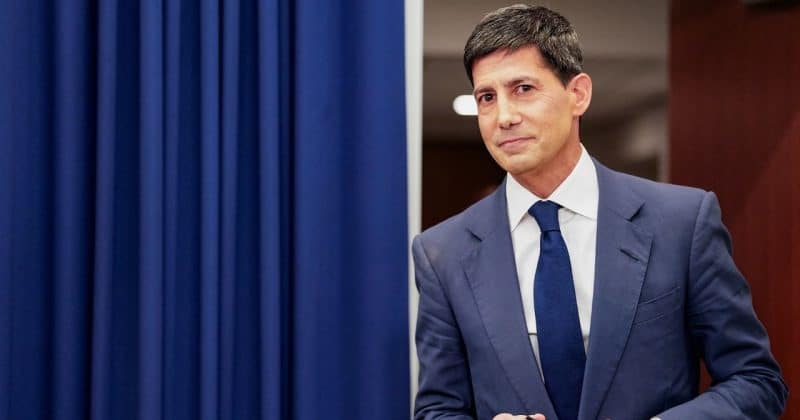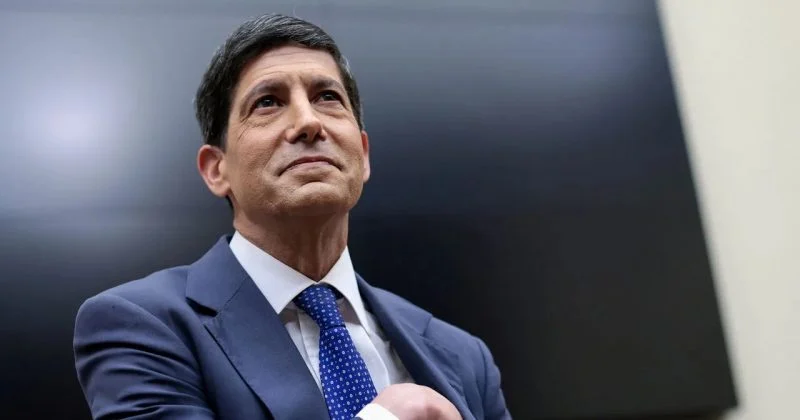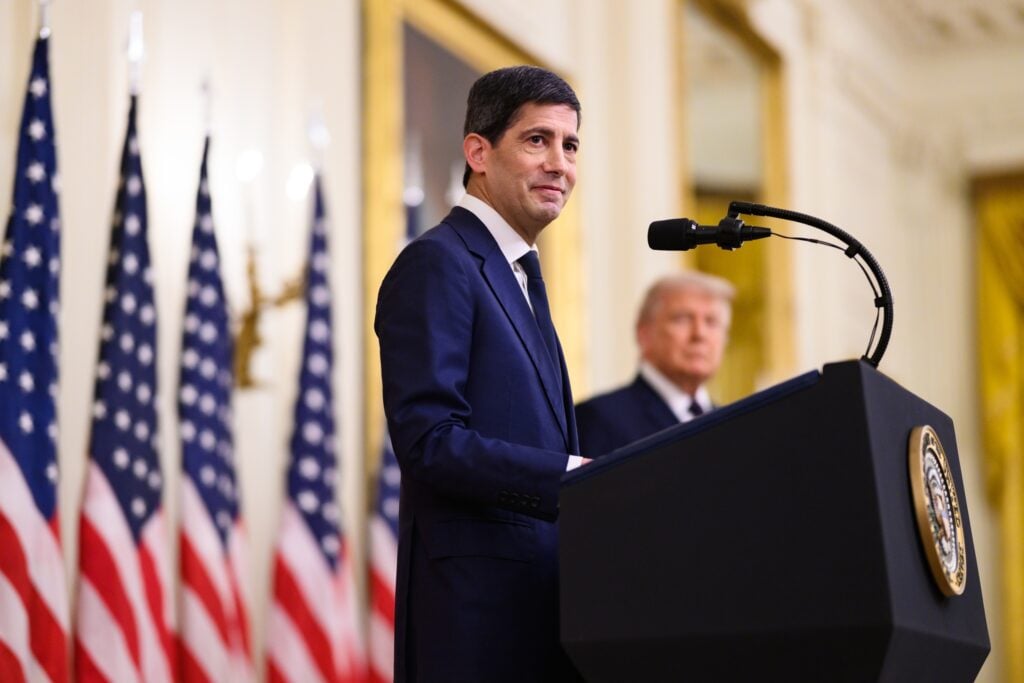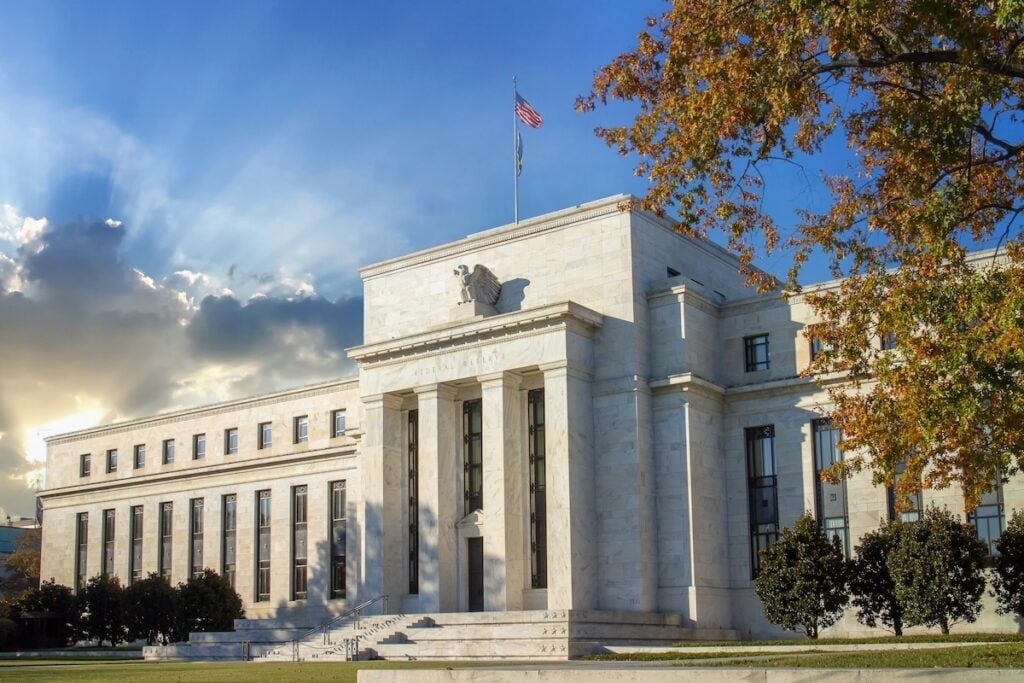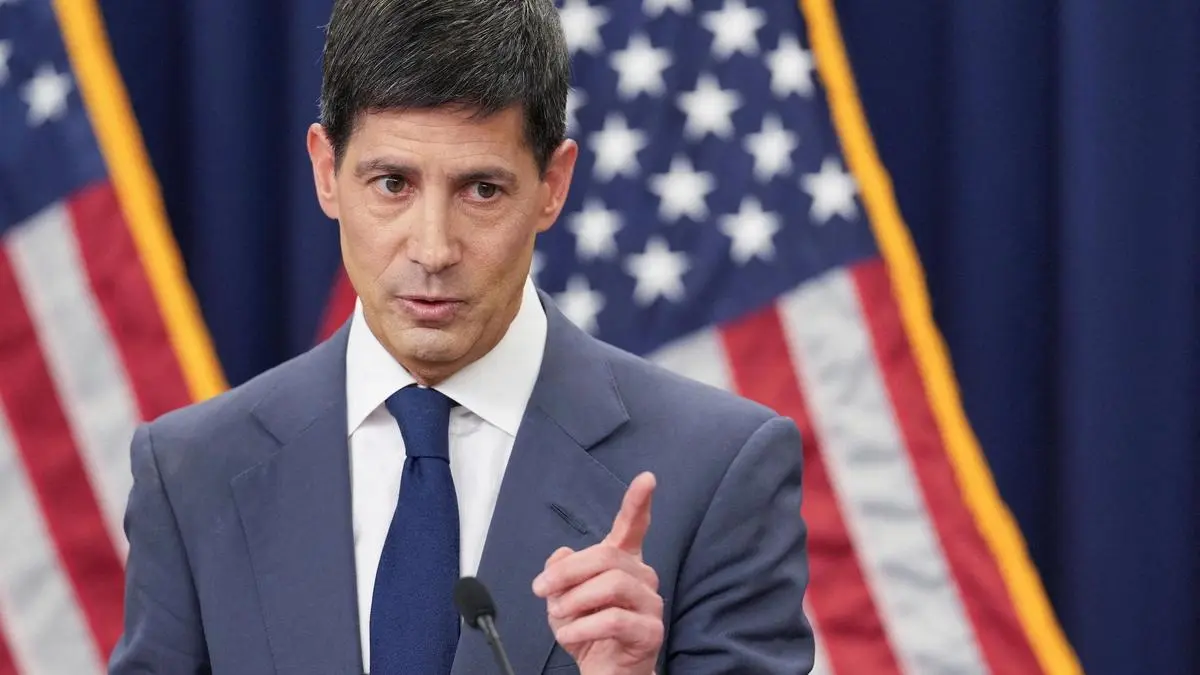
What’s behind the numbers?With all the suspense of a magician revealing a card you watched him palm, the Federal Reserve voted unanimously — gasp — to leave rates exactly where they were, parked at 3.5%–3.75% like a car nobody intends to move. Presiding over his maiden FOMC meeting, Kevin “The New Sheriff” Warsh marked the historic occasion not by doing anything, but by saying less about it — heroically taking a pair of scissors to the policy statement and amputating paragraph 4 entirely, because nothing says “regime change” quite like deleting a sentence. So there it is: no forward guidance, no breadcrumbs, no comforting little promise about what comes next. Pillar One of the Warsh Doctrine — talk less — delivered on day one, achieved by the bold expedient of crossing words out. The market, long addicted to being told exactly what to think, now gets to experience the thrilling novelty of not knowing. Mission, technically, accomplished. The Fed’s shiny new projections are, to use the technical term, not great. Core PCE is now seen running 3.3% this year — a heroic upgrade from the 2.7% they confidently pencilled in back in March, and suspiciously identical to the latest actual reading, meaning the Fed’s bold forecast for disinflation from here is… none. But fear not: the median dot promises inflation will glide down to 2.5% next year (up from the 2.2% they swore by last time, but who’s counting), growth politely slows, unemployment somehow improves anyway, and core inflation settles at a tidy 2.7% by end-2026 — because in central banking, optimism isn’t a bias, it’s a methodology. The forecast, as ever, remains exactly one revision away from perfection. The Fed’s beloved “dot plot” — that constellation of anonymous guesses dressed up as policy — has staged a dramatic about-face, quietly burying the easing bias of the Powell era under a fresh pile of hawkish ambition. Where the prior Fed had zero officials forecasting hikes this year, suddenly nine of them have discovered a sudden enthusiasm for raising rates: three dots leaping to two hikes, a brave soul pencilling in three, and the entire dovish wing — the seven who wanted a cut, the two who wanted two, the lone four-cut dreamer (a fond farewell to Stephen Miran’s optimism) — evaporating almost entirely, leaving exactly one cut-hopeful clinging on. In other words, the committee that spent last quarter eyeing the exit now eyes the brake pedal. The cherry on top: only 18 of 19 officials bothered to submit a dot at all, with speculation that the missing contributor was none other than Warsh himself — the man who thinks forward guidance is a confusing crutch declining, with exquisite consistency, to add his own dot to the guidance chart he’d love to abolish. Enjoy the dot plot while it lasts. Under a Chair who’d happily feed it to the shredder, this may well be one of its final appearances.
‘WARSH-INGTON’: A Fed Under Stress
Hawk by instinct. Dove by orders. Stagflation by surprise. what the new Chair means for stocks, bonds, gold & cash.
1,722 words~8 min read