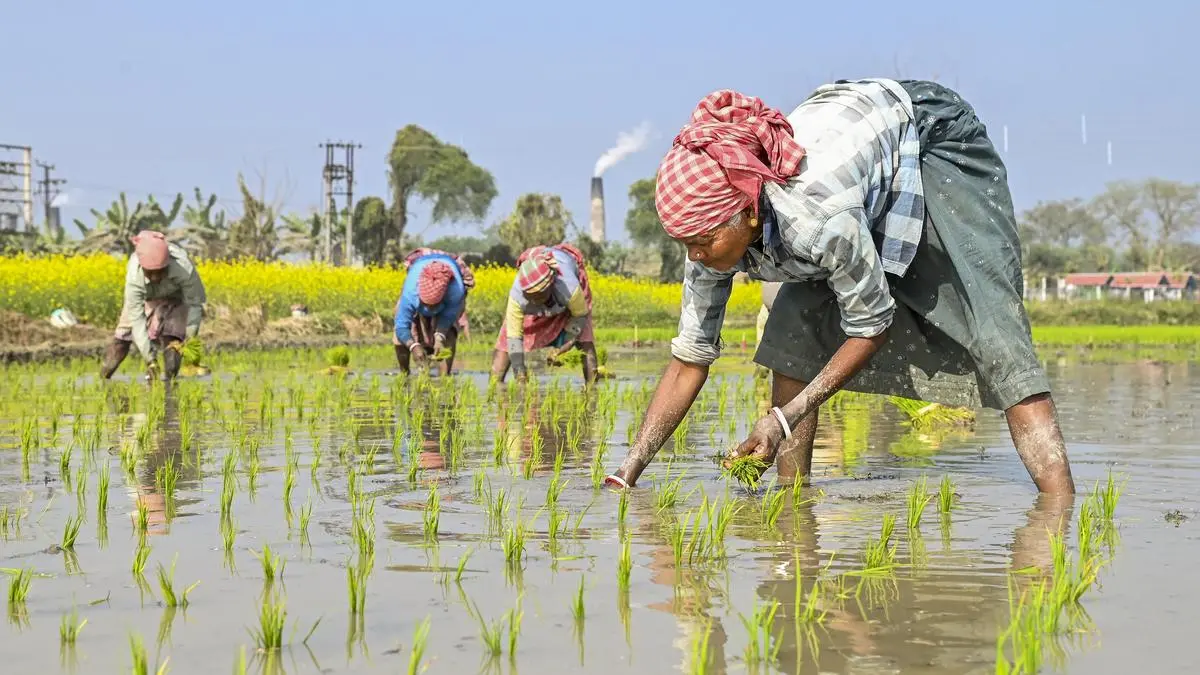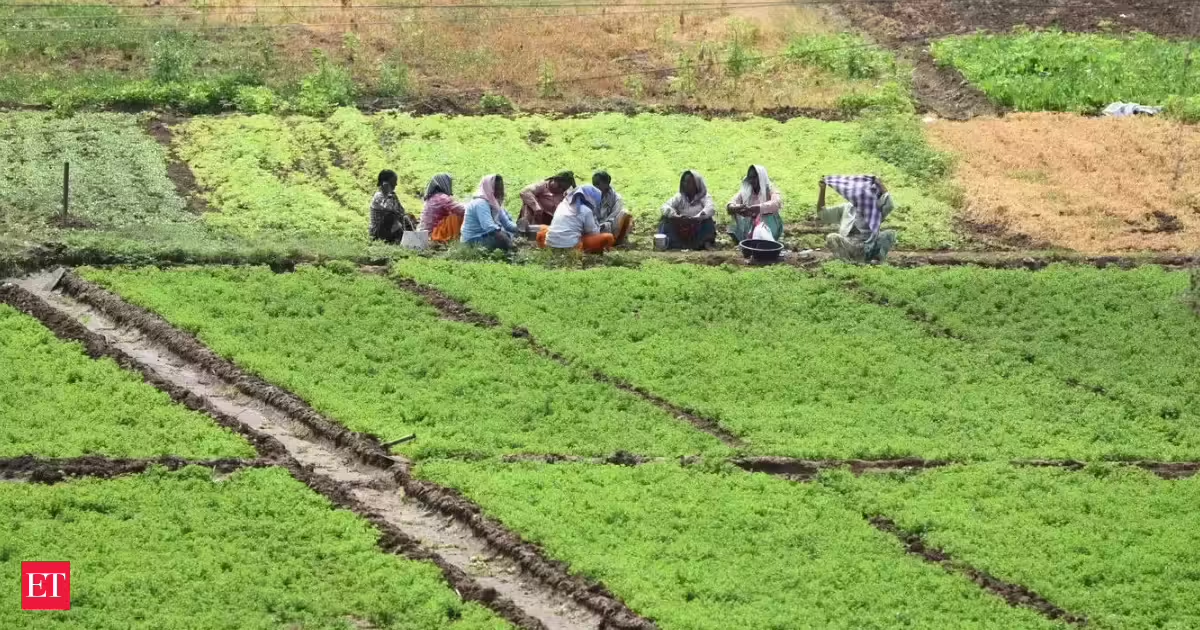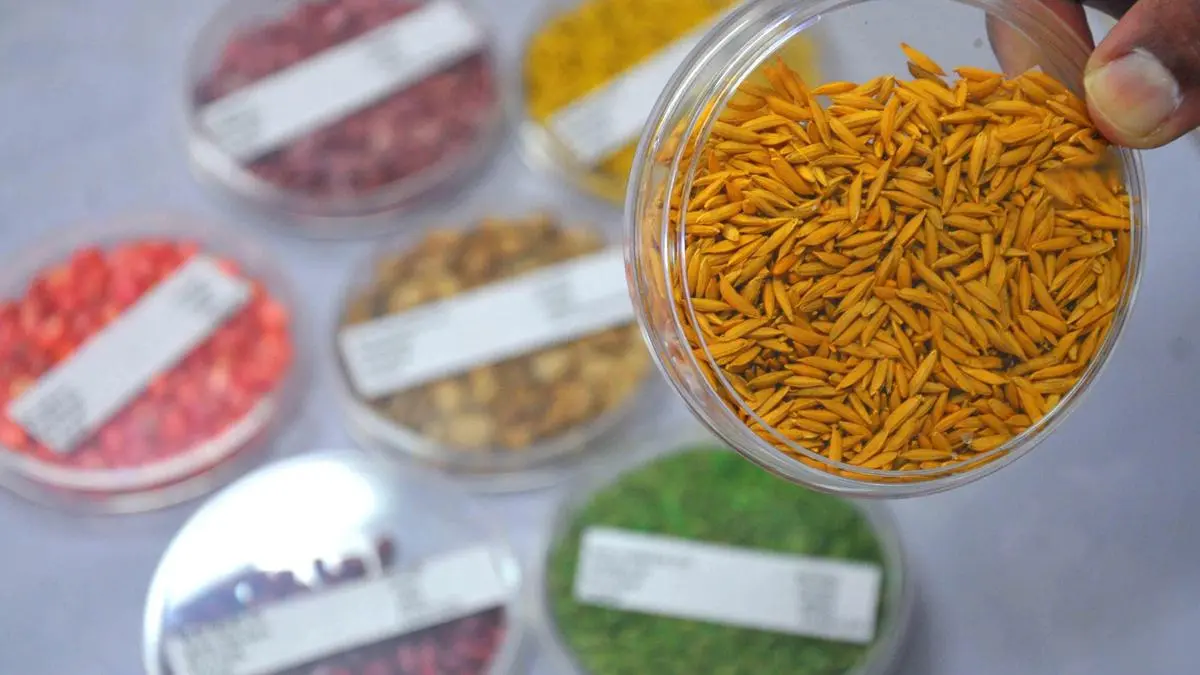
The technology will enhance seed quality, crop establishment, and resilience against biotic and abiotic stresses across a wide range of crops (file photo)
| Photo Credit:
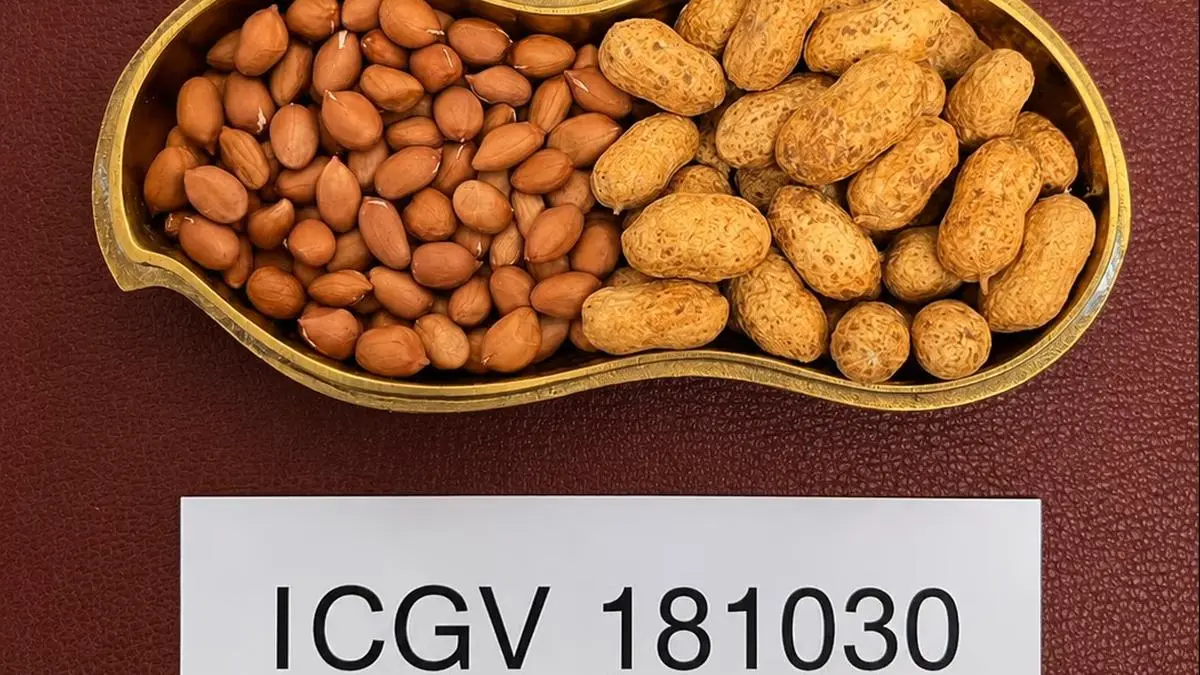
New DelhiIndian Institute of Oilseeds Research (IIOR) in Hyderabad has developed and demonstrated an innovative biopolymer-based Smart Seed Coating Technology. It will enhance seed quality, crop establishment, and resilience against biotic and abiotic stresses across a wide range of crops, the government said in a statement. It has the capacity to raise yield up to 37 per cent from the current level.The technology wraps seeds in a biodegradable layer that delivers microorganisms, nutrients, and crop-protection agents directly at the seed-soil interface, improving germination rates and early plant growth, the Indian Council of Agricultural Research (ICAR) said.Field trialsField trials across seven crops — soybean, maize, groundnut, chickpeas, cotton, mustard and pigeon pea — showed productivity gains of 12 per cent to 37 per cent over untreated seeds, ICAR said. Demonstrations in Telangana recorded yield improvements of about 30 per cent in groundnut and soybean compared with standard farming practices, it said.In 2025-26, the increase in per hectare yield of groundnut was 1.8 tonnes in the summer season, 2.26 tonnes in kharif and 2.4 tonnes in rabi. In soybean, grown only in Kharif, the yield was 1.02 tonnes, mustard (a rabi crop) 1.46 tonnes, sunflower 1-1.35 tonnes, castor 1.98 tonnes and sesame 0.5-0.9 tonnes.The technology has also been patented in India, ICAR said. It has been designed to address a persistent vulnerability in agriculture, such as poor crop establishment during early growth stages, which can undermine yields even when other farming conditions are sound.“Smart Seeds represent an important step in this direction by delivering protection, nutrition, and biological support precisely where they are needed,” ICAR said.The coating can be tailored for a broad range of crops, including cereals, millets, pulses, vegetables, and horticultural produce, and is particularly suited to rainfed farming, which covers a large share of India’s cultivated land and remains highly exposed to erratic monsoons and drought.ICAR is aiming to partner with interested State seed corporations, farmer producer organisations (FPOs), and private seed companies to scale up distribution, aiming to reach smallholder farmers across diverse agro-climatic regions.Published on June 18, 2026