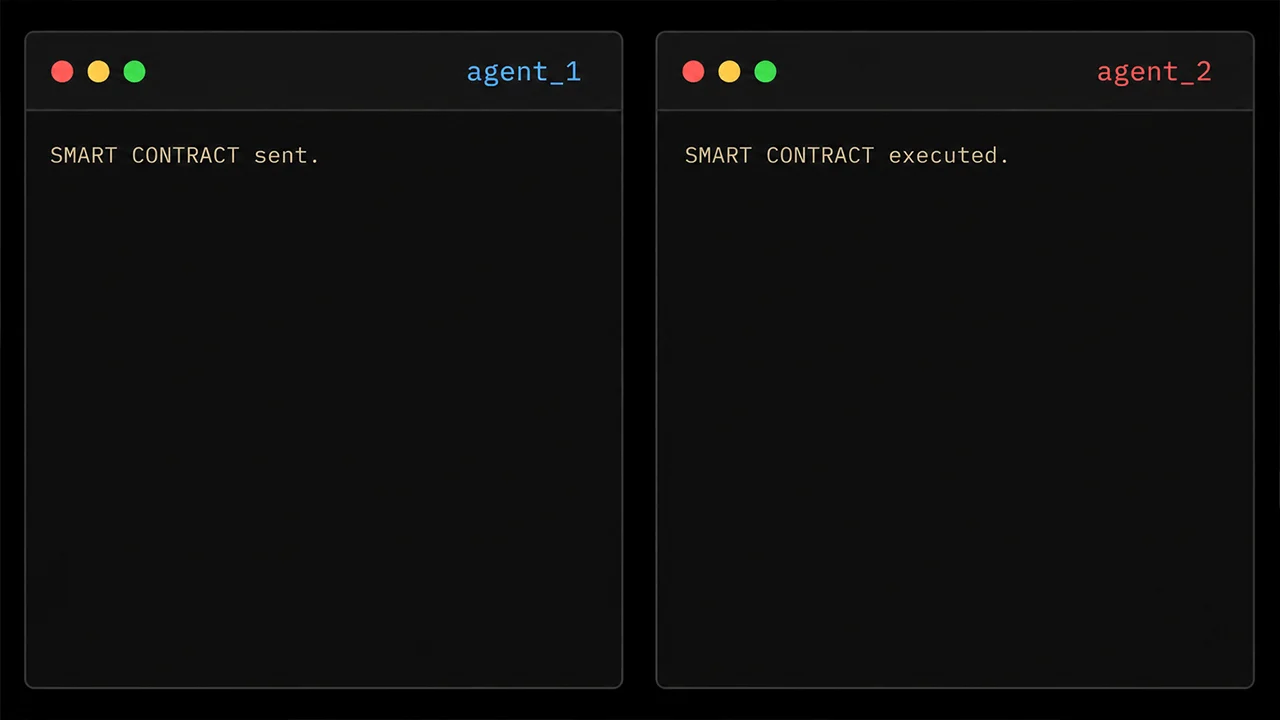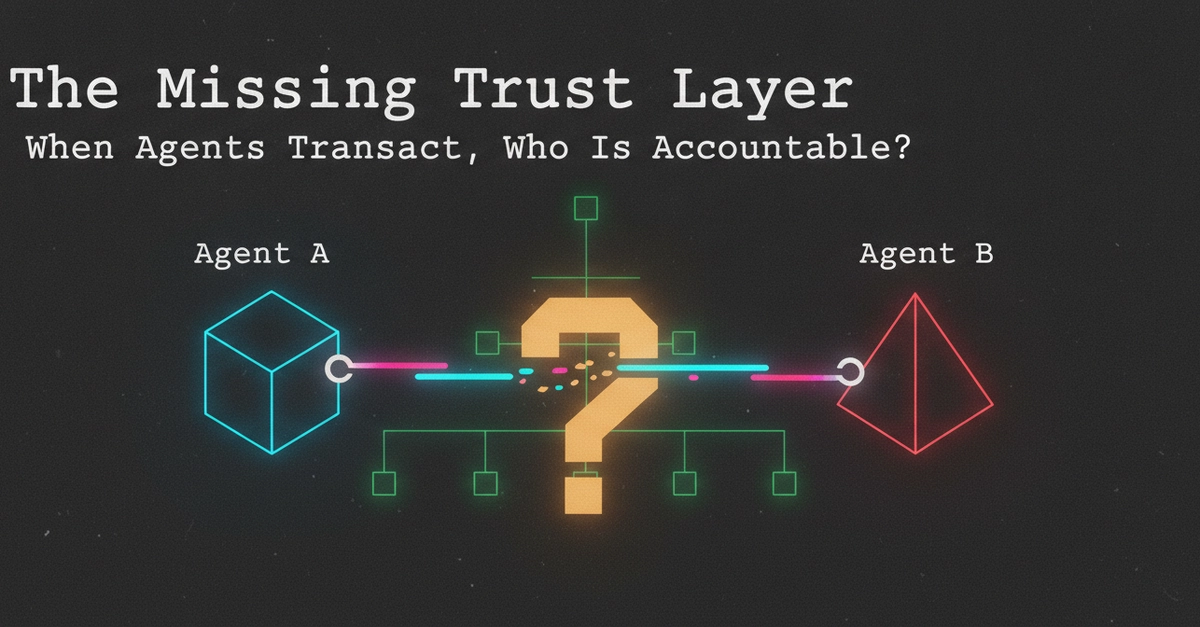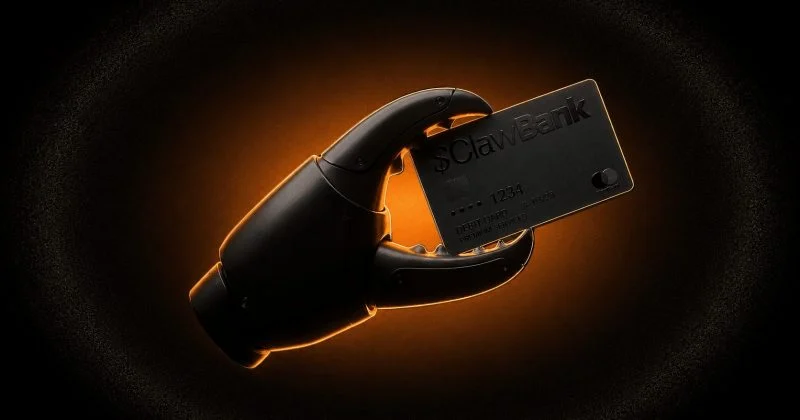
Two AI agents just walked into a room, negotiated a deal, signed a contract, and walked out. No humans were present. No humans were needed.
The agents, associated with projects ClawBank and Shodai, created what appears to be the first Ricardian contract executed entirely without human signatures. The agreement was linked to a smart contract on the Arc Network that automatically processed a payout once the contract’s terms were fulfilled.
What a Ricardian contract actually is
The concept was proposed by cryptographer Ian Grigg back in 1996. A Ricardian contract is a document that serves two masters simultaneously: it’s readable by humans (legal prose) and readable by machines (structured data that software can parse and execute). The contract is then tied together with cryptographic signatures, creating a bridge between the messy world of legal language and the precise world of code.
In English: it’s the missing link between a traditional legal contract and a smart contract. The legal text says what the deal means. The smart contract says what happens when conditions are met. The Ricardian wrapper connects both, so there’s no ambiguity about what the code is supposed to enforce.