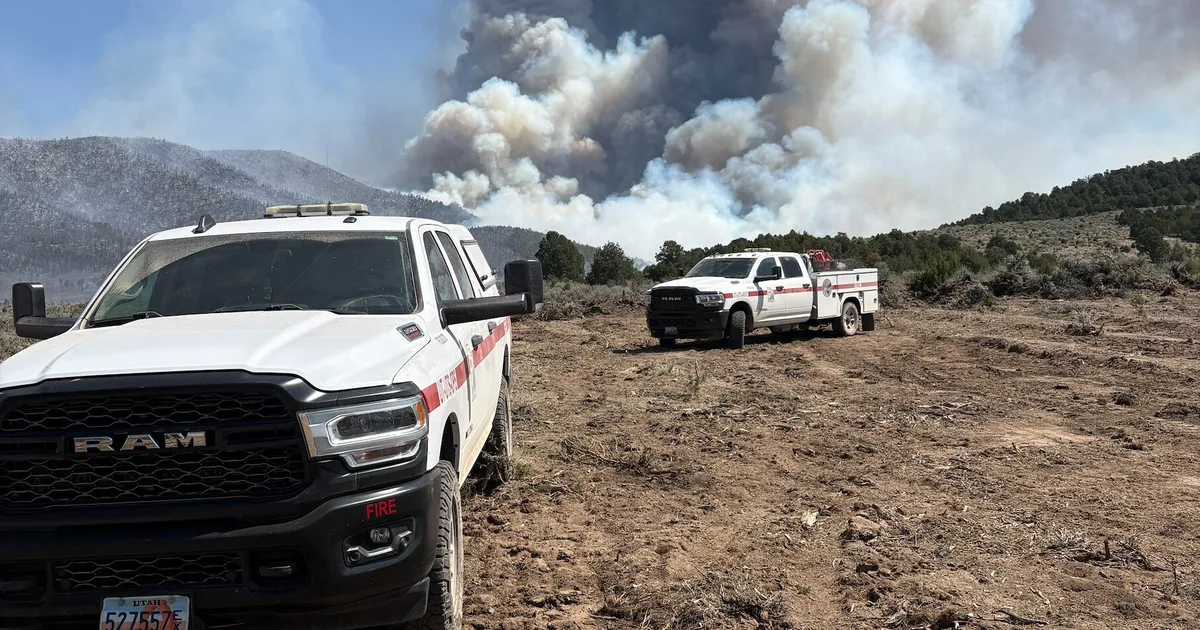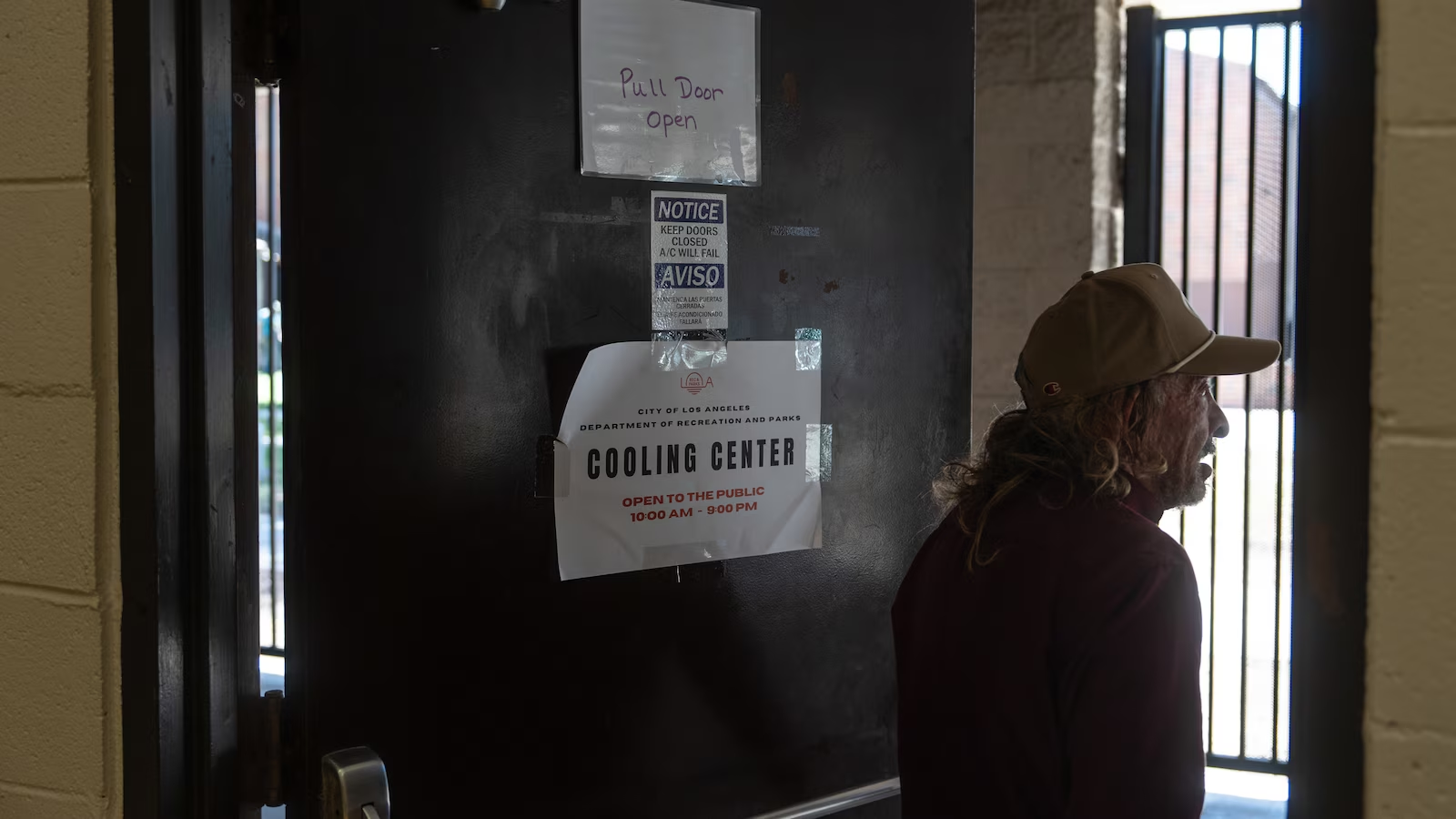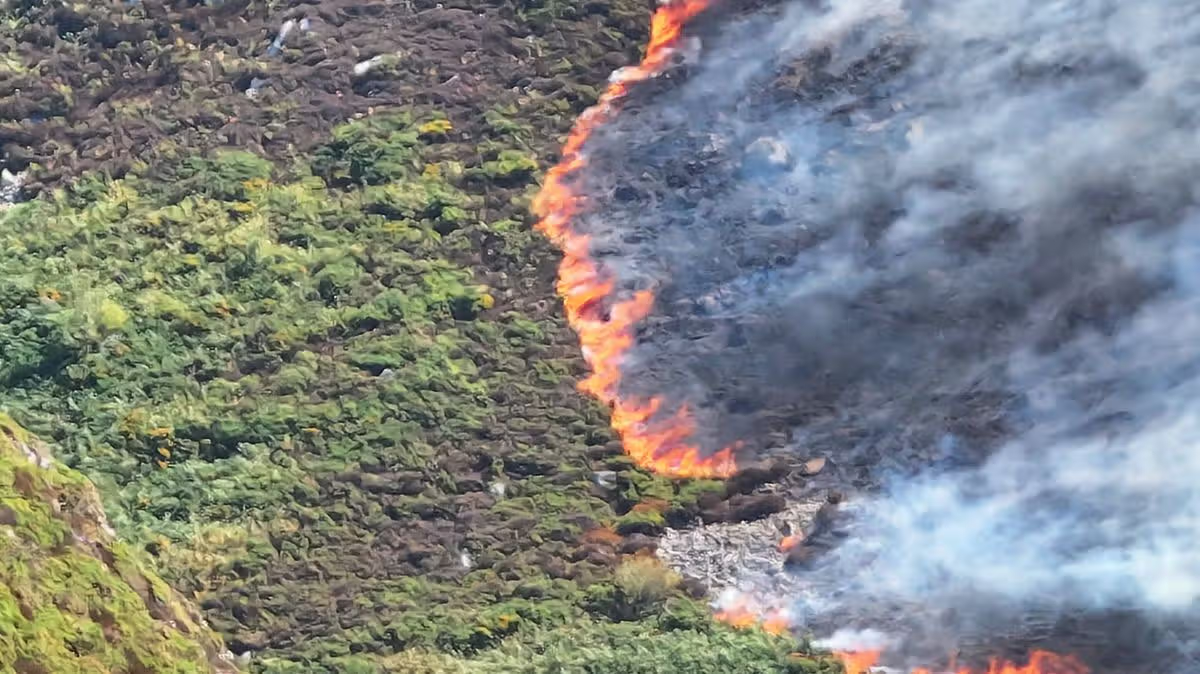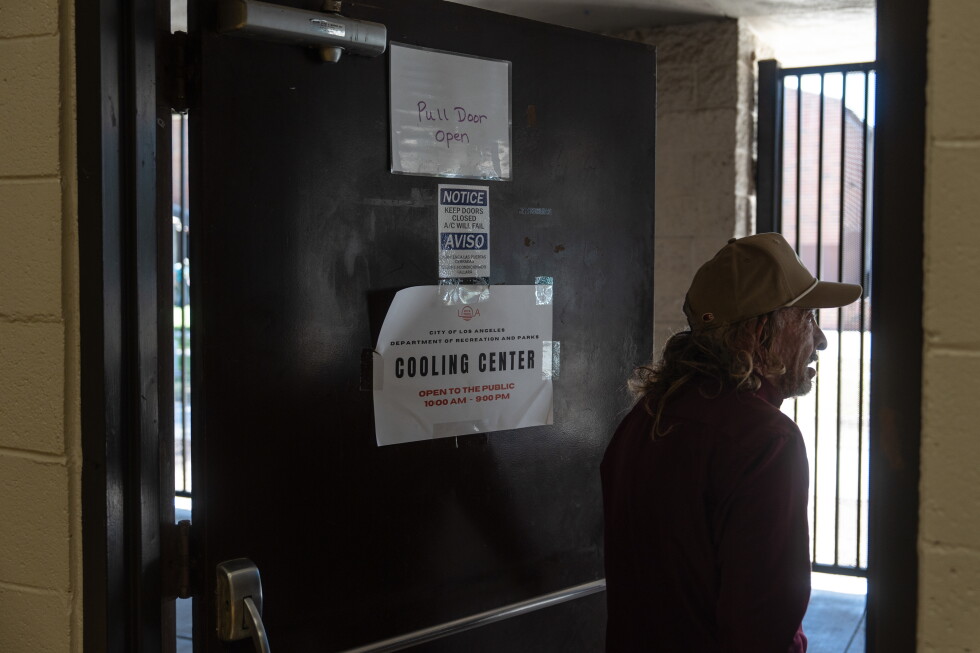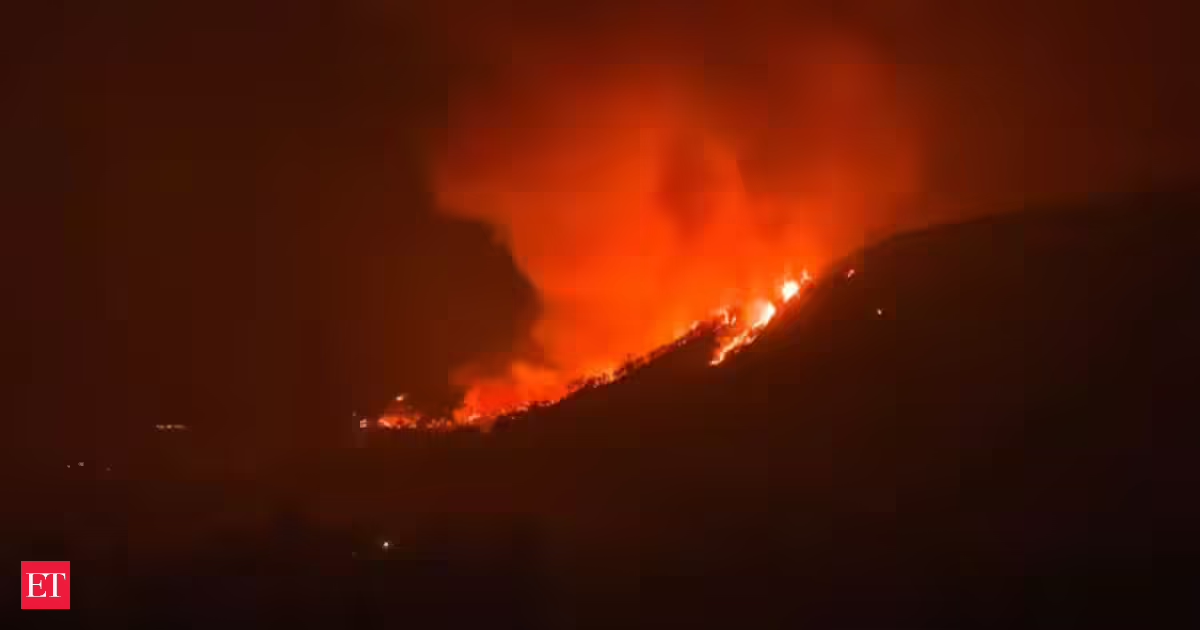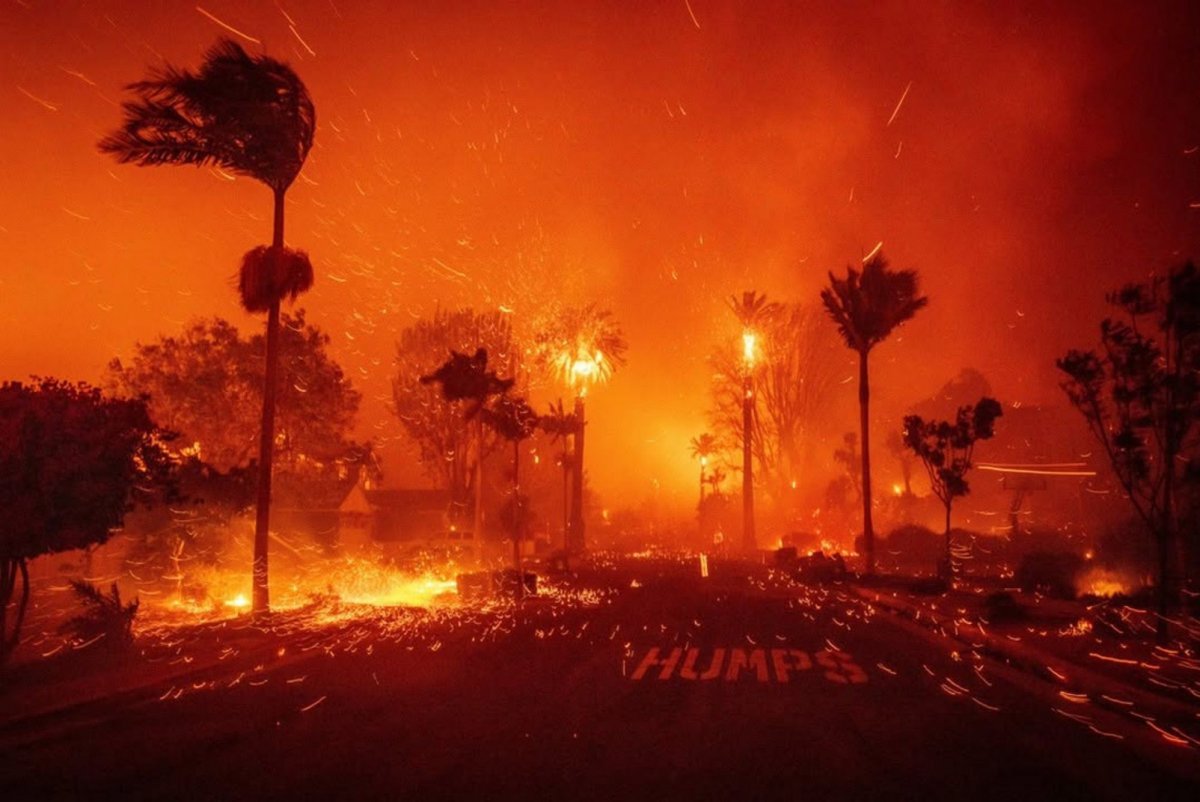
When heat waves hit, the risk of wildfires quickly rises. Prolonged heat dries out vegetation, and also plays other roles in spreading flames. Photo by the Los Angeles County Fire Department/UPI | License Photo
When heat waves hit the Western United States, the risk of wildfires quickly rises. The prolonged heat dries out vegetation, but that's only part of the cause -- heat waves also play other roles in spreading wildfires.
In a new study, our team of fire and climate scientists looked at two decades of wildfire activity in the West, from 2001 to 2024, and for the first time quantified the effect of heat waves on those fires.
We expected a big impact, but the numbers still surprised us: While heat waves, which we defined as three or more consecutive days with temperatures in the top tenth of hottest days, accounted for only 12% to 15% of warm-season days, we found that 42% of all the area burned by fires had occurred during or right after a heat wave.
Moreover, the amount of the area that burned each day was more than 50% larger during heat waves than during the cooler days right before the heat wave began in many parts of the West. In some regions, the difference was much larger - up to 300%.